
If you miss the simple pleasure of condensed milk coffee from camping trips or cafés, this iced coffee with condensed milk will bring back those warm memories. Rich, sweet and refreshingly cool, it’s an easy drink to make at home that delivers bold coffee flavour balanced by creamy condensed milk and plenty of ice.
Inspired by Vietnamese iced coffee but simplified for home kitchens, this recipe uses strongly brewed coffee—either instant or filter—mixed with sweetened condensed milk and served over ice. No special equipment is required.
Use instant coffee, a French press, a drip machine or an espresso brew; the method is flexible and adapts to what you have on hand. The key is a concentrated brew and the right balance of condensed milk to match your taste.

[feast_advanced_jump_to]
What’s to love about this recipe
- Simple and reliable—easy to make with minimal fuss and ingredients.
- Cold and refreshing: get your coffee fix without a hot drink, ideal for warm days.
- Customisable: adjust sweetness and coffee strength to suit your preference.
- Captures the spirit of Vietnamese iced coffee but made without a phin or specialised tools.
- Perfect for people who enjoy a milky, rich and sweet coffee experience.
Key ingredient notes and substitutions
*See the recipe card below for full measurements and instructions.
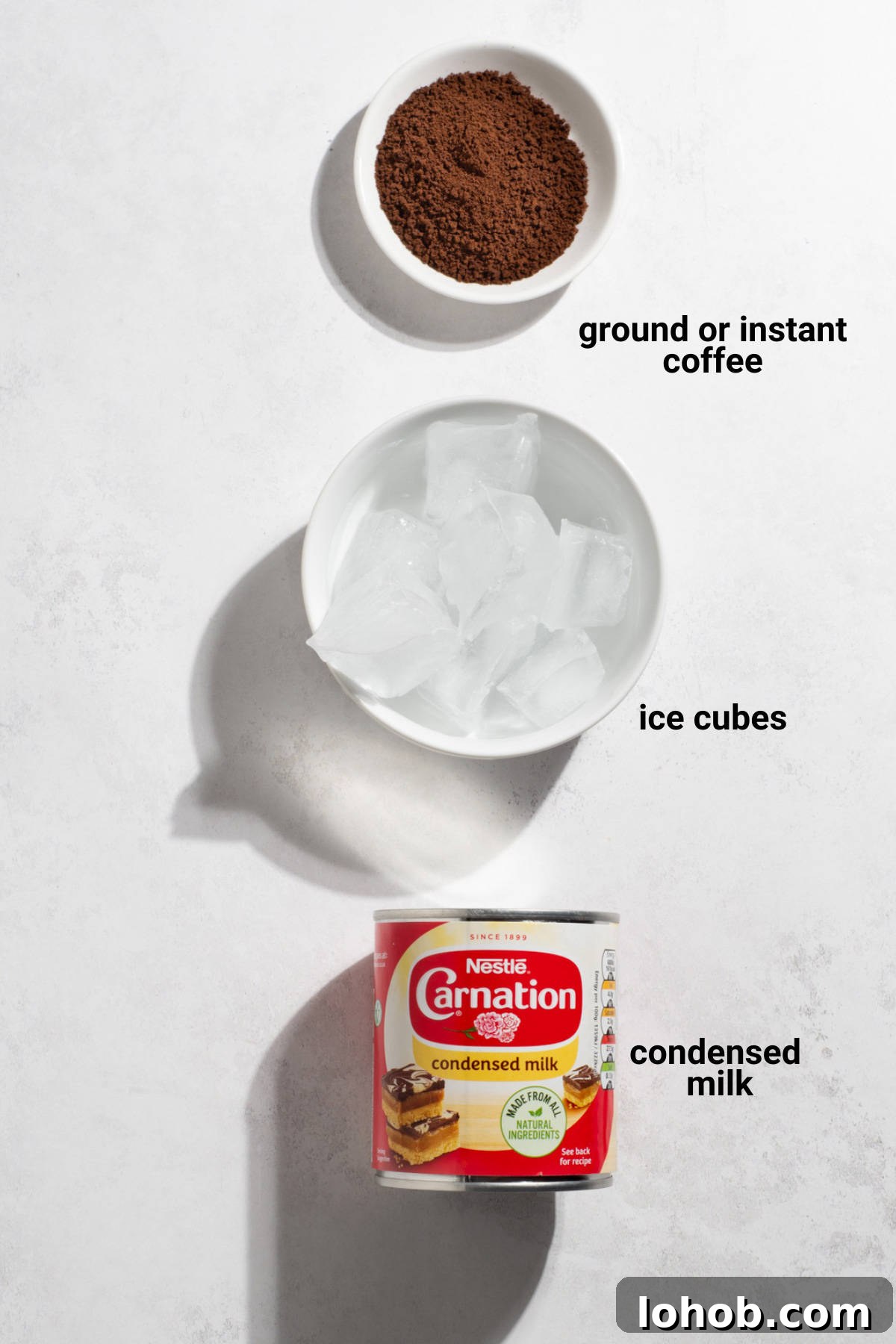
Double-strength brewed coffee
Start with a concentrated brew so the coffee flavor stands up to ice and condensed milk. For a bolder result, brew triple strength. Dark roast or bold blends work particularly well. Use whatever brewing method you prefer—French press, drip, espresso machine or stovetop—adjusting grounds or instant coffee quantity to achieve the strength you like.
If you use instant coffee, dissolve it in hot water first—hot water extracts the flavour better than cold. Then chill the brewed coffee before combining with condensed milk.
Condensed milk
Sweetened condensed milk is the defining ingredient. Add between 4 and 6 tablespoons per tall serving, or adjust to taste. More condensed milk yields a sweeter, creamier drink; less leaves the coffee punchier. You can add a tiny drop of vanilla extract to the condensed milk for subtle flavour, if desired.
Optional additions
Consider a light dusting of cocoa, a scoop of coffee ice cream for an indulgent float, or a layer of frothed milk or Dalgona-style foam for texture. These are optional and depend on how decadent you want the drink to be.
A note on the ice
Ice size affects dilution and mouthfeel. Small to medium-sized pieces provide a good chilling effect without melting too fast. Whole large cubes melt slowly but change the drink more slowly, while crushed ice chills instantly but dilutes quickly.
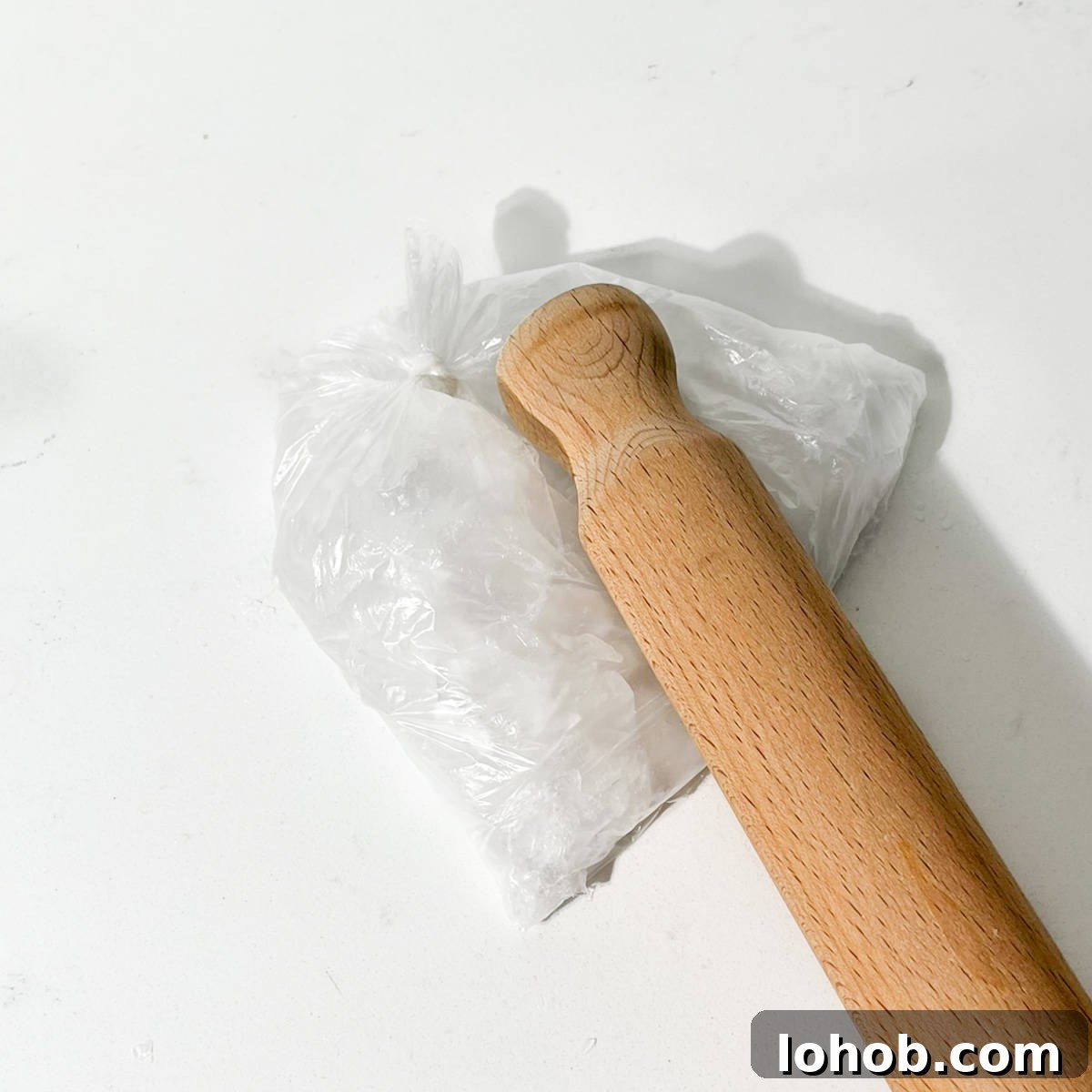
To get the right size, place ice cubes in a plastic bag or a folded kitchen towel and give them a few gentle taps with a rolling pin or kitchen mallet. Return prepared ice to the freezer if you aren’t serving right away.
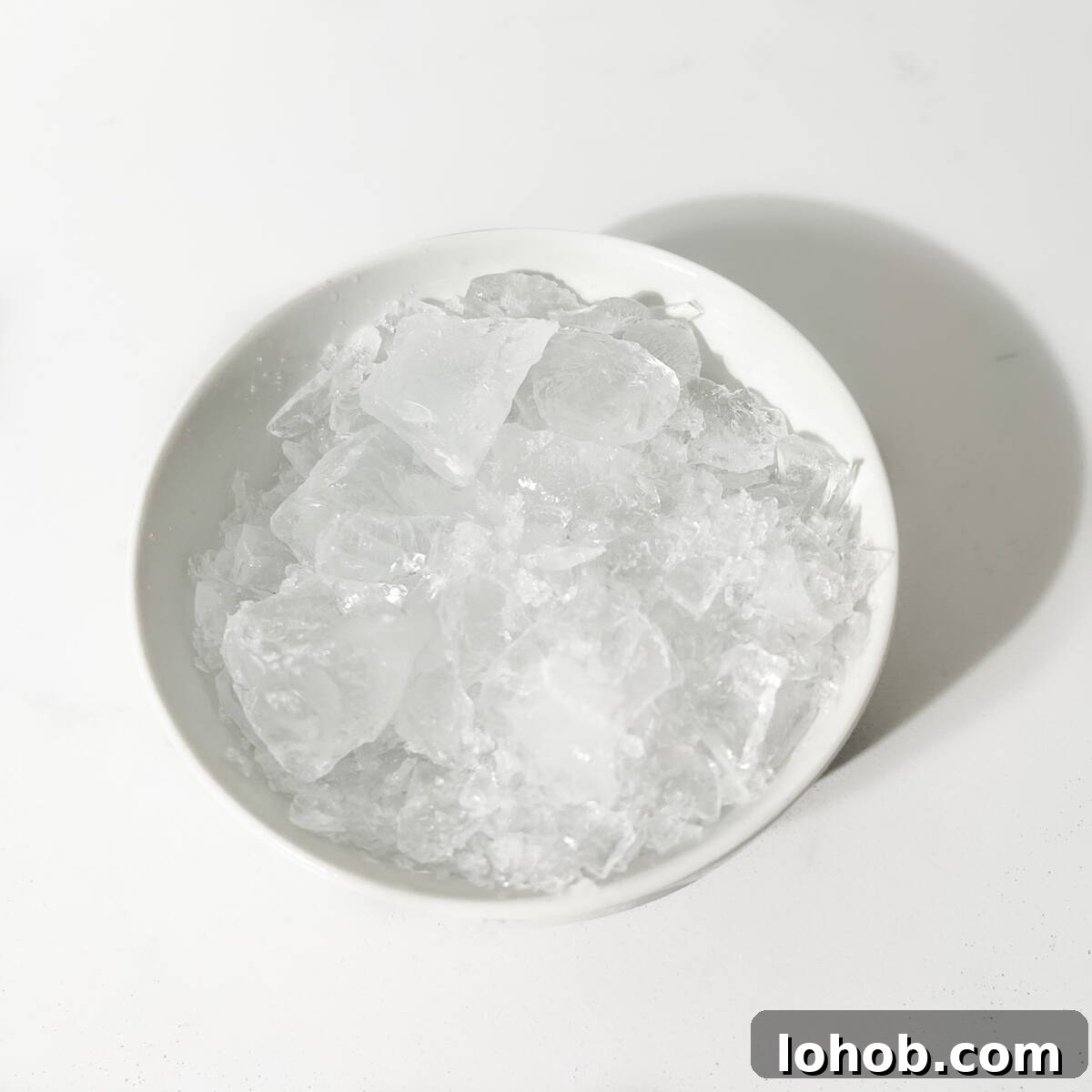
Paying attention to ice may seem fussy, but it improves the drinking experience by balancing chill and dilution.
Tools needed
- Coffee brewer: French press, drip machine, stovetop maker, espresso maker or instant coffee—use what you have.
- Rolling pin or kitchen mallet: For breaking ice to the preferred size.
- Tall glass (about 400ml): Designed for a single serving as written in the recipe card.
- Optional: Straw, long spoon, or garnish tools.
How to make condensed milk iced coffee

- Make a double-strength (or triple-strength if you prefer) brew using hot water. Chill the coffee in the refrigerator for at least 30 minutes so it’s cold when you assemble the drink.
- While the coffee cools, prepare the ice. Remove cubes from the tray and place them in a plastic bag or a towel, then gently bash to achieve medium-sized pieces. Keep the ice in the freezer until ready to serve.
- Pour the chilled coffee into a tall glass and stir in 4–6 tablespoons of sweetened condensed milk, adjusting the amount to your sweetness preference. Stir thoroughly so the condensed milk blends evenly with the coffee.
- Fill the glass with the prepared ice, stir again if needed, and serve immediately with a straw or tall spoon. Garnish with whipped cream, frothed milk, or a spoonful of coffee foam if you like.


Serving suggestions
- Top with a light swirl of whipped cream for extra indulgence.
- Add a layer of milk foam or a spoonful of Dalgona-style whipped coffee for texture.
- Pair with a small biscuit or cookie for a pleasant contrast.
- Serve in a mason jar for a casual presentation or a tall glass for a classic look.
- Offer extra condensed milk on the side so guests can sweeten to taste.
Make ahead instructions
You can prepare the coffee and ice in advance. Store the brewed coffee in the refrigerator and keep the prepared ice in the freezer. Assemble the drink just before serving to preserve the best flavour and texture.
FAQ
Iced coffee is typically brewed coffee cooled and served with a small amount of milk or milk alternative; the milk-to-coffee ratio is relatively low. An iced latte is espresso-based and contains a much higher proportion of milk, resulting in a creamier, milk-forward drink. The main difference is the coffee-to-milk ratio and the brewing method.
Because this recipe contains caffeinated coffee, serving it to children is a parenting decision. Parents should consider caffeine intake guidelines and consult health advice if unsure.
Not exactly. The drink is milky, rich and sweet like a milkshake, but it remains a liquid coffee beverage rather than a thick, ice-cream-style shake.
Other recipes you might enjoy using condensed milk
Tan Slice
Milo Dinosaur
Choc chip cookies with condensed milk
Marshmallow tart
Iced coffee with condensed milk
Tinginys – Lithuanian Lazy Cookies
Easy peanut butter microwave fudge
Sequilhos – Brazilian cornflour cookies
Condensed milk cookies
Brigadeiros – Brazilian fudge balls
Easy coconut ice with condensed milk
Dark chocolate ice cream (no-churn)
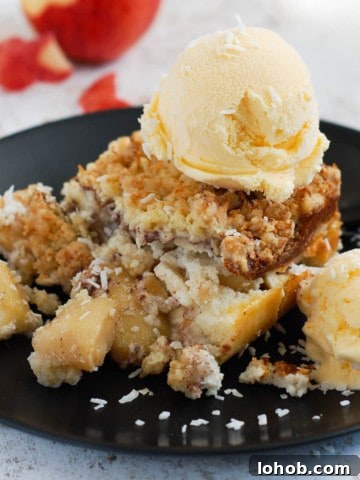
Apple crumble tart
Easy marshmallow fridge tart
-
Condensed milk cookies
-
Easy Coconut Ice with Condensed Milk (Klapperys)
-
Dark Chocolate Ice Cream (No-churn)
-
Apple crumble tart recipe


Recipe

Condensed milk iced coffee
Equipment
-
French press/coffee machine/stovetop coffee maker/brew-it-stick
-
Rolling pin
-
A tall glass (400ml)
Ingredients
- 300 millilitre double-strength brewed coffee – filter or instant. Make it triple-strength if you prefer
- 1 handful ice cubes – adjust quantity according to taste
- 4-6 tablespoons condensed milk – adjust to taste
Instructions
-
Brew a double- or triple-strength coffee and chill it in the fridge for at least 30 minutes.
-
Prepare the ice by placing cubes in a bag or towel and gently bashing them to medium size. Return ice to the freezer until serving.
-
Stir 4–6 tablespoons of condensed milk into the chilled coffee until well combined.
-
Fill the glass with ice, give the drink a final stir, and serve immediately with a straw or long spoon.
Nutritional data disclaimer
Nutritional information is an estimate calculated by a third party and may vary with brands and exact ingredients. Use this as a guide only; consult a nutrition professional for personalised advice.
Nutrition
Carbohydrates: 44 g
For food safety advice, including guidance on food allergies, consult your local food safety authority or a qualified professional.