This post contains affiliate links and I may receive a commission on your purchase. Thank you for shopping through my links.
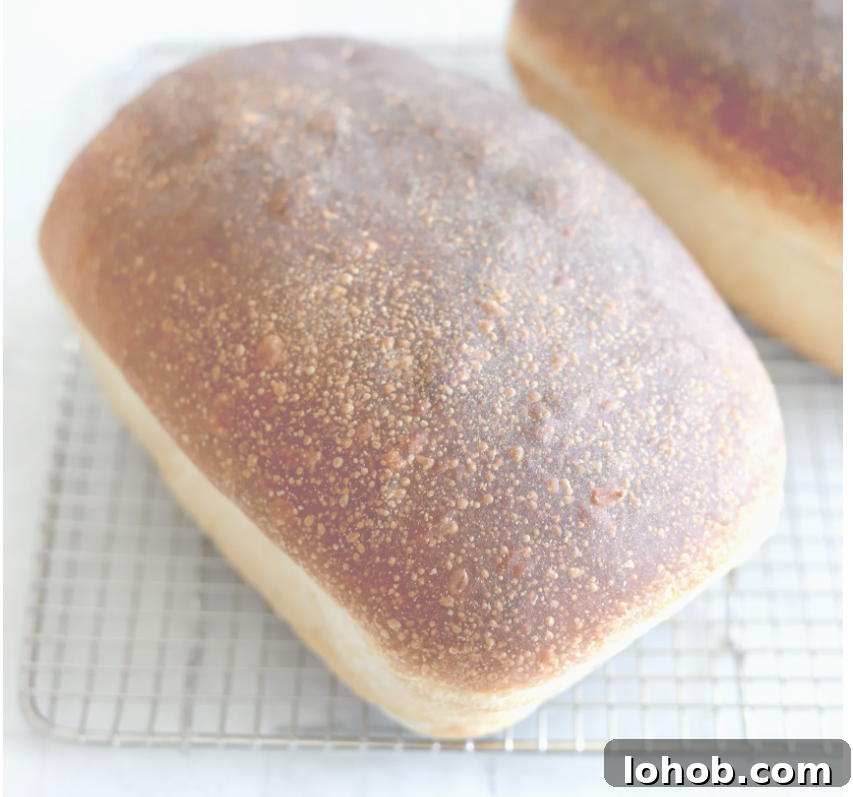
Years ago I converted classic white sandwich bread into sourdough, and it quickly became even better than the original. Sourdough takes more time and a bit of practice, but it’s absolutely worth it. This recipe yields three loaves of soft, everyday sandwich bread with a mild tang and the depth of natural yeast.
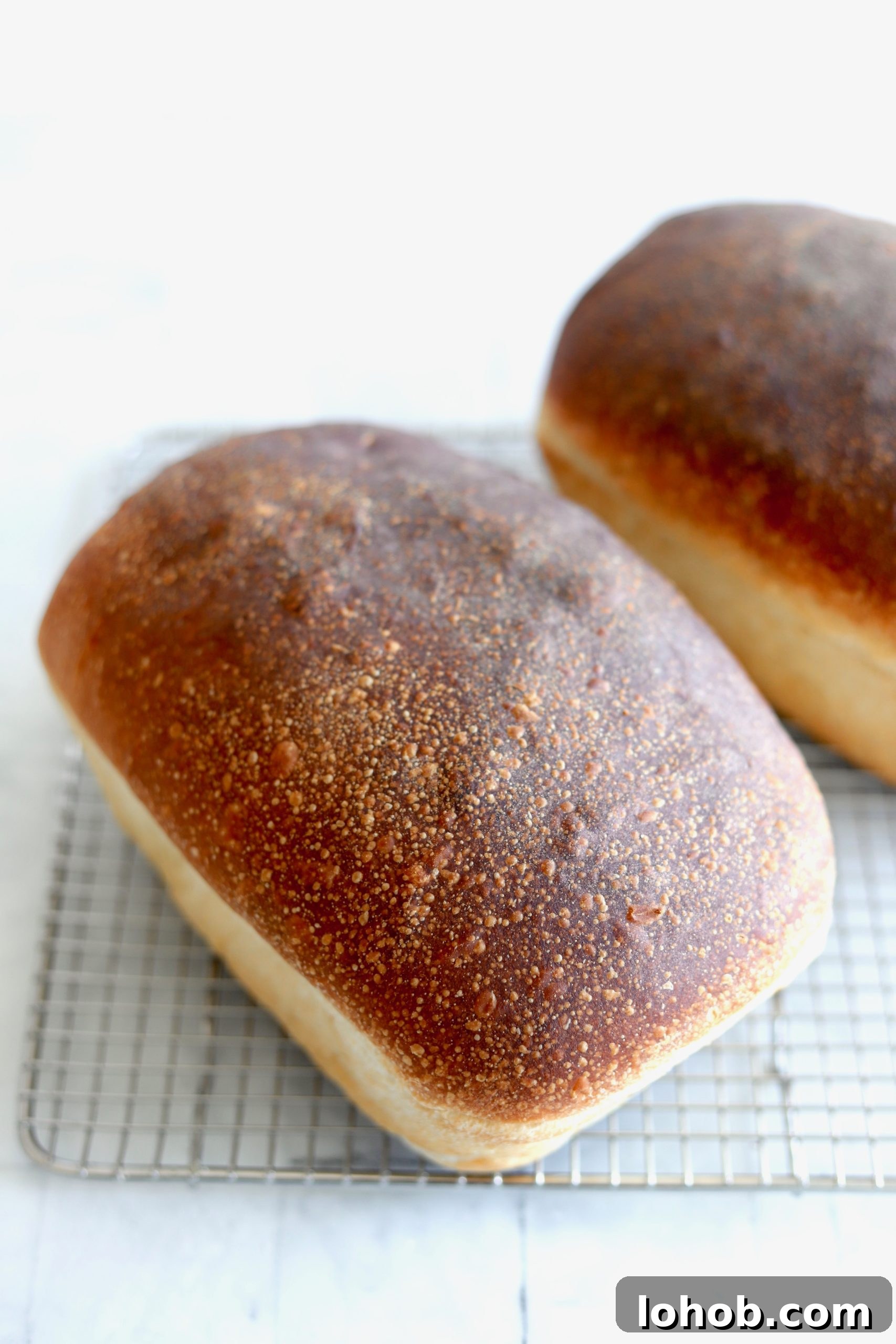
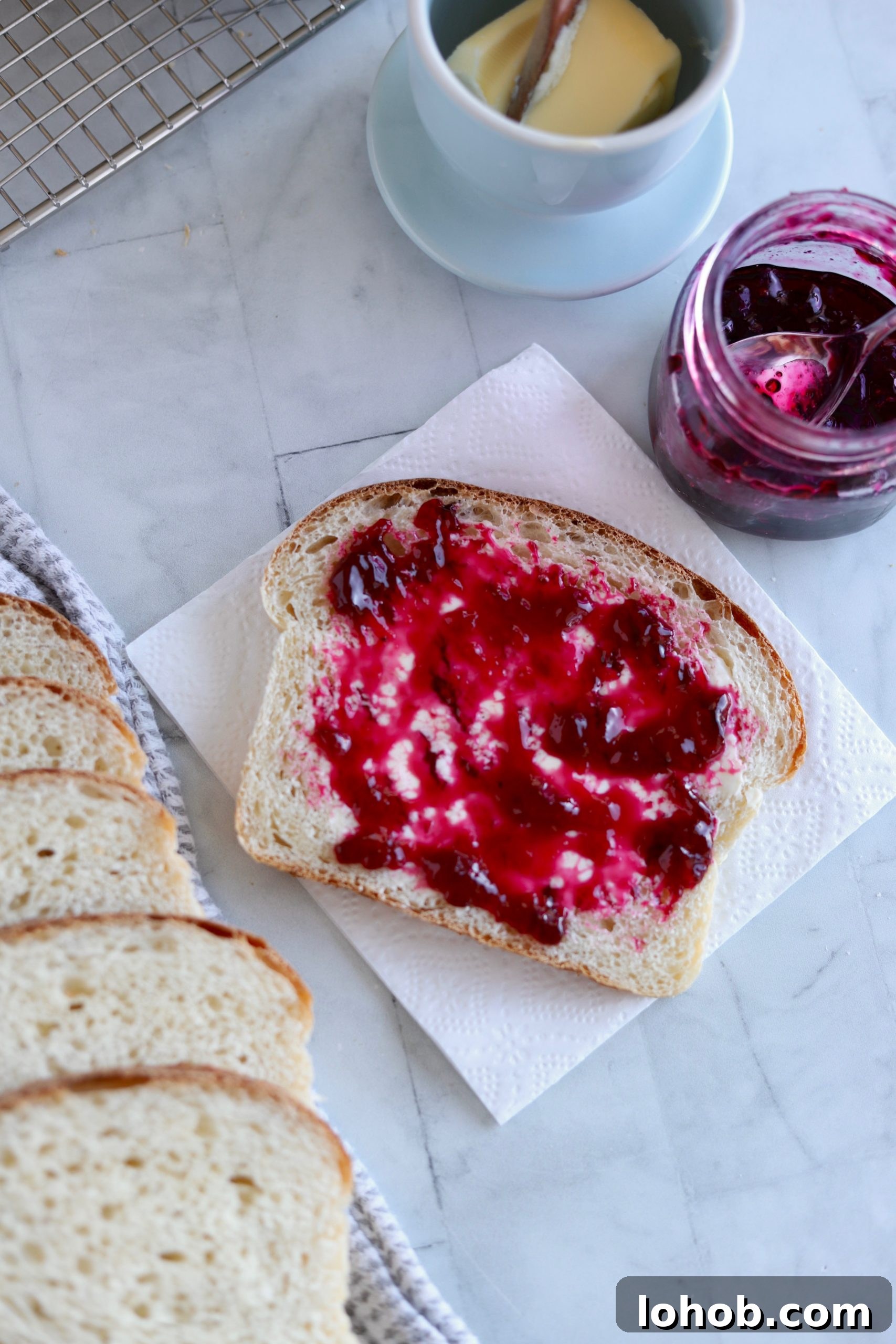
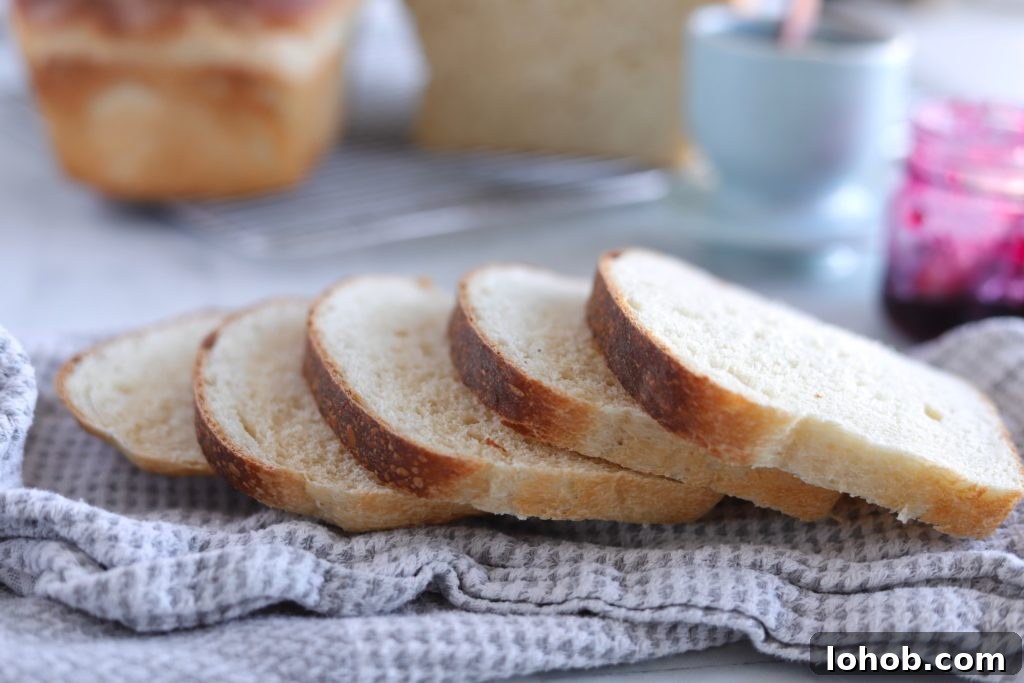
This natural-yeast sourdough sandwich bread is the best of its kind. It’s tender and mild enough for kids, perfect for sandwiches, and incredible toasted with butter. Many who think they don’t like sourdough change their minds after trying this loaf.
LET’S CHAT INGREDIENTS…
SOURDOUGH STARTER
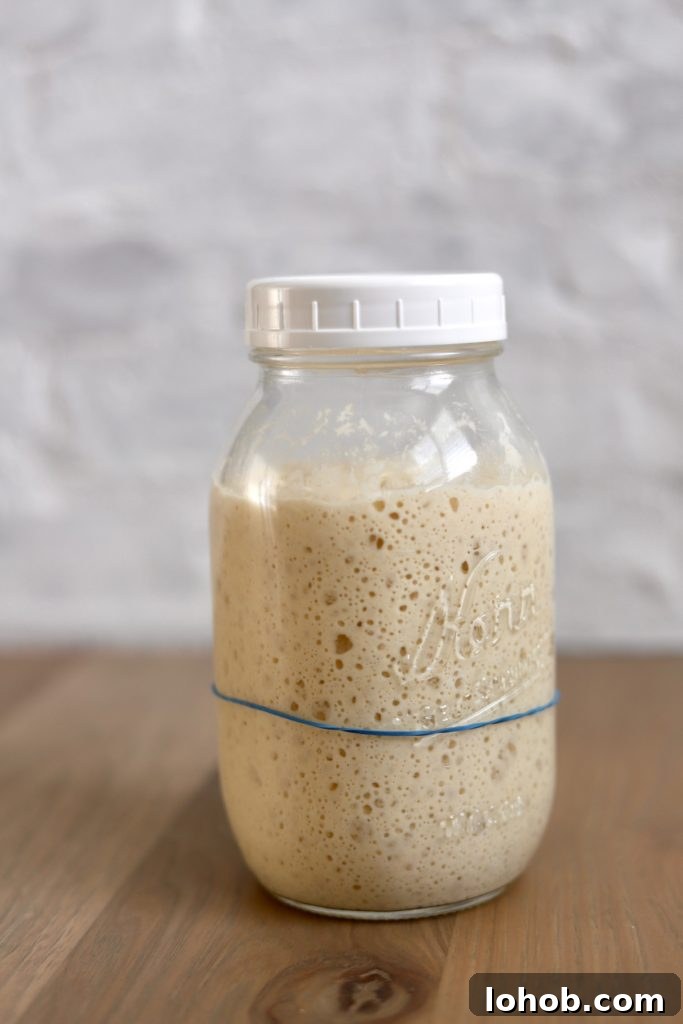
A healthy, active sourdough starter is essential. If your starter is weak or slow, it may not raise the dough properly. Check your starter before starting this recipe to make sure it’s ready.
SIGNS THAT IT IS ACTIVE AND STRONG INCLUDE:
- Doubling in size and filling with bubbles after feeding.
- Being fed regularly and not neglected for long periods.
- Float test: a spoonful of starter should float in room-temperature water if it’s ready to use.
SIGNS IT IS NOT READY:
- Flat and runny with no bubbles.
- Does not rise or fill with bubbles after feeding.
- Smells strongly of vinegar or nail polish remover (over-fermented).
- A layer of liquid on top.
IF YOUR STARTER IS SLOW:
- Use unbleached flour and filtered water to feed it.
- Keep it in a warm spot (about 72–75°F) to activate.
- Add a bit of whole wheat or rye flour to boost nutrition.
- Try “powerfeeds”: mix 1 tbsp starter with 1/4 cup flour and 1/4 cup water, let sit 12 hours and repeat for several days.
- Avoid contamination from cleaning products or sanitizers.
THE SOURDOUGH CIRCLE OF LIFE:
Runny discard → feed with flour and water → mix → rest → bubbly active starter → digests food → returns to runny discard → feed again. Repeat.
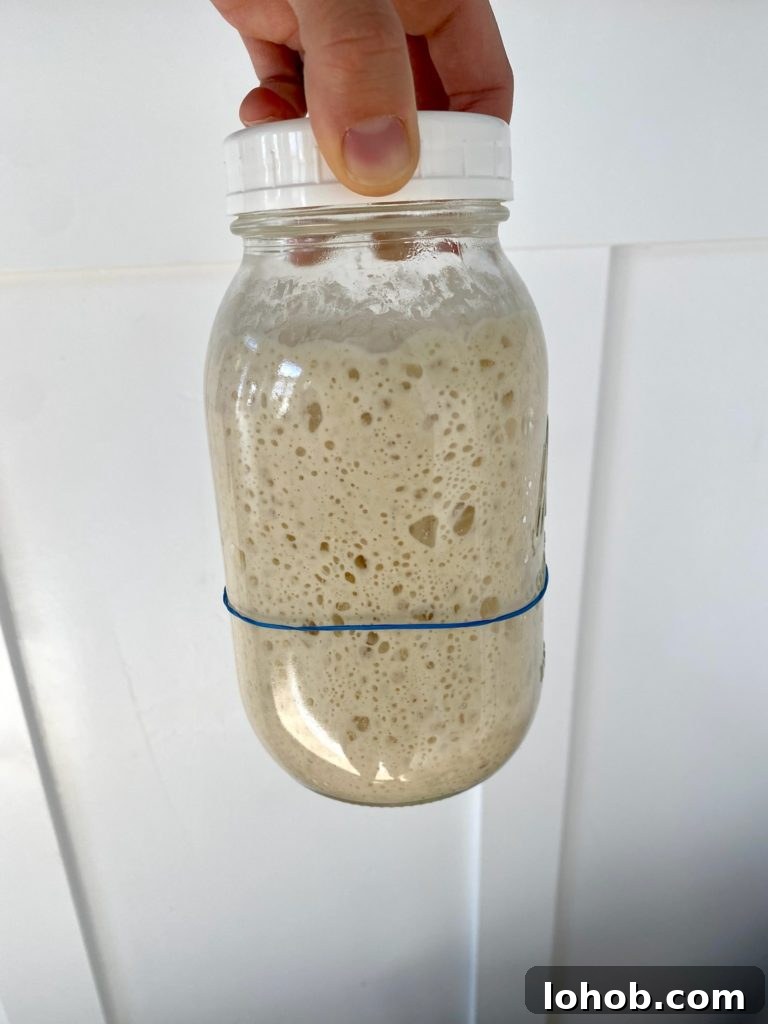
FEEDING YOUR STARTER FOR THIS RECIPE
This recipe requires about 2 cups of bubbly, active starter. I prefer larger feeds to train the starter to digest more food and develop strength. A common feed I use before baking is 1/2 cup runny discard + 2 cups flour + 2 cups water (a 1:4:4 ratio). Aim for a thick pancake-batter consistency—add flour if too thin or water if too thick. This yields enough starter for the recipe plus some reserve to refrigerate.
You can also use 1:1:1 or 1:8:8 feeds; larger feeds take longer to peak. Feeding before bed (1:4:4 or 1:8:8) often works well—starter peaks overnight and is ready in the morning.
FLOUR
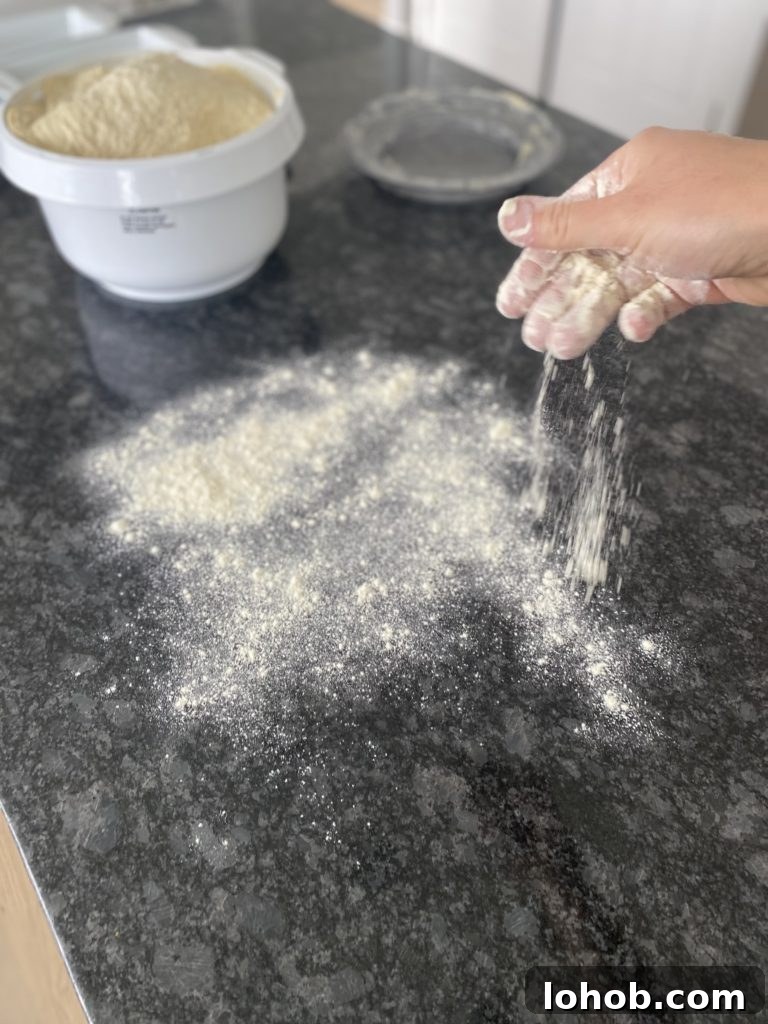
This recipe works with bread flour, all-purpose flour, whole wheat, or Kamut (Khorasan) flour. Each yields a slightly different texture and flavor.
BREAD FLOUR: My preferred choice. Unbleached bread flour provides higher gluten, producing a tall, soft, springy loaf with a nice stretch.
ALL-PURPOSE FLOUR: Works as a substitute for bread flour, though the rise may be slightly less dramatic. Use unbleached AP flour for best results.
WHOLE WHEAT FLOUR: More absorbent and heavier—use a bit less flour by volume and expect longer rising times and a denser loaf. A 50/50 blend of whole wheat and bread flour is a good compromise to retain better rise while gaining whole-grain benefits. Whole wheat also produces a more pronounced sour flavor.
KAMUT (KHORASAN): An ancient wheat with a nutty flavor that’s more absorbent than AP flour—reduce total flour by about 10–15% and note it may not rise as high and can be slightly crumbly.
SALT
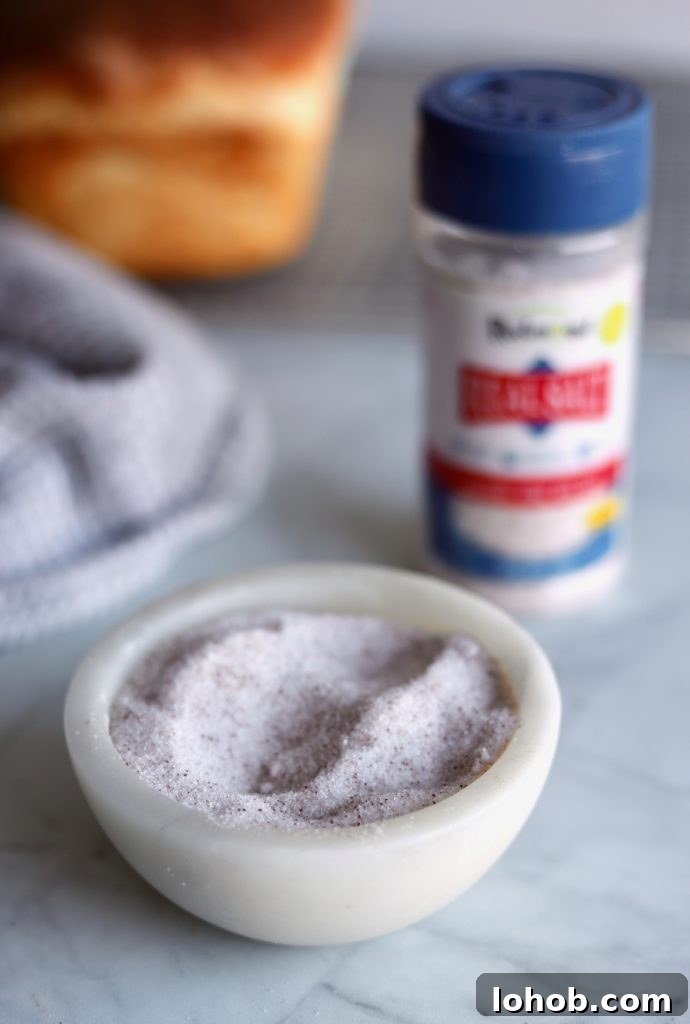
Use a fine sea salt or unrefined salt you prefer. Salt enhances flavor and strengthens the dough. Measure carefully—too much salt can slow fermentation and reduce rise.
WATER
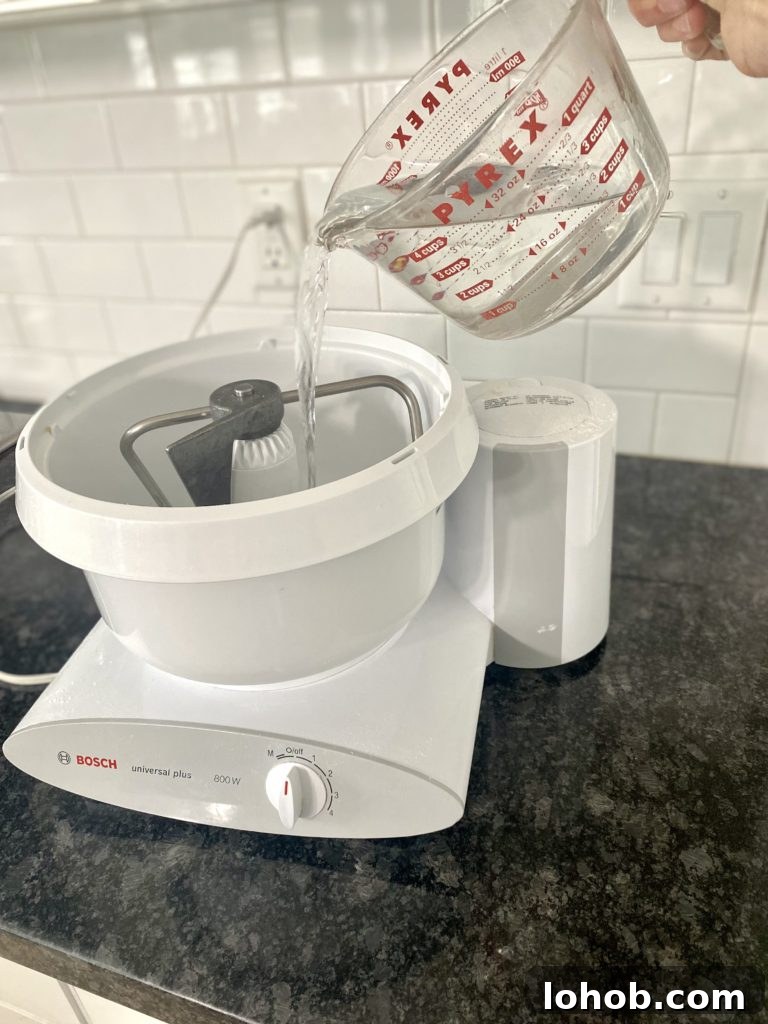
Use room-temperature to slightly warm water. Water that’s too cold slows fermentation; water that’s too hot can weaken or kill yeast. Filtered water is ideal because chlorine can harm delicate yeast strains. If only chlorinated tap water is available, let a cup sit at room temperature for a few hours to dissipate chlorine.
Reverse osmosis or distilled water can work but sometimes lack minerals needed for starter activity; if needed, add a few mineral drops or test using tap water for feeding.
HONEY
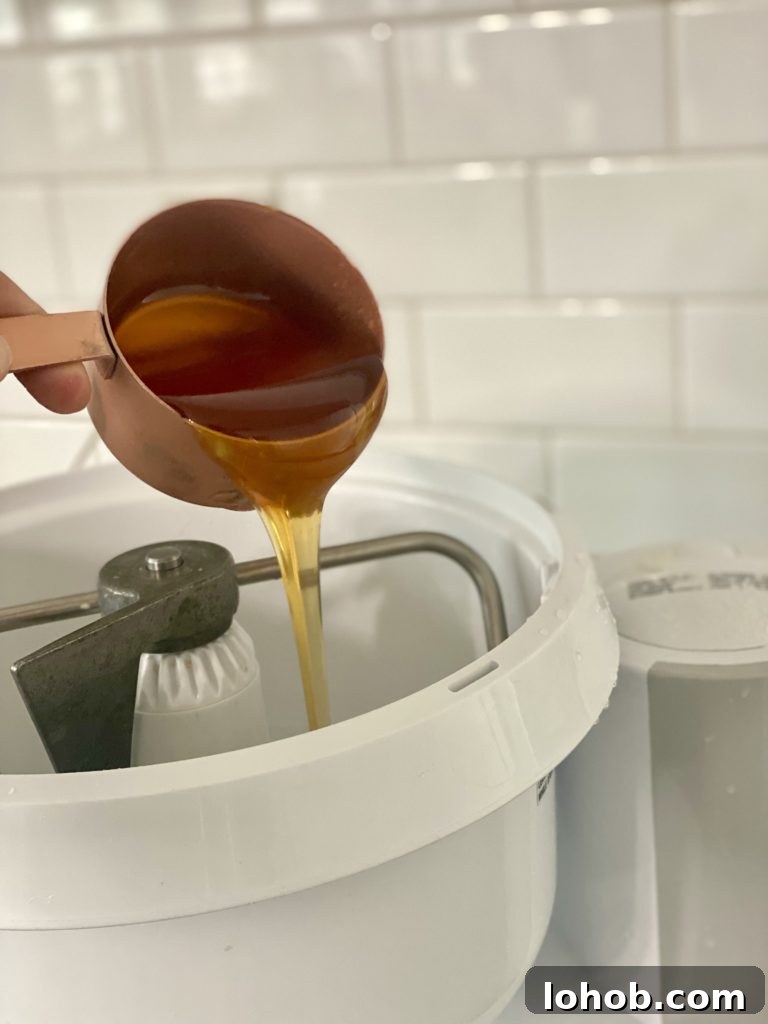
I use honey for flavor and a lower glycemic option. You can swap granulated sugar or coconut sugar if preferred (coconut sugar will darken the crumb). This recipe calls for 3/4 cup honey for three loaves, but you can reduce it to 1/2 or 1/4 cup or omit entirely—the bread will still bake fine but will taste slightly more sour with less sweetener.
EGG
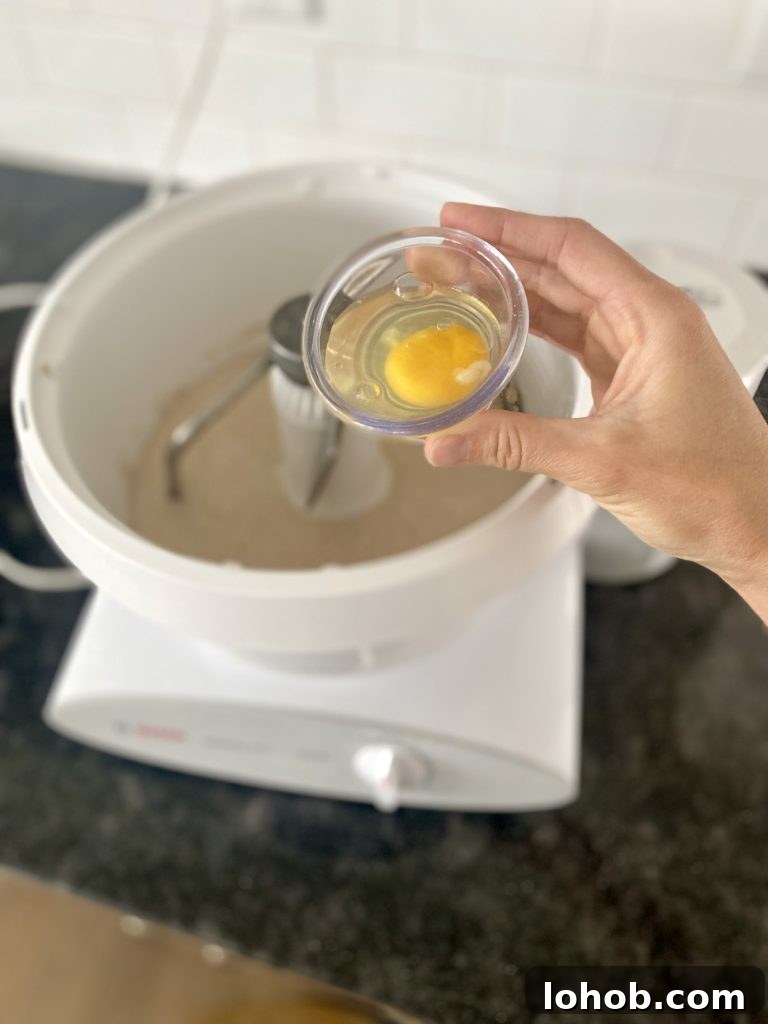
An egg helps keep the crumb soft and prevents crumbliness. If you need an egg-free version, options include:
- Skip the egg entirely.
- Use 1/4 cup aquafaba (chickpea liquid) as an egg substitute.
- Use a flax egg: 1 tbsp ground flaxseed + 2 1/2 tbsp water, let thicken 5 minutes.
If halving the full recipe, you can use a whole egg or omit it—this recipe is forgiving.
COCONUT OIL
I use melted coconut oil for a delicate, soft crumb. It doesn’t impart a coconut taste to the bread. If coconut oil isn’t an option, substitute melted butter, avocado oil, or another neutral oil.
INGREDIENTS BY WEIGHT
For those who prefer weights:
Water: 578 g (2.5 cups)
Honey: 235 g (3/4 cup)
Active starter: 400 g (2 cups, stirred down)
Salt: 16 g (1 tbsp)
Egg: 52 g (1 large)
Coconut oil: 71 g (1/3 cup)
Flour: 1320 g (about 8–8.5 cups)
SAMPLE SCHEDULE
Sourdough timing takes practice. Here’s an example schedule that works well:
Monday 10 PM: Feed starter (1/2 cup starter + 2 cups flour + 2 cups water, 1:4:4). Mix to a thick pancake-batter consistency and mark the jar. Let sit overnight.
Tuesday 7:00 AM: Starter should be doubled and bubbly. If not, feed again.
7:15 AM: Make the dough following the recipe below.
7:30 AM: Cover dough and let rise until doubled.
12:30 PM: When doubled, divide into three, shape, and place in greased loaf pans. Let rise again until doubled.
3:30 PM: Bake at 375°F for 30–35 minutes or until internal temperature reaches 180°F. Cool on racks.
5:15 PM: Slice and enjoy once cooled. Store in plastic twist-tie bags at room temperature for several days or freeze extras.
INGREDIENTS FOR A SINGLE LOAF (BY WEIGHT)
1 cup water (227 g)
2/3 cup starter (129 g)
1/4 cup honey (71 g)
2 tbsp coconut oil (26 g)
1 tsp salt (7 g)
3 cups + 2 tbsp flour (421 g)
Notes: Knead the small batch by hand rather than with a large mixer. This single-loaf version omits the egg for convenience.
CAN I REFRIGERATE OR FREEZE THE DOUGH?
I don’t recommend freezing raw dough—results are inconsistent. Refrigeration works well: after the first bulk rise, place the dough in an airtight container and refrigerate 12–48 hours for a long ferment. When ready, shape into loaves, bring to room temperature, let rise until nearly doubled, then bake.
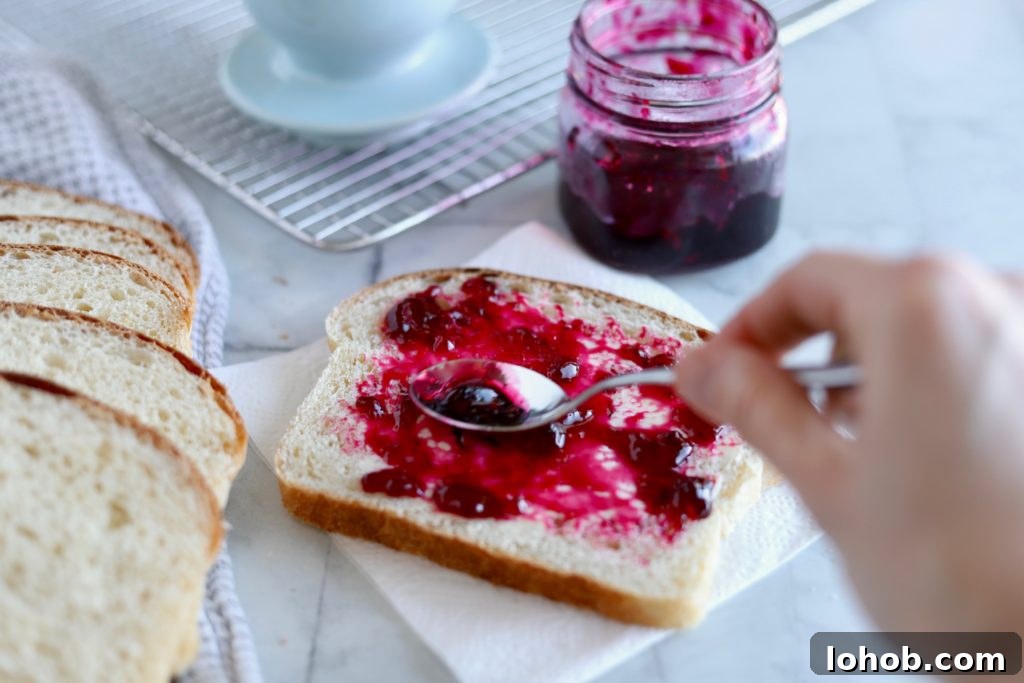
HOW DO YOU STORE THIS BREAD?
Cool loaves completely before slicing. Store at room temperature in plastic twist-tie bags for 3–5 days depending on climate; in dry climates it will last longer. Freeze loaves you won’t use within a few days and defrost at room temperature—avoid microwaving, which dries the bread.
OTHER WAYS TO USE SOURDOUGH
Once you’re comfortable with sourdough, it becomes a versatile staple. Use your starter and leftover dough to make pancakes, crackers, pizza crust, and more.
WHAT OTHERS ARE SAYING






Natural Yeast Sourdough Sandwich Bread
Ingredients
- 2.5 cups warm water 578 grams
- 2 cups active bubbly starter 400 grams, stirred down
- 3/4 cup honey 235 grams
- 1 egg 52 grams
- 1/3 cup melted coconut oil 71 grams
- 1 Tablespoon salt 16 grams
- 8 to 8.5 cups unbleached bread flour or unbleached all-purpose flour 1320 grams
Instructions
- Activate your starter so you have at least 2 cups of bubbly starter. It should be doubled and full of bubbles before you begin.
- In a large bowl or mixer, combine starter with water, honey, oil, egg and salt. Mix gently to combine.
- Add flour one cup at a time while mixing. Stop when the dough pulls away from the bowl, is tacky but not sticky to the touch.
- Knead 5–15 minutes until smooth and elastic, by hand or with a mixer. The dough should be tacky, not overly sticky or dry.
- Cover and let the dough rise until doubled in size. A warm spot (72–75°F) helps the rise.
- When doubled, divide into three portions, shape tightly, and place in greased loaf pans (1.5 quarts, 8×4 or 9×5 inches).
- Cover and let rise again until doubled. This may take 3–12 hours depending on starter strength and temperature.
- Bake at 375°F for 30–35 minutes or until internal temperature reaches 180°F. If tops brown too quickly, tent with foil and add two minutes to bake time.
- Remove loaves from pans and cool on a rack for at least one hour before slicing.
- Store in plastic twist-tie bags. Freeze loaves you won’t use within 4–5 days.
Notes
Single loaf sourdough sandwich bread:
1 cup water (227 g) · 2/3 cup starter (129 g) · 1/4 cup honey (71 g) · 2 tbsp coconut oil (26 g) · 1 tsp salt (7 g) · 3 cups + 2 tbsp flour (421 g)
Note: For small batches, knead by hand rather than in a large mixer. The single-loaf version omits the egg for simplicity. Baking time may be slightly shorter for one loaf. Always rely on how the dough feels—tacky but manageable—when adjusting flour.
Sample Schedule
Feed starter the night before (1:4:4), bake the next afternoon following the timing above. If starter hasn’t peaked, feed again and wait until it’s doubled and bubbly before starting dough.