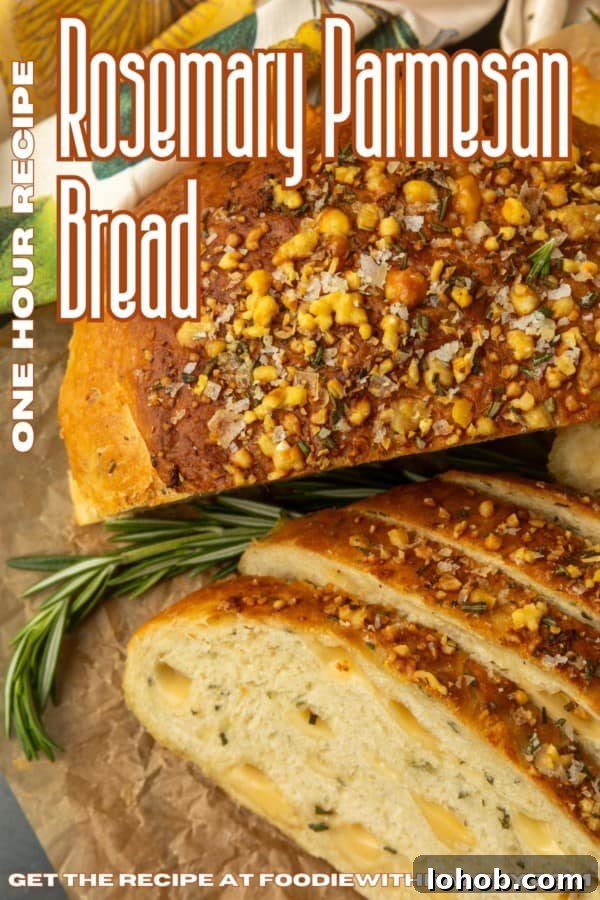
This crusty rosemary Parmesan bread bakes from start to finish in about one hour. It’s packed with Parmesan, fresh rosemary, and garlic—perfect for serving with dinner while saving a loaf for the freezer.
Read on to learn how to have this aromatic, crunchy-on-the-outside, tender-on-the-inside bread on your table in approximately 60 minutes.
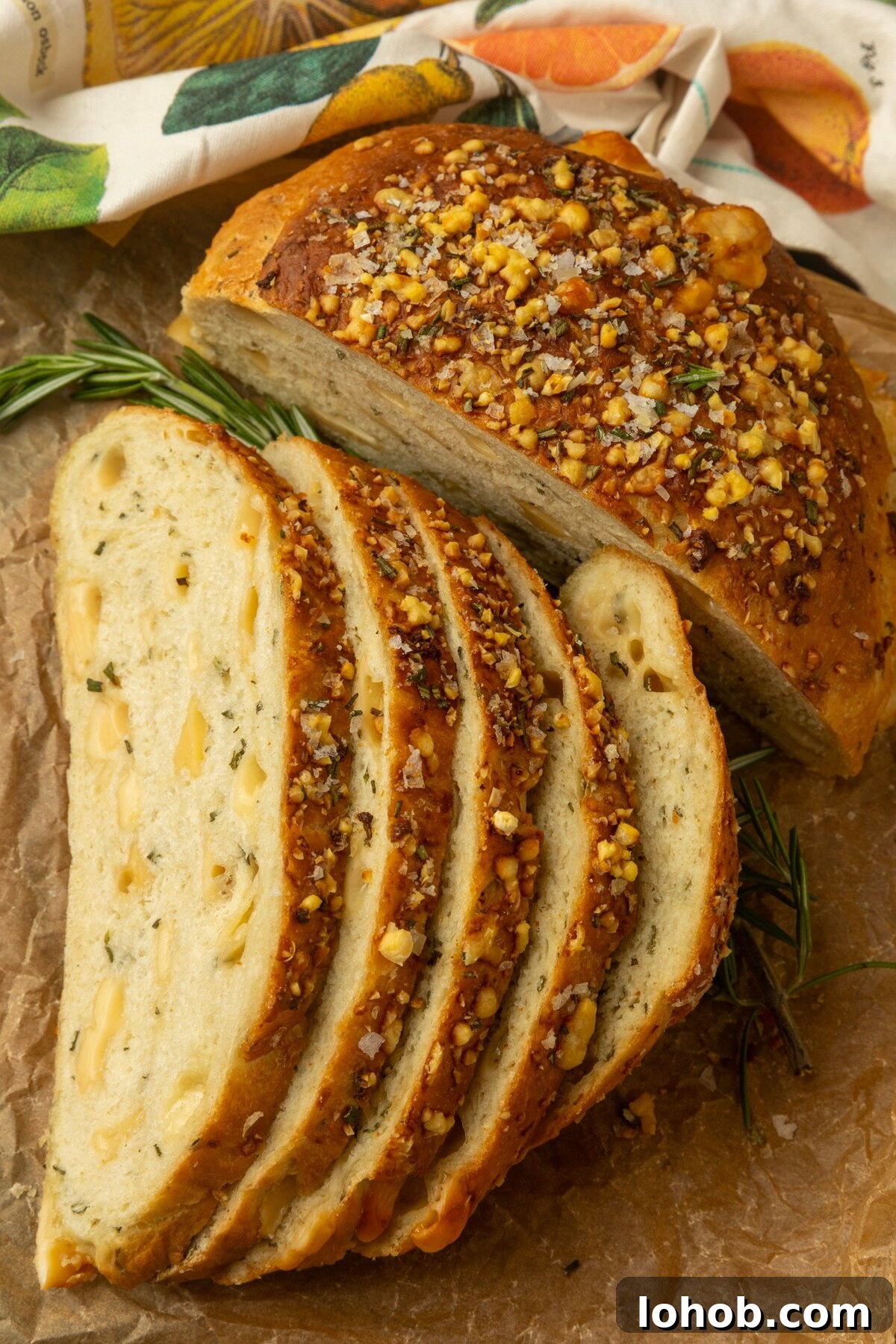
Rosemary Parmesan Bread
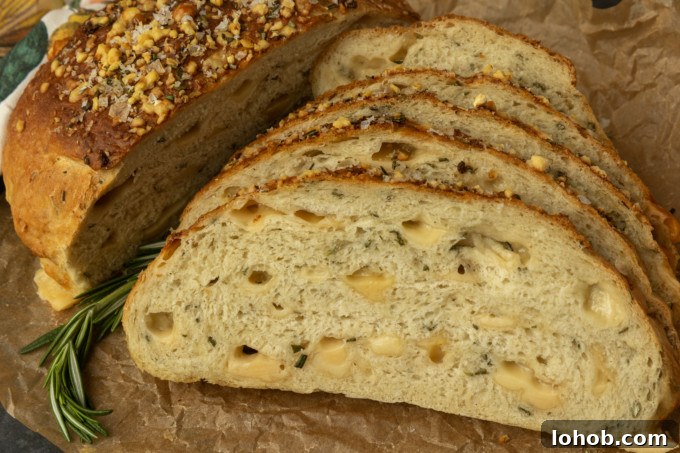
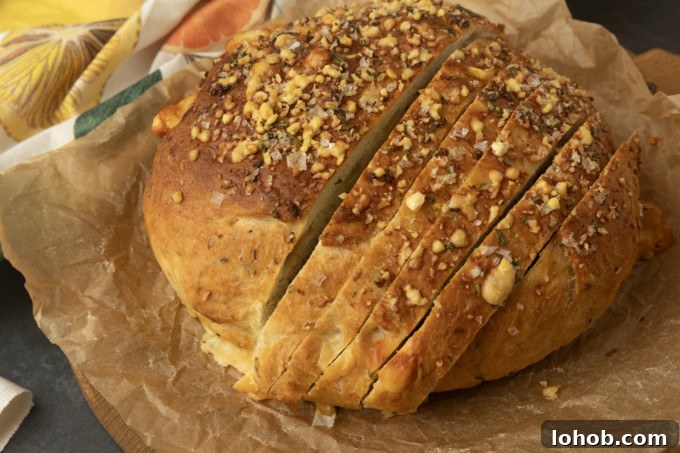
The deep golden crust, brushed with garlic olive oil and sprinkled with toasted Parmesan, fresh rosemary, and coarse sea salt makes this bread irresistible. Inside, the crumb is chewy and studded with pockets of melted Parmesan and flecks of minced rosemary for intense flavor in every bite.
This loaf pairs beautifully with soups and stews, makes fantastic toast for breakfast, and is an excellent companion for salads and roasted vegetables. It’s also perfectly satisfying eaten on its own if you prefer to make bread the main event.
One Hour Bread
Yes—the one-hour timeframe is accurate. This recipe is part of a style of quick artisan loaves that use higher oven heat and steam to yield a crisp crust and open crumb without long bulk fermentation. With a very short rise and a hot, steamy bake, you can take simple ingredients and turn them into two impressive loaves in about an hour.
If you’re short on time but still crave fresh-baked bread, this approach delivers authentic flavor and texture without the days-long commitment of sourdough projects.
Rosemary Garlic Bread
The aroma while baking is one of the recipe’s best features: strong rosemary, toasty Parmesan, and warm garlic fill the kitchen. This loaf uses both granulated garlic in the dough and fresh garlic in an oil wash on top. The granulated garlic won’t interfere with yeast activity, while the fresh garlic brushed on before baking gives a bold, fragrant finish.
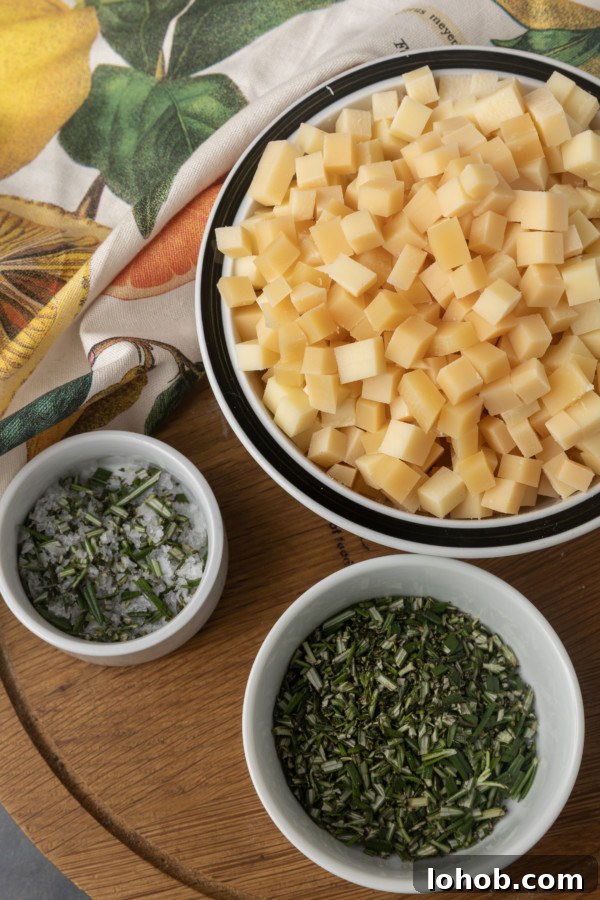
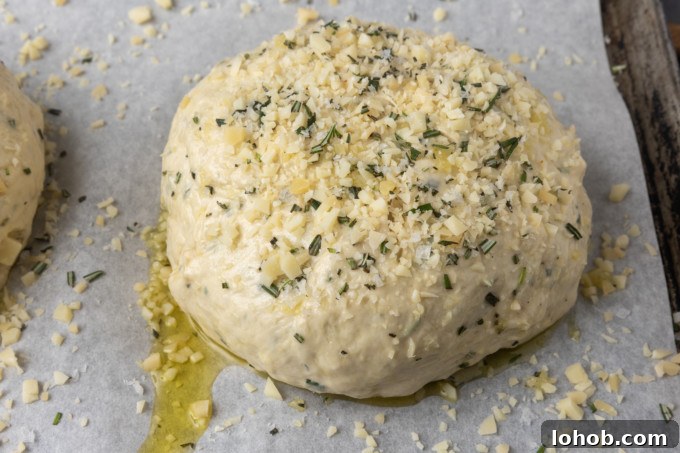
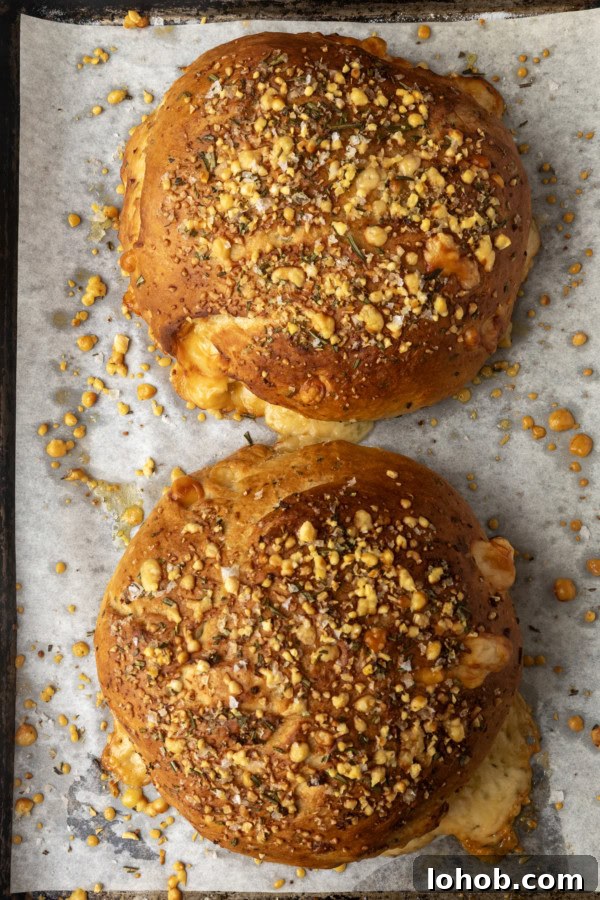
If fresh rosemary isn’t available, substitute about 1 tablespoon dried rosemary for the 1/4 cup fresh called for. Crush the dried leaves lightly before adding so they don’t create sharp pieces in the dough. I recommend using fresh rosemary for the topping; dried leaves can be scratchy and don’t toast the same way.
Garlic Parmesan Bread
This bread shines with the triumvirate of rosemary, garlic, and Parmesan. Bread flour (high-gluten) is recommended for the best chew and structure. All-purpose flour will work in a pinch, but expect a slightly softer, less elastic dough that may tear more easily when shaping.
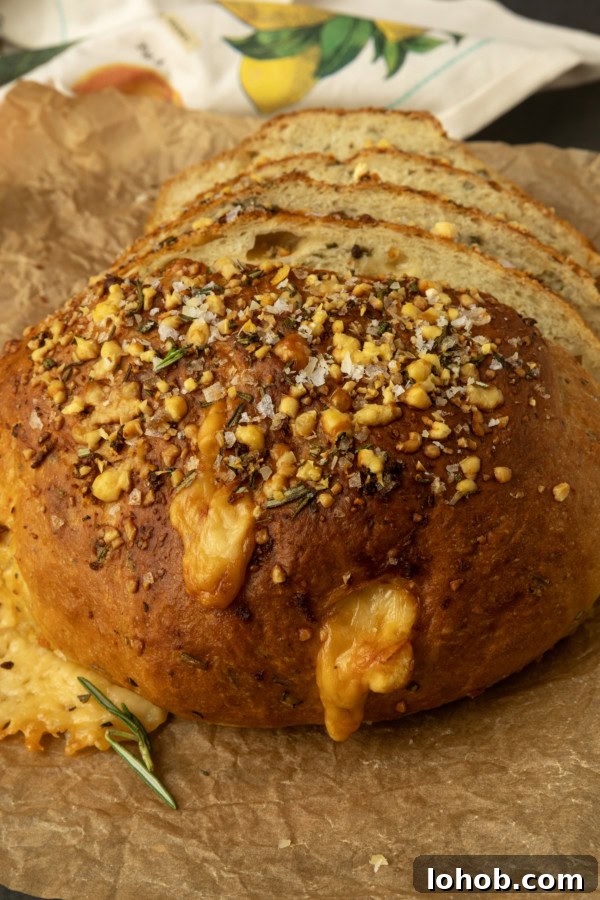
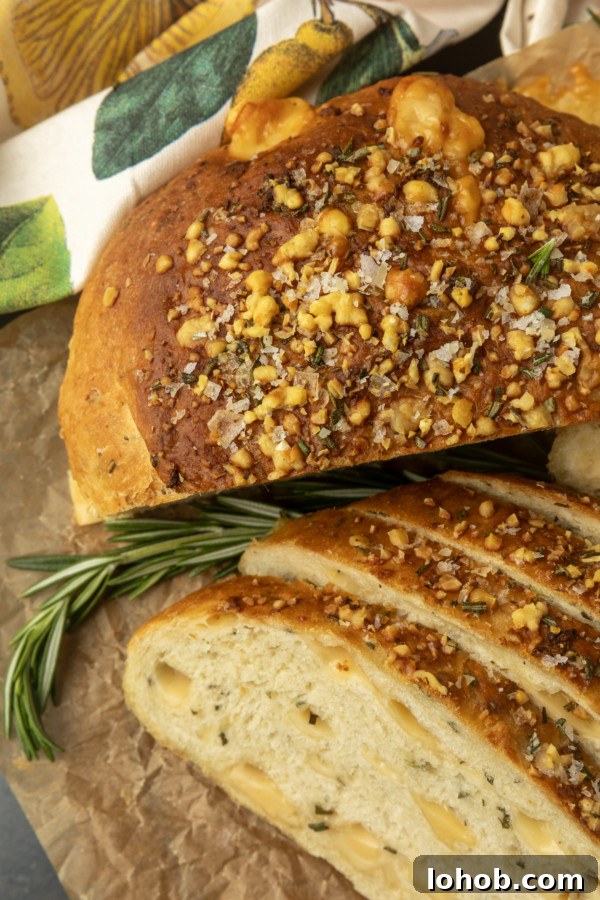
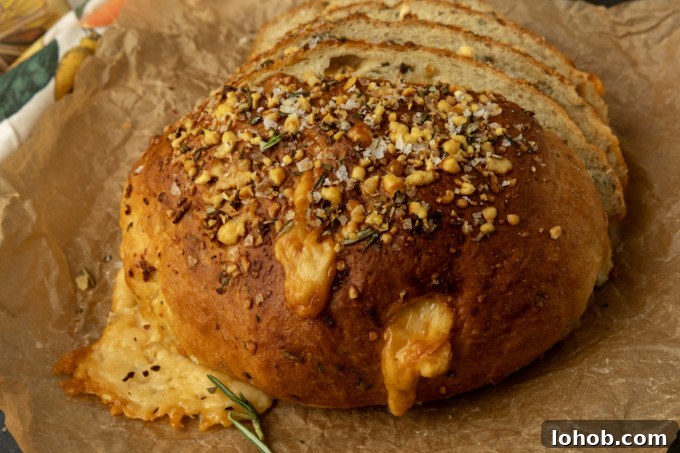
Don’t worry if the dough tears slightly while forming the loaves—Parmesan cubes have corners that sometimes poke through. Aim to keep the dough intact as much as possible. The final loaves will have a rustic look with melted cheese leaks that crisp against the pan.
A key tip: resist slicing into a just-baked hot loaf unless you plan to eat it all within a couple of hours. Bread continues to set as it cools, and slicing too soon can cause the crumb to be gummy and the cheese to run. Warm slices are wonderful, but letting the loaf cool completely yields the best texture.
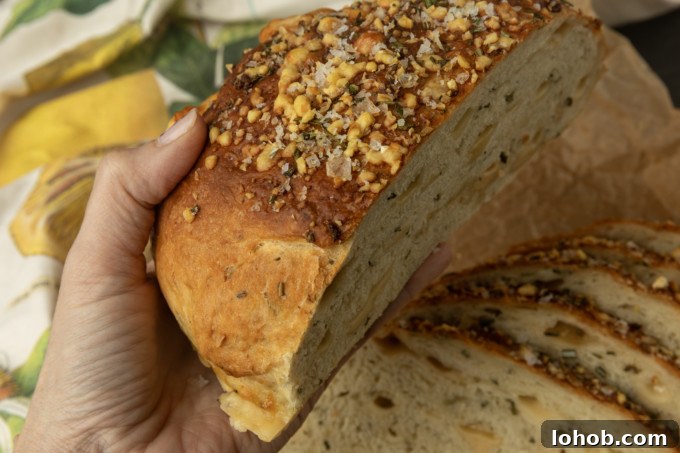
If you prefer milder pockets of flavor, use grated Parmesan instead of diced cubes—still delicious, but less dramatic eruptions of cheese. The crispy browned bits around the crust are especially tasty—consider keeping them all to yourself.
To reheat slices, avoid a regular pop-up toaster which can be rough on the cheese. For best results, warm slices briefly in a skillet with a little butter or olive oil, or heat under a hot broiler for just a minute or two to re-melt the cheese and refresh the crust.
Rosemary Parmesan Bread
Ingredients
- 6 cups high-gluten flour (bread flour; about 1 lb 9.5 oz by weight)
- 2 cups warm water
- 1/4 cup fresh rosemary, minced and divided (reserve 1 tsp for garnish)
- 2 tablespoons instant yeast
- 2 tablespoons sugar or mild honey
- 2 tablespoons kosher salt
- 1 teaspoon granulated garlic
- 12 ounces Parmesan cheese, cut into 1/4-inch cubes, divided (reserve 1/3 cup for garnish)
- 2 tablespoons extra virgin olive oil
- 2 cloves garlic, peeled and minced or pressed
- 2 teaspoons coarse sea salt flakes (optional)
Instructions
-
DO NOT preheat the oven. This method depends on starting the loaves in a cold oven so they bloom as the oven heats.
-
Boil a kettle of water. Line a half-sheet pan with parchment or a silicone liner and set aside.
-
In a large bowl or stand mixer with a dough hook, combine the flour, warm water, minced rosemary (reserve a bit), instant yeast, sugar, kosher salt, and granulated garlic. Mix until a shaggy dough forms. Knead in the mixer 4 minutes or by hand on a lightly floured surface for about 10 minutes. Return the dough to the bowl, cover with a clean towel, and let rest 15 minutes.
-
Turn the dough onto the counter and divide into two equal portions. Pat each portion into a rough rectangle. Scatter about 1/2 cup Parmesan cubes over each rectangle and press the cubes into the dough.Fold both long edges toward the center, scatter the remaining Parmesan (keeping 1/3 cup aside for topping), press in, fold again, then flip seam-side down and gently shape into rounds.Cup your hands and rotate each round on the counter to tighten the surface. Transfer the rounds to the prepared sheet pan, leaving plenty of room for expansion.
-
Mix the olive oil with the minced fresh garlic to make an oil wash. Roughly chop the reserved Parmesan cubes into small bits the size of panko crumbs. Combine the reserved minced rosemary with coarse sea salt if using, and set these toppings aside.
-
Press each round lightly to flatten the top, then brush generously with the garlic olive oil. Score an X across the top with a sharp knife. Sprinkle the chopped Parmesan and rosemary-salt mix over the loaves.
-
Place the sheet pan in the center of the COLD oven. Put a small cake pan on the rack below and carefully fill it with the boiling water to create steam. Close the oven and immediately set the temperature to 400°F (204°C). Bake for 40 minutes.After 40 minutes, remove the pan and cool the loaves completely before slicing to allow the crumb to set.
Notes
Nutrition
Nutritional information is an estimate. Calculate using your exact ingredients if you need precise values.