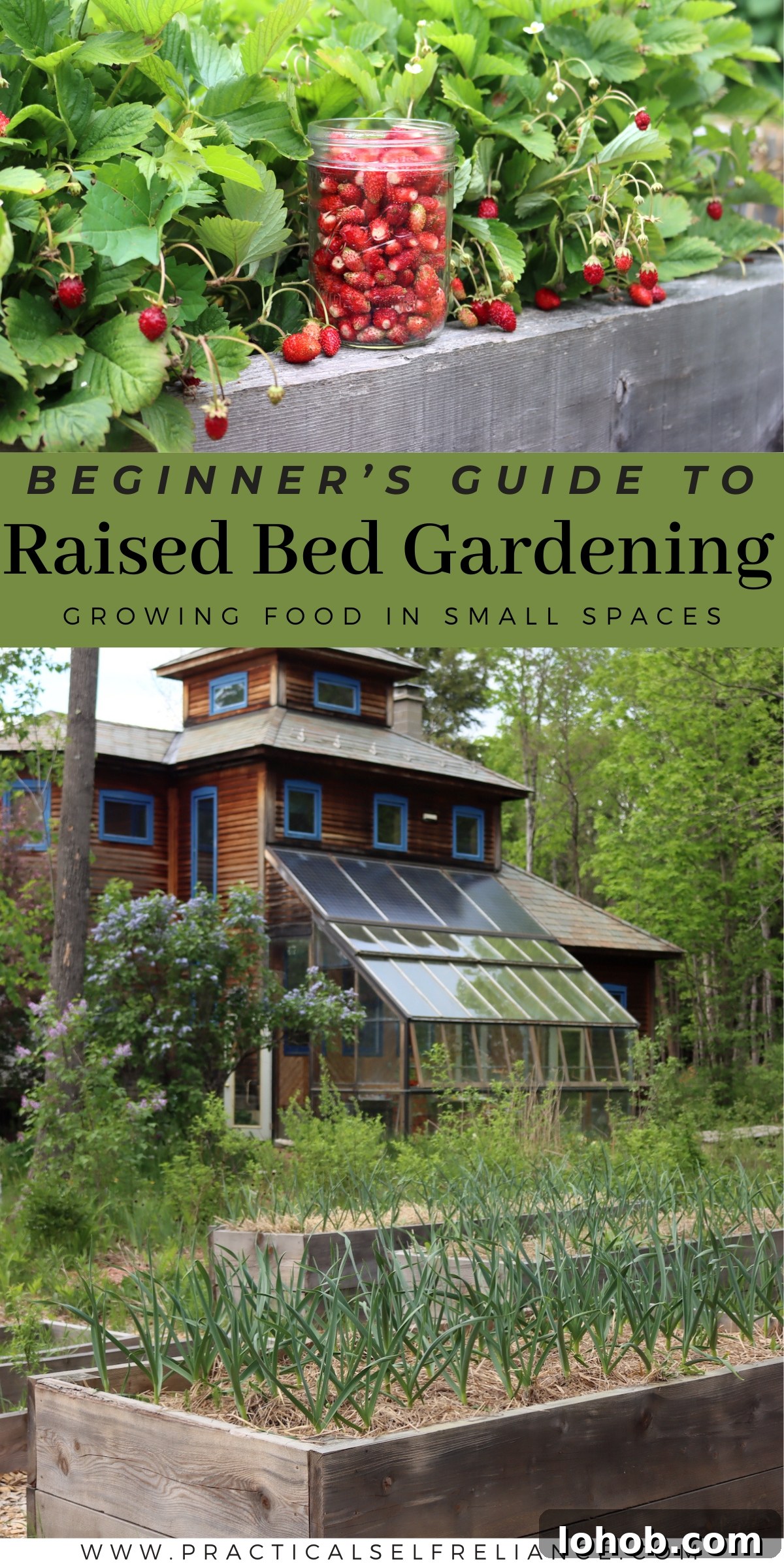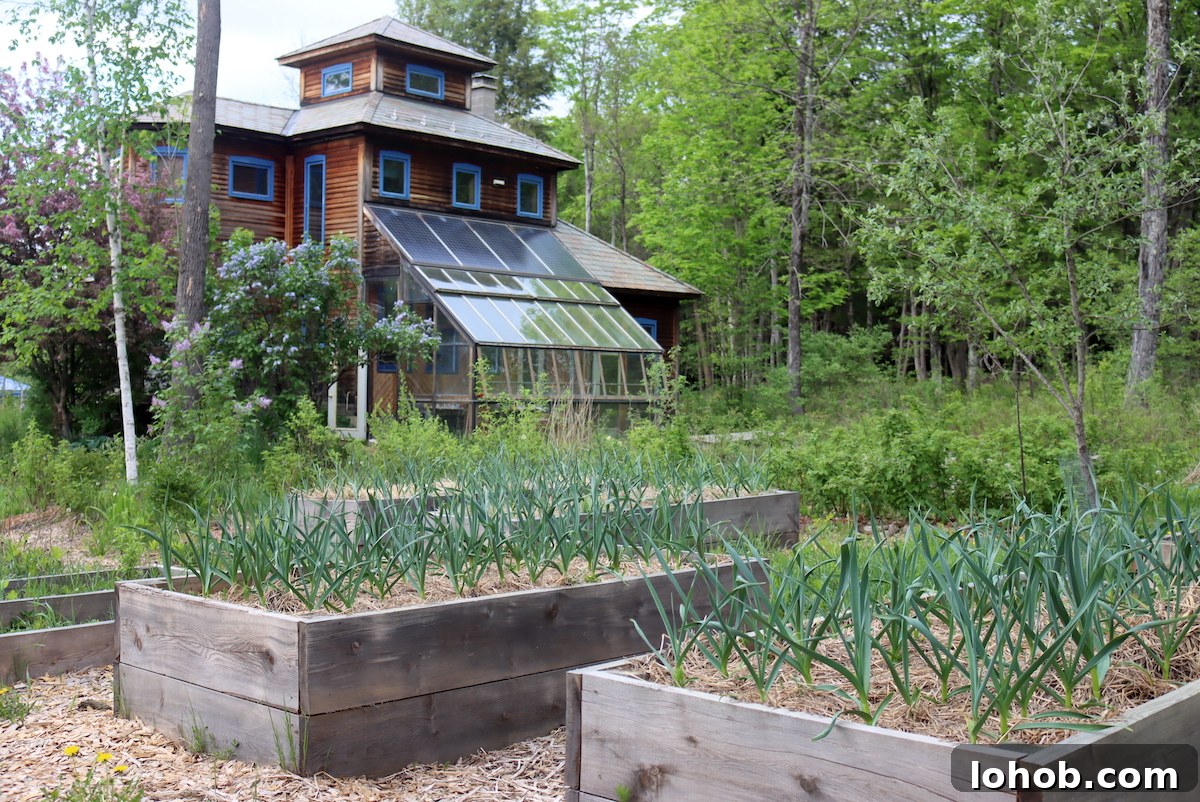
Raised bed gardening is an approachable way to start growing your own food, particularly for beginners. These contained beds make it easier to manage soil, weed, water, and maintain plants with far less effort than traditional in-ground gardening.
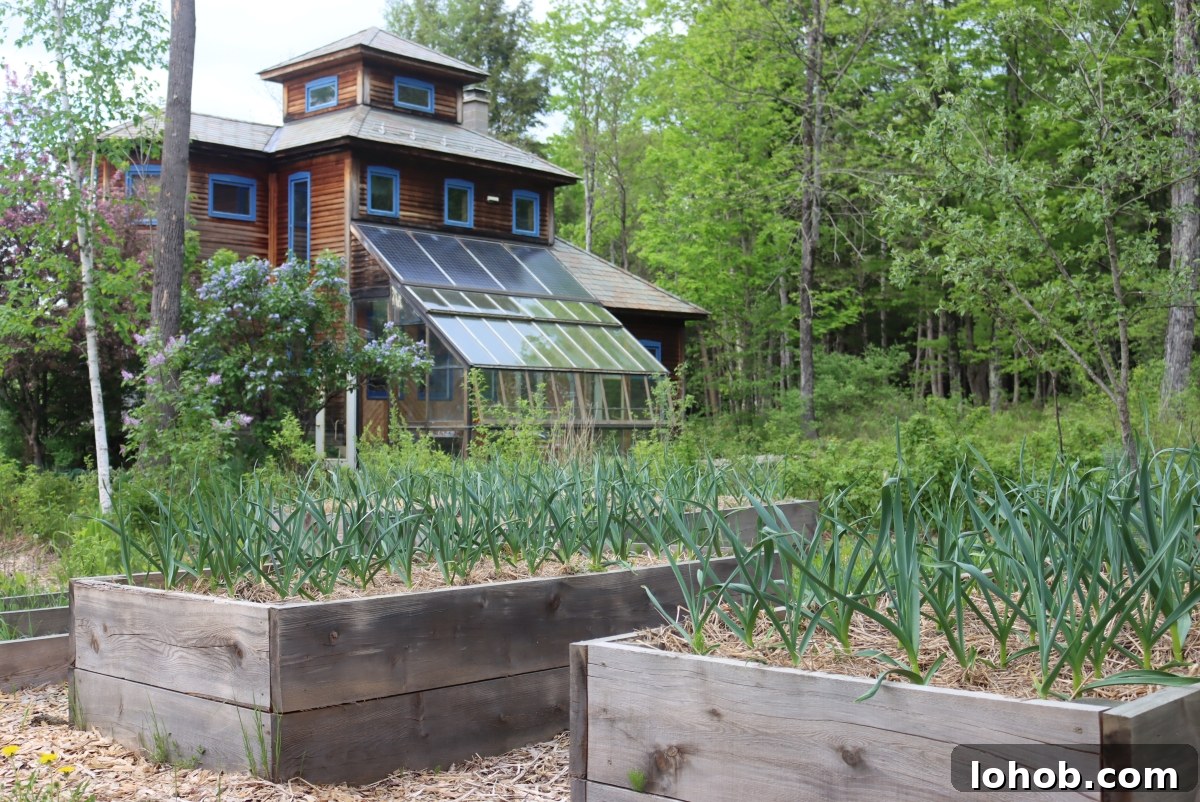
Raised beds are one of the most popular backyard gardening options, ideal for poor native soils or limited space. By using raised beds you gain control over your soil quality, which is often the difference between a failing and a thriving garden.
In our garden we started with heavy clay and poor drainage that made growing vegetables nearly impossible. Once we installed raised beds everything became easier; we now grow much of our own food with far less effort.
Raised bed gardening also requires minimal equipment. If you begin with good soil, those beds can support productive planting for many years with only modest additions each season. The upfront investment in materials and soil pays off over time.
Another advantage is that raised beds are easier on the body. Elevated beds reduce bending, kneeling, and stooping, making gardening more accessible to people of all ages and abilities.
Benefits of Raised Bed Gardening
Raised beds provide many advantages for home gardeners:
- Better soil control: You can customize the soil mix and avoid compacted or nutrient-poor native soil.
- Fewer weeds: Contained soil reduces the number of weed seeds that invade from surrounding areas.
- Improved drainage: Beds drain more efficiently, lowering the risk of root rot from standing water.
- Higher yields: With improved soil and growing conditions, you can often produce more food in less space.
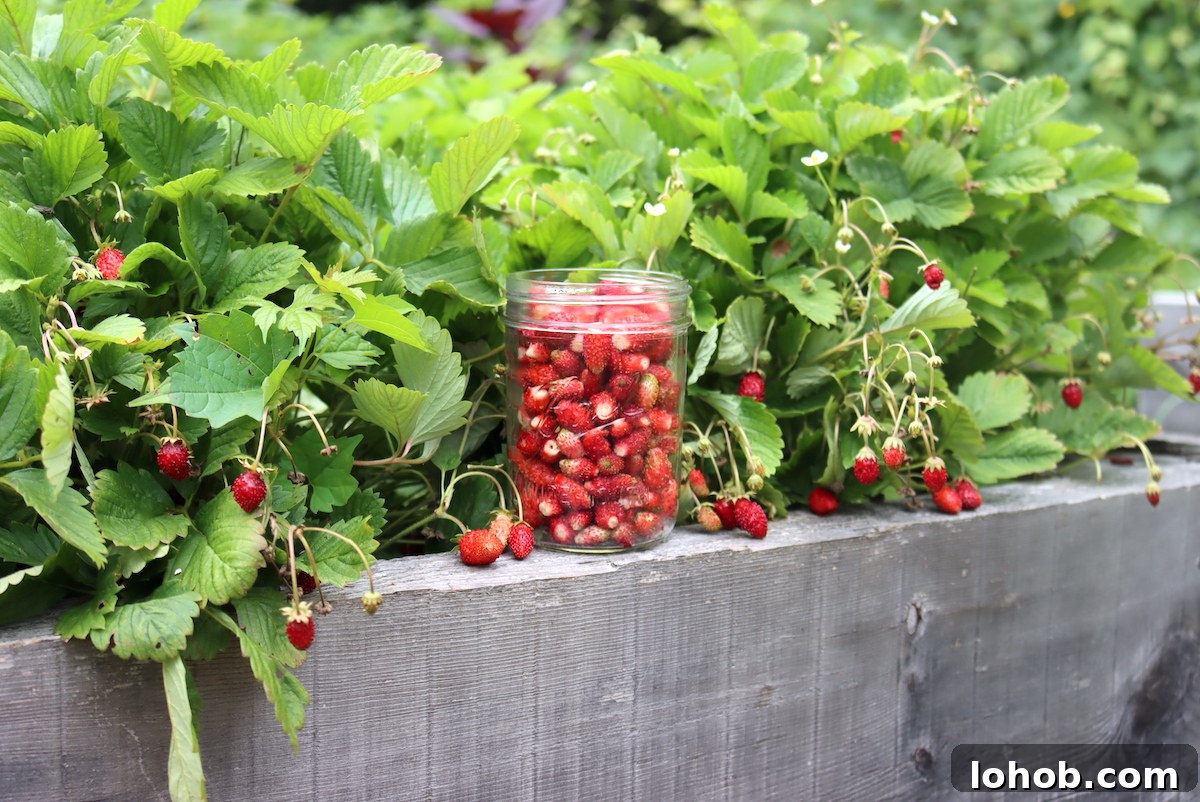
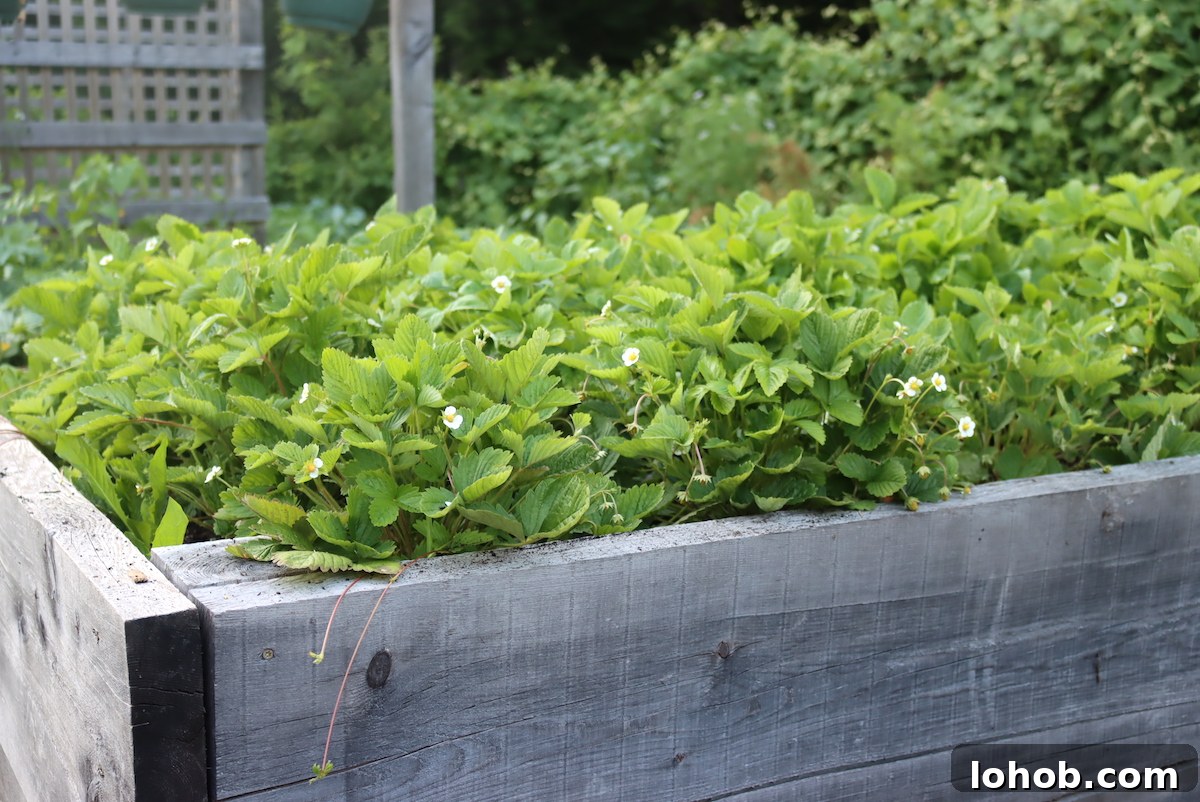
- Extended season: Raised beds warm earlier in spring, allowing earlier planting and faster fruit set for some perennials like strawberries.
Downsides of Raised Bed Gardening
There are a few considerations to keep in mind:
- Increased watering needs: Well-drained beds can dry out faster and may need more frequent watering in hot, dry weather. In our Vermont garden, frequent rain makes this less of an issue.
- Higher soil temperatures: In hot climates raised bed soil can become quite warm, which benefits heat-loving crops but can stress cool-season plants.
- Initial cost: Building beds and filling them with quality soil requires an upfront investment in materials and amendments.
Types of Raised Beds
Raised beds can be built from many materials. Common options include:
Wooden Raised Beds
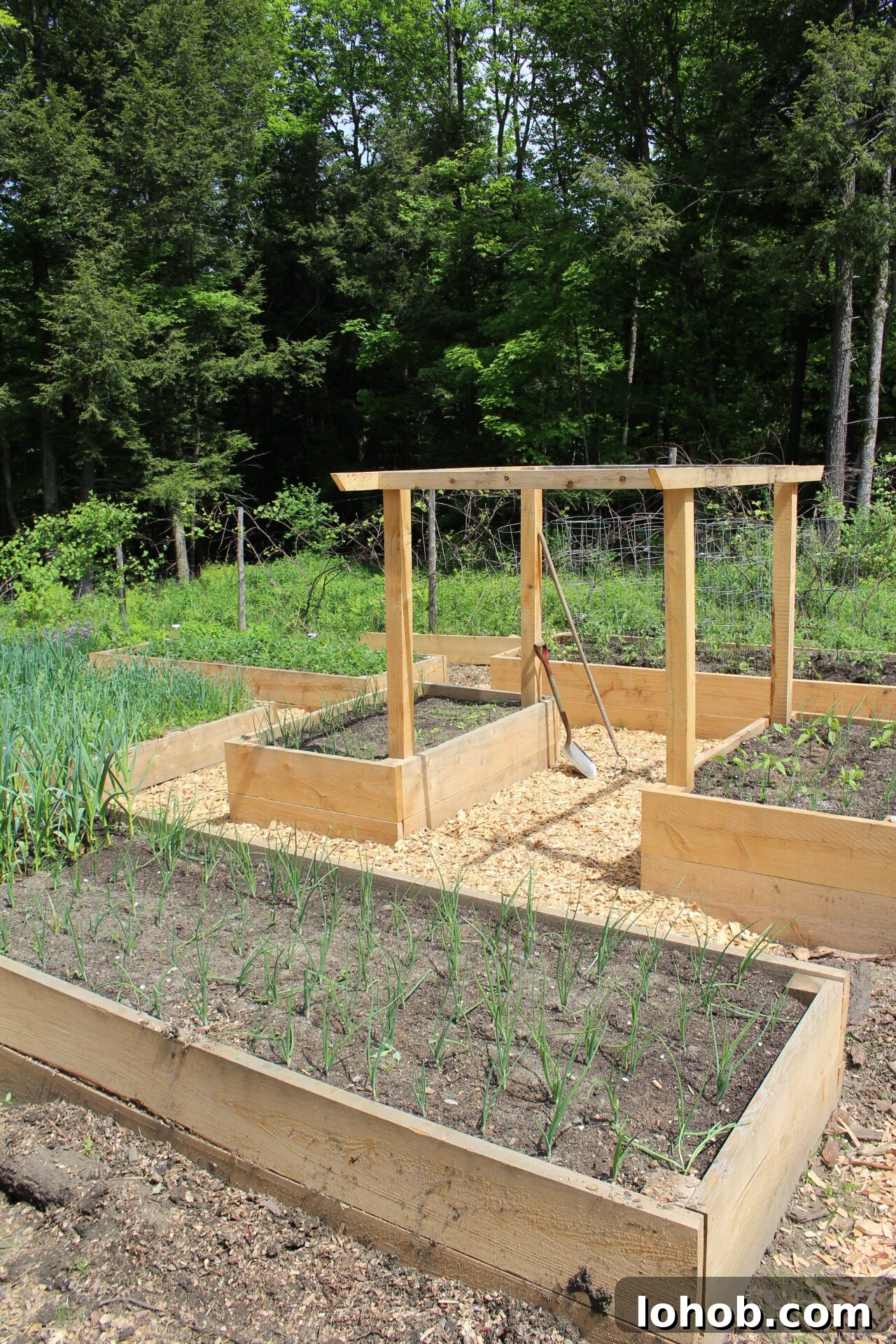
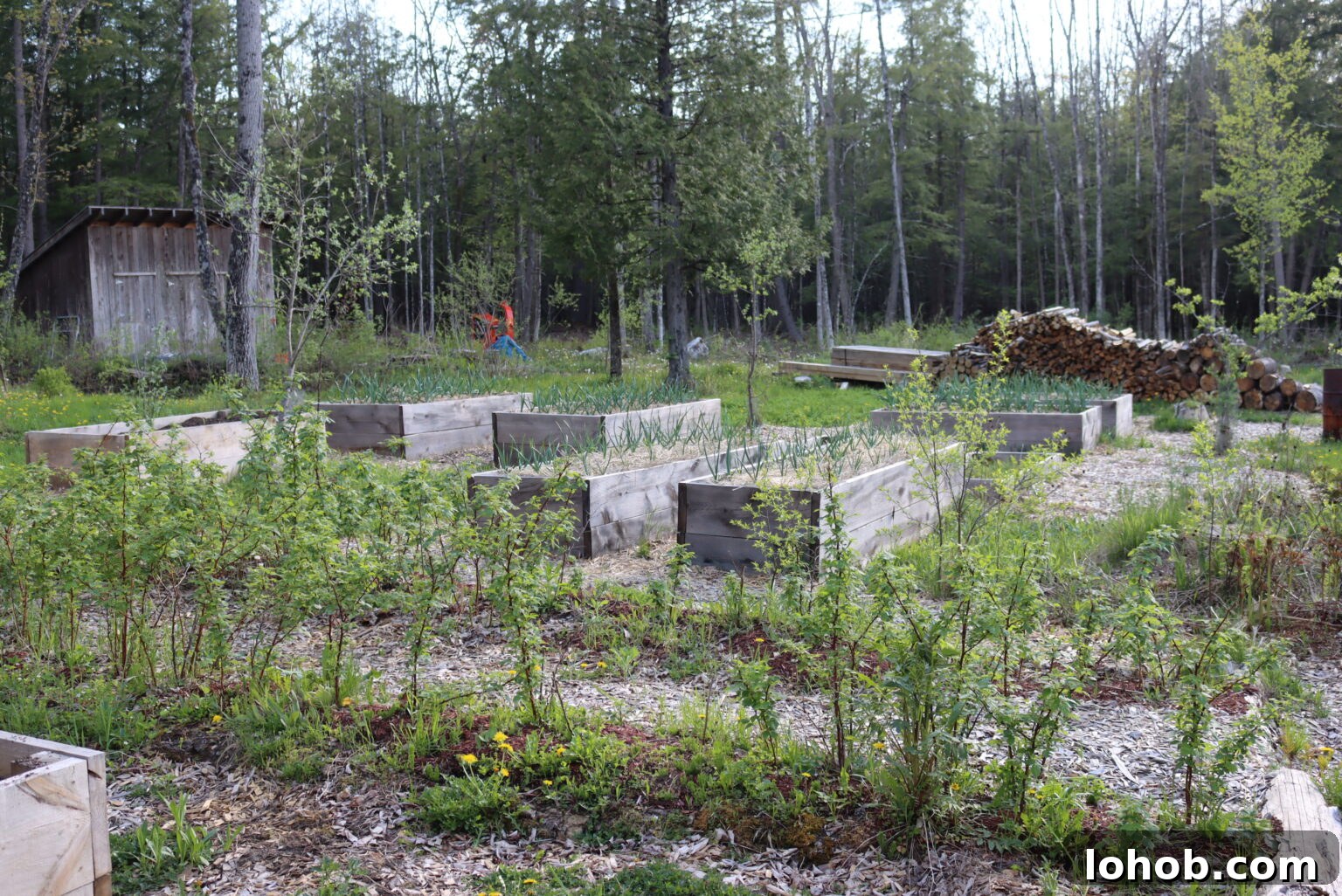
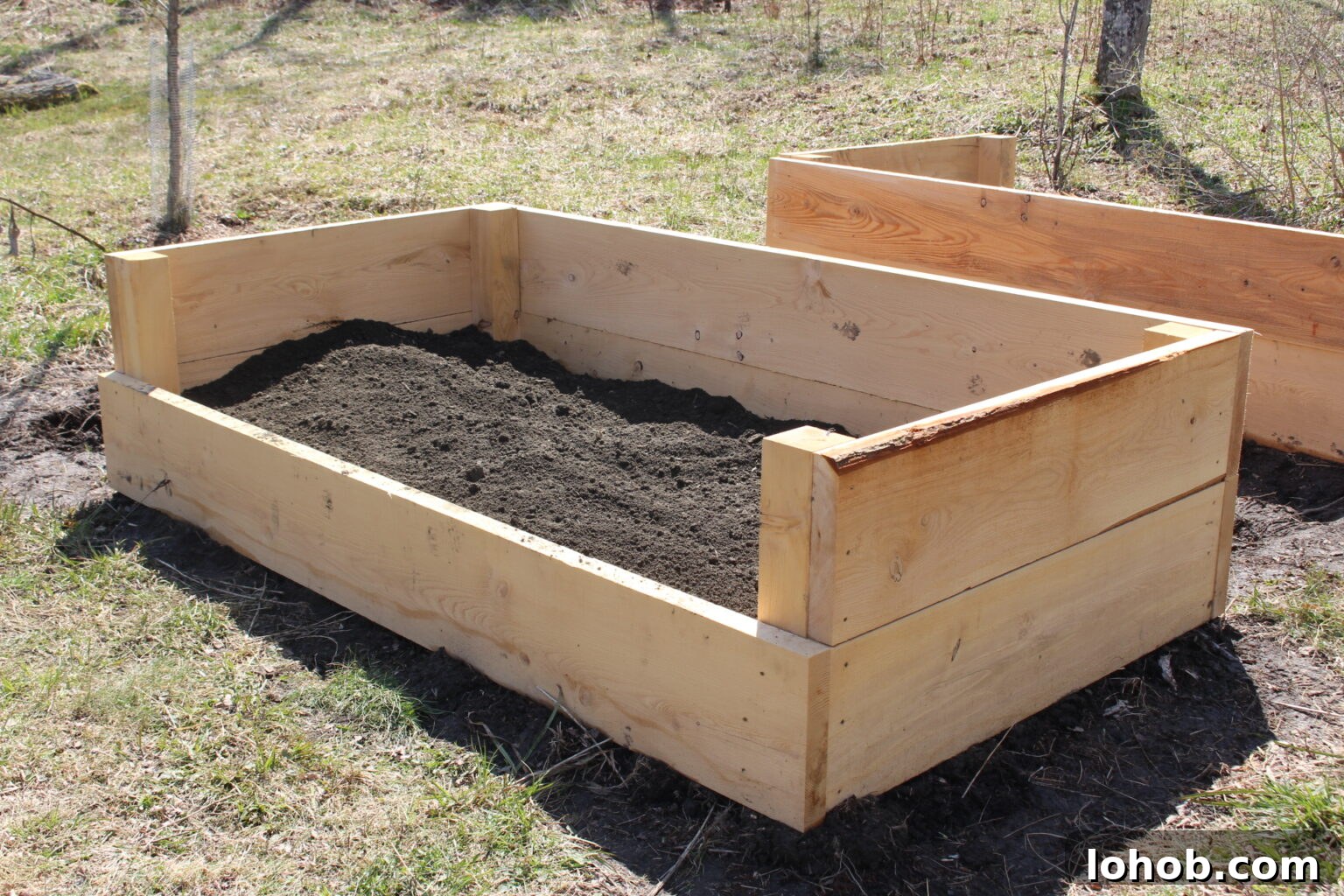
Wood is affordable and attractive. Cedar and redwood resist rot naturally. We use rough-sawn hemlock from a local mill and after five years the beds remain in great condition. Thicker boards last longer; our 2-inch boards should give a decade of service.
Metal Raised Beds
Galvanized steel and corrugated metal are durable and pest-resistant. Over time galvanization may wear and rust can develop. Metal edges can be sharp, so consider safety and coatings if you plan to grow food.
Brick or Stone Beds
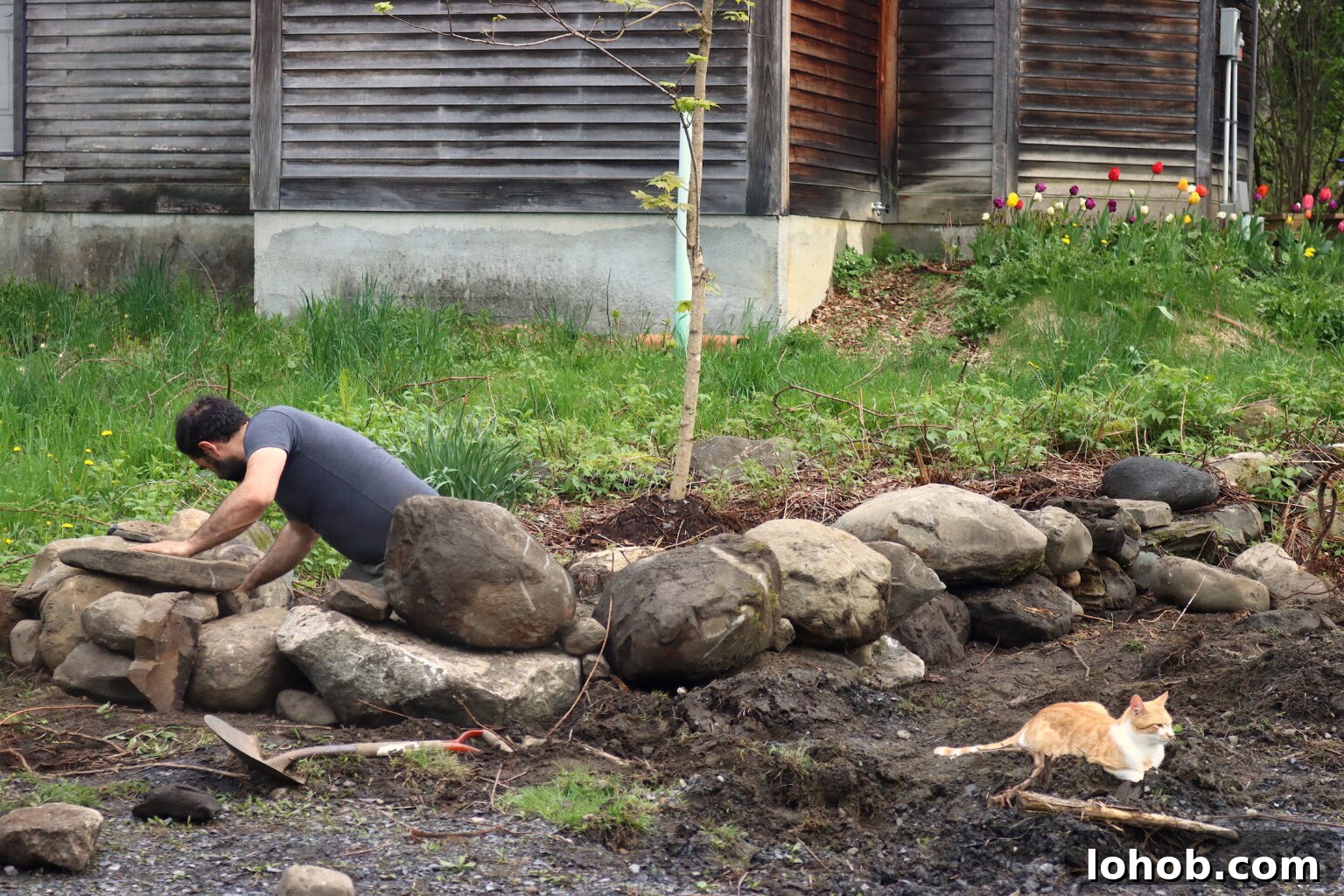
Stone and brick create permanent, attractive beds but can be more expensive or labor intensive to build. If you have access to fieldstone, reusing it is a practical option—we’ve used stones pulled from our soil to build several beds.
Fabric Grow Bags
Fabric grow bags are portable and budget-friendly, ideal for renters or temporary setups. They come in various sizes and are useful for small spaces or apartment balconies.
Best Raised Bed Size
A practical width is 4 feet, which allows you to reach the center from either side without stepping into the bed. Lengths of 6 to 8 feet are common. Depth between 12 and 18 inches supports most crops; if your native soil is shallow, opt for 18–24 inches. We stacked 12-inch boards to make 24-inch deep beds where needed.
How to Fill Raised Beds
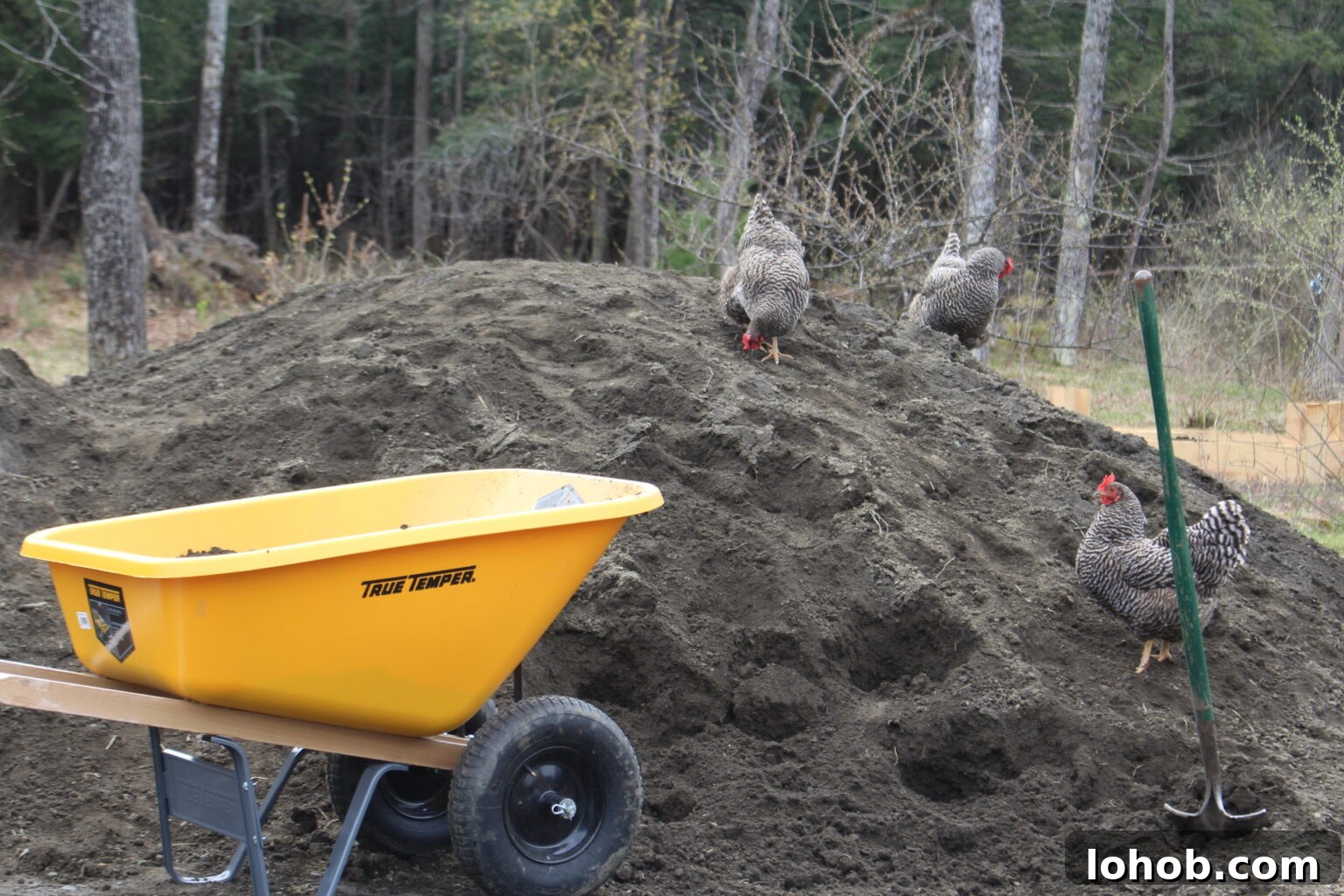
A balanced soil mix is essential. Avoid making the bed overly compost-heavy, which can create nutrient imbalances. A reliable blend is 50% topsoil, 30% compost, and 20% aeration material (peat, coir, perlite, or sand) to ensure nutrients, drainage, and root space. For large projects we used a simple 50/50 topsoil and compost mix with good results.
For acid-loving plants like blueberries and cranberries, add peat or other acidic amendments. Most heat-loving crops (tomatoes, peppers, cucumbers) prefer slightly acidic soil, while many cool-season crops (beets, salad greens, broccoli) tolerate or prefer a slightly higher pH; wood ash can help raise pH if needed.
Choosing What to Grow in Raised Beds
Select crops that match the space, soil depth, and moisture conditions of raised beds. Many vegetables, herbs, and berries do especially well.
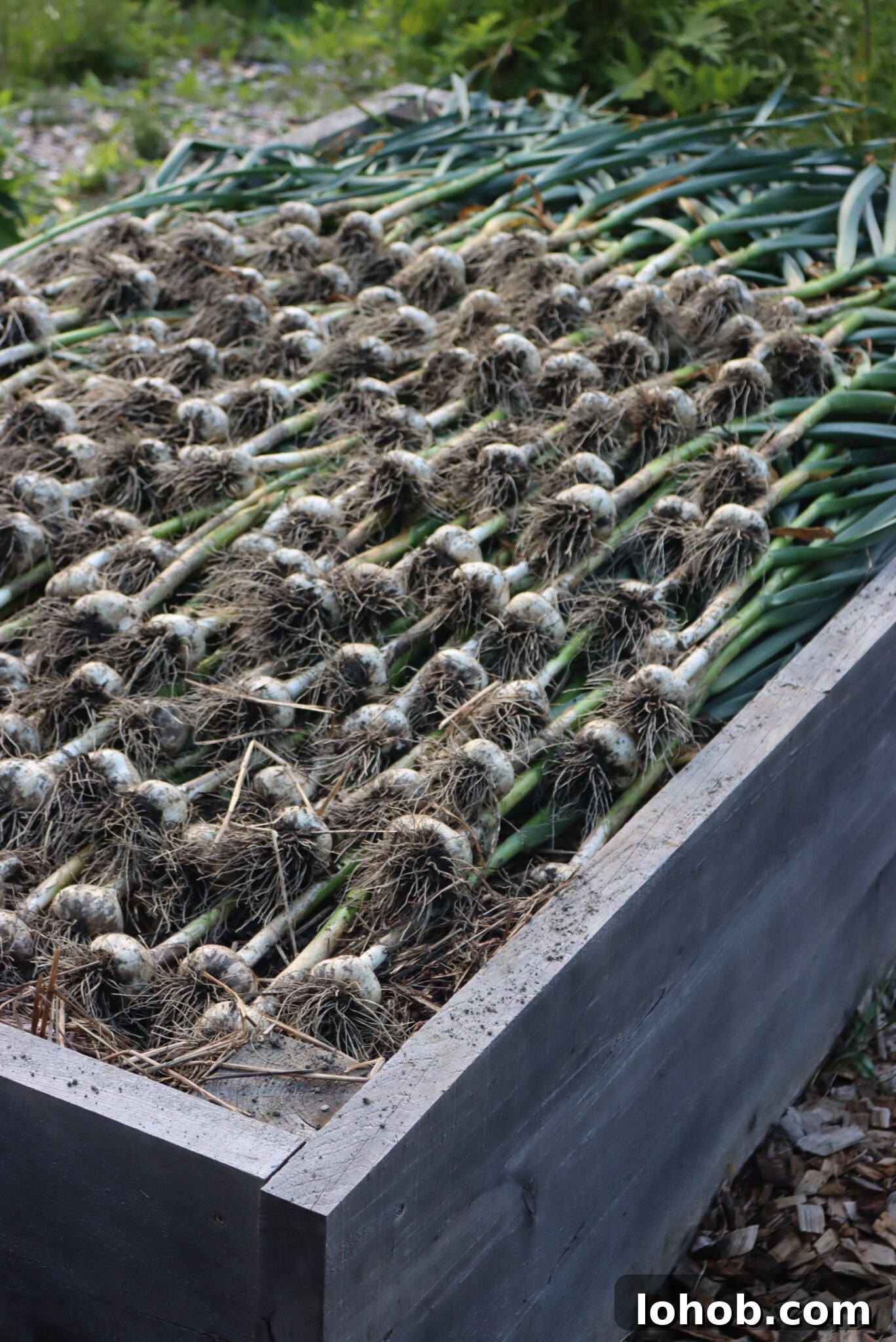
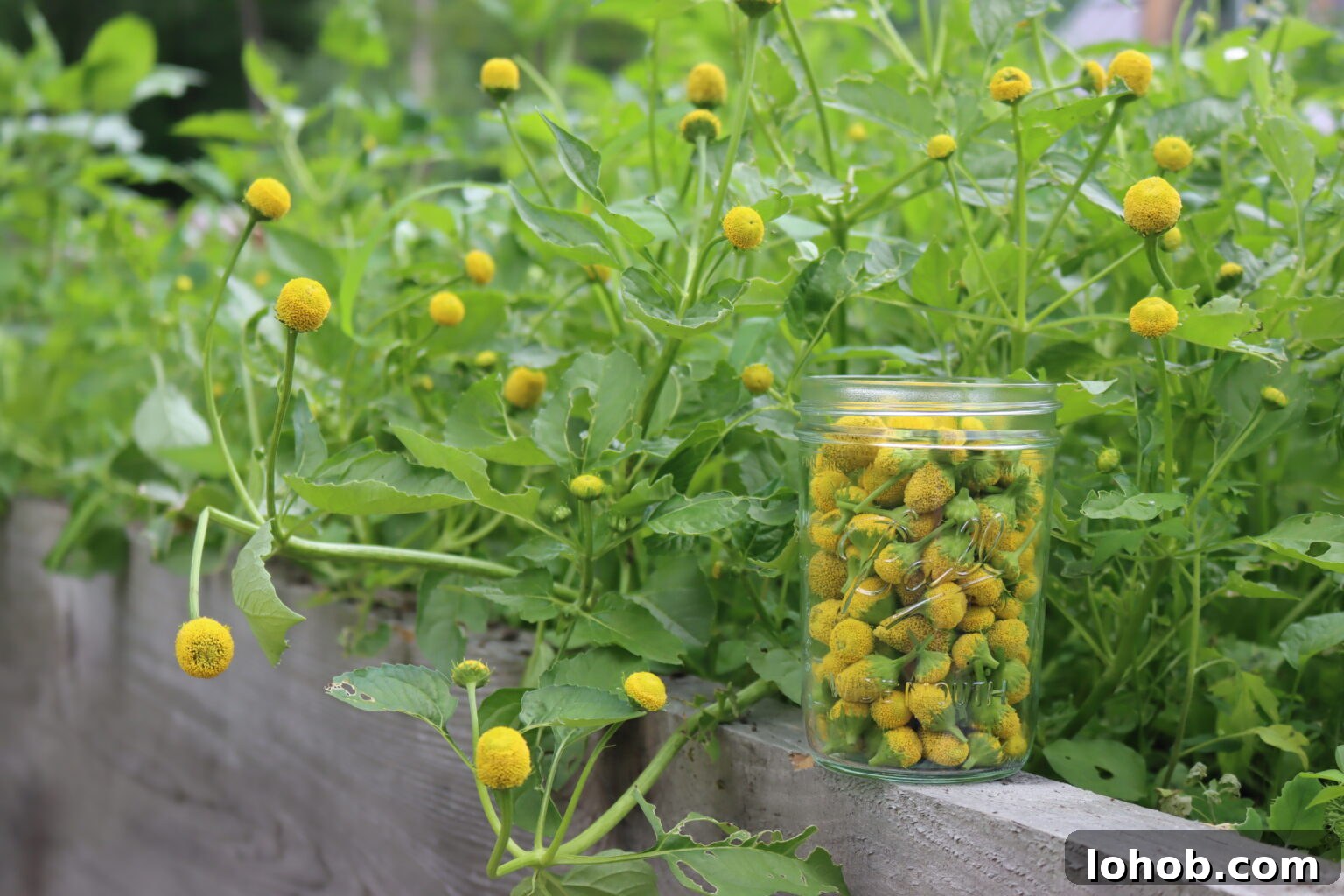
Good options include lettuce, carrots, peppers, tomatoes, herbs, strawberries, garlic, and bush beans. These benefit from well-draining, nutrient-rich soil and the controlled environment raised beds provide.
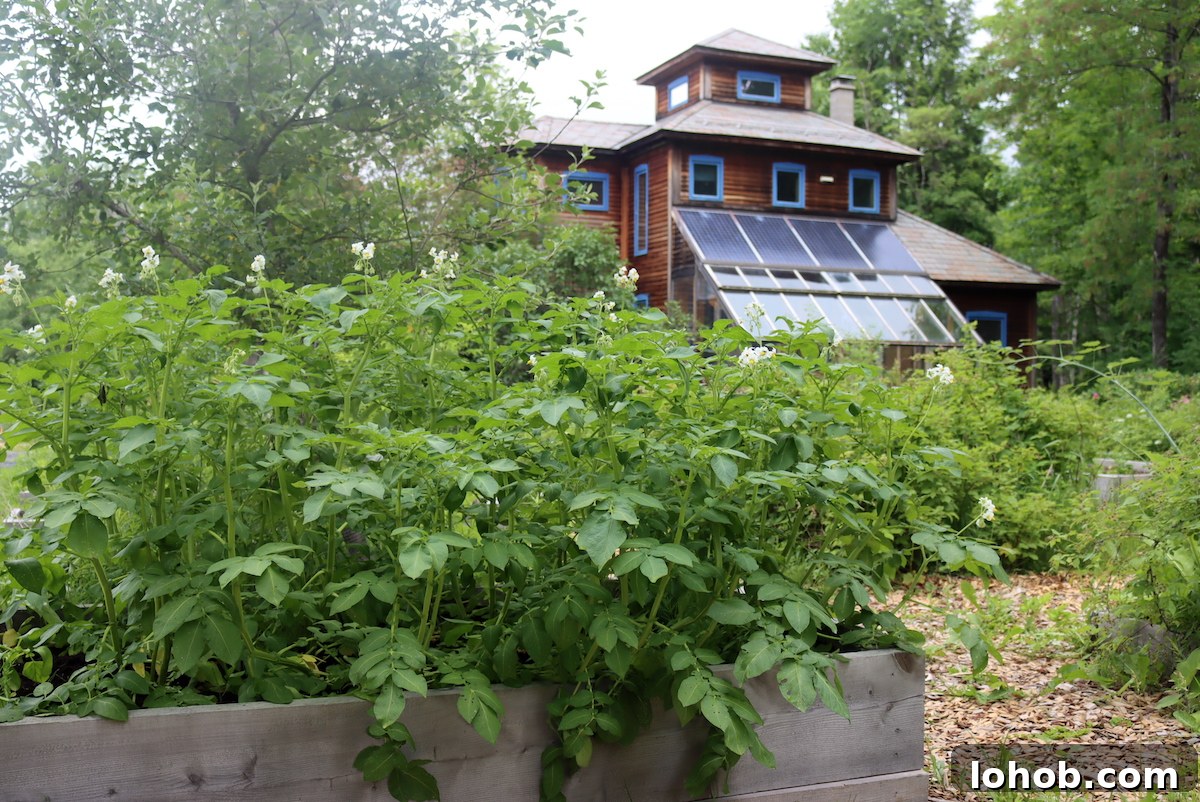
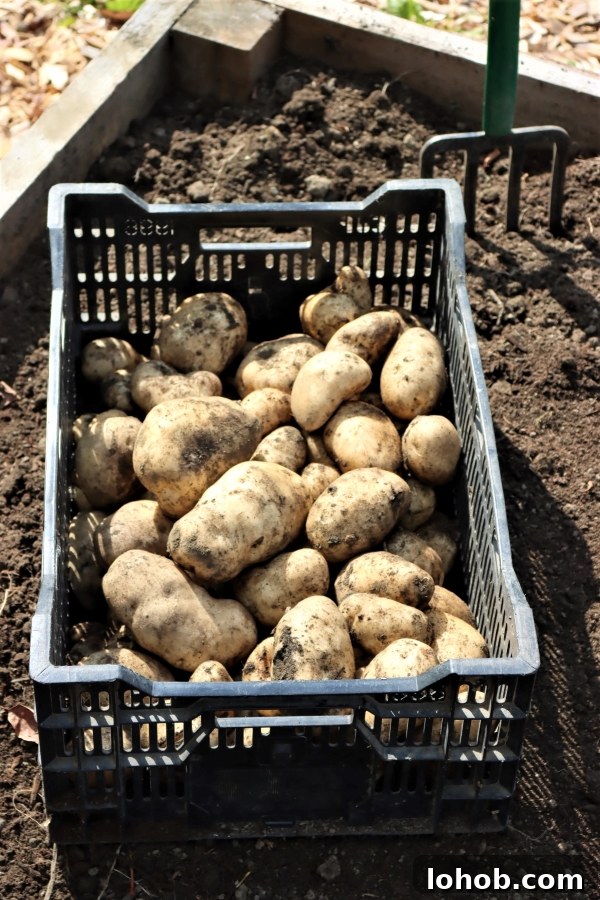
Challenging crops include parsnips (which need deep, straight soil), watermelons (which sprawl), and sweet corn (which needs large blocks for pollination). Potatoes do well if beds are deep enough—18 to 24 inches is ideal; our 4×8 beds produced 50–60 pounds of potatoes each.
Planting in Raised Beds
Use companion planting and vertical space to maximize productivity. Taller plants like tomatoes or trellised cucumbers can shade delicate greens like lettuce or basil. Avoid overcrowding; follow spacing recommendations on seed packets to ensure good airflow and reduce disease risk. Although it’s tempting to cram plants in, proper spacing improves yields.
Watering a Raised Bed
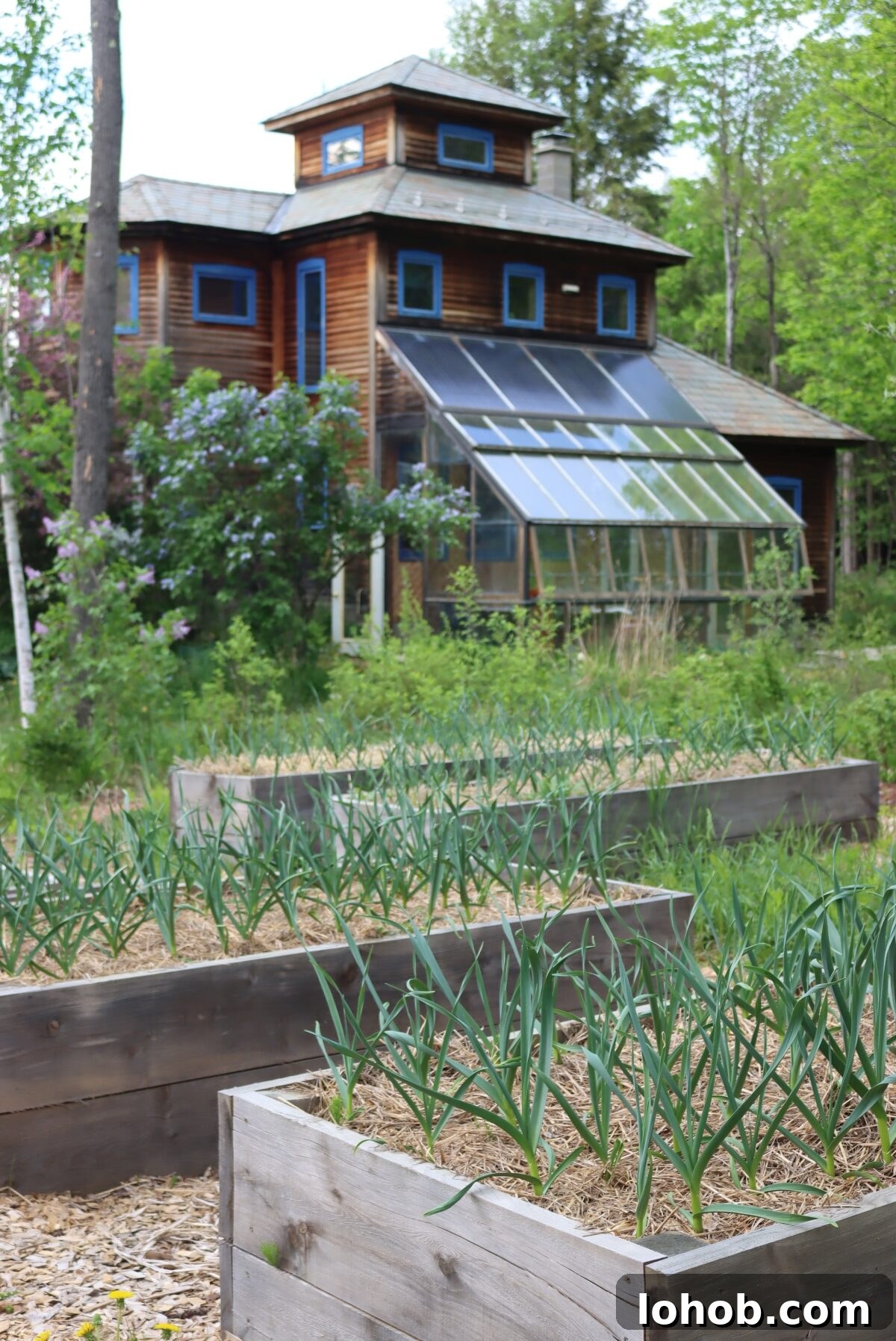
Raised beds need regular, deep watering. Deep soaking encourages roots to grow downward and improves drought resilience. Drip irrigation or soaker hoses deliver consistent moisture directly to roots while minimizing evaporation and runoff. Mulch with straw, shredded leaves, or wood chips to retain moisture, regulate soil temperature, and suppress weeds. Garlic, tomatoes, and strawberries especially benefit from a light straw mulch.
Weeding a Raised Bed
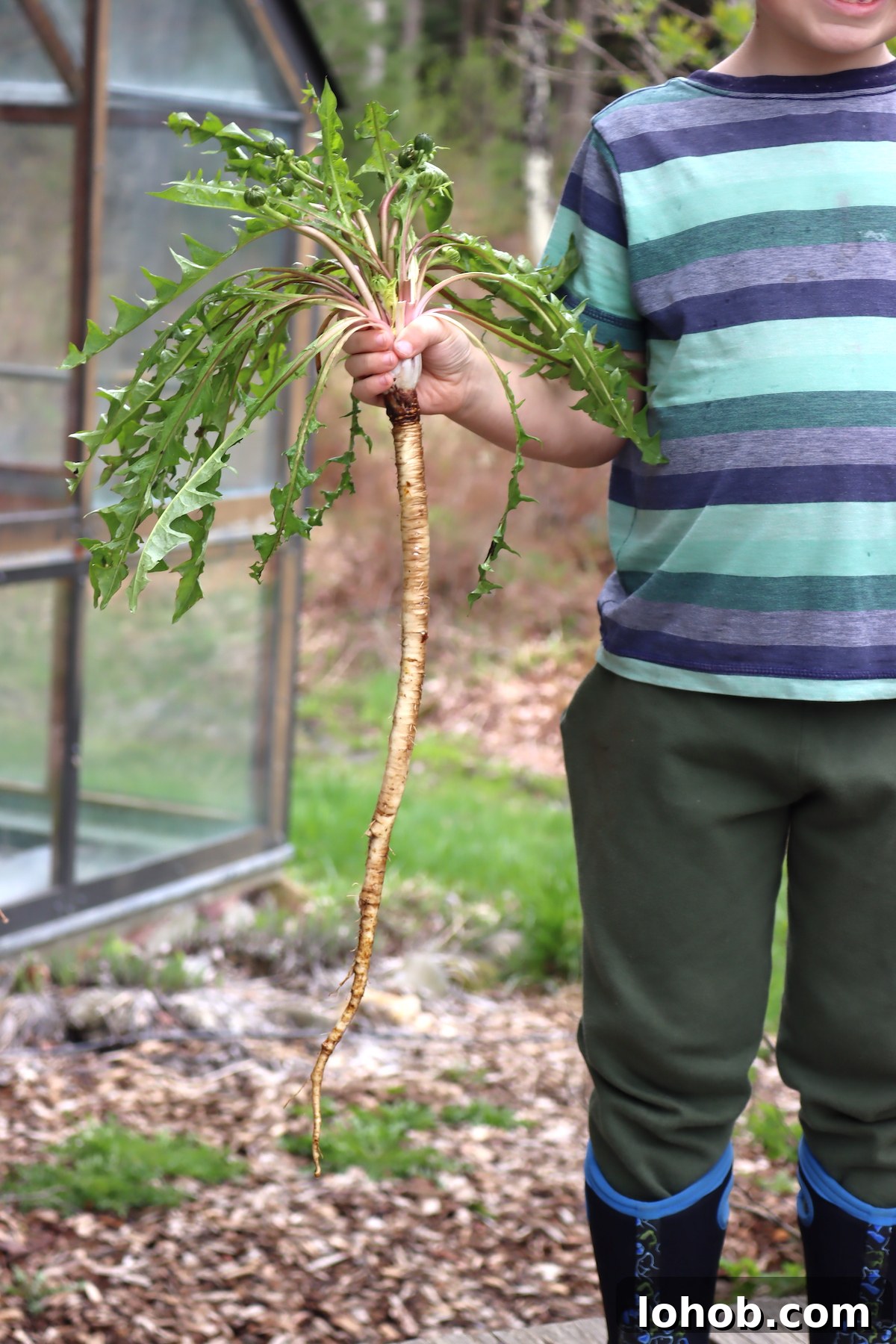
Weeds are less frequent in raised beds but still appear. Mulch prevents many weed seeds from germinating. Hand-pulling works well because the soil is loose; check weekly and remove weeds before they set seed. Even large roots, like dandelions, often pull out easily in loose raised bed soil.
Fertilizing a Raised Bed
Avoid over-fertilizing. Use compost or slow-release organic fertilizers, and consider liquid boosts like compost tea or seaweed extract during the season. Organic amendments support beneficial microbial activity. Add worm castings or aged manure before planting each season for steady nutrient supply. Regular soil testing helps identify true deficiencies and prevents harm from unnecessary amendments.
Supporting Plants in a Raised Bed
Use trellises, stakes, cages, or netting to support vining or tall crops like tomatoes, peas, and beans. Cattle panels, bamboo stakes, and mesh help manage plant growth, improve air circulation, and make harvesting easier.
Protecting Plants in a Raised Bed
Protect plants from pests and extreme weather with row covers or mesh netting to keep out cabbage worms and rabbits. Shade cloth can prevent sunburn and heat stress in hot climates. In milder regions pest and weather protection may be minimal, but in harsher climates these measures can be essential.
Raised Bed Greenhouse Options
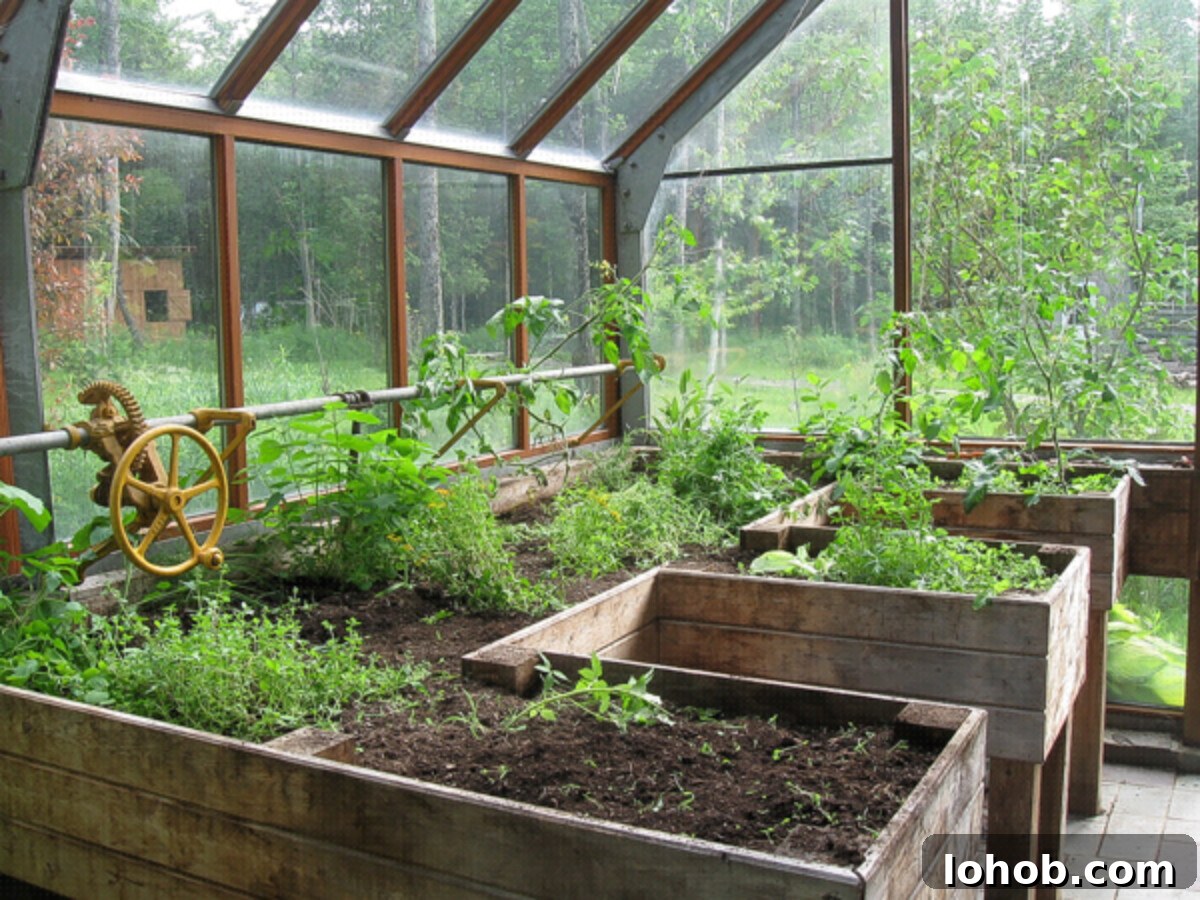
Extend the season with simple hoop houses made from PVC and plastic or with cold frames and mini hoop houses. These provide frost protection and extra warmth for heat-loving crops but will block rain, so plan for supplemental watering. Small raised bed greenhouse structures can be very effective for season extension in colder regions.
Raised bed gardening suits beginners and experienced gardeners alike. Choose the right bed style, fill it with an appropriate soil mix, and maintain proper watering, fertilizing, and spacing to enjoy a productive, manageable garden. Whether growing vegetables, herbs, or flowers, raised beds are an efficient and rewarding way to garden and can provide fresh produce and satisfaction throughout the year.