Cooking Technique – Braising
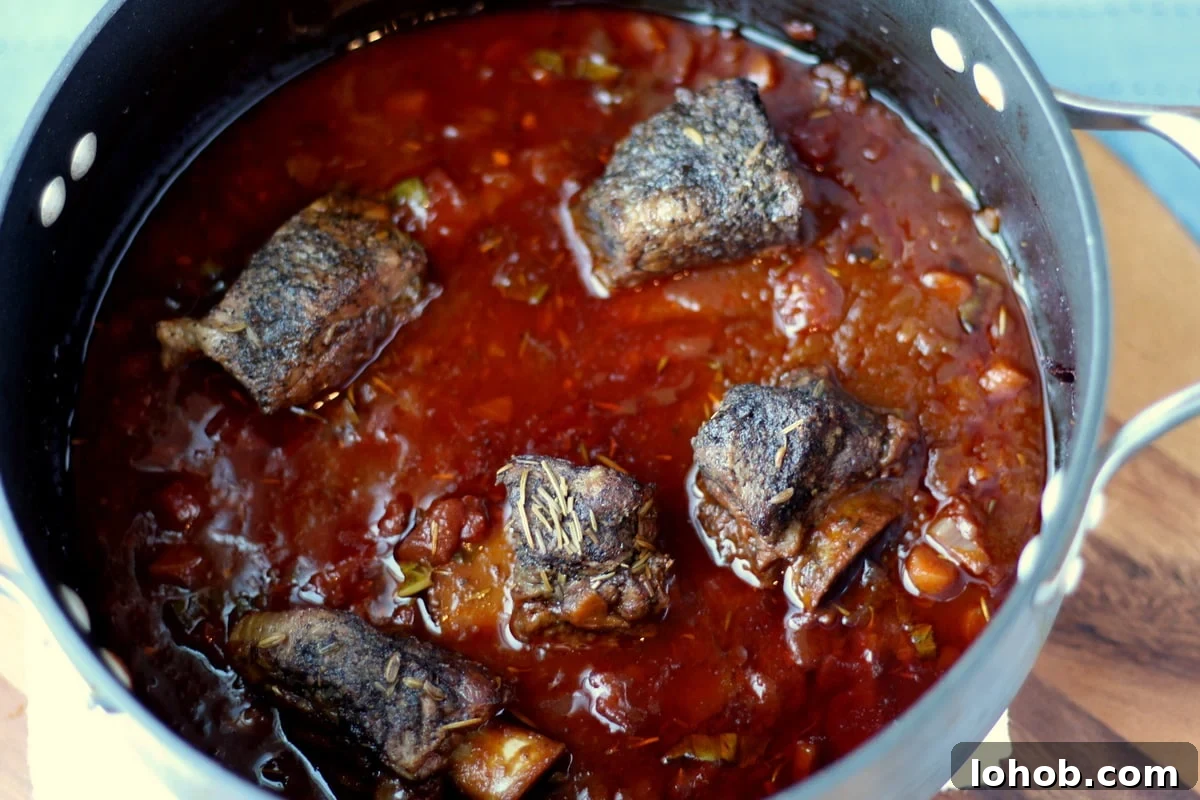
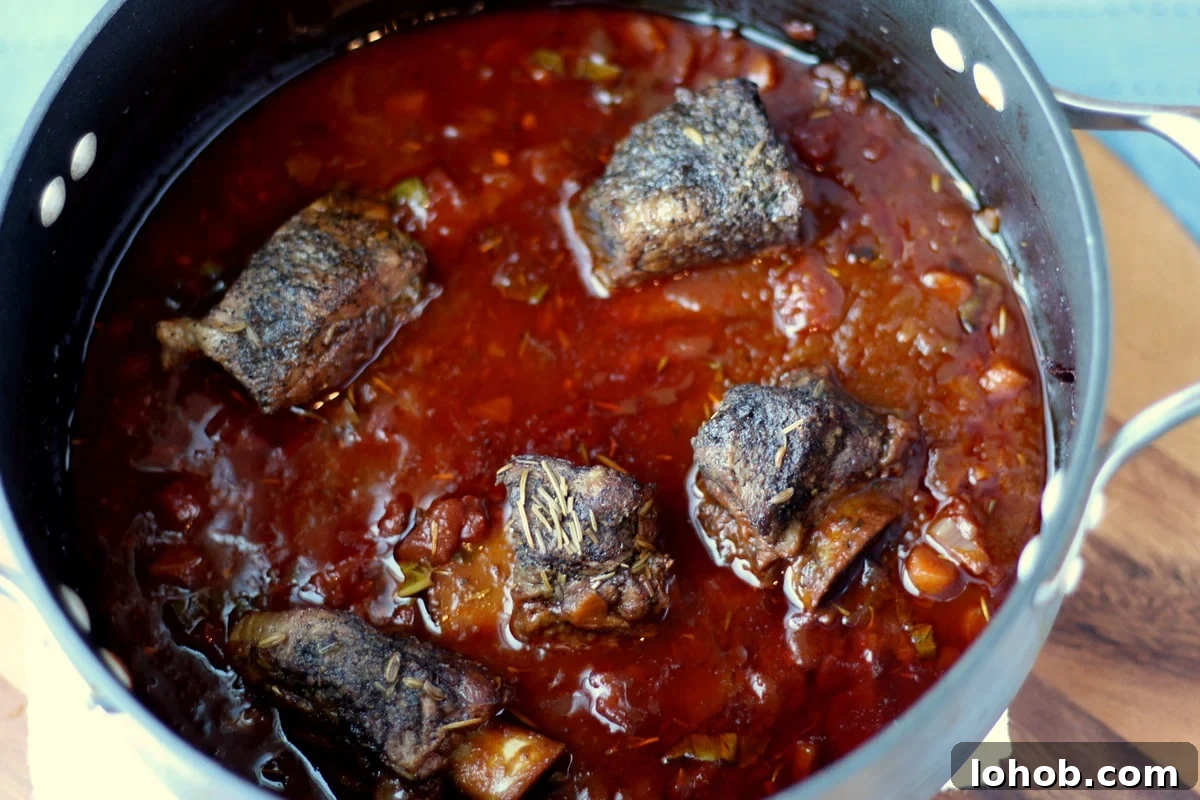
If you enjoy slow-cooked, deeply flavored dishes, braising is one of the most rewarding techniques to master. I braise a lot of things — from rich, fall-apart short ribs to succulent pork belly and even delicate greens like bok choy. Each braise delivers concentrated flavor, tender texture and versatile sauces that elevate simple ingredients into something special.
So what is so great about braising anyway?
Braising begins with searing the protein in fat to build flavor, then cooking it slowly in a covered pot with a modest amount of liquid at low heat. This combination of dry and wet heat works especially well for tougher cuts, breaking down connective tissue and collagen over several hours until the meat becomes tender and juicy. Bone-in cuts add extra depth to the cooking liquid, which can be reduced into a rich sauce. While braising can take time, the hands-on effort is usually minimal after initial preparation — a very satisfying trade-off for impressive results.
What kind of meats and cuts are good for braising
- Chuck (shoulder)
- Rump or bottom round
- Brisket (chest)
- Leg cuts
- Duck and other game or lean meats
Typical ingredients for braising liquid
- Broth or stock
- Beer or wine
- Tomato elements (paste, concassé, or diced tomatoes)
- Aromatics such as herbs and spices
- Garlic
- Root vegetables and other vegetables
- Onions or shallots
When the meat is done, strain the braising liquid if desired and either reduce it over low heat to concentrate flavors or incorporate it into a velouté or other finishing sauce for a smoother, thicker result. Deglazing the pan after searing captures browned bits that add savory depth to the final sauce.
What you need to braise
- A Dutch oven, heavy cast-iron skillet or any ovenproof pan with a tight-fitting lid
- Meat thermometer to check doneness
- Long spoon for stirring and testing the liquid
- Fine strainer or chinois if you plan to clarify the sauce
Braising is forgiving and adaptable: adjust liquids, aromatics and cooking time to suit the cut and size of the meat. Low and slow yields tender, flavorful results whether you’re making a classic pot roast, a rich braised short rib or a delicate braised duck breast. Try it with tougher cuts you’d normally slow-roast — you may be surprised how simple techniques produce sophisticated dishes.
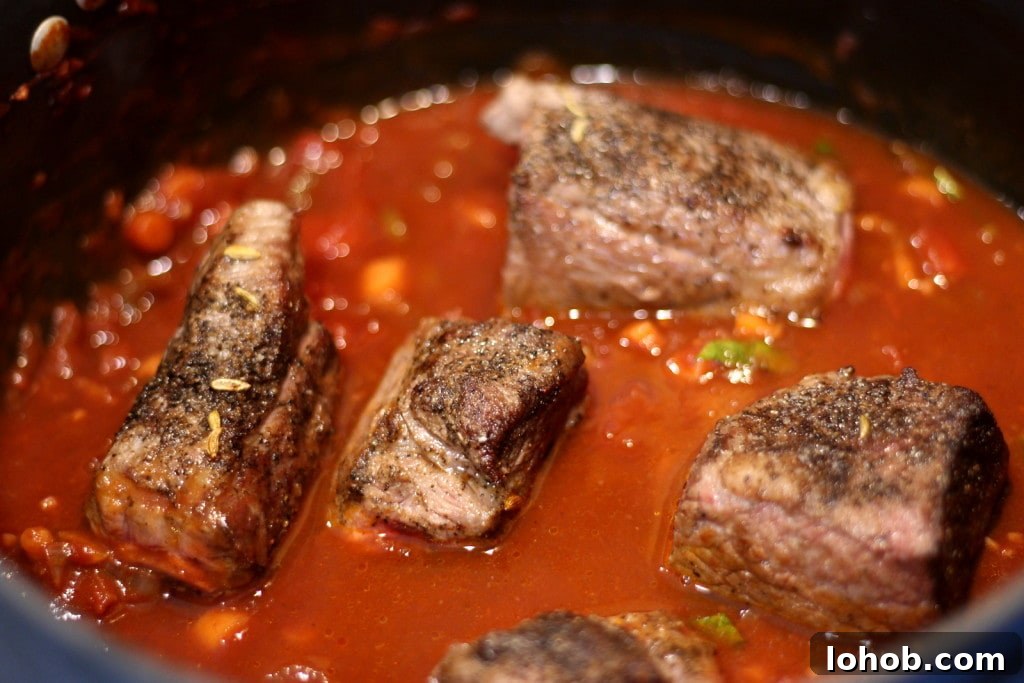
If you experiment with braising, focus on good searing, aromatic liquids and patience. The result will be tender meat, concentrated sauces and a comforting, memorable meal. What’s your favorite cut to braise?
Love,
E