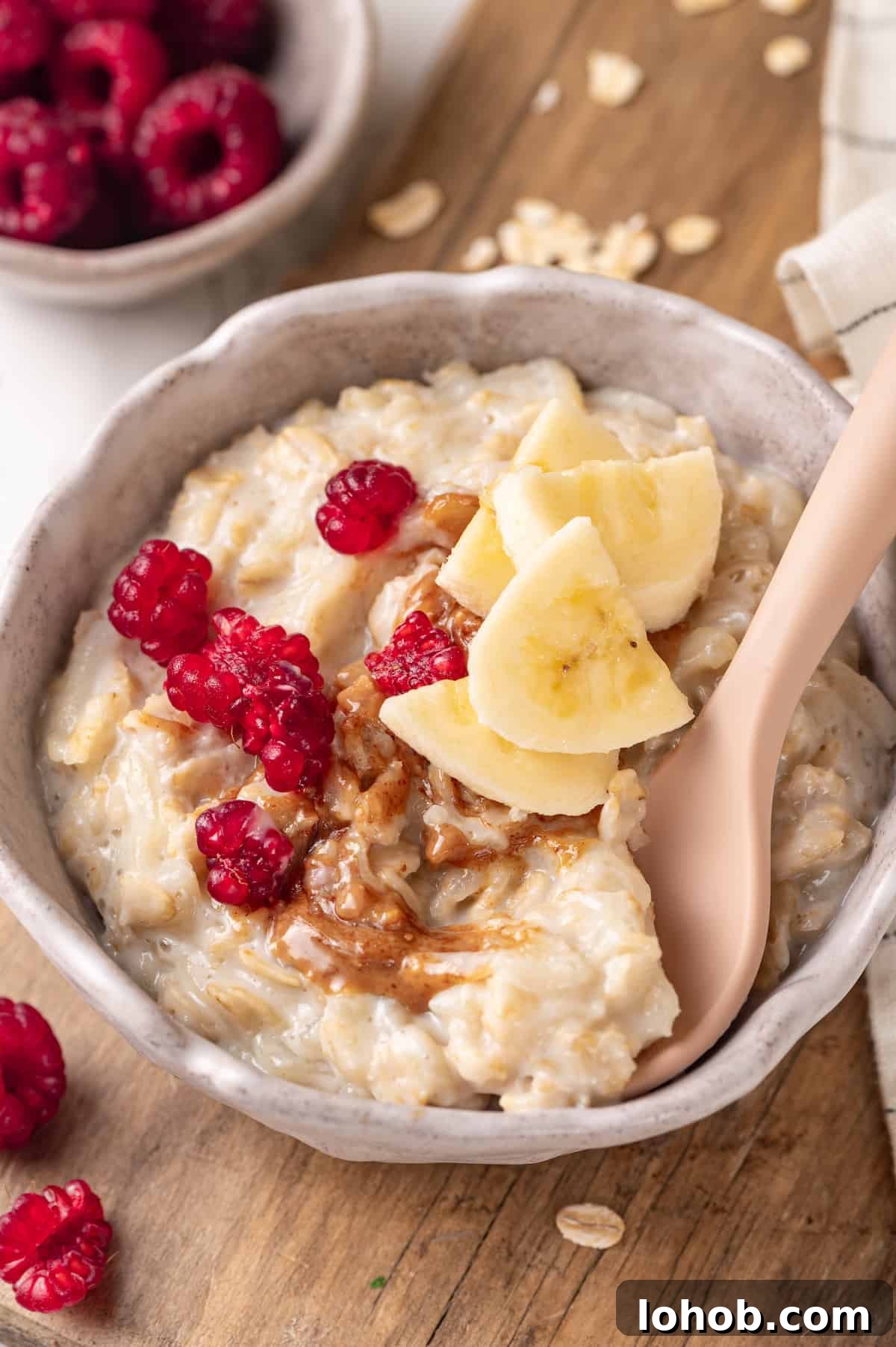
Baby oatmeal is an excellent first food for infants moving from breast milk or formula to solids. It’s nutrient-dense, gentle on tiny tummies, and easy to prepare — a simple, wholesome option both babies and parents tend to love.
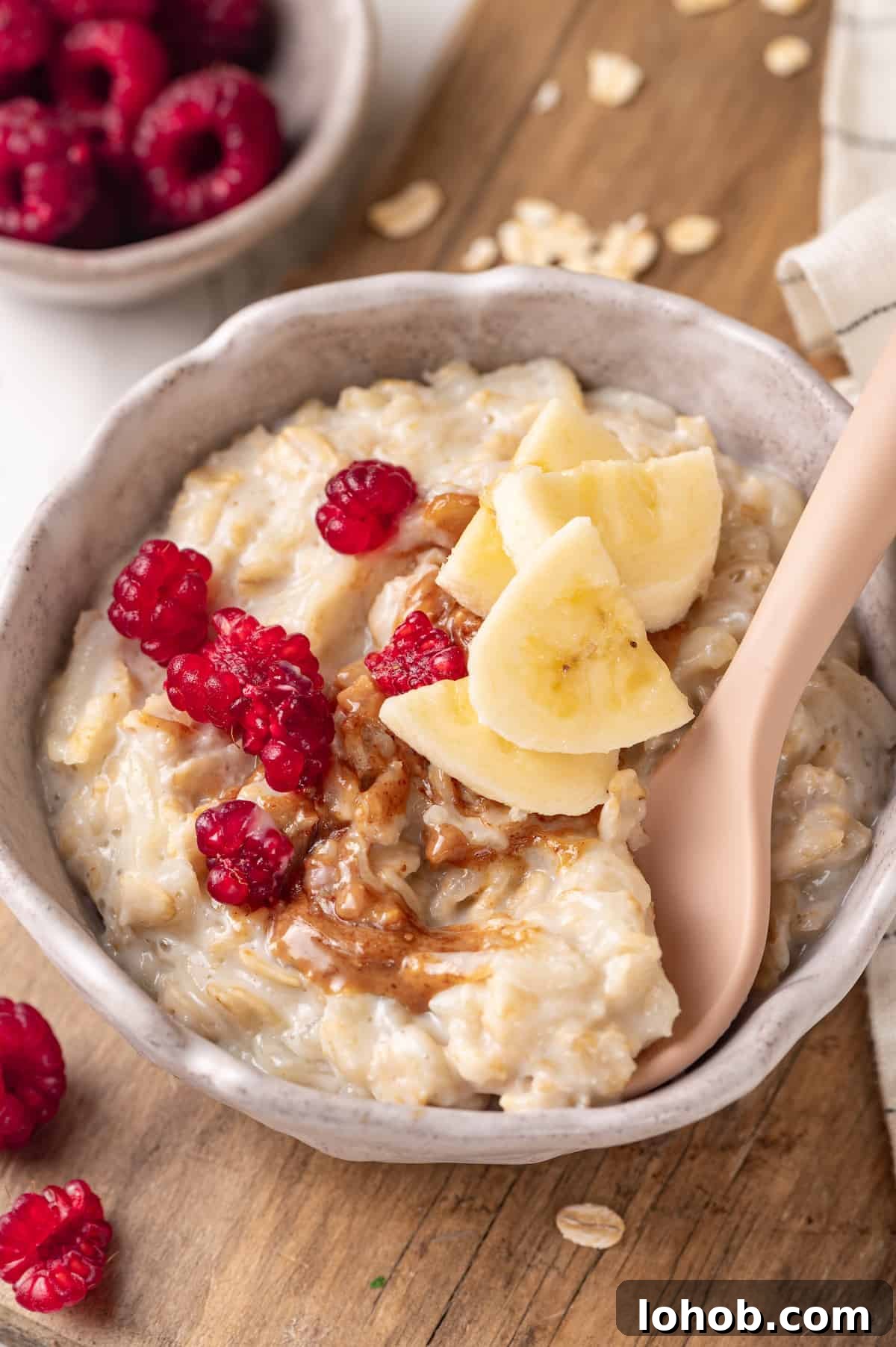
In the past, rice cereal was commonly recommended as a first food, but today parents have many safe, nutritious choices. Whether you prefer baby-led weaning or spoon-fed purees, homemade oatmeal is a versatile alternative that’s easy to customize.
Making baby food at home gives you control over ingredients and texture, helping you avoid added sugars, fillers, and unnecessary additives. This simple recipe uses whole rolled oats and a few natural additions for flavor and healthy fat.
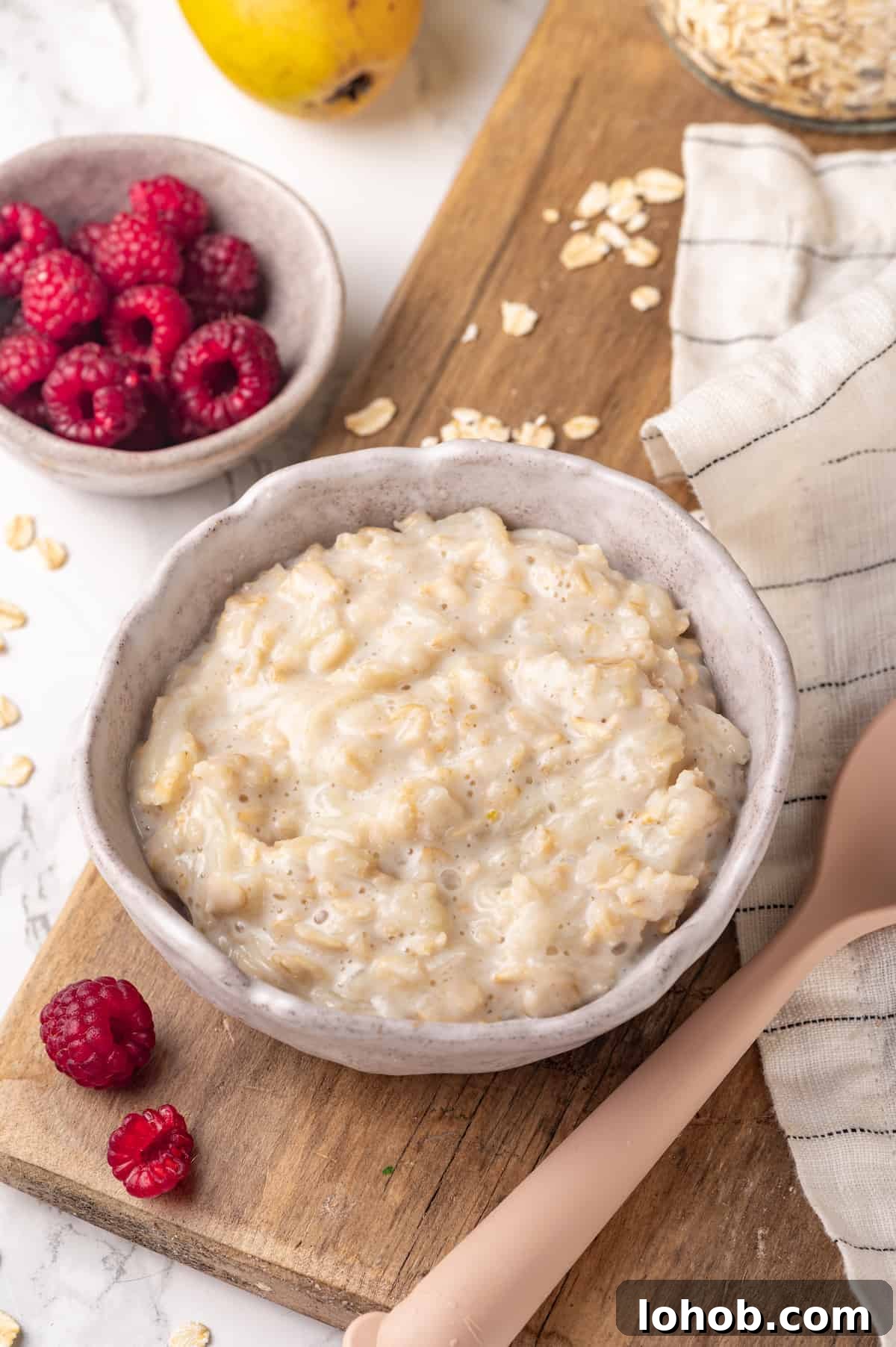
Why You’ll Love This Baby Oatmeal Recipe
- Economical — Homemade baby food is often less expensive than store-bought options.
- Nutrient-rich — Whole rolled oats provide fiber, vitamins, and minerals that support development.
- Customizable — Mix with breast milk, formula, or water to reach the ideal consistency, and use this base to add fruit or vegetable purees.
- Quick and simple — A few ingredients and minutes on the stove produce a fresh meal for your baby.
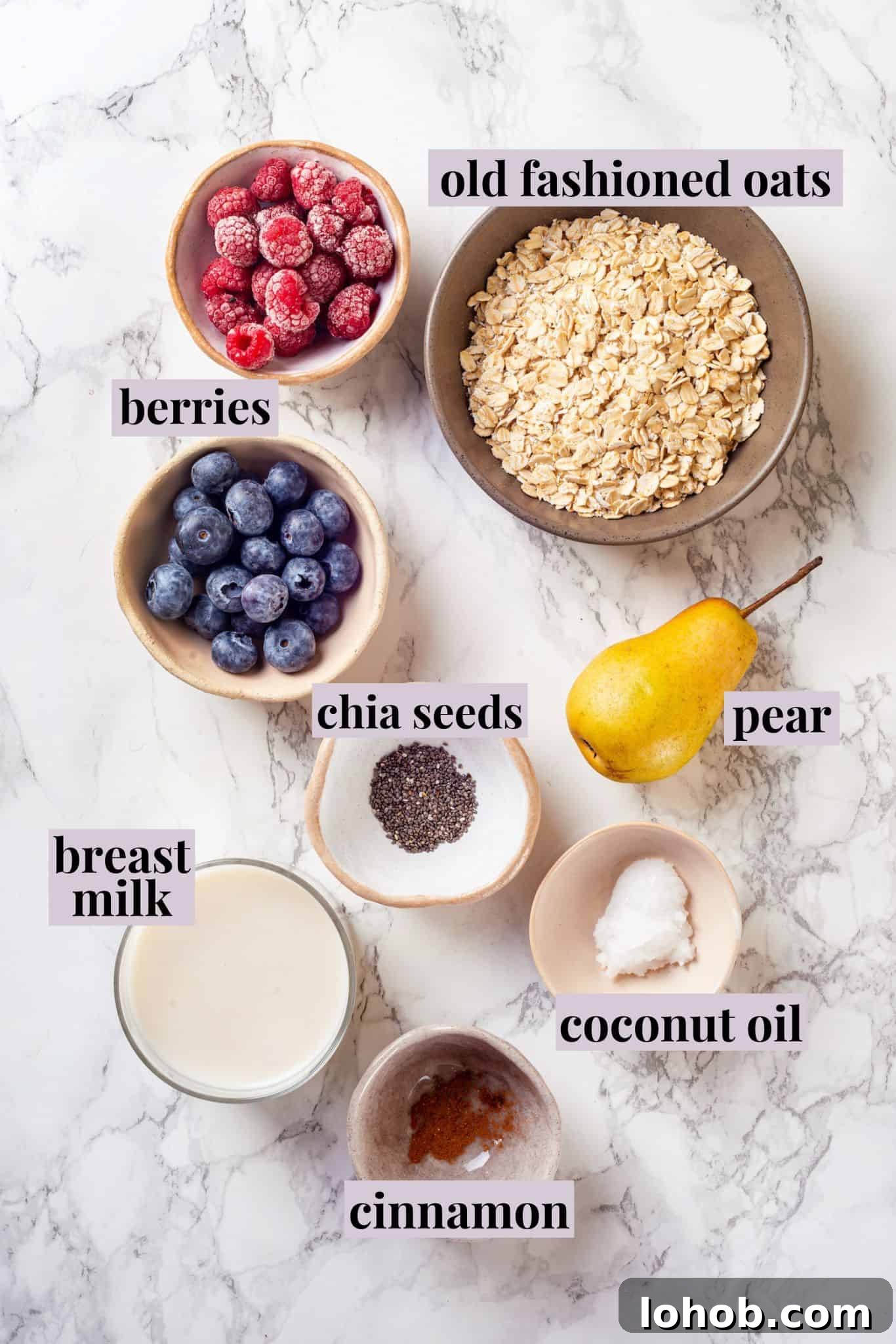
Notes on Ingredients
See the recipe card below for exact ingredient amounts and the full method.
- Old-fashioned oats — also called rolled oats. They give a nice texture and retain nutrients.
- Water or breast milk — use breast milk for added nutrition if desired.
- Ground cinnamon — a small pinch adds gentle flavor.
- Fruit for sweetness — grated pear, apple, mashed banana, applesauce, or pumpkin puree all work well.
- Added fat — a small amount of coconut oil, nut butter, or seed butter improves calories and satiety.
Optional Jam for Topping
- Berries
- Chia seeds
Additional Topping Options
- Chopped berries
- Banana slices or mashed banana
- Sautéed apple or pear
- Applesauce
- Nut or seed butter (for babies already introduced to nuts/seeds)
Can I Use Quick-Cooking Oats?
Yes. Quick-cooking oats work in the same proportion and are ready in about 1 minute, producing a softer, creamier texture that can be well suited to 6–9 month olds just starting solids.
How to Make Baby Oatmeal
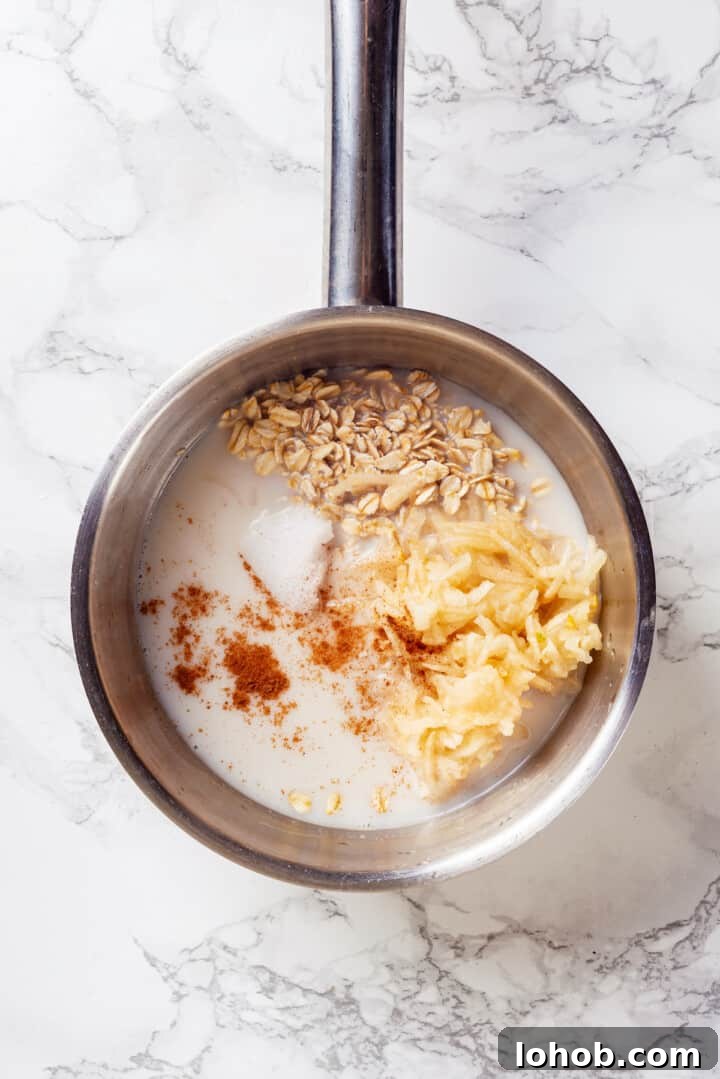
- Combine the oats, water or breast milk, a pinch of cinnamon, the chosen fruit (grated or mashed), and a small amount of coconut oil or nut/seed butter in a small saucepan.
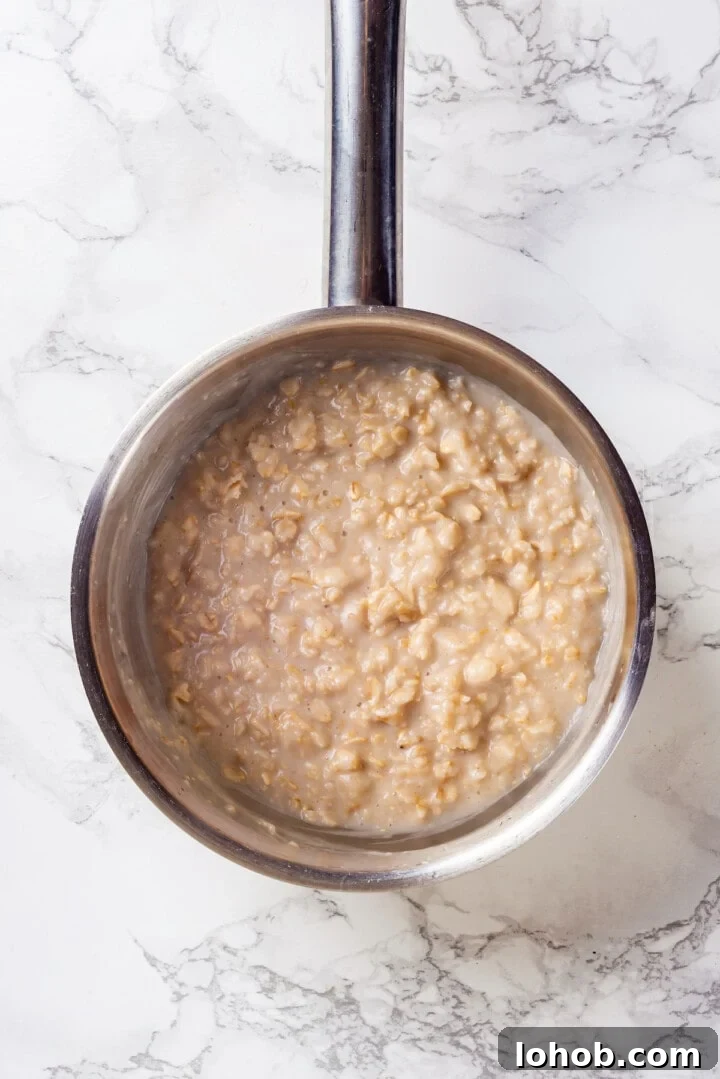
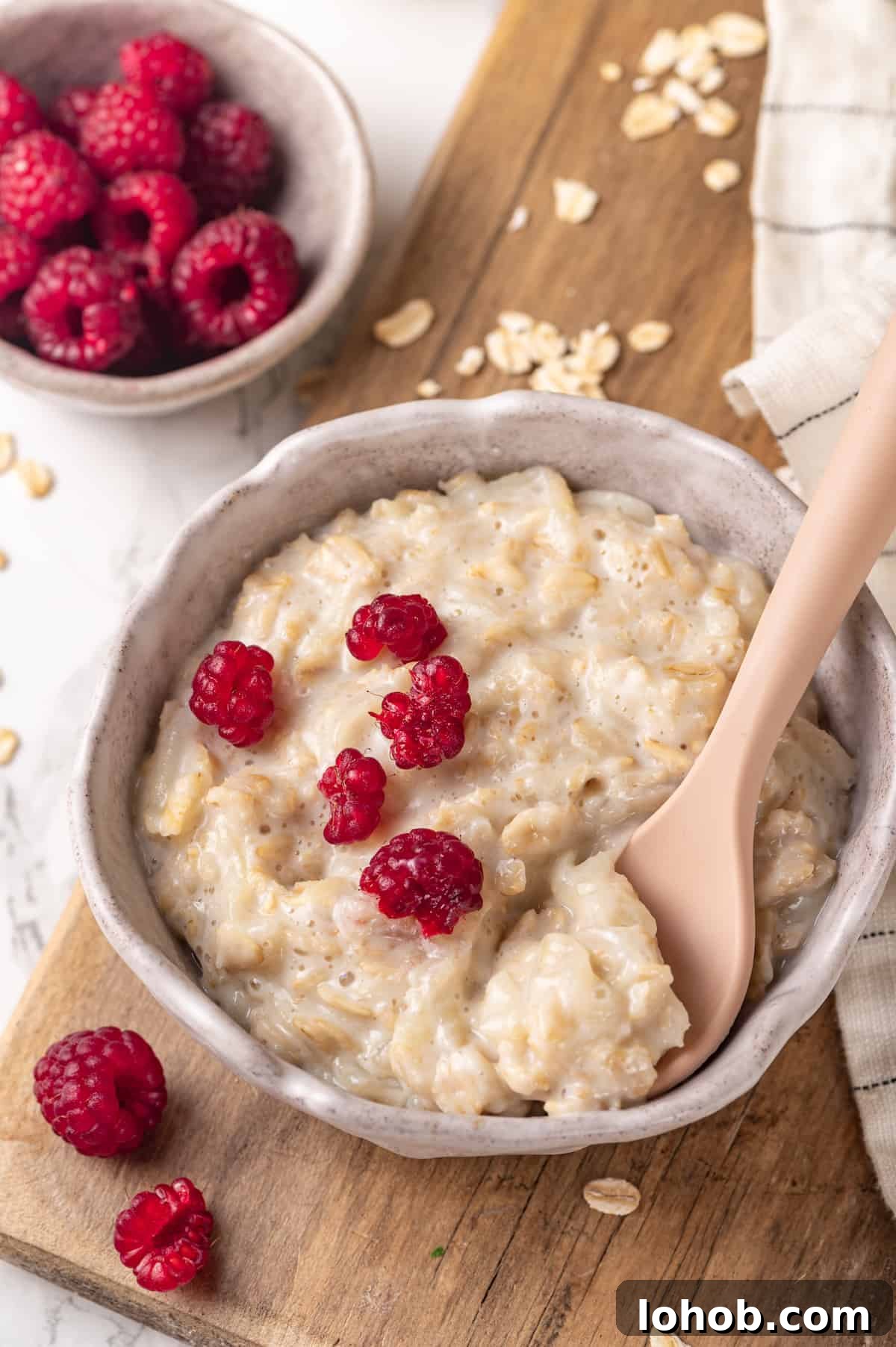
- Cook over medium heat, stirring, for about 5 minutes until the oats are soft. Cook longer for thicker oatmeal; add 1–2 tablespoons of water or breast milk to thin if needed.
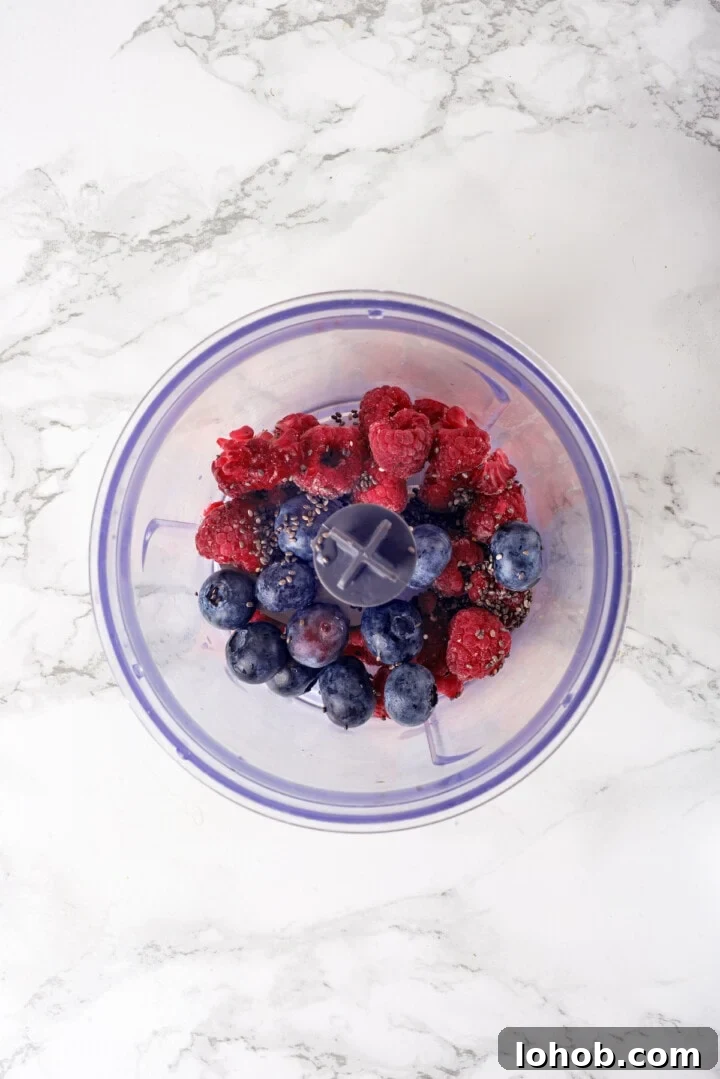
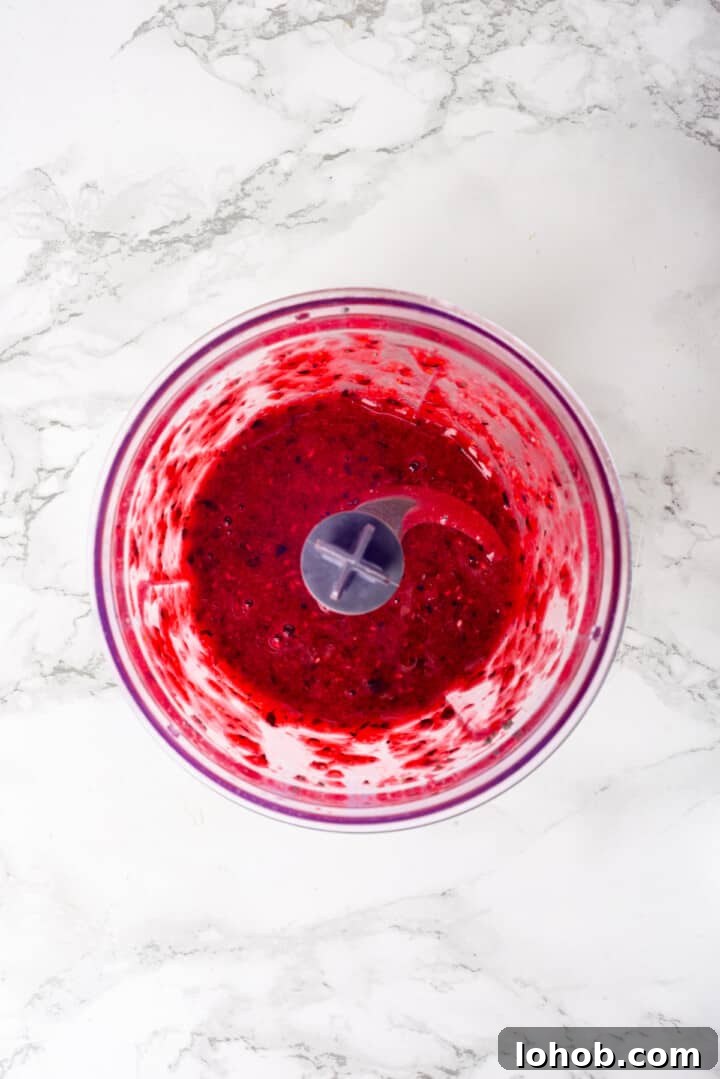
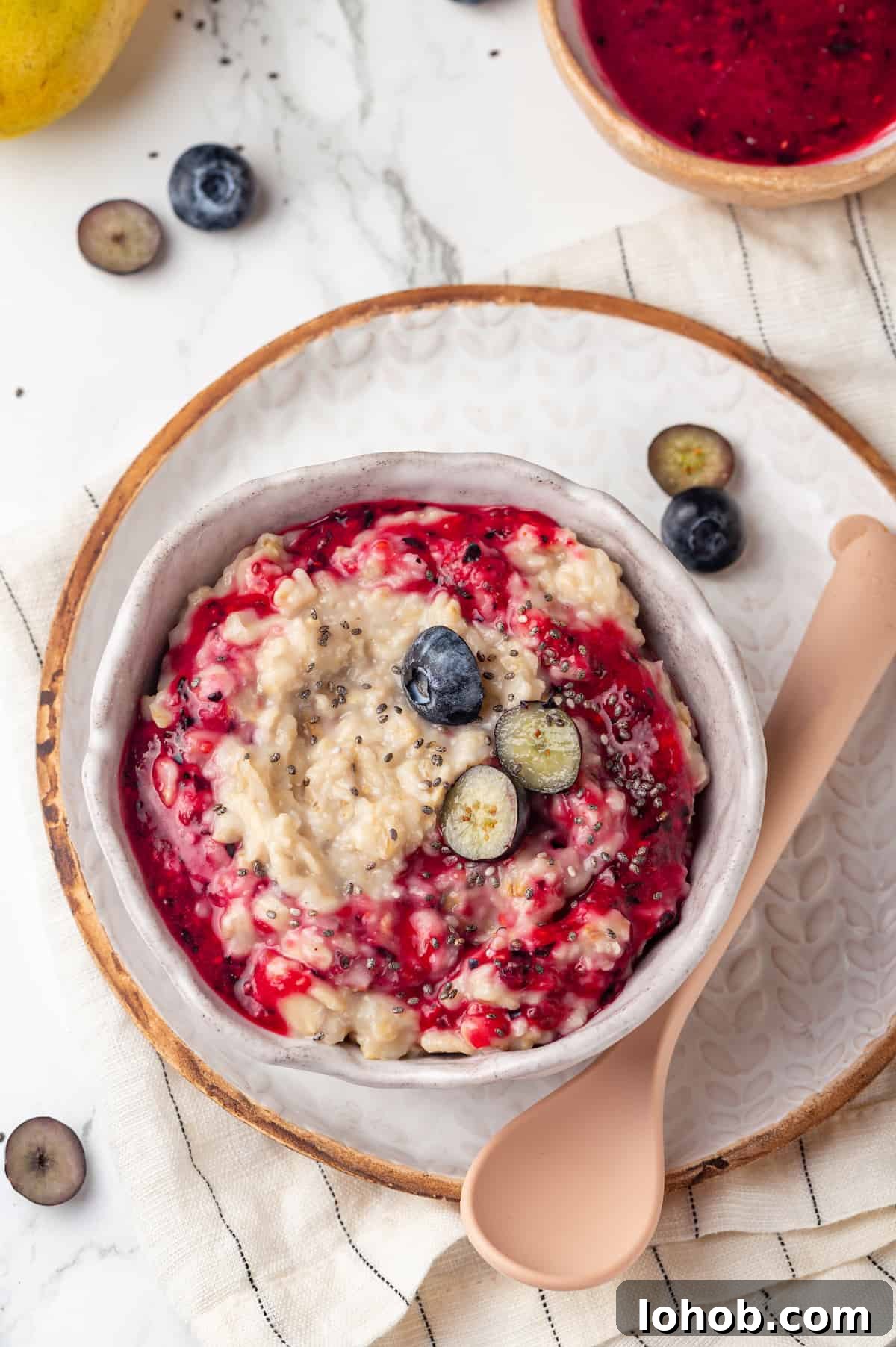
- Make the jam topping (optional): pulse berries and a little water and chia seeds in a small food processor until smooth; add water as needed to reach the desired consistency.
Tips for Success
- Adjust texture to your baby’s stage — younger infants often need a thinner, smoother puree; older babies can handle thicker oatmeal with small soft pieces.
- Prepare fruit safely by grating, mashing, or pureeing to avoid choking hazards for early eaters.
- Make extra by doubling or tripling the recipe for easy meal prep and freezing portions if desired.
Variations and Serving Suggestions
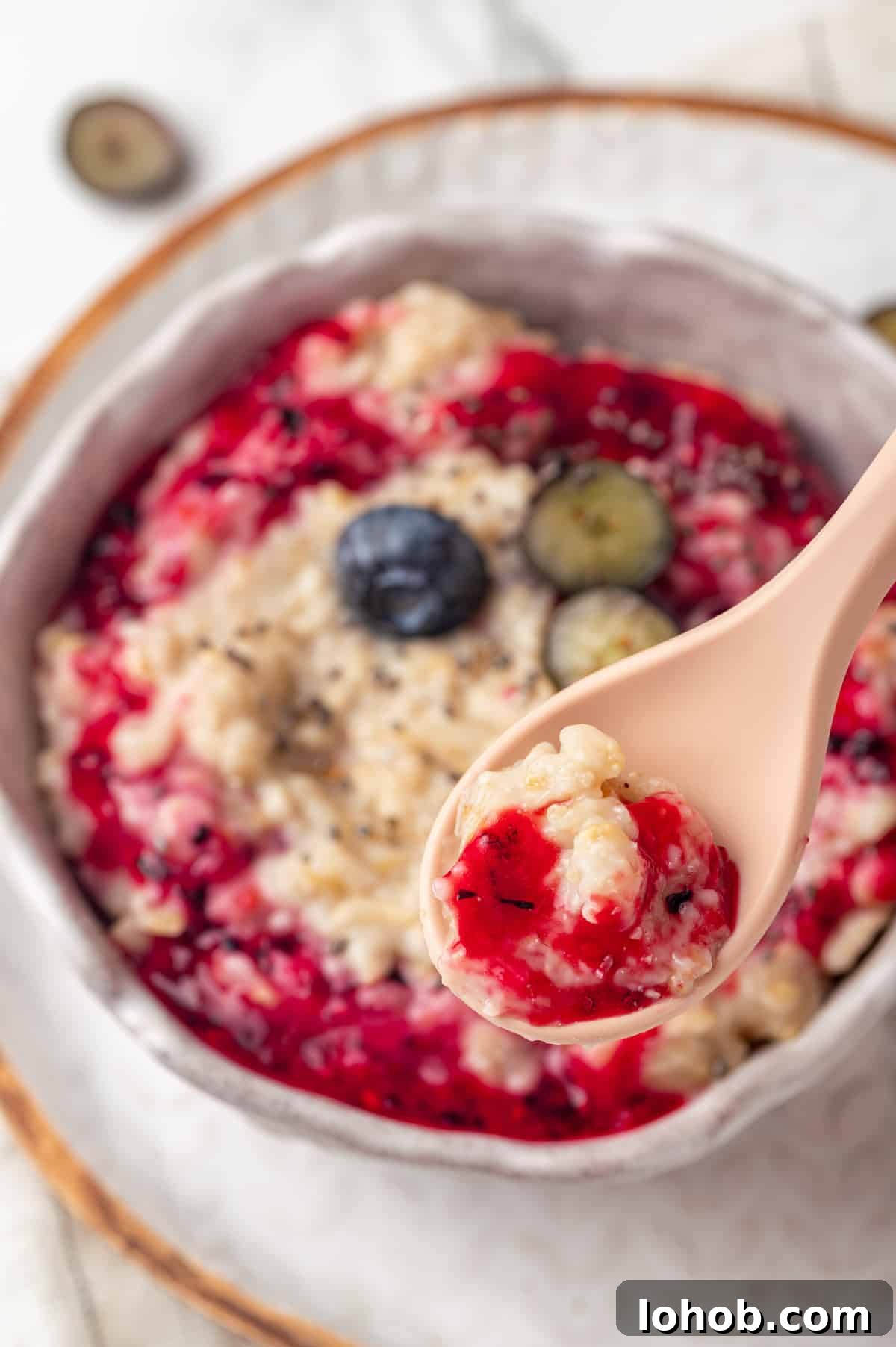
This oatmeal works well with many add-ins. For a creamier texture, stir in mashed banana or avocado. Add pureed baked sweet potato for extra nutrients. For older babies, offer small soft pieces of peach, blueberry, or cooked carrot to introduce texture.
- Mix in mashed banana or avocado for creaminess.
- Stir in pureed sweet potato for natural sweetness and vitamins.
- Top with soft, finely chopped fruit or a thin spread of nut/seed butter for older babies who have been introduced to those foods.
How to Store Leftovers
Store leftover oatmeal in an airtight container in the refrigerator for up to 3 days. Reheat gently on the stove or in the microwave with a splash of water or breast milk to loosen the texture.
Can I Freeze This Recipe?
Yes. Spoon cooled oatmeal into ice cube trays, freeze until solid, then transfer cubes to a freezer-safe bag or container. Defrost portions as needed and warm with a little liquid before serving.
Enjoy! If you try this baby oatmeal, consider noting what your little one liked and which textures worked best as they grow — small adjustments will help the recipe evolve with their palate and skills.
Baby Oatmeal
1 serving
Ingredients
- ¼ cup old fashioned oats (40 g)
- ½ cup water or breast milk
- 1 pinch of cinnamon
For sweetness:
- 1 small pear, grated (or ½ apple, ½ mashed banana, applesauce, or pumpkin puree — about ⅓ cup)
For added fat:
- ½ teaspoon coconut oil (or almond/peanut/seed butter)
Optional jam topping:
- ⅓ cup berries
- ½ teaspoon chia seeds
Other topping options:
- Chopped berries, bananas, sautéed apple or pear, applesauce, or nut/seed butter
Instructions
- Combine ¼ cup rolled oats, ½ cup water or breast milk, a pinch of cinnamon, your chosen sweetener (grated fruit or puree), and ½ teaspoon coconut oil in a small saucepan.
- Cook over medium heat, stirring, for 5 minutes. Cook longer for a thicker texture. Add 1–2 tablespoons water or breast milk to thin if needed.
- For the jam topping, pulse berries and ½ teaspoon chia seeds with a tablespoon or two of water in a small food processor until smooth.
Notes
- Quick-cooking oats can be used in the same proportions and are ready in about 1 minute, producing a softer consistency for young babies.
- Storage: Refrigerate leftovers in an airtight container for up to 3 days; reheat with a splash of liquid.
- Freezing: Freeze portions in ice cube trays, then transfer to a freezer-safe bag for easy defrosting and serving.