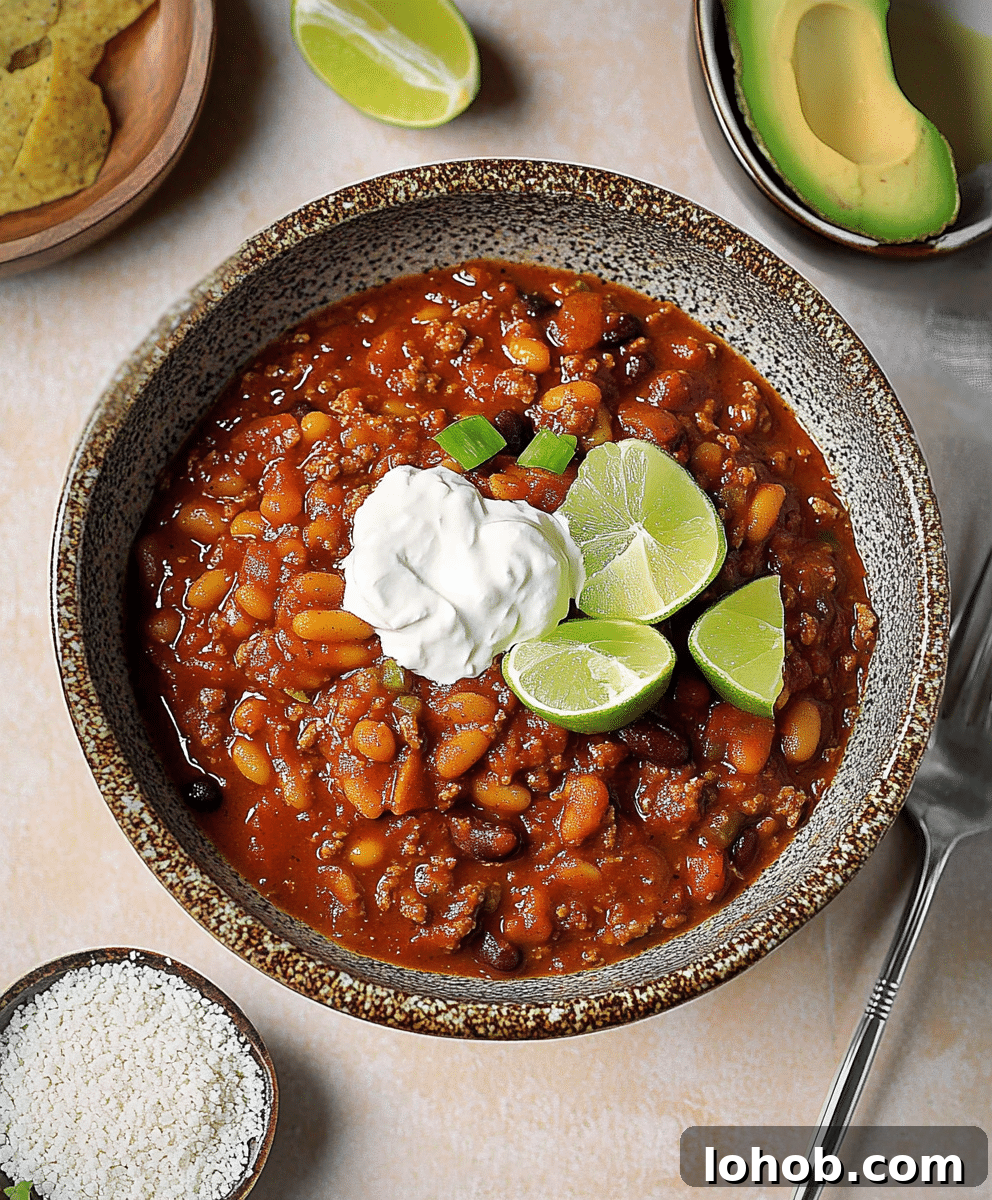
There’s nothing like a big, warm bowl of chili to make a cold evening feel cozy. This vegan chili started as a classic base in my kitchen and over the years has evolved into a flavorful, hearty dish that even meat-eaters love. It’s smoky, slightly spicy, a touch sweet, and satisfying thanks to a mix of beans and vegetables. A small trick—blending a portion of the pot—gives it a creamy texture without dairy. It’s perfect for family dinners, meal prep, or feeding a crowd.
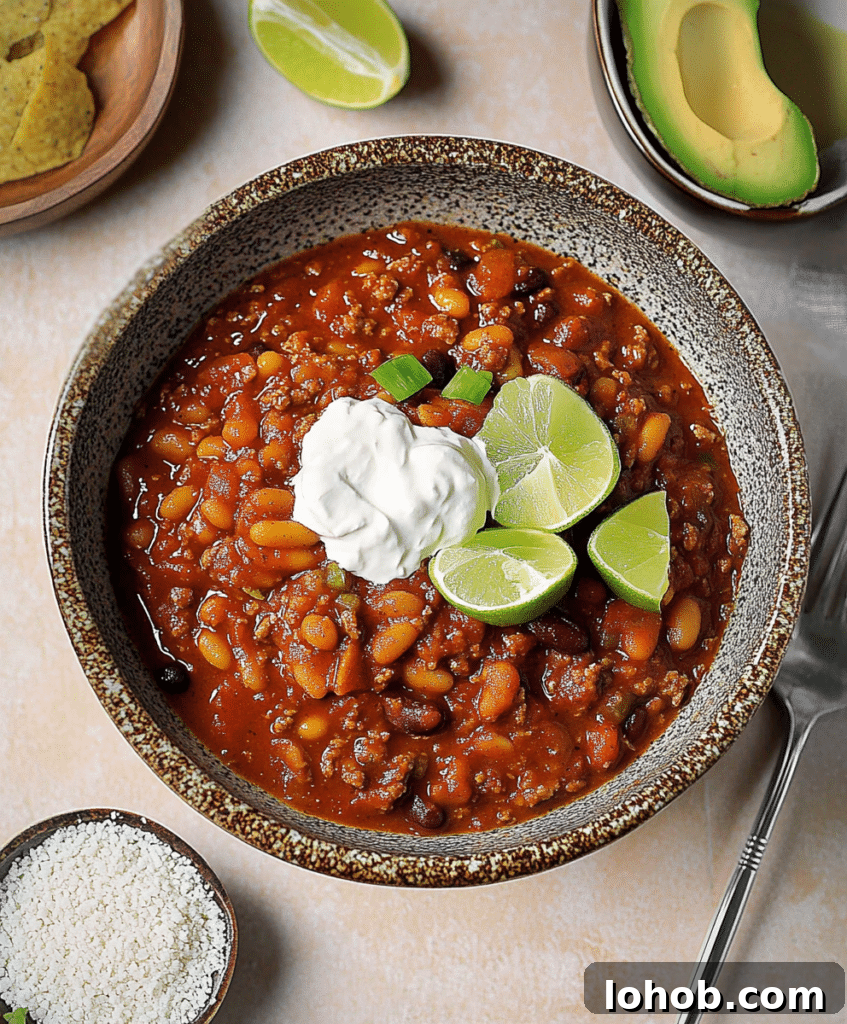
My connection to this vegan chili (and why you’ll love it)
My first vegan chili was cooked on a camping stove with a bag of mixed beans and whatever vegetables we could carry. It wasn’t perfect (we forgot salt), but it taught me how rich, comforting flavors can come from simple plant ingredients. Over time I refined the spices and technique. Blending a cup or so of the chili gives body and creaminess without adding dairy, and layering spices—cumin, smoked paprika, cayenne—builds the classic chili warmth. This recipe is flexible, protein-packed, and a dependable one-pot meal.
A little background on chili
Chili con carne, meaning “chili with meat,” has roots in Mexican and Tex-Mex traditions and has been adapted across regions. The meatless version has grown in popularity with plant-based diets. While traditional recipes rely on meat for heft, a careful blend of beans, sautéed vegetables, concentrated tomatoes, and spices can deliver the same satisfying depth and texture without animal products.
Let’s talk ingredients: must-haves and smart swaps
This chili relies mostly on pantry staples, with a few fresh items that boost flavor. Key ingredients:
- Onion, garlic, and bell pepper: These form the aromatic base. Use green, red, or yellow bell pepper—red or yellow are slightly sweeter.
- Fresh or canned tomatoes and tomato paste: Tomatoes create the tangy, rich base; tomato paste deepens the flavor and thickens the sauce.
- Beans: A combination of kidney, black, and pinto beans gives texture and protein. Substitute white beans, chickpeas, or lentils if needed.
- Spices: Ground cumin, smoked paprika, cayenne, garlic powder, and onion powder provide smoky, warm layers. Adjust cayenne to control heat.
- Sweetener: A small amount of coconut sugar or maple syrup balances tomato acidity.

Essential kitchen gear (and what you can skip)
You don’t need fancy equipment. A large pot or Dutch oven is ideal. An immersion blender is optional but recommended for blending a portion of the chili to create a thicker, creamier texture. If you don’t have one, use a countertop blender (careful with hot liquids) or a potato masher for a chunkier finish.
Step-by-step: foolproof method and helpful tips
- Sauté the aromatics: Heat oil over medium. Cook chopped onion and bell pepper about 5 minutes until softened, then add minced garlic and cook 1–2 minutes until fragrant. This base develops much of the dish’s flavor.
- Add the tomatoes: Stir in diced tomatoes and cook 3–5 minutes to start breaking them down.
- Combine the rest: Add water or vegetable broth, beans, tomato paste, sweetener, and spices. Stir and bring to a simmer.
- Simmer: Let the chili simmer about 30 minutes, stirring occasionally. Add more liquid if it becomes too thick.
- Blend a portion (optional): Scoop 1 to 1½ cups of chili into a small pot or blender and puree until smooth, then return it to the main pot. This thickens the chili and smooths textures.
- Taste and adjust: Season with salt, pepper, or extra cayenne to your preference.
Variations and adaptations
Customize the chili to suit dietary needs or taste preferences:
- Gluten-free: The recipe is naturally gluten-free; verify seasonings and broth if needed.
- Extra heat: Increase cayenne or add additional hot peppers.
- Mild version: Omit cayenne and rely on smoked paprika for milder warmth.
- More veggies: Add zucchini, corn, mushrooms, or grated carrot for extra nutrition and texture.
- Different legumes: Swap some beans for chickpeas, white beans, or lentils.
Serving and presentation ideas
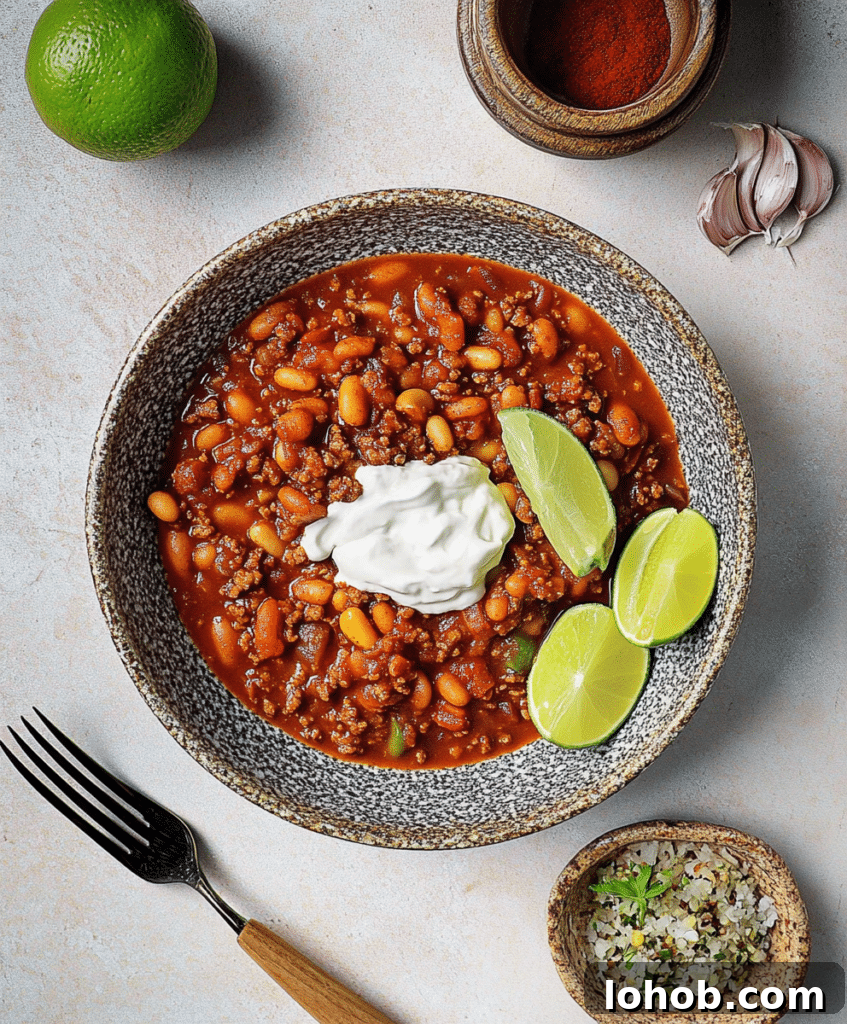
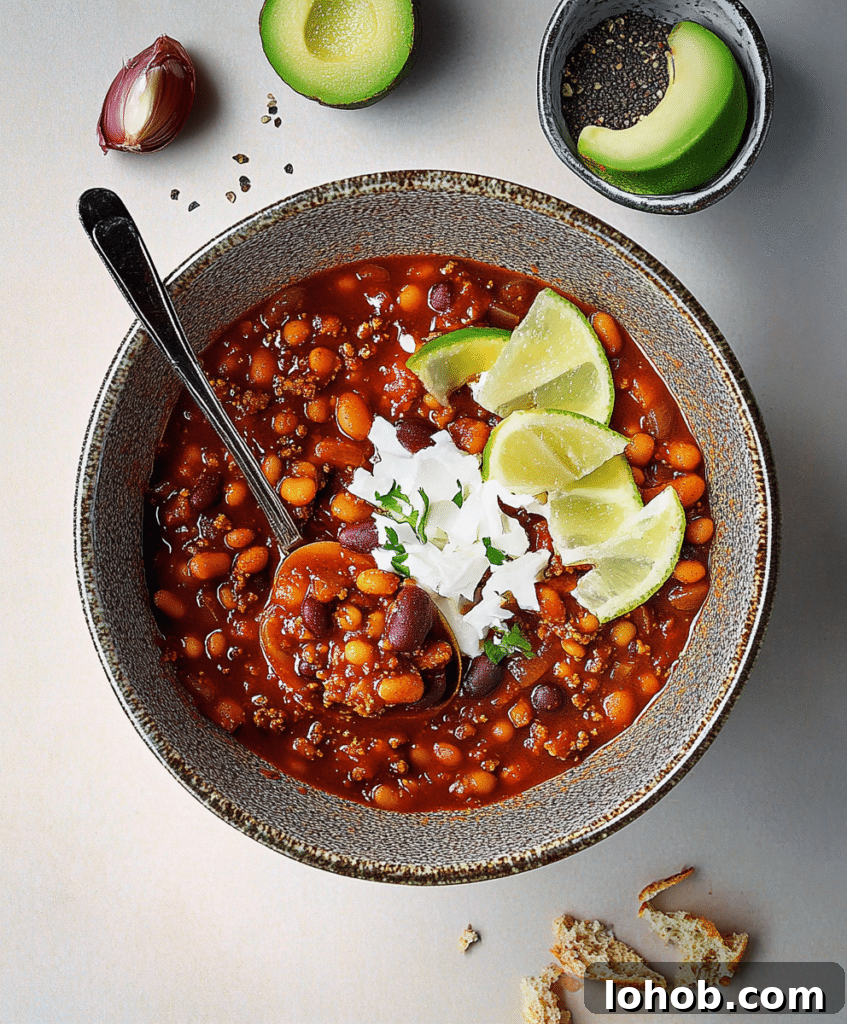
Serve chili casually with rice, pasta, or a baked potato. Fresh cilantro or parsley brightens the bowl. Offer toppings like diced avocado, vegan sour cream, shredded vegan cheese, or tortilla chips for crunch. For gatherings, serve family-style with bowls of toppings so guests can customize.
Drink pairings
A crisp beer (pale ale or lager) pairs well with the smoky spice. For wine, a light red like Pinot Noir complements the flavors. Non-alcoholic options such as sparkling water with lime refresh the palate.
Storage and reheating tips
Chili often tastes better the next day. Store in an airtight container in the refrigerator for up to five days. Reheat on the stove with a splash of water or broth to loosen the texture, or microwave in intervals, stirring between cycles. For long-term storage, cool completely, portion into freezer-safe containers, and freeze up to three months. Thaw overnight before reheating.
Scaling the recipe
The recipe serves about 4–6. Double or triple for a crowd, using a suitably large pot. When reducing the recipe, start with proportionally less spice and adjust to taste.
Troubleshooting
- Too thick? Add broth or water and warm through.
- Too thin? Simmer with the lid off until it reaches the desired consistency.
- Too spicy? Stir in a spoonful of sugar, extra beans, or a dollop of a creamy topping to mellow heat.
Ready to give it a try?
This vegan chili is comforting, adaptable, and easy to make with pantry staples. Whether you follow the recipe exactly or experiment with vegetables and beans, it’s a crowd-pleasing meal that warms from the inside out. Enjoy, and feel free to adapt it to your taste!
FAQs
Q: Can I make this in a slow cooker?
A: Yes. Sauté the onion, garlic, and pepper first, then transfer everything to the slow cooker. Cook on low for 6–8 hours or high for 3–4 hours.
Q: Can I freeze leftovers?
A: Yes. Cool completely, portion into freezer-safe containers, and freeze up to three months.
Q: Can I use canned beans?
A: Absolutely. Drain and rinse canned beans before adding.
Q: How can I make this less spicy?
A: Omit cayenne and reduce or remove hot peppers. You can always add heat later to individual bowls.
Q: What’s the best way to reheat chili?
A: Reheat gently on the stove with a splash of broth or water, or microwave in 1–2 minute intervals, stirring between cycles.