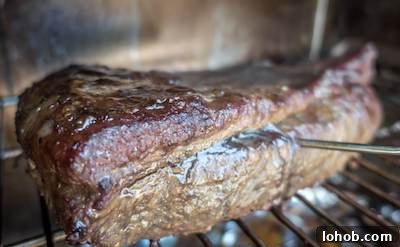
If you want tender, flavorful pulled pork from an electric smoker, this guide walks you through the process from choosing the right cut to resting and shredding. Follow these practical steps and pro tips to produce reliable, mouthwatering results every time.
Overview: Set your electric smoker between 220°F and 250°F. Apply a generous rub to the pork butt, smoke the meat until a firm bark develops, then spritz periodically. When the internal temperature reaches about 165°F, wrap the meat and continue cooking to 200°F–205°F or until probe-tender. Rest the pork for 30–60 minutes before pulling or slicing.
What You Need To Know About Pork Butt On An Electric Smoker
- Smoker temperature: 220°F–250°F for the initial smoke; you can lean toward the higher end later but keep it consistent.
- Apply a thick, even layer of rub and press it into the meat so the bark can form.
- Leave the pork untouched for the first 3–4 hours to allow bark formation and smoke absorption.
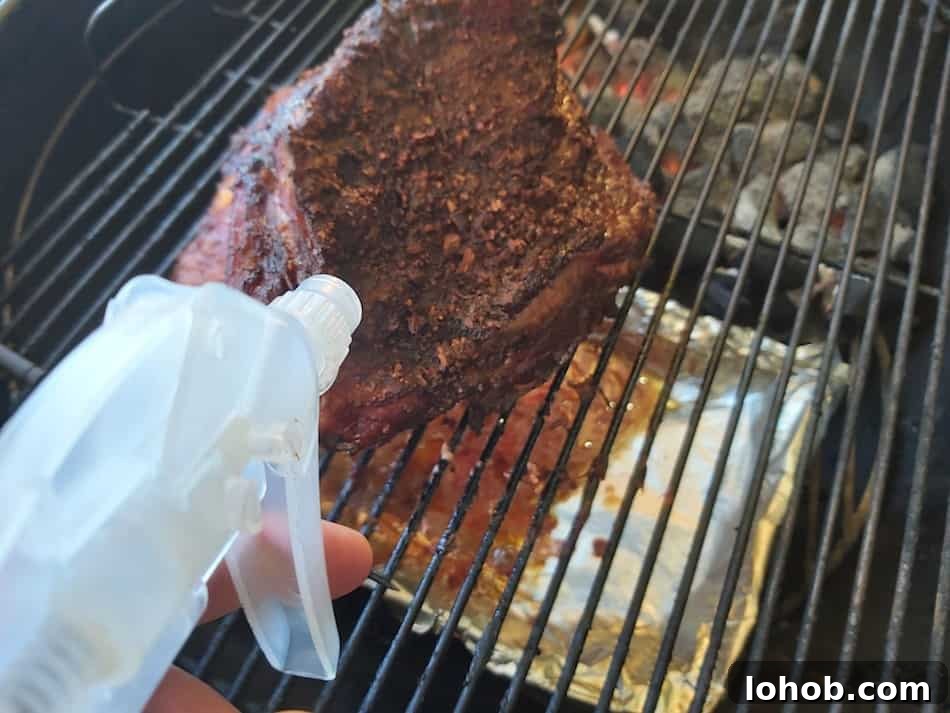
- Once the bark has set, spritz every 30–40 minutes with apple juice, apple cider vinegar, or water to maintain moisture and develop smoke ring.
- Wrap the butt in foil (or butcher paper for a firmer bark) when the internal temp reaches roughly 160°F–165°F, then continue cooking to 200°F–205°F or until probe-tender.
- Rest the pork for 30–60 minutes before pulling; resting redistributes juices and cools the meat enough to comfortably shred.
- Choose a pork butt with a prominent money muscle and, if possible, with the bone intact for better structure and moisture retention.
- Pork butt contains abundant fat and connective tissue; low-and-slow cooking breaks the connective tissue down into tender collagen.
- Trim only very thick fat lumps; leave most fat to render and keep the meat moist.
- Use smoke woods to your taste—hickory pairs well with pork, but the cut is robust and handles many woods.
- Brining or injecting are optional but useful techniques to add flavor and help the meat retain moisture.
Key Moments Of The Cook
| Step | Instruction |
|---|---|
| 1 | Set smoker to 220°F–250°F and apply a generous rub. |
| 2 | Place pork on the smoker and leave it undisturbed for the first 3–4 hours. |
| 3 | After the bark sets, spritz every 30–40 minutes. |
| 4 | Wrap at ~165°F and continue to 200°F–205°F or until probe-tender. |
| 5 | Rest 30–60 minutes before slicing or pulling. |
Choosing The Perfect Pork Butt
At the butcher, look for a well-marbled pork butt (also called Boston butt) with a large money muscle and, if available, the bone still in. The shoulder’s high fat and connective tissue content makes it ideal for low-and-slow smoking; slow cooking renders fat and softens connective tissue so the meat becomes tender rather than chewy.
Woodchips
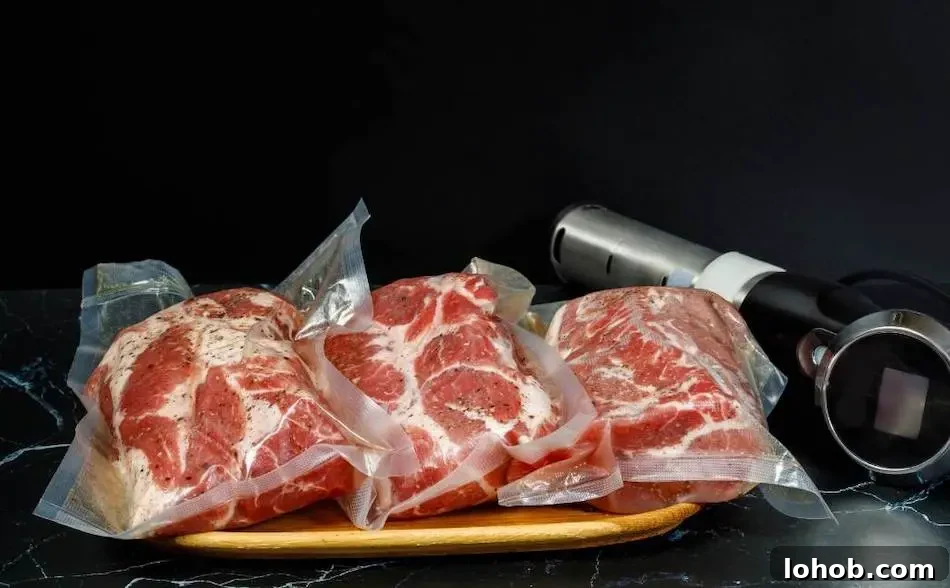
Don’t overthink wood selection. Pork butt is forgiving—hickory is classic, but fruitwoods and mixes work well. Keep the wood supply topped up during the early, unwrapped phase of the cook to maintain a steady smoke flow.
Prepare The Butt
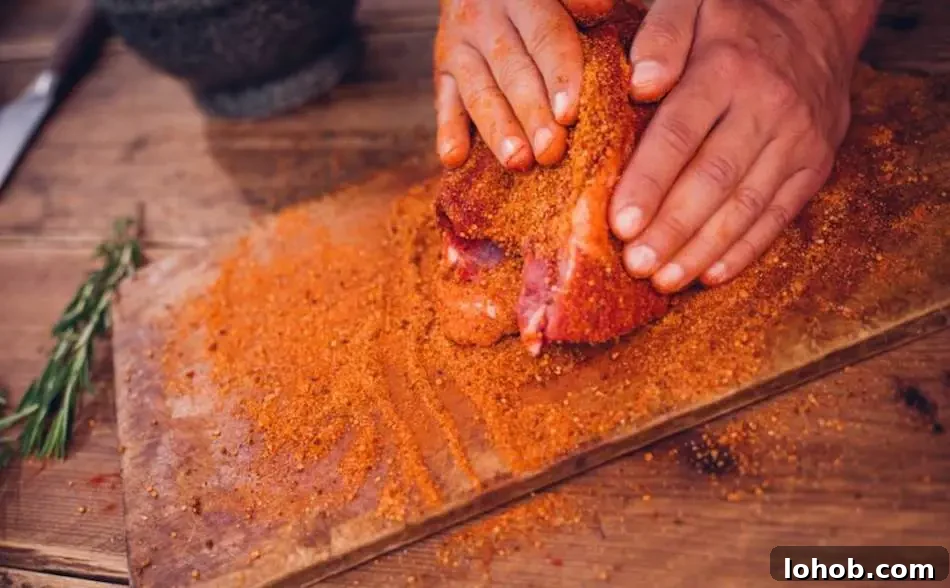
Trim only very thick fat deposits and any glandular material from the underside. Score the top fat if you like, then apply a binder—olive oil or yellow mustard—if needed to help the rub adhere. Press the rub into the meat for an even crust.
Injecting and Brining (Optional)
Injecting with a seasoned liquid or using a wet or dry brine can boost flavor and moisture retention. A wet brine soaks the meat in a salt-and-sugar solution; a dry brine uses kosher salt rubbed into the meat and refrigerated overnight. If you brine, adjust rub salt levels to avoid over-salting.
The Rub
For a good bark, cover the meat evenly with a thick layer of rub. A basic, effective rub is 50/50 coarse black pepper and kosher salt with a bit of paprika. Add brown sugar for sweetness or garlic and onion powders for savory depth. If the rub won’t stick, use a light binder as noted above.
Developing The Bark
Allow the pork to smoke undisturbed for the first several hours so bark can form and smoke can penetrate. The bark is a dehydrated crust of meat, spice, and smoke—avoid spritzing or wrapping too early or you’ll wash off or soften the bark. Test for readiness by touching: when the rub no longer sticks to your finger, it’s safe to begin spritzing.
Spritzing or Mopping
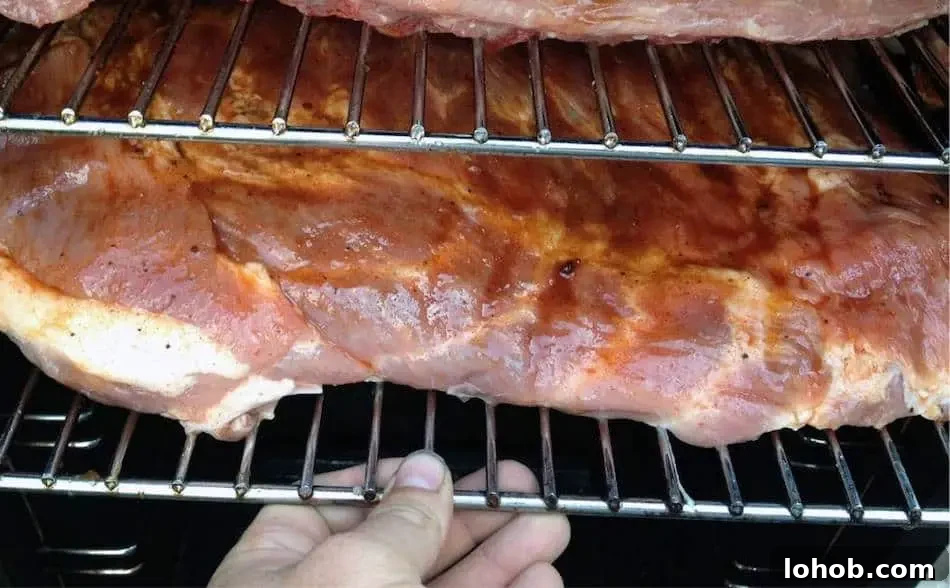
Begin spritzing once the bark has set. Apple juice, apple cider vinegar, or plain water work well. Spritzing cools the surface slightly, slowing the cook—helpful for breaking down connective tissue—and it replaces lost surface moisture. If you mop instead, use a light mop sauce and apply sparingly to avoid washing the rub away.
When To Wrap Pork Butt
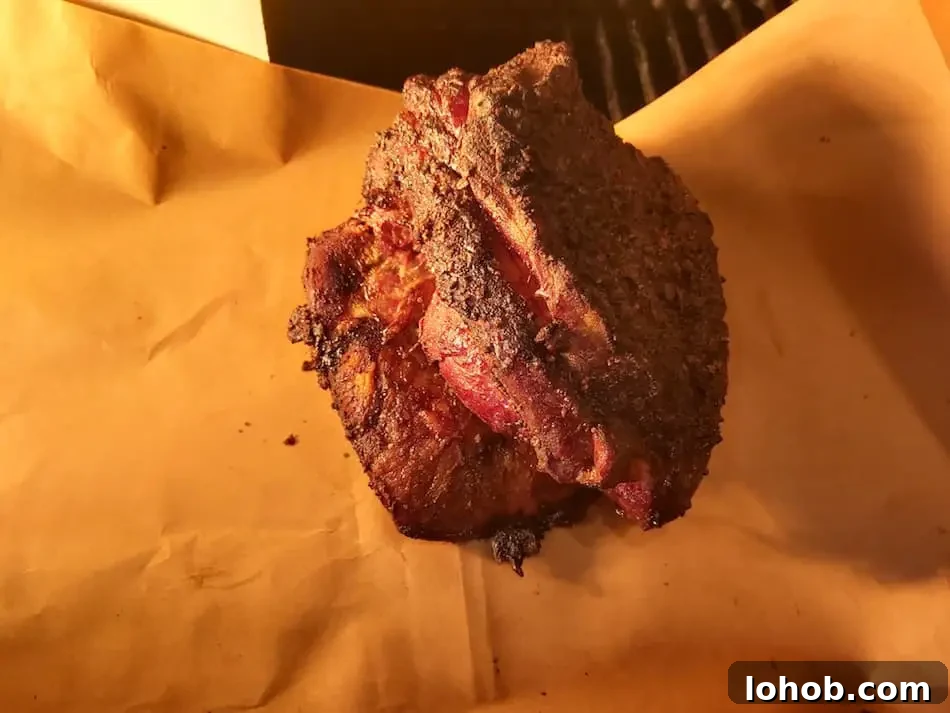
Wrap when the internal temperature reaches about 160°F–165°F and the bark is well developed. Use heavy-duty foil for a faster finish and juicier result, or butcher paper for a firmer bark. Optionally add a splash of apple juice, a pat of butter, or a sprinkle of brown sugar before sealing for added flavor and moisture.
Why Wrap?
Wrapping helps the meat retain moisture, shortens finish time, and pushes the pork through the temperature stall often seen around 150°F. It also limits excessive smoke exposure late in the cook.
How Long Will It Take?
Cook time depends on butt size and smoker consistency. Expect several hours: plan on roughly 1.5–2 hours per pound as a broad estimate, but rely on internal temperature and probe-tender testing rather than time alone.
Pork Butt Done Temp
Target an internal temperature of 200°F–205°F for tender, shreddable pork. Experienced pitmasters also check for probe-tenderness—the meat should offer no resistance to a thermometer probe, feeling like butter. Begin assessing tenderness once the internal temp reaches about 195°F.
Resting
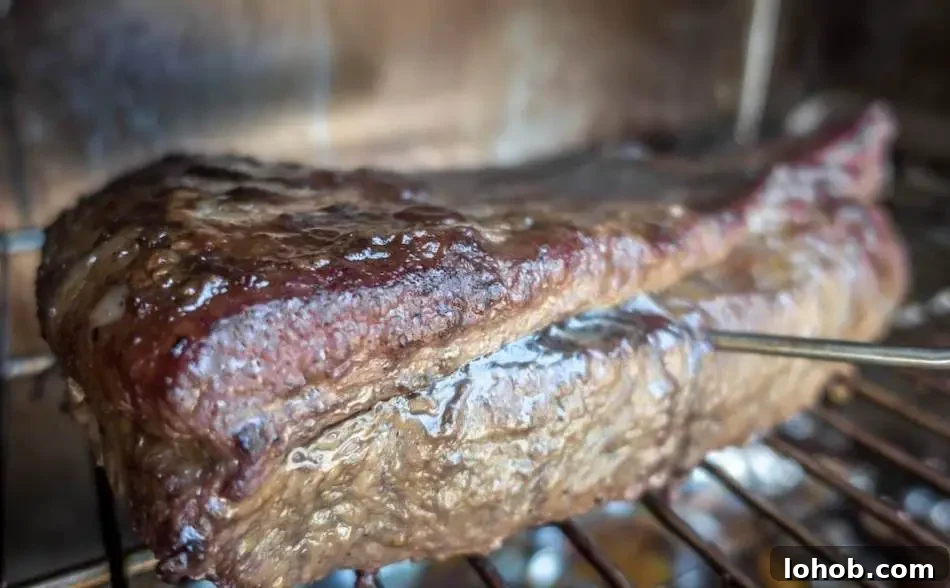
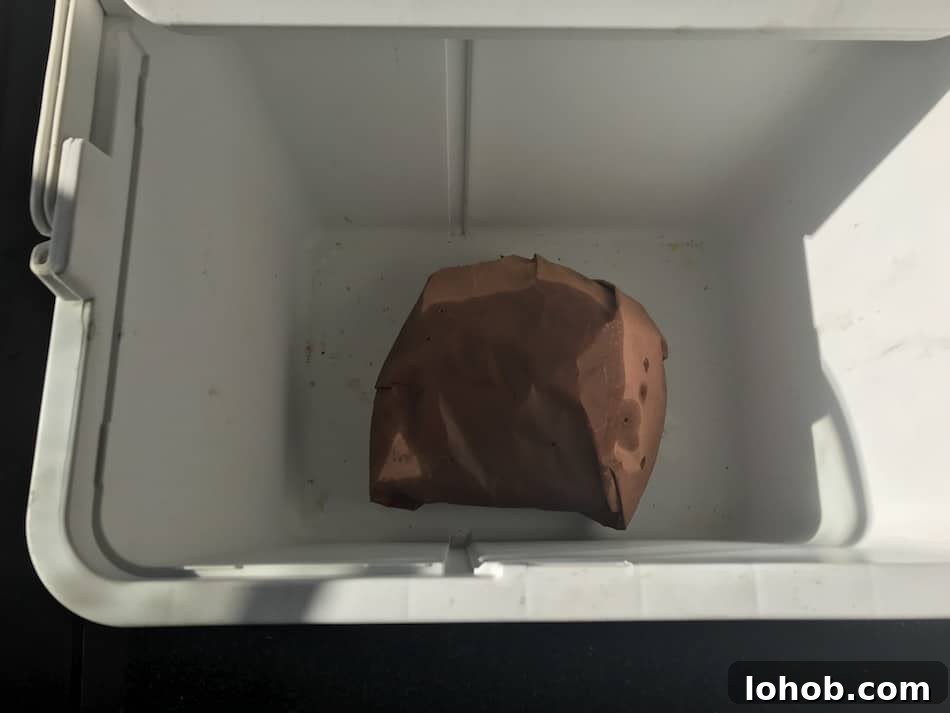
After removing the pork from the smoker, vent the foil to release steam and let the meat rest for 30–60 minutes. Resting allows juices to redistribute and cools the meat for easier shredding. For extended holding, place the wrapped pork in a dry cooler for up to four hours.
Shredding Pulled Pork
Shred the rested pork using heat-proof gloves, shredding claws, or forks. For best texture and juiciness, only shred what you need to serve immediately. If desired, mix in a little reserved cooking liquid or sauce to moisten the meat before serving.
Pork Butt (pork shoulder) in an Electric Smoker
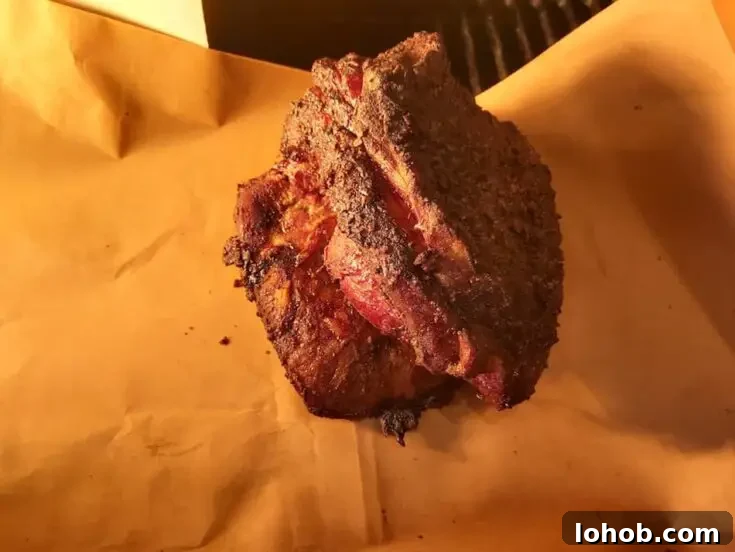
Slow-smoked pork butt produces tender, juicy pulled pork when cooked low and slow with attention to bark and temperature.
10 minutes
Varies by size
Ingredients
- Pork butt
- Barbecue rub
- Salt
- Olive oil or yellow mustard (binder)
Instructions
- Trim very thick fat lumps underneath and score the top fat if desired.
- Apply a light binder of olive oil or yellow mustard so the rub adheres.
- Coat the pork evenly with rub and press it into the meat; refrigerate for a few hours if brined or seasoned in advance.
- Set your electric smoker to 220°F–250°F and place the pork on the middle rack with a thermometer probe inserted into the thickest part.
- Smoke undisturbed for the first 3–5 hours to form a firm bark and absorb smoke.
- Once the bark has set, increase the smoker temperature slightly (do not exceed 275°F), then begin spritzing every 30–40 minutes.
- Continue until the internal temperature reaches about 160°F–165°F, then wrap in foil or butcher paper with an optional splash of apple juice or broth.
- Return the wrapped pork to the smoker until the internal temperature is 200°F–205°F or the meat tests probe-tender.
- Remove and rest 30–60 minutes before shredding.
Nutrition Information:
Serving Size:
85 grams
Amount Per Serving:
Calories: 229
Recommended Tools
Helpful tools include a reliable dual-probe thermometer, a fast instant-read thermometer, heatproof gloves or shredding claws, and butcher paper for finishing. These make monitoring temperatures, shredding safely, and achieving a great bark much easier.
Following these steps—selecting the right cut, building a firm bark, spritzing at the right time, wrapping to push through the stall, and resting before shredding—will help you produce consistently juicy, tender pulled pork in an electric smoker.