Brown butter, also known as beurre noisette, is a simple yet transformative ingredient that bakers and chefs use to deepen flavor in both sweet and savory dishes. With just butter and a little attention at the stovetop, you can add nutty, caramel notes to cookies, cakes, blondies, and more.
Disclosure: As an Amazon Associate, I earn from qualifying purchases.
Why You’ll Love Brown Butter for Baking
Brown butter adds complexity and depth you can’t get from plain melted butter. The milk solids caramelize and create a toasty, almost nutty aroma and flavor that lifts baked goods from good to memorable. Key benefits:
- Requires only butter and a pan
- Imparts rich, toasted and caramel-like flavors
- Ready in minutes with simple steps
Ingredients & Substitutions
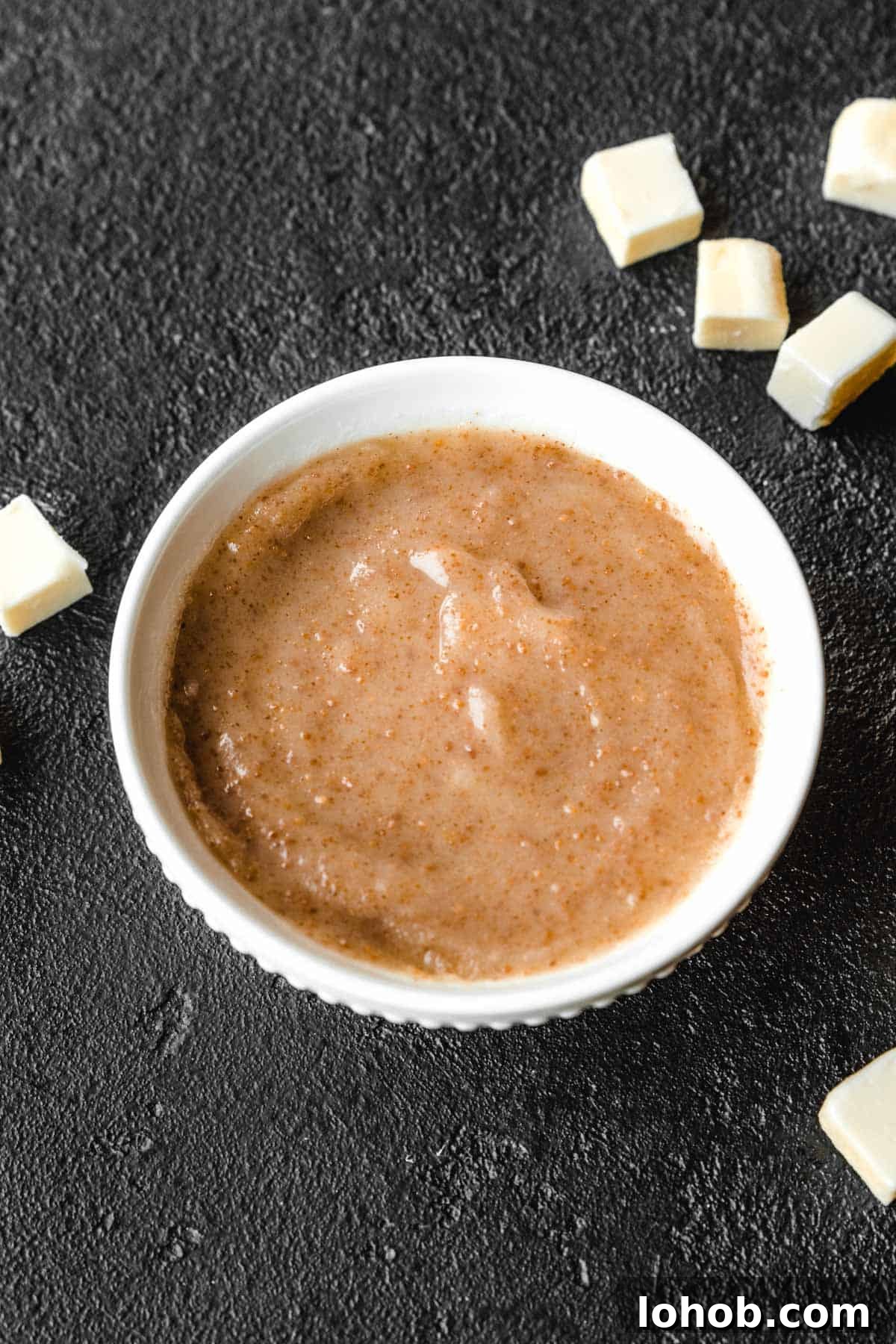
All you need is butter. Salted or unsalted both work, but unsalted is recommended so you can control the salt level in the recipe. Many bakers prefer unsalted butter for consistent results.
Best Pan for Brown Butter
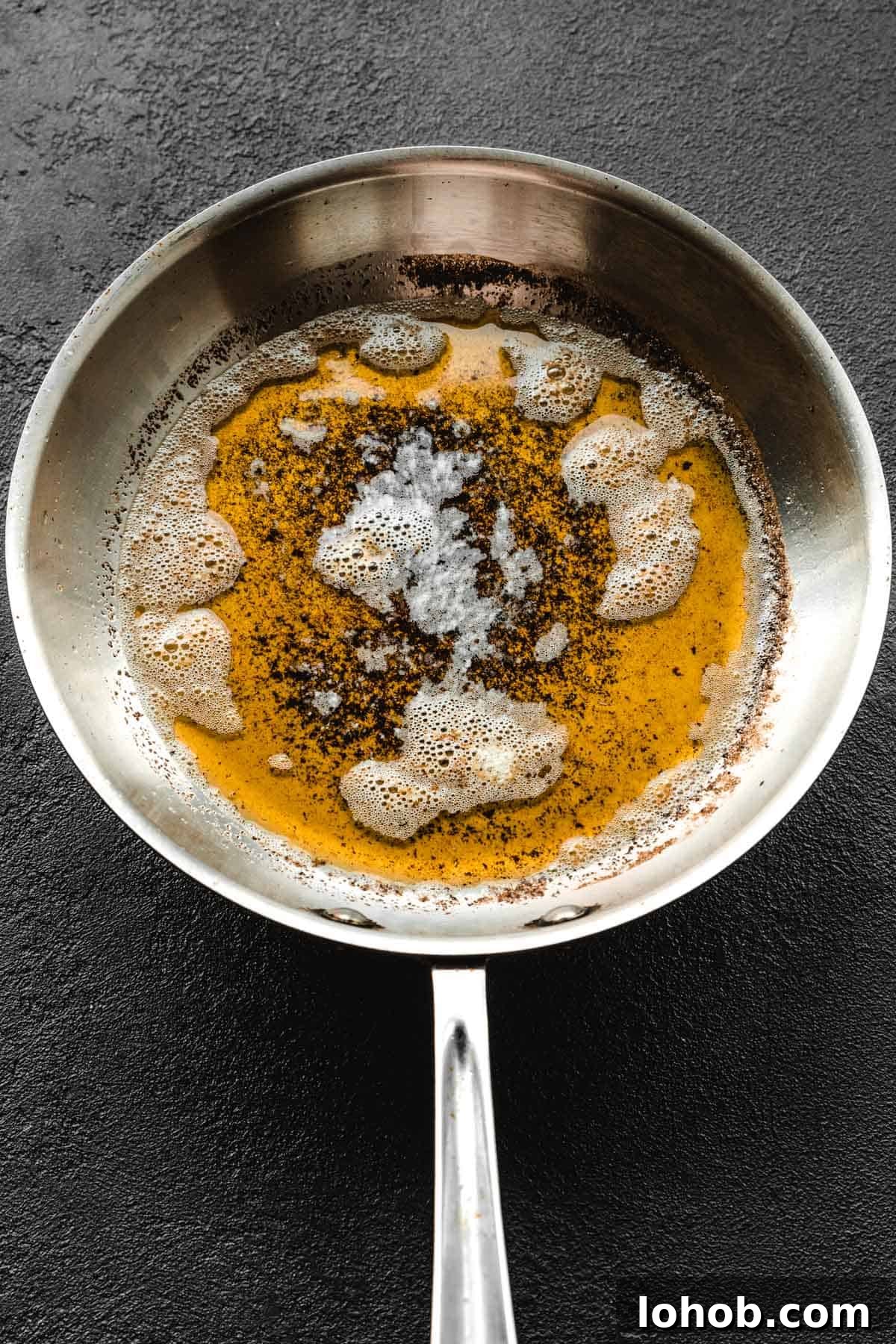
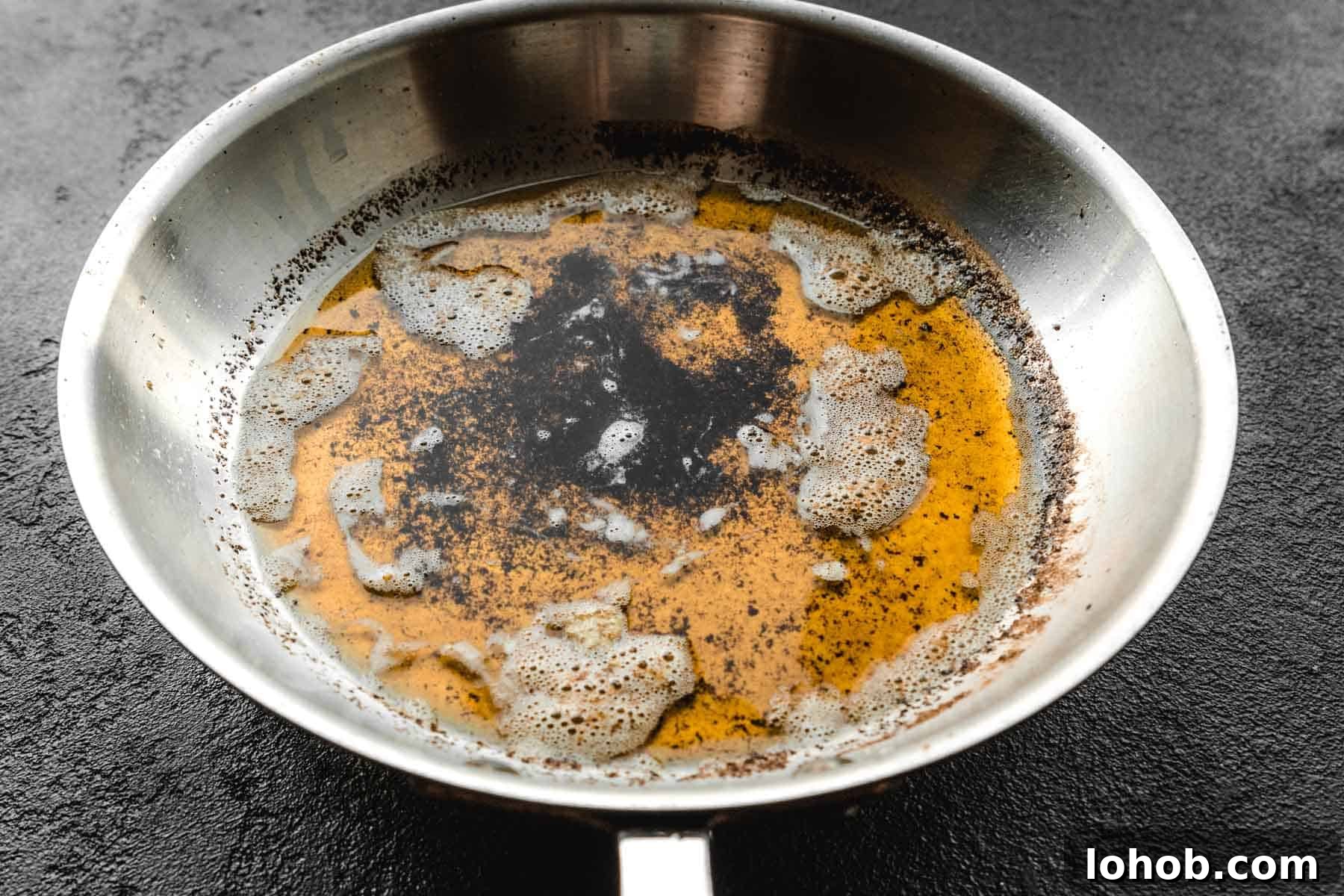
Use a light-colored metal pan or skillet. Avoid dark or nonstick pans because the browned milk solids are easier to see against a light surface. Being able to watch the color change helps prevent the butter from burning—once it turns too dark it becomes bitter and unusable.
How Browning Works
As butter melts over gentle heat, the water evaporates and the milk solids separate and settle to the pan. Those milk solids caramelize and produce the signature nutty, toasty aroma. Because water evaporates, brown butter has a slightly lower volume than plain melted butter, so it may not be a direct one-to-one substitute in every recipe.
If a recipe calls for a precise volume of melted butter, either make extra browned butter or add a small amount of melted (unbrowned) butter to reach the required amount.
How to Brown Butter
Step 1
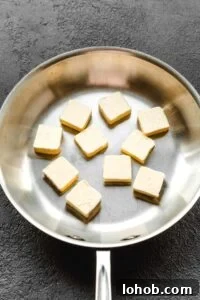
Place a light-colored skillet over medium-low heat and add the butter. Cutting the butter into tablespoon-sized pieces helps it melt more quickly and evenly; a whole stick can melt unevenly and risk burning on the edges before the center has browned.
Step 2
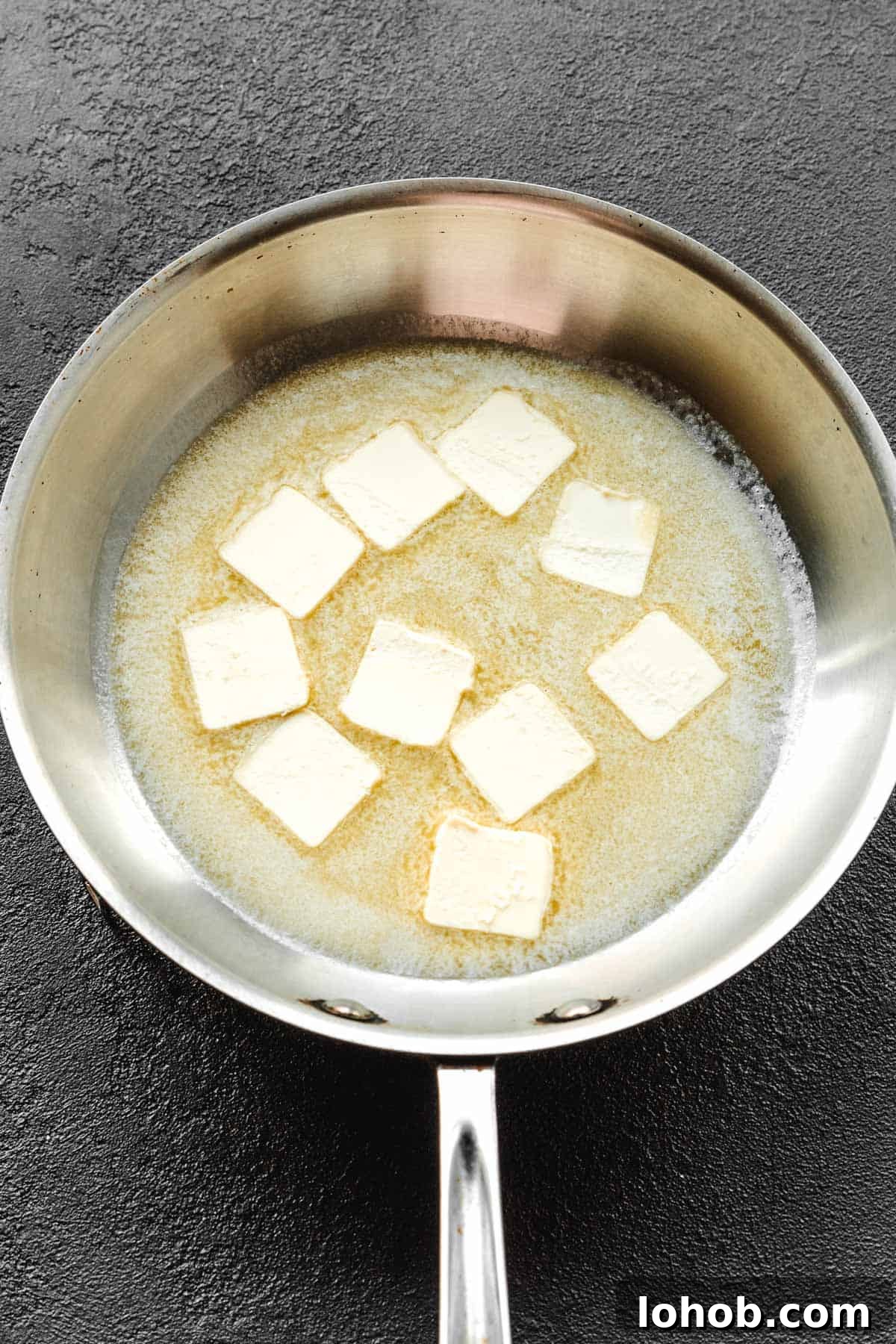
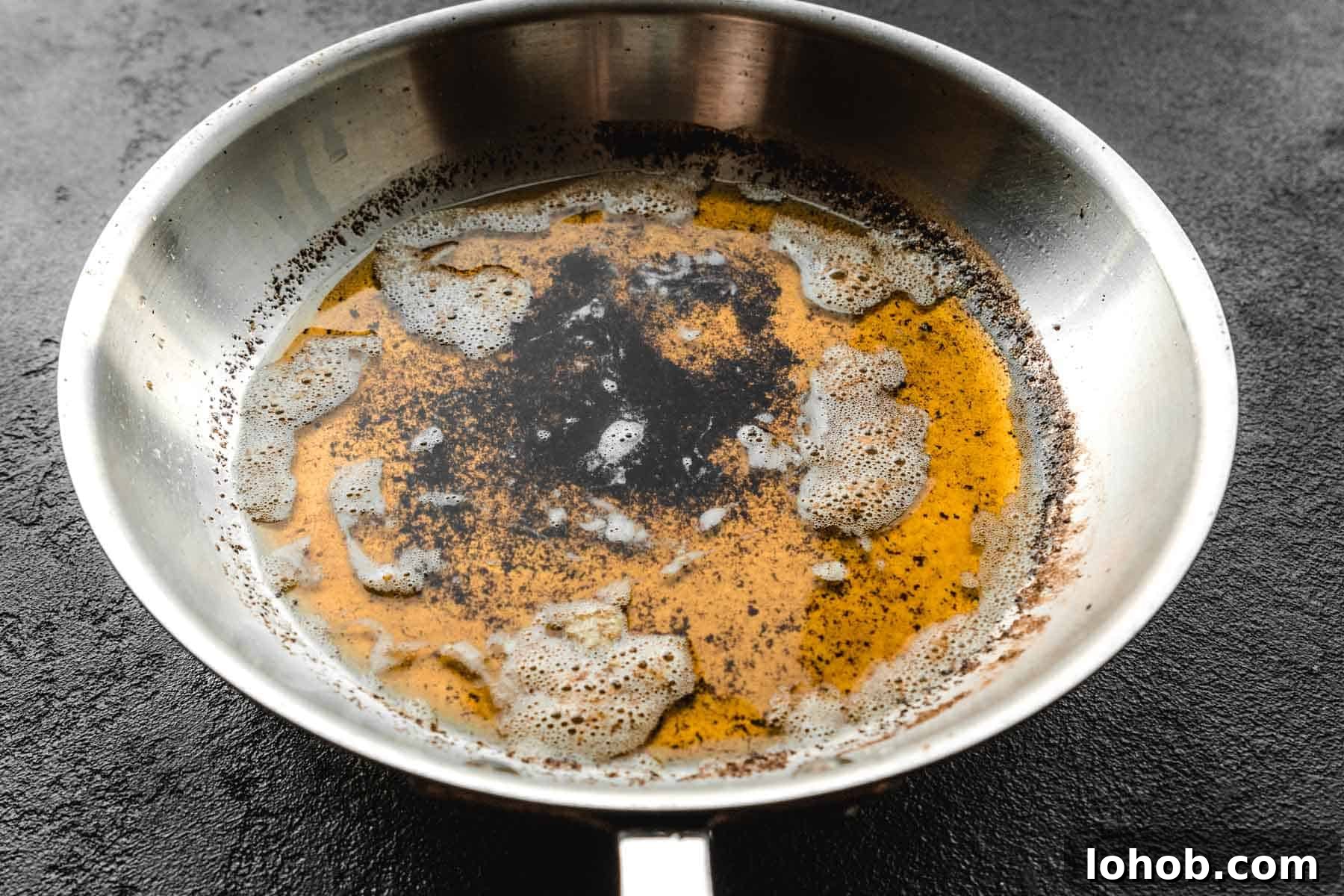
Stir or swirl the butter as it melts using a heatproof spatula or wooden spoon so it cooks evenly. The butter will foam and may sputter. As it cooks, milk solids will separate and turn golden brown as they settle on the pan bottom. Stay nearby and keep stirring to prevent burning.
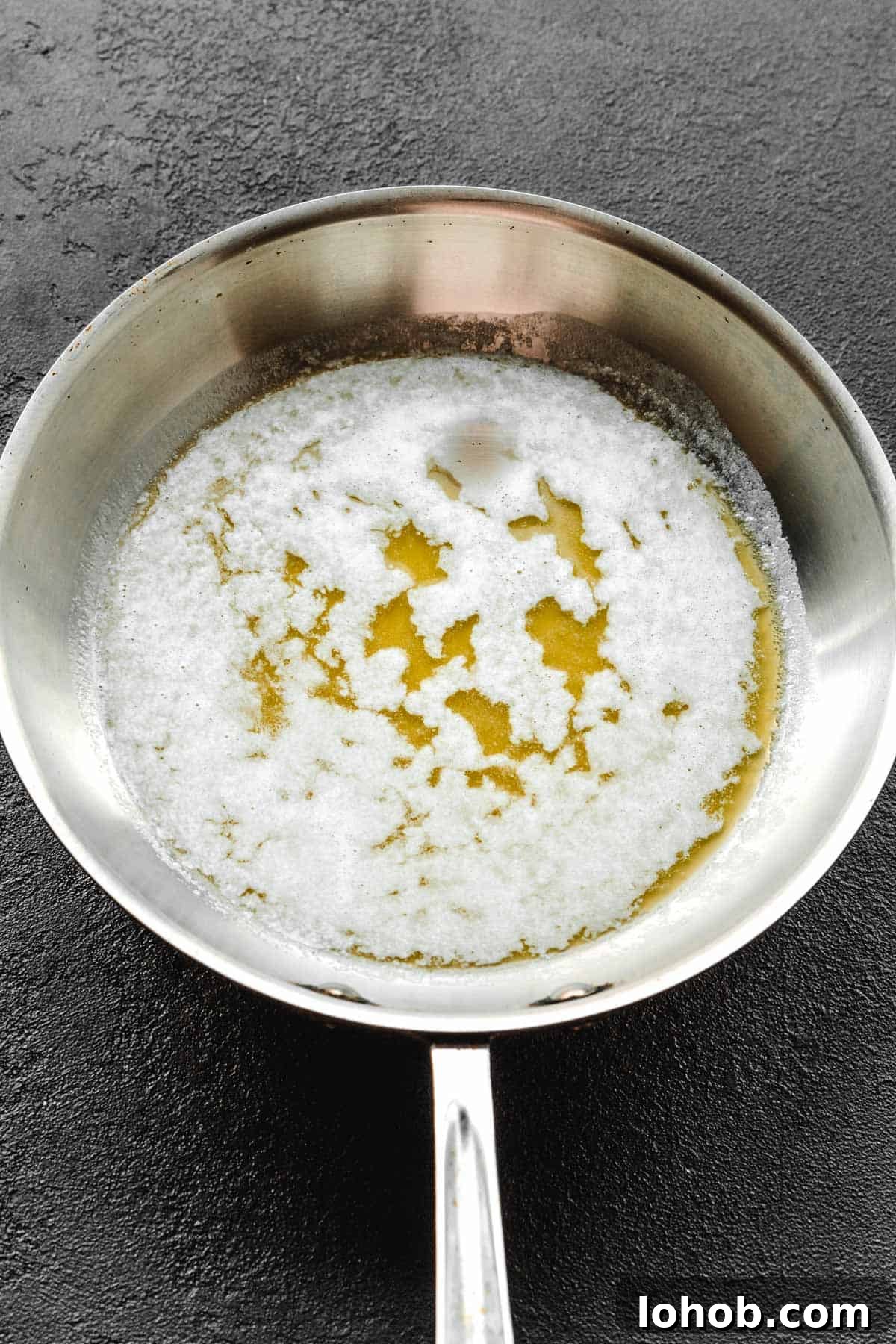
Once you see the milk solids turn a rich golden brown and smell a nutty aroma, remove the pan from heat immediately. Residual heat will continue to cook the butter, so pulling it off the burner at the right moment prevents burning.

Step 3
The whole process usually takes 5–8 minutes. Scrape the browned butter and all the brown bits into a heatproof bowl or measuring cup—those brown bits (the caramelized milk solids) hold much of the flavor.
Pro Tips
- Use a light-colored pan to monitor color changes and avoid burning.
- Choose a medium, shallow skillet so the butter browns evenly across a wider surface.
- Cook over medium-low heat; higher heat increases the risk of burning.
- Keep stirring and stay close to the stove while browning.
- When substituting brown butter for melted butter, account for the reduced volume due to moisture loss—either make extra brown butter or add a little melted butter to reach the recipe’s required amount.
FAQs about Brown Butter
Does the butter need to be room temperature?
No. Cold or room-temperature butter both work. Gentle heating melts and browns the butter regardless of initial temperature.
Can brown butter be frozen?
Yes. Cool browned butter to room temperature, pour into an ice cube tray or freezer-safe container, then freeze for up to three months. Wrap or seal well to prevent the butter from absorbing other freezer odors.
Simple Brown Butter Recipe (Makes about ½ cup)
- ½ cup unsalted butter, cut into tablespoon-sized pieces
Instructions: In a light-colored skillet over medium-low heat, melt and stir the butter until it foams and the milk solids separate and brown, about 5–8 minutes. Remove from heat immediately and transfer all brown bits into a heatproof bowl. Allow to cool before using or storing.
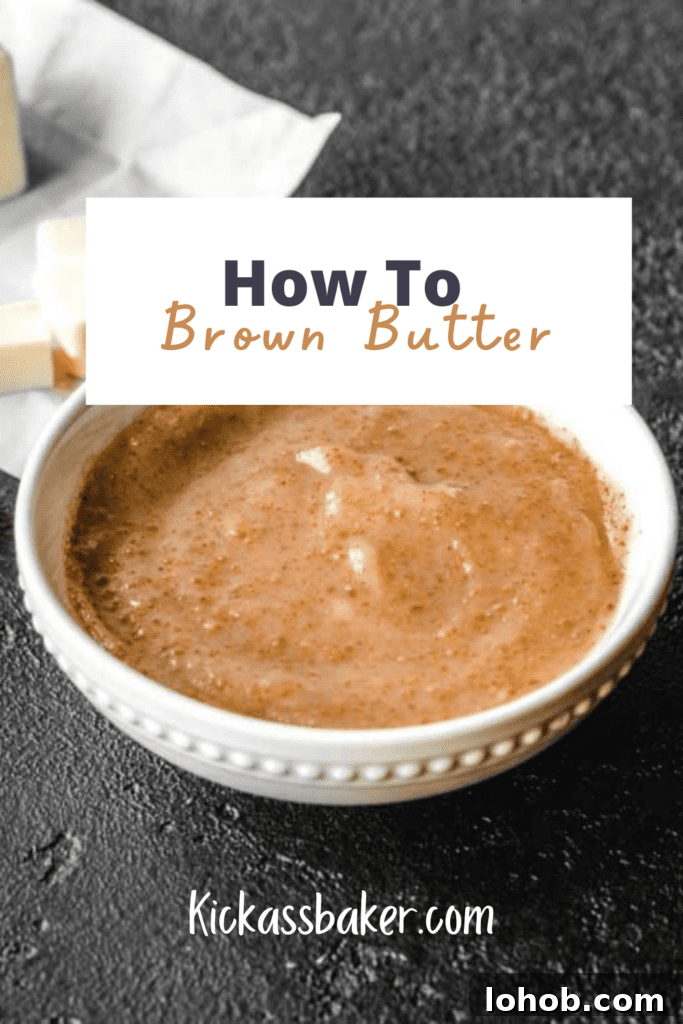
Storage: Refrigerate browned butter for up to two weeks. Re-melt before using in recipes that call for melted butter, stirring to reincorporate the browned bits. To freeze, pour cooled butter into an ice cube tray, freeze, then transfer cubes to a sealed bag for up to three months.
If you try this technique, leave a comment and rating—your feedback helps other bakers discover how much brown butter can enhance a recipe!