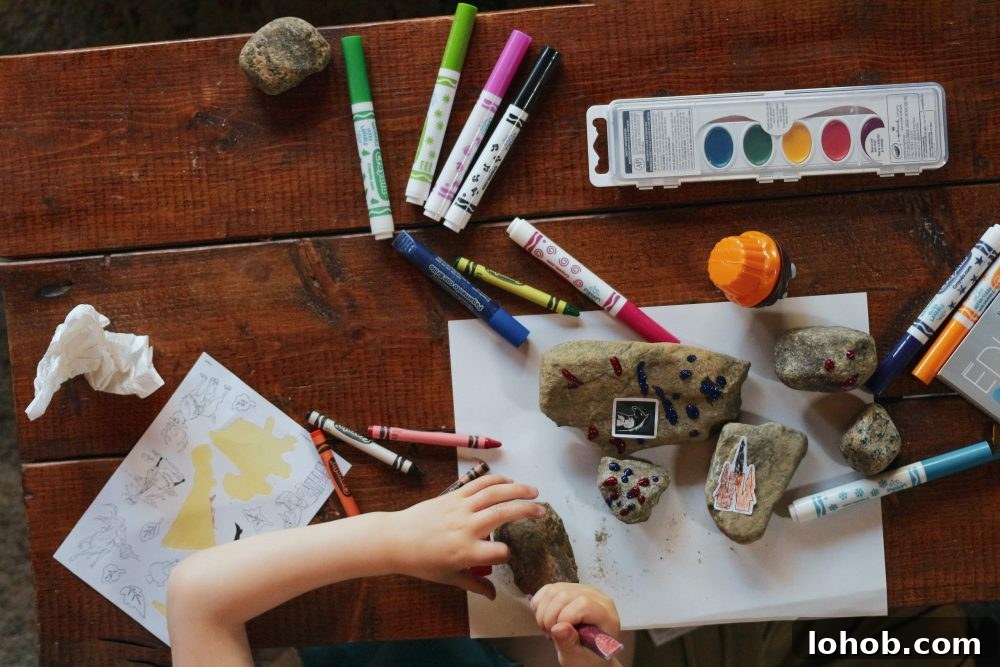
Crayola has long been a trusted name in children’s art supplies, but reports in recent years of toxic chemicals found in some school items—phthalates, lead, asbestos, and others—have left many parents wondering whether Crayola products are truly as safe as advertised.
This article examines what is publicly known about the ingredients and potential contamination risks in Crayola crayons, markers, and paints so you can decide what’s best for your family.
Table of Contents
- What Are the Ingredients in Crayola Crayons? Are They Really Non-Toxic?
- What’s the Deal with Paraffin Wax?
- What About the “Color Pigment”?
- Are Crayola Crayons Toxic If Eaten?
- TL;DR: Are Crayola Crayons Toxic?
- Better, Non-Toxic, Eco-Friendly Crayons
- Honeysticks
- eco-kids
- Mamamboo
- Filana
- Big Little Universe
- Are Crayola Markers Non-Toxic?
- Are Crayola Markers Safe for Skin?
- Can Toddlers Use Crayola Markers?
- Are Crayola Markers Toxic to Dogs & Cats?
- Is Crayola Paint Toxic?
- Better, Non-Toxic Paint
- Honeysticks
- eco-kids
- Natural Earth Paint
- Wee Can Too
- TL;DR: Are Crayola Crayons (& Other Products) Non-Toxic?
This post contains affiliate links; we may earn a small commission if you choose to buy. Recommendations are based on ingredient and material safety standards.
What Are the Ingredients in Crayola Crayons? Are They Really Non-Toxic?
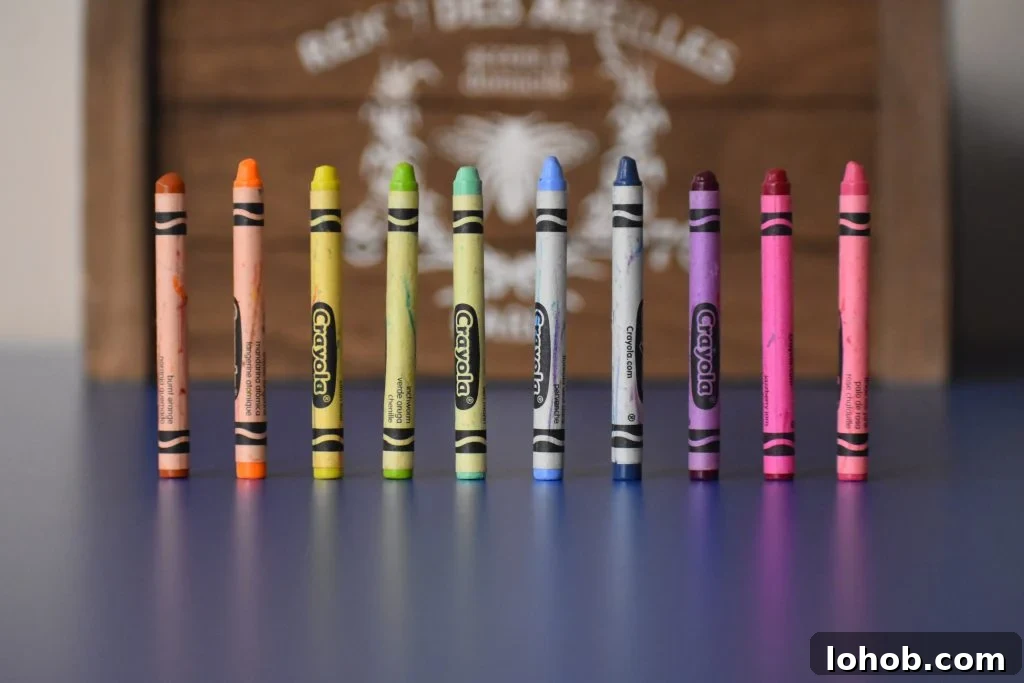
Crayola does not publish complete formulas for their products, citing proprietary formulations. That limits transparency for consumers seeking full ingredient details for items used by children.
Crayola’s public information lists the basic crayon ingredients as paraffin wax and “color pigment.” Their FAQ also specifies several common allergens and materials they do not use, such as peanuts, tree nuts, eggs, milk, casein, fish, certain dyes, and latex (although latex gloves may have been used in handling materials).
We contacted Crayola and received the same response. Greater transparency would make it easier to evaluate safety in detail.
What’s the Deal with Paraffin Wax?
Paraffin wax, derived from petroleum, coal, or shale oil, is the main base in Crayola crayons. Because it comes from fossil fuels, paraffin raises environmental concerns and can emit harmful compounds when burned, such as benzene and toluene. Those combustion-related risks are not relevant to normal crayon use since crayons are not typically burned.
For everyday handling, paraffin wax in crayons is generally not associated with acute harm. The primary considerations are environmental impact (non-renewable source and refining waste) and potential long-term exposure if crayons are frequently ingested.
RELATED: Non-Toxic Back to School Guide
What About the “Color Pigment”?
“Color pigment” is a broad term that can include many different dyes and pigments, some safer than others. Crayola states they do not use certain problematic dyes, but they do not disclose the full list of pigments used. That lack of detail prevents a definitive assessment of all potential risks from the colorants in their crayons.
Are Crayola Crayons Toxic If Eaten?
Children and pets sometimes ingest crayons. According to Crayola, ingesting crayons should not cause harm and their products are marketed as non-toxic. However, there are two reasons to discourage ingestion:
- Toxic burden: Many chemicals in our environment accumulate over time. A single crayon is unlikely to cause acute harm, but repeated ingestion of petroleum-derived materials and other contaminants can contribute to long-term body burden.
- Contamination risk: Independent testing of some school supplies has found contaminants—such as asbestos in a different crayon brand—so contamination is a real possibility across manufacturers.
Lead concerns
Lead is a well-known hazard for children. Toy safety standards limit lead in crayons to a maximum amount by law, and tests by independent researchers have shown Crayola crayons generally test below toy safety limits. However, those toy limits are higher than the limits that would apply to food, and because crayons are sometimes ingested, some experts argue stricter standards would be appropriate. There are documented cases of lead poisoning from ingesting crayons in individual incidents.
For that reason, while Crayola crayons are unlikely to cause immediate severe reactions when handled normally, ingestion can present real risks due to potential contamination and cumulative exposure.
TL;DR: Are Crayola Crayons Toxic?
For typical use—drawing and coloring—Crayola crayons pose little immediate risk and are free from many common allergens. However, crayons can be problematic if eaten due to possible contamination (lead, asbestos in isolated cases across brands) and the long-term implications of ingesting petroleum-derived wax. Avoid ingestion and supervise young children and pets.
Better, Non-Toxic, Eco-Friendly Crayons
If you prefer crayons made without petroleum-derived paraffin and value ingredient transparency, consider switching to brands that use beeswax, plant-based waxes, or food-grade pigments. Below are options that emphasize natural ingredients and clearer sourcing.
Honeysticks

Honeysticks uses sustainably sourced beeswax and food-grade pigments. Their crayons are free from the top common allergens and are plastic-free.
eco-kids

eco-kids offers petroleum-free crayons made from ingredients like beeswax, soy, and carnauba wax, colored with mineral pigments and produced in the USA.
Mamamboo
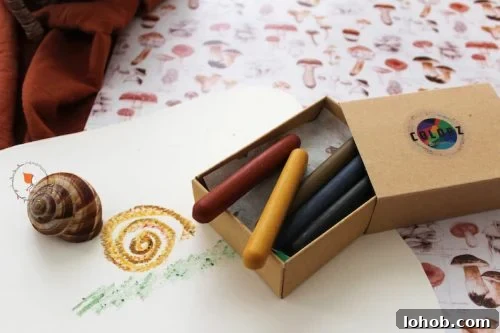
Mamamboo offers vegan crayons made from vegetable waxes and colored with mineral and plant-based pigments for those who avoid beeswax.
Filana
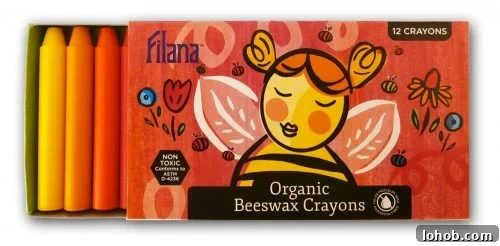
Filana produces crayons in a small Colorado facility using beeswax and natural pigments, with an emphasis on simple, organic ingredients.
Big Little Universe
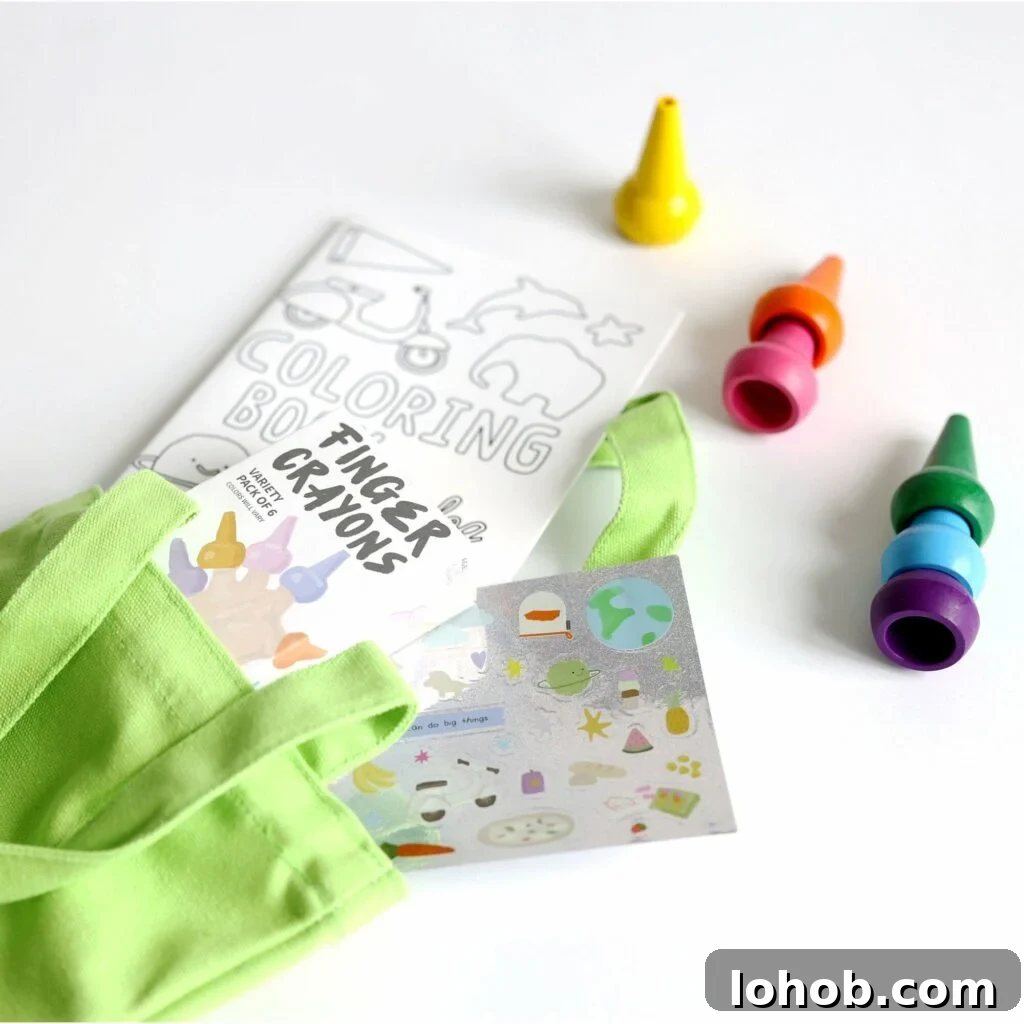
Big Little Universe makes non-toxic finger crayons that stack and double as fine-motor practice. They meet safety testing and include a small activity set for kids.
Next: markers.
Are Crayola Markers Non-Toxic?
Many markers on the market contain solvents or BTEX chemicals that can be harmful. However, markers marketed to children—such as those from Crayola—are typically water-based and formulated to avoid the most hazardous solvents like xylene.
Crayola states the basic marker ingredients are water and dye, and they list the same allergen exclusions as for their other products. Still, they do not disclose full formulations publicly.
Are Crayola Markers Safe for Skin?
Crayola markers are much safer for skin contact than permanent markers or many industrial markers. Occasional skin drawing with a Crayola marker is unlikely to cause ink poisoning in children.
Can Toddlers Use Crayola Markers?
Toddlers can generally use Crayola markers under supervision. Preventing repeated mouthing or ingestion is still recommended.
Are Crayola Markers Toxic to Dogs & Cats?
Pets are most at risk from choking or intestinal blockage from swallowing marker casings and caps. The inks themselves are unlikely to cause immediate toxic effects in small amounts, but any ingestion of foreign material warrants a call to your veterinarian and close observation.
Kid-focused marker brands (Crayola, Rose Art, Cra-Z-Art) remain the most reliable low-toxicity options currently available.

Is Crayola Paint Toxic?
Conventional oil‑based paints can contain solvents and heavy metals that pose risks, particularly for children and chemically sensitive individuals. Crayola’s paints are water-based and have been tested for major toxicants, making them safer than many conventional paints.
However, as with their other products, Crayola does not fully disclose all ingredients, so absolute certainty about every component is not possible. Washable paints are likely the safest option for young children. Supervision is advised to prevent ingestion of large amounts.
Better, Non-Toxic Paint
Several brands use food-grade pigments, natural ingredients, and transparent sourcing for paints and finger paints. Here are some alternatives that prioritize natural or food-safe components.
Honeysticks
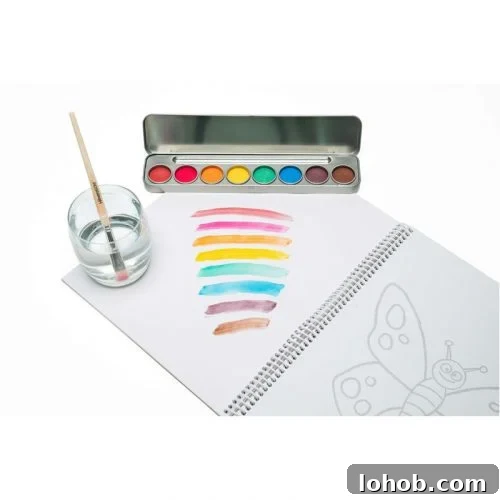
Honeysticks offers watercolor paint free from paraffin, fragrances, and fillers, using food-grade pigments for bright colors.
eco-kids
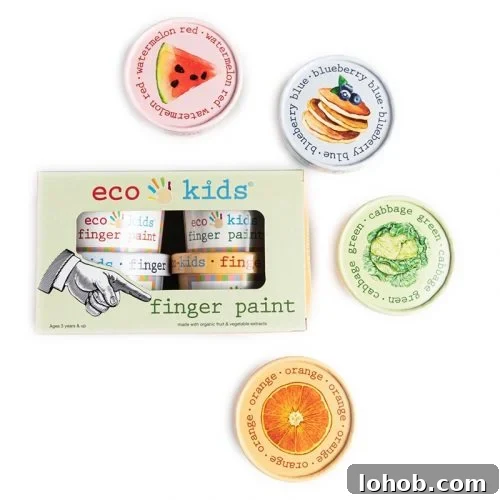
eco-kids finger paints are formulated with food-safe, non-GMO ingredients and pigmented with organic fruit and vegetable extracts.
Natural Earth Paint
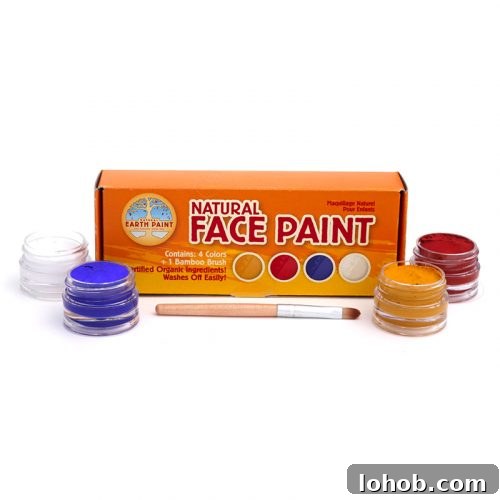
This face paint line uses natural and organic ingredients without nanoparticles, heavy metals, parabens, phthalates, formaldehyde, or petroleum-based pigments.
Wee Can Too
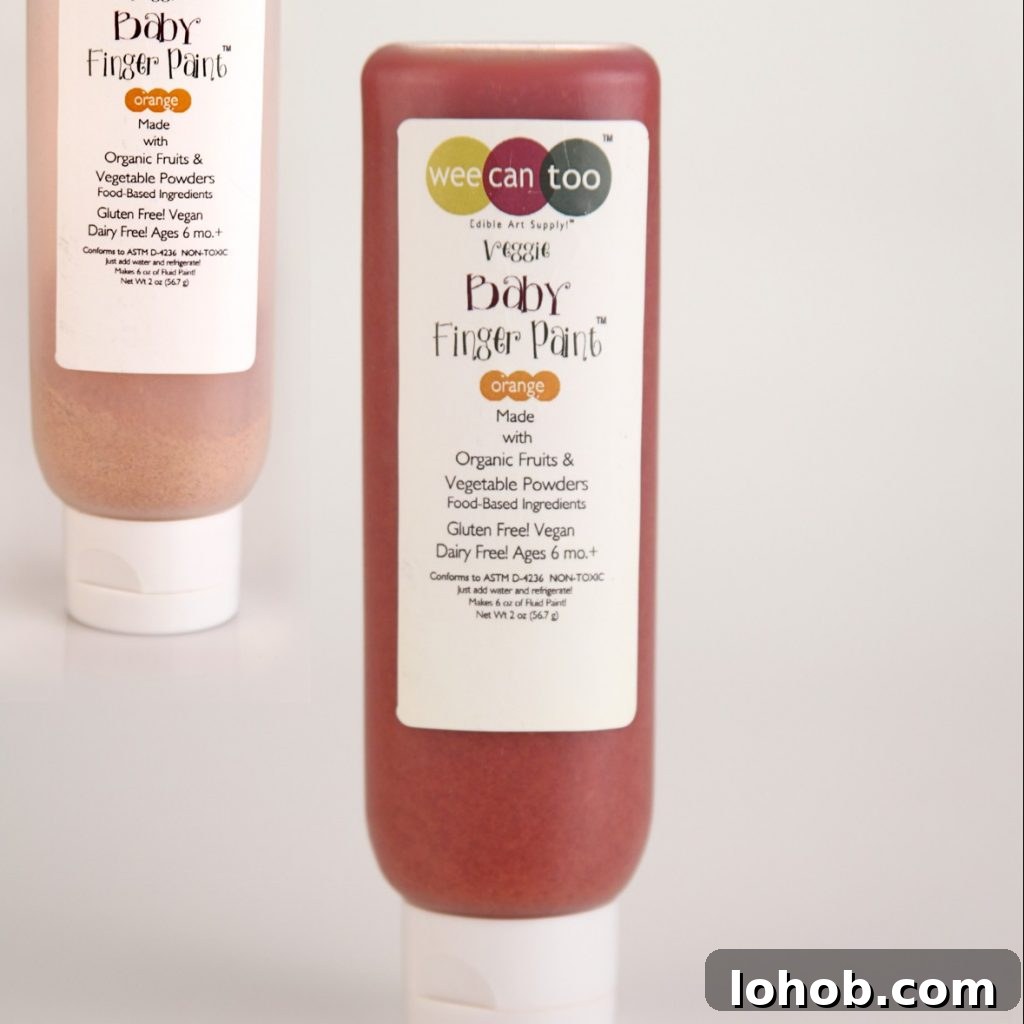
Wee Can Too makes finger paints from organic fruit and vegetable powders and formulates products that are wheat- and dairy-free.
TL;DR: Are Crayola Crayons (& Other Products) Non-Toxic?
Crayola products are unlikely to cause immediate harm from normal use and are free from many common allergens. Still, concerns remain due to limited ingredient transparency, use of petroleum-derived materials, and potential contamination risks such as lead. If you want to minimize those concerns, consider non-petroleum alternatives that disclose ingredients and use natural or food-grade pigments.