
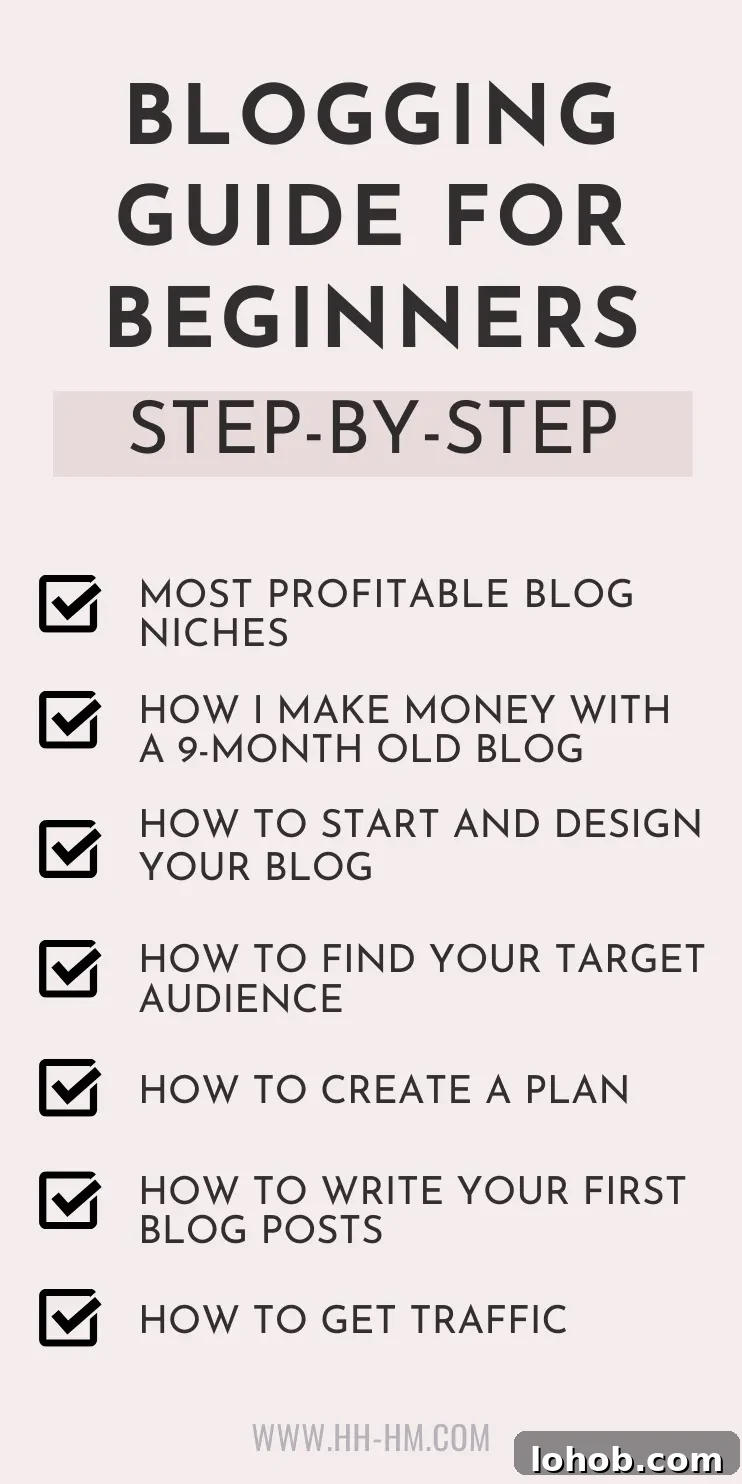
If you want to start a blog successfully, this beginner’s guide will show you how. Whether you struggle with procrastination or just need a clear roadmap, these blogging tips cover popular niches, whether blogging is still relevant, and practical steps to grow and monetize your blog even if you’re just getting started.
First, a quick personal note about my blogging journey, which began in 2019.
Some posts may contain affiliate links, meaning I may earn a small commission if you make a purchase through a link at no extra cost to you. Those earnings help support this blog.
Why I started a blog?
I began this blog in 2019 and built it around my busy life as a parent with multiple projects. Blogging suited my schedule: it required minimal upfront financial investment, allowed flexibility, and offered room to grow. Most importantly, sharing my experience brought me joy.
Growth came steadily. I wasn’t an overnight success, but within the first year the blog reached many readers and showed real potential for the future. That progress reinforced my decision to keep going.
I had hesitated for over a year before starting, which proves one thing: waiting won’t make the process easier. Starting and iterating is how progress happens.
Blog income
When I wrote the first version of this guide my blog was only a few months old. My goal was simple: build a habit of creating content and learn the basics of traffic and monetization. Within eight months I began earning income from the blog. It wasn’t instant or easy, but consistent effort paid off.
The methods I used are the same foundations covered in this guide: focus on helpful content, be patient, adapt as you learn, and consistently promote your posts.
What is a blog?
A blog is a website where an individual or group shares knowledge, experience, or opinion about topics of interest. That’s the essence: people publishing helpful or interesting content on subjects they care about.
Is blogging dead?
Many people assume blogs are outdated, but search engines and social platforms still surface blog posts frequently. Blogs today cover every possible topic—recipes, parenting, home improvement, personal finance, fitness, mental health, and more.
Newer blogs can rank in search results and gain traction on platforms like Pinterest when content solves a clear problem or answers specific questions. Blogging is not dead; its potential depends on creating useful content and reaching the right audience.
How do blogs make money?
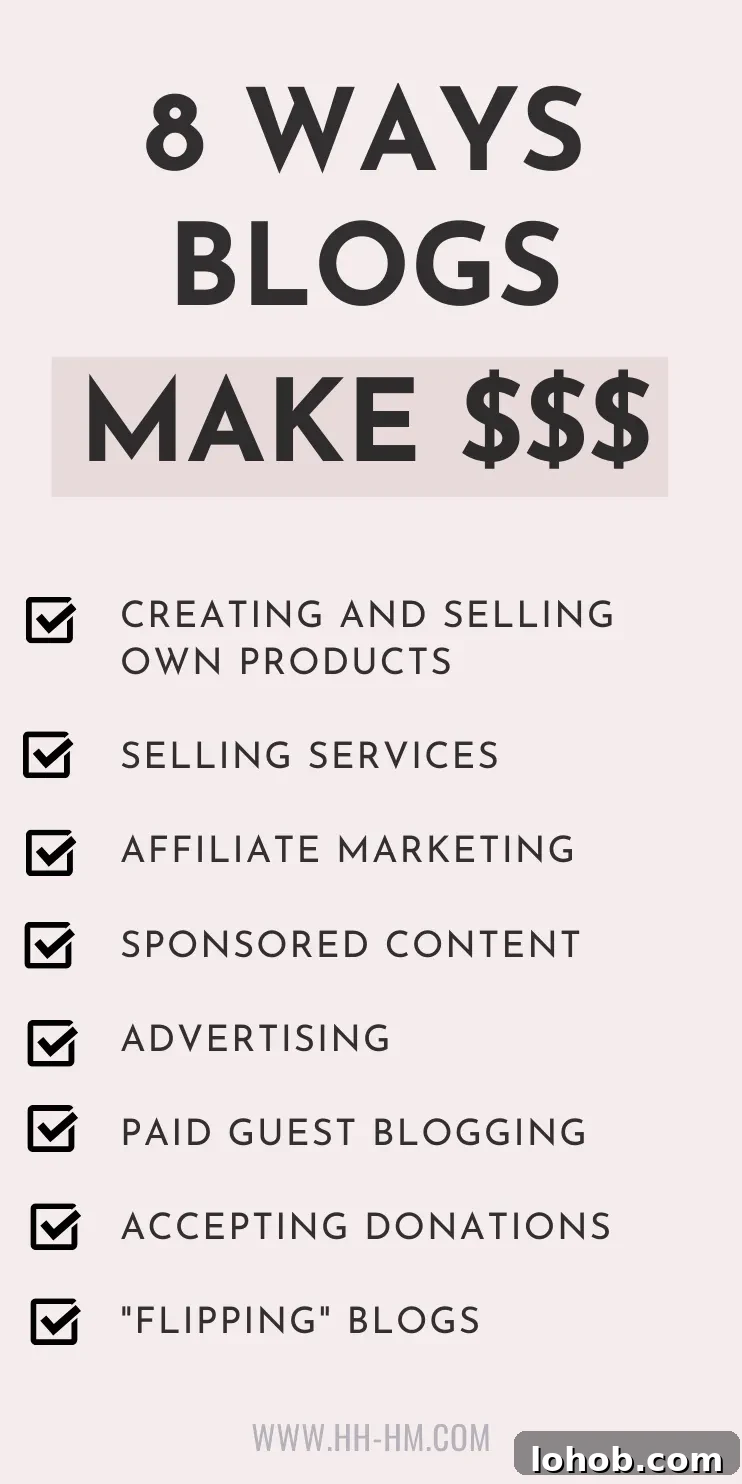
Successful bloggers monetize through two general approaches: selling their own products and promoting others’ products. Common revenue streams include:
- Display advertising, which pays per impressions once an audience is large enough.
- Affiliate marketing, where you earn commission by promoting products and linking to them.
- Sponsored content or paid collaborations, where brands pay for exposure or custom content.
- Creating and selling digital products or courses for a more active income stream.
Successful blog topics / pick a niche
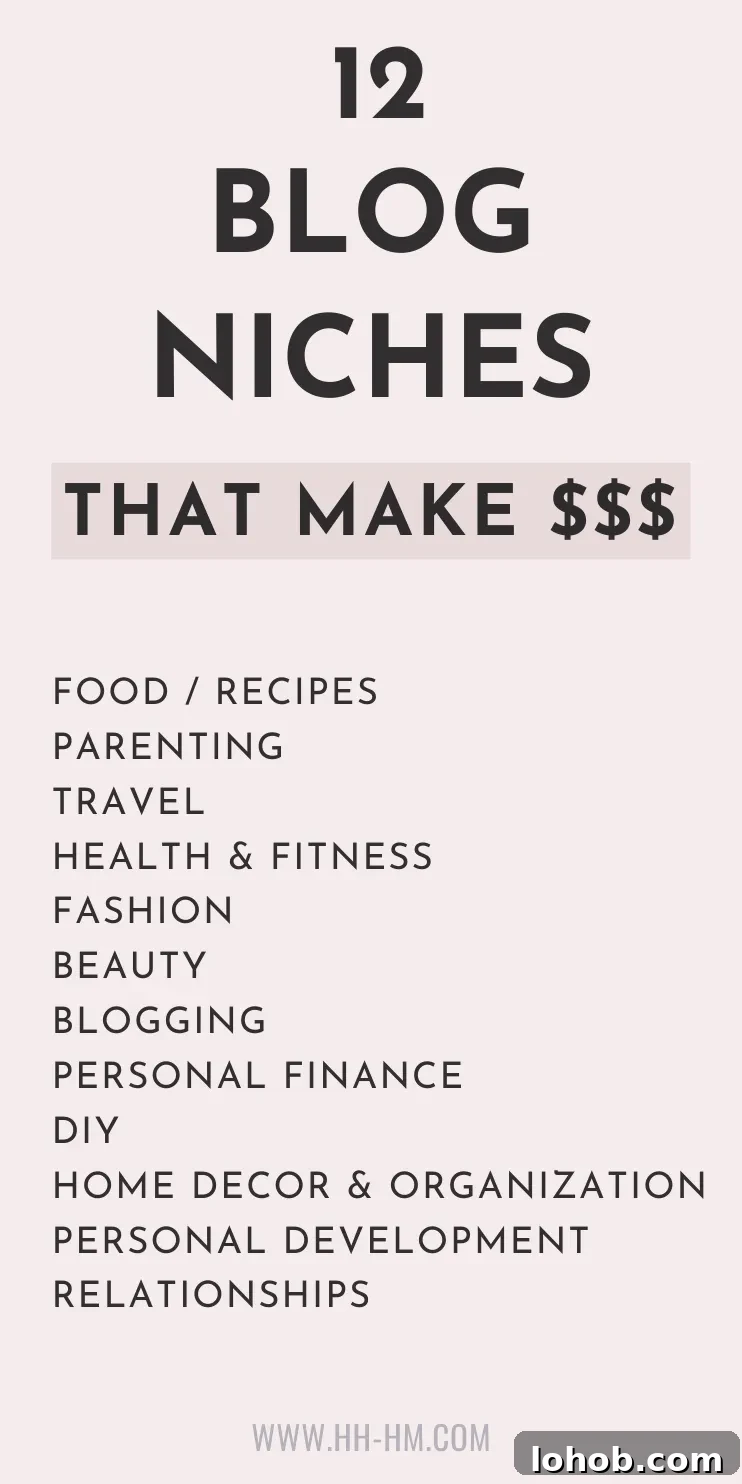
Choosing a popular theme helps your blog grow faster, but you don’t need to be narrowly specific. Pick topics people actively search for and that you enjoy writing about. Examples of profitable niches:
- Food / Recipes
- Parenting
- Travel
- Health & Fitness
- Fashion
- Beauty
- Blogging and online business
- Personal Finance
- DIY and Home Improvement
- Home Organization
- Personal Development
- Relationships
Pick a target audience
More important than an exact niche is knowing who you are writing for. When you understand your audience’s needs and questions, you can tailor content to help them. Many successful lifestyle publications cover many topics but succeed because they serve a clearly defined audience.
6 steps to start a blog successfully
Once you choose a niche, follow these practical steps to turn your blog idea into a functioning site and audience.
Step 1: Get a domain and reliable hosting
Invest in quality WordPress hosting and register a domain. A self-hosted WordPress.org site gives you control, faster performance, and better SEO potential than free platforms. Look for hosts that offer steady uptime, good support, and easy WordPress installation. Prioritizing reliability from day one saves headaches later.
Step 2: Design your blog
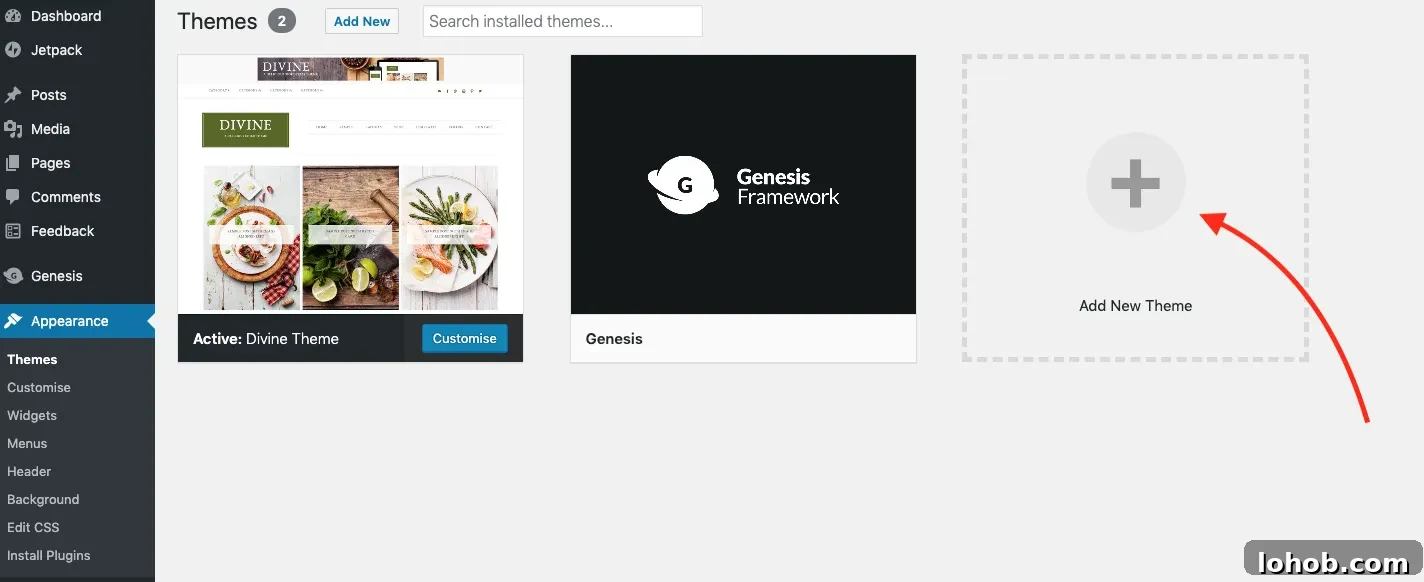
Choose a WordPress theme that looks professional and is mobile-friendly. Free themes work well, but premium themes or frameworks designed for speed and SEO can give you an advantage. Focus on clean typography, easy navigation, and responsive layouts so readers can consume your content comfortably on any device.
Step 3: Create a content plan
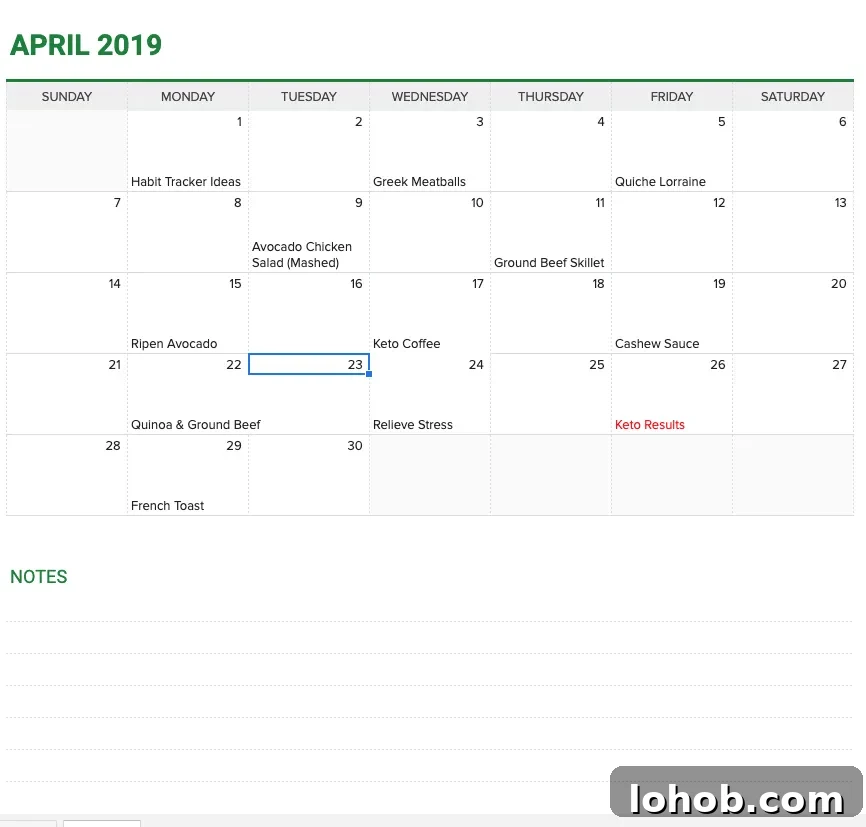
Plan an editorial calendar. Decide how often you will publish and list 20–30 post ideas to get started. Use a simple spreadsheet calendar to assign publish dates. Consistency matters more than volume—regular publishing builds momentum and gives you material to promote.
Step 4: Write your first posts
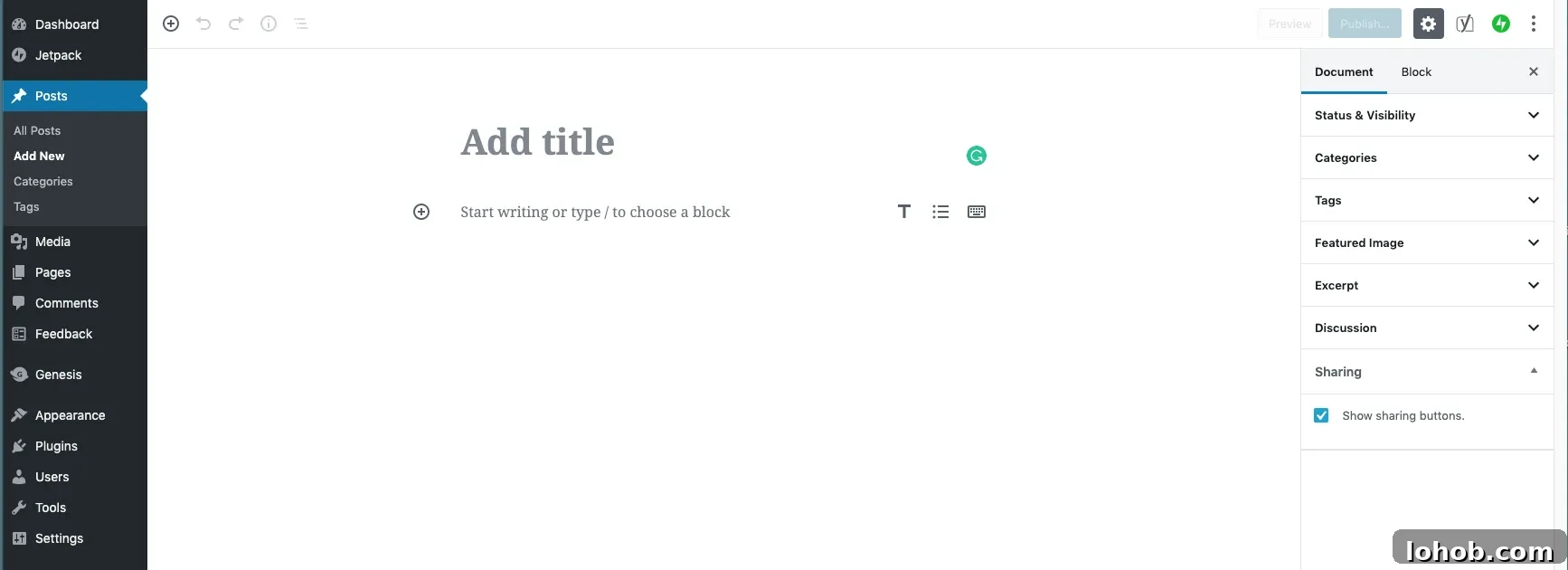
Write 10–15 helpful posts before you launch or soon after. Approach each article as if helping a beginner who is asking exactly the questions you once had. Be thorough, use clear headings, short paragraphs, lists, and formatting to make content scannable and useful.
Step 5: Promote your blog
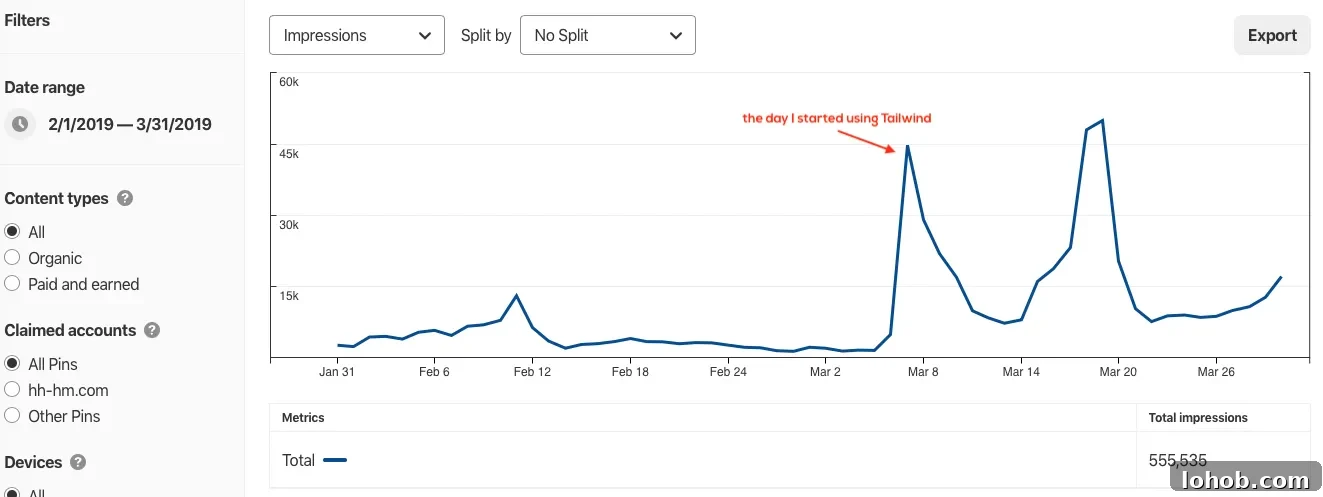
Publishing great content is only half the battle—promotion is essential. Share posts on social media, engage in guest posting, and use visual platforms like Pinterest to drive traffic. Consistency in promotion is key: small daily efforts generally beat sporadic bursts.
Pinterest is effective for many bloggers because it surfaces visual content for targeted searches. Creating eye-catching images, writing clear descriptions, organizing boards, and pinning consistently will help you get noticed. Scheduling tools can save time by automating pinning and helping you track performance.
Step 6: Stay consistent and keep growing
Persistence is the most important habit for long-term blogging success. Keep creating content, refining your approach, and promoting your work. Diversify income and traffic sources over time—experiment with products, partnerships, and new platforms. Focus on steady progress rather than quick wins.
Recap: how to create a successful blog
- Self-host your site. Own your domain and choose reliable hosting for performance and control.
- Design professionally. Use themes that are mobile-friendly and SEO-conscious.
- Create a plan. Build an editorial calendar and list content ideas readers want.
- Write helpful posts. Publish 10–15 strong articles and format them for readability.
- Promote consistently. Use social platforms, especially visual networks, and schedule promotions to maintain momentum.
- Stay consistent. Keep publishing, testing, and improving—with patience, results will come.
I hope this guide gives you a clear path to start the blog you want. With focused, consistent work over months and years, a blog can become a meaningful resource and income source for you and your family.
You might also like
- 12 Things to Do Before You Launch Your Blog
- 10 Things to Do on Sunday for a Better Week
- 47 Things to Track in Your Habit Tracker