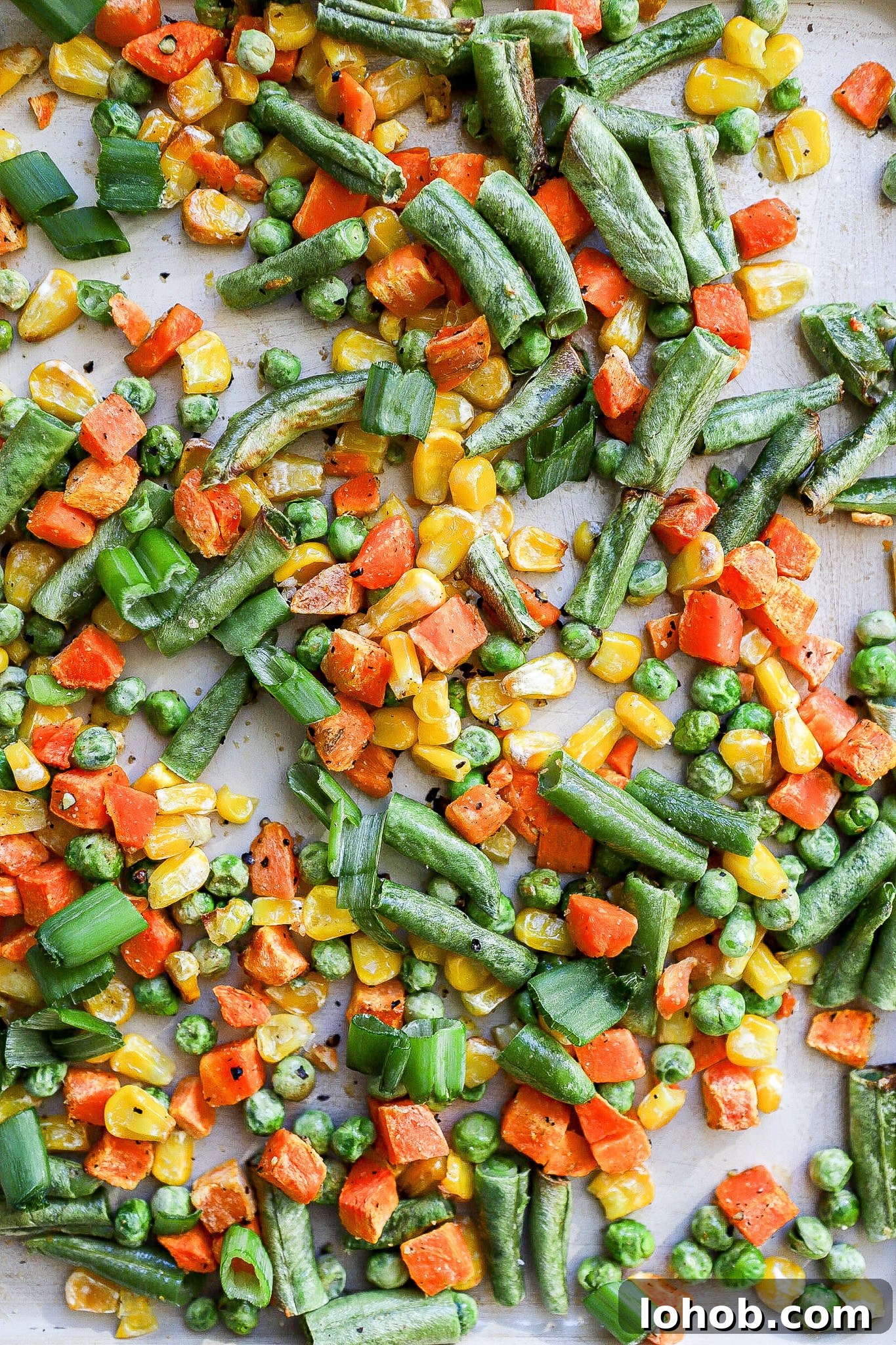
Learn how to cook frozen vegetables in the air fryer to get crisp, flavorful results every time. This fast, convenient method brings out the best in frozen veggies with minimal effort.
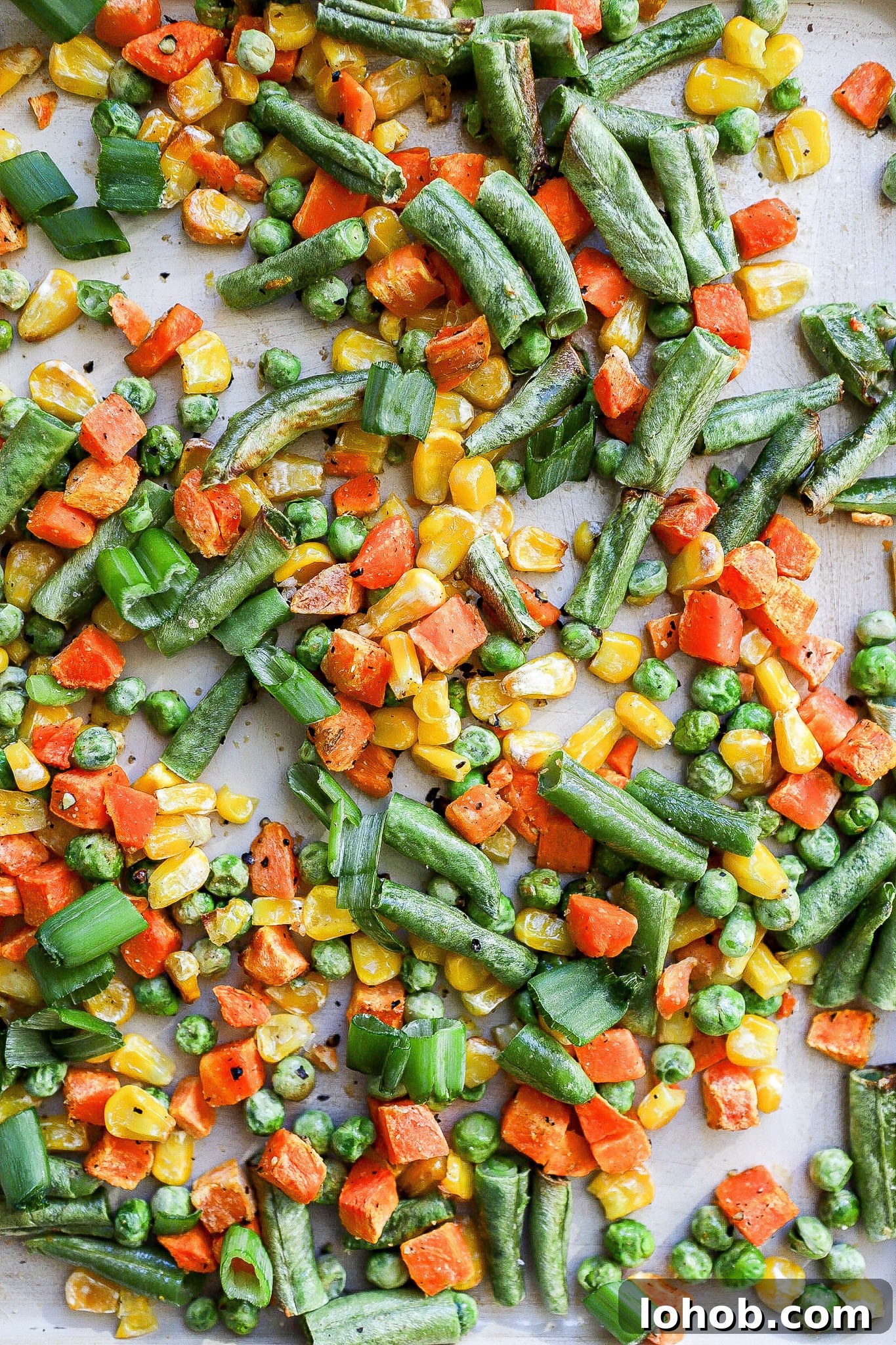
If you have a bag of frozen vegetables in the freezer and want a fast, reliable way to turn them into a tasty side or snack, the air fryer is one of the best tools for the job. Air fryers use hot circulating air to crisp the outside while keeping the inside tender, producing a roasted-like texture without the oil and time that traditional methods require.
To cook frozen veggies in the air fryer, simply preheat the appliance, place a single layer of frozen vegetables in the basket, mist lightly with oil, season, and air fry until golden and crisp. There’s no need to thaw first, and the overall process only takes minutes. The result is vegetables with a pleasant bite on the inside and a satisfying crisp on the outside.
Whether you want a quick side for dinner, a healthy snack, or a way to boost a grain bowl or salad, air-fried frozen vegetables deliver consistent results. Below you’ll find clear steps, recommended ingredients, and helpful tips to get the best texture and flavor every time.
Why Choose the Air Fryer for Frozen Veggies?
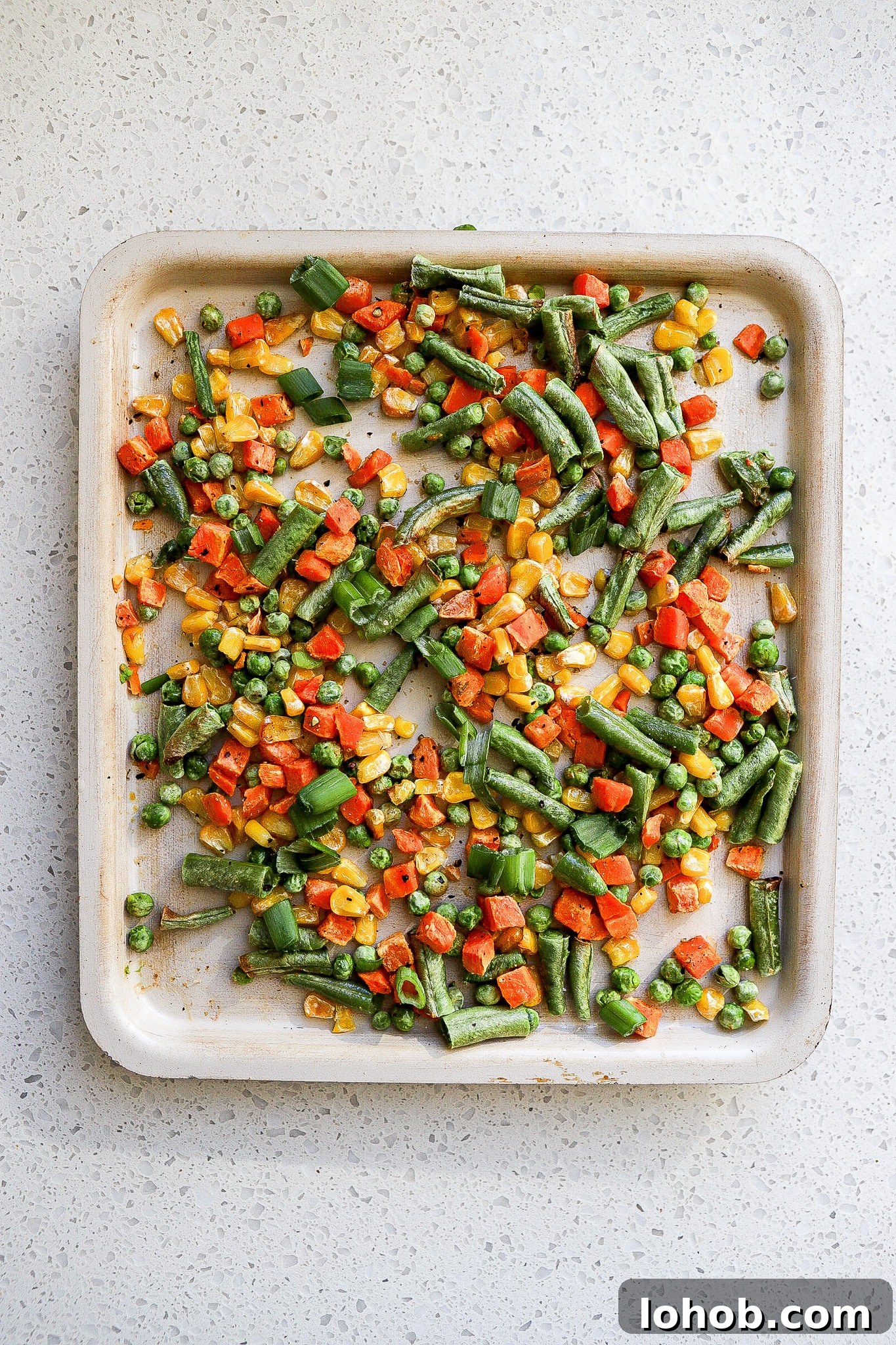
The air fryer cooks frozen vegetables quickly and evenly by circulating hot air. This method creates a crispy exterior similar to roasting, but in less time and with far less oil than deep-frying. Compared with boiling or steaming, air frying prevents soggy results and helps retain more texture and flavor. It’s also convenient: you can go from freezer to plate without thawing.
Why You’ll Love Air-Fried Frozen Vegetables
Air-frying frozen vegetables is fast, low-effort, and versatile. The technique enhances natural vegetable flavors and creates a pleasing contrast between the crisp surface and the tender interior. You can easily customize seasonings to suit any cuisine—Italian herbs, smoky paprika, garlic and lemon, or a simple salt-and-pepper approach all work well.
Ingredients You’ll Need
Gather a few basic items to make this simple recipe:
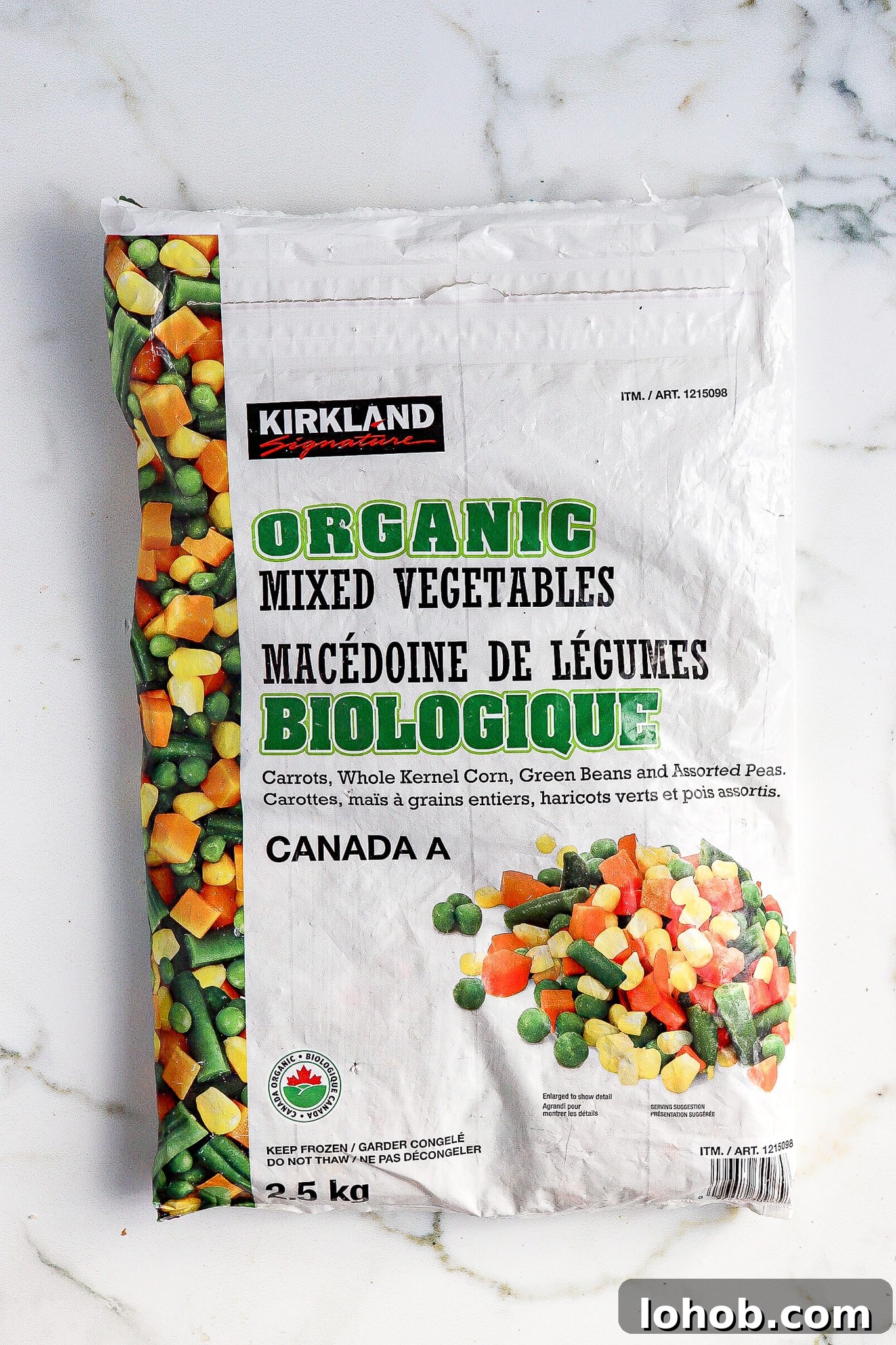
- Frozen vegetables of your choice (examples: broccoli, cauliflower, Brussels sprouts, mixed medley, green beans, corn, carrots)
- Olive oil or a neutral cooking spray
- Seasonings to taste — salt, freshly ground black pepper, garlic powder, onion powder, Italian seasoning, smoked paprika, or nutritional yeast for a savory boost
How to Make Air Fryer Frozen Vegetables
- Preheat the air fryer to 375°F (190°C).
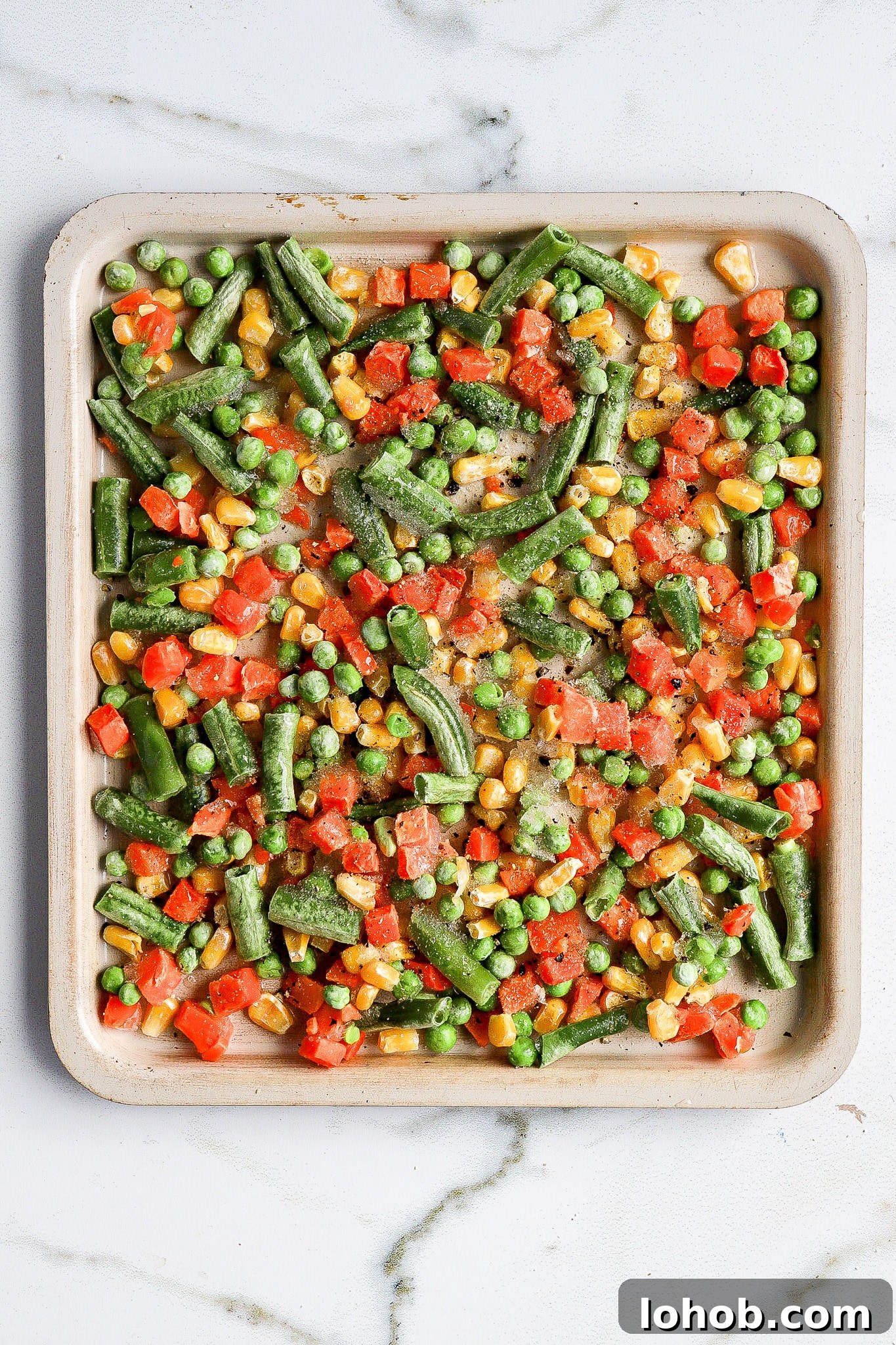
- Arrange the frozen vegetables in a single layer in the basket. Avoid overcrowding so air can circulate freely and produce even browning.
- Lightly mist the vegetables with olive oil or spray; this helps them crisp and encourages seasonings to stick.
- Sprinkle on salt, pepper, and any additional seasonings you like.
- Cook for about 10–15 minutes, shaking or stirring the basket halfway through. Thicker or denser vegetables such as Brussels sprouts and cauliflower may need 15–20 minutes depending on your air fryer and portion size.
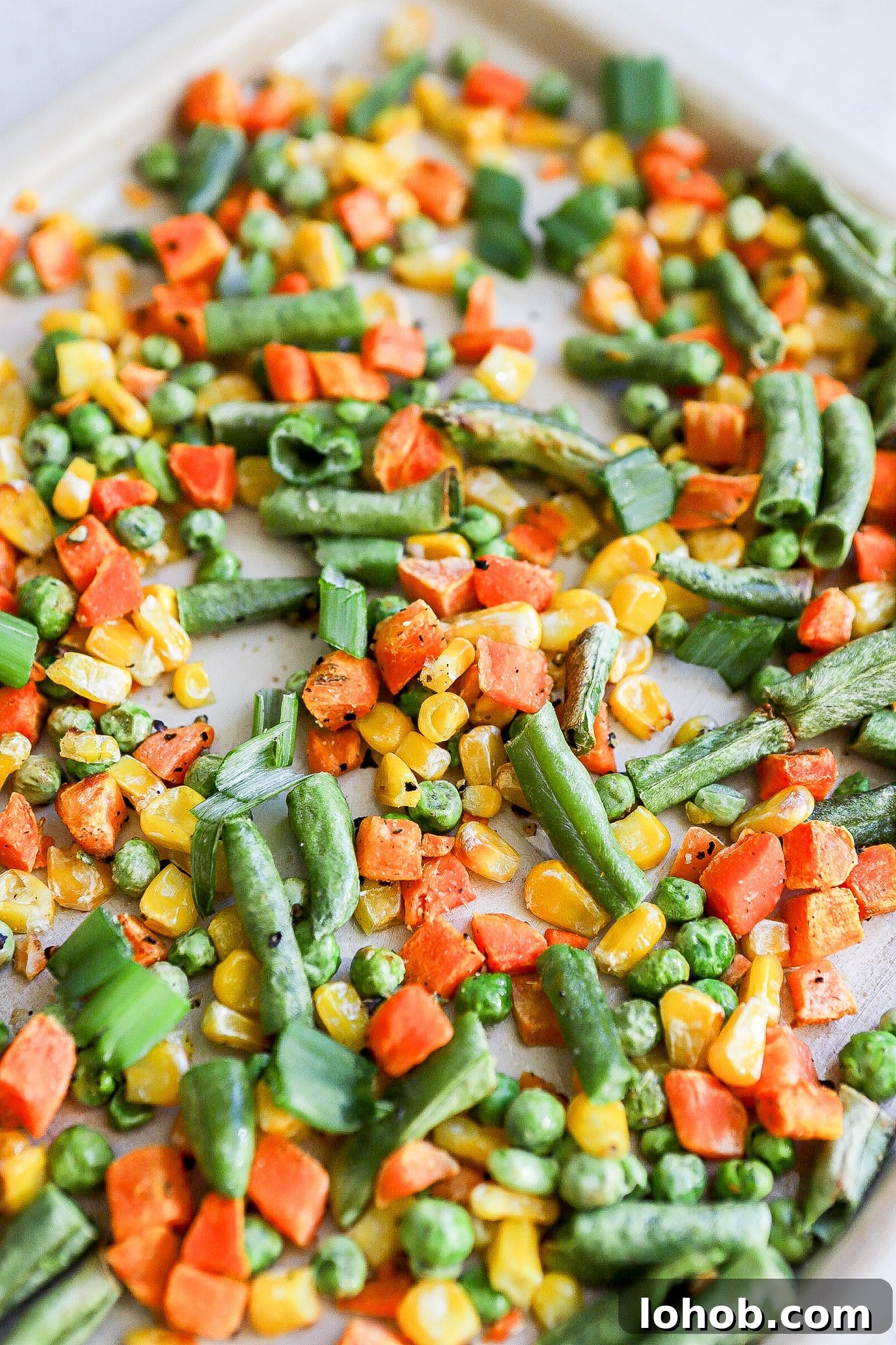
- When the edges are golden and the pieces are tender inside, remove and serve immediately.
Tips and Tricks for Best Results
- Mix different vegetables for color, texture, and a broader nutrient profile.
- Cut fresh vegetables to similar sizes if you’re using a combination of fresh and frozen so they cook evenly.
- Seasoning early and tossing the veggies in a light coat of oil improves flavor and browning. Stronger seasonings (like chili flakes or smoked salts) can be added near the end to avoid burning.
- For extra crispness, cook in a single layer and avoid overfilling. If you must cook a large batch, do it in two shifts for the best texture.
- Check frequently in the last few minutes to prevent over-browning, especially if your air fryer runs hot.
- Use a flat shovel or tongs to turn or shake the basket halfway through cooking to promote even crisping.
Frequently Asked Questions
Can I use fresh vegetables instead of frozen?
Yes. Fresh vegetables will cook in the air fryer as well, though cooking times can be shorter or longer depending on size and moisture content. Fresh vegetables may crisp differently than frozen ones because frozen produce often loses some moisture during blanching or freezing.
Are mixed frozen vegetables suitable for air frying?
Absolutely. Mixed frozen vegetables work well, but pick a mix with items that cook at similar rates, or remove delicate pieces partway through cooking if needed.
How should I store leftovers?
Cool cooked vegetables to room temperature, then transfer to an airtight container and refrigerate. Eat within 2–3 days for best texture and flavor. Reheat in the air fryer or oven to restore some crispness; microwaving will make them softer.
Can I use parchment paper in the air fryer?
Yes, use air fryer–safe parchment with holes or cut to allow full air circulation. Do not line the entire basket with parchment unattended, as it can lift and contact heating elements before food is added.
Serving Ideas and Variations
Serve air-fried frozen vegetables as a side with grilled proteins, toss them into grain bowls or salads, fold them into pasta, or enjoy them as a snack with a dipping sauce. Try flavor variations like lemon and herb, garlic-parmesan, spicy chili-lime, or a smoky spice rub.
Final Notes
Air frying frozen vegetables is a fast, nutritious, and adaptable way to prepare vegetables with minimal fuss. With a few simple ingredients and straightforward steps, you can have a delicious, crisp side or snack in under 20 minutes. Experiment with seasonings and vegetable combinations until you find your favorite approach—this method is forgiving and yields great results consistently.
If you tried this method, consider noting what worked best for you and which seasonings you preferred for future reference.