
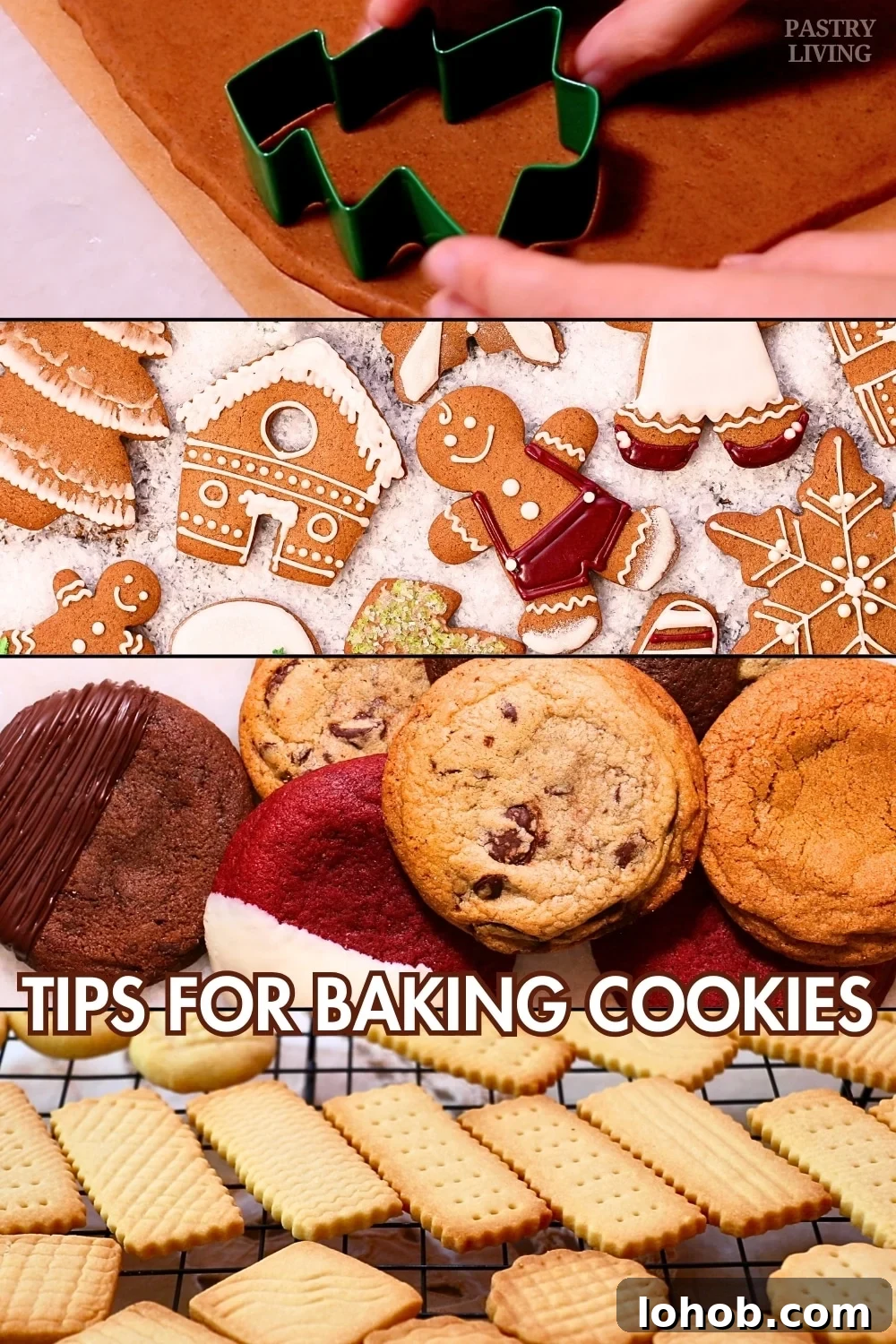
Get ready to bake cookies with these 7 important tips for making delicious cookies. From crispy to soft cookies, these pointers will help you achieve the best results every time.
Happy Holidays!
The cookie season is here 🍪 Are you planning to bake this month? Whether you’re preparing a few batches for friends, a large holiday spread, or experimenting with a new recipe, a few practical tips can make a big difference. Below are seven tried-and-true tips to help you bake consistently delicious cookies — crisp, tender, or chewy, depending on what you want.
Here are 7 important tips for making delicious cookies successfully.
Here we go!
Ensure the butter is completely softened
When a recipe calls for softened butter, plan ahead and let it come to room temperature until it is fully soft. Properly softened butter incorporates evenly with sugar and other ingredients, producing a consistent dough and better texture. If the butter is still partially firm, dough can be lumpy or ingredients may not combine correctly, which affects spread and crumb.
If you forget to soften it, briefly warm the butter in short bursts in the microwave — about 5 seconds at a time — rotating it between bursts so only the very edges soften. Avoid melting the butter; it should remain solid but yield easily to a finger. Note: this step is unnecessary when a recipe specifies cold butter, such as in certain tart or shortcrust recipes.

Use parchment paper to roll out the dough
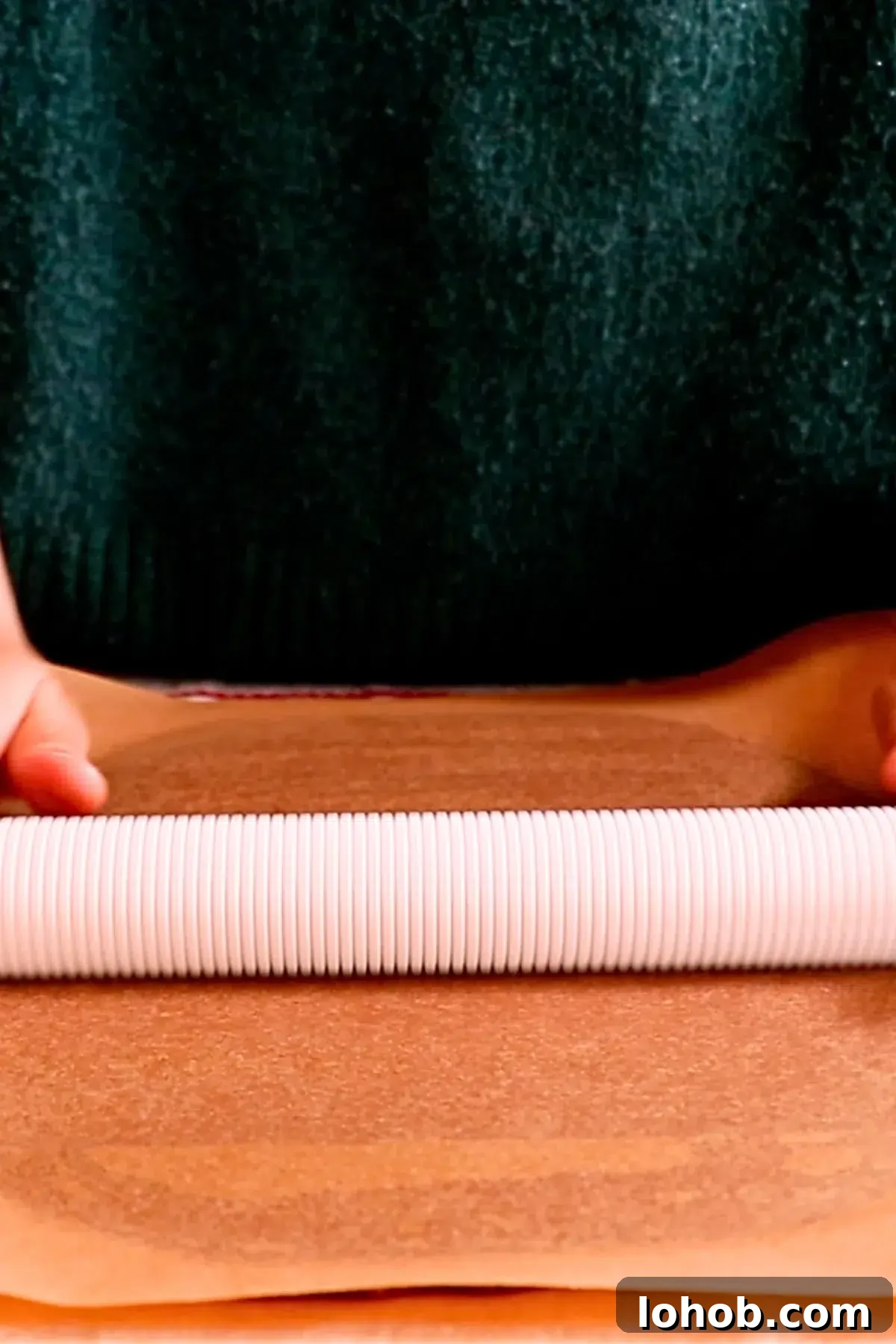
Rolling dough between sheets of parchment paper is a simple trick that saves time and reduces frustration. This method prevents sticking without adding excess flour, which can toughen cookies and change the final texture. It also keeps the surface smooth and prevents flour dusting that sometimes leaves a pale finish on the cookies.
Benefits at a glance:
- The dough won’t stick to the work surface.
- You avoid over-flouring, so cookies remain tender rather than dry or cakey.
- Cookies keep an even color and finish without flour residue.
Of course, if you prefer rolling on a lightly floured counter, that approach works too — pick the method that feels best for you.
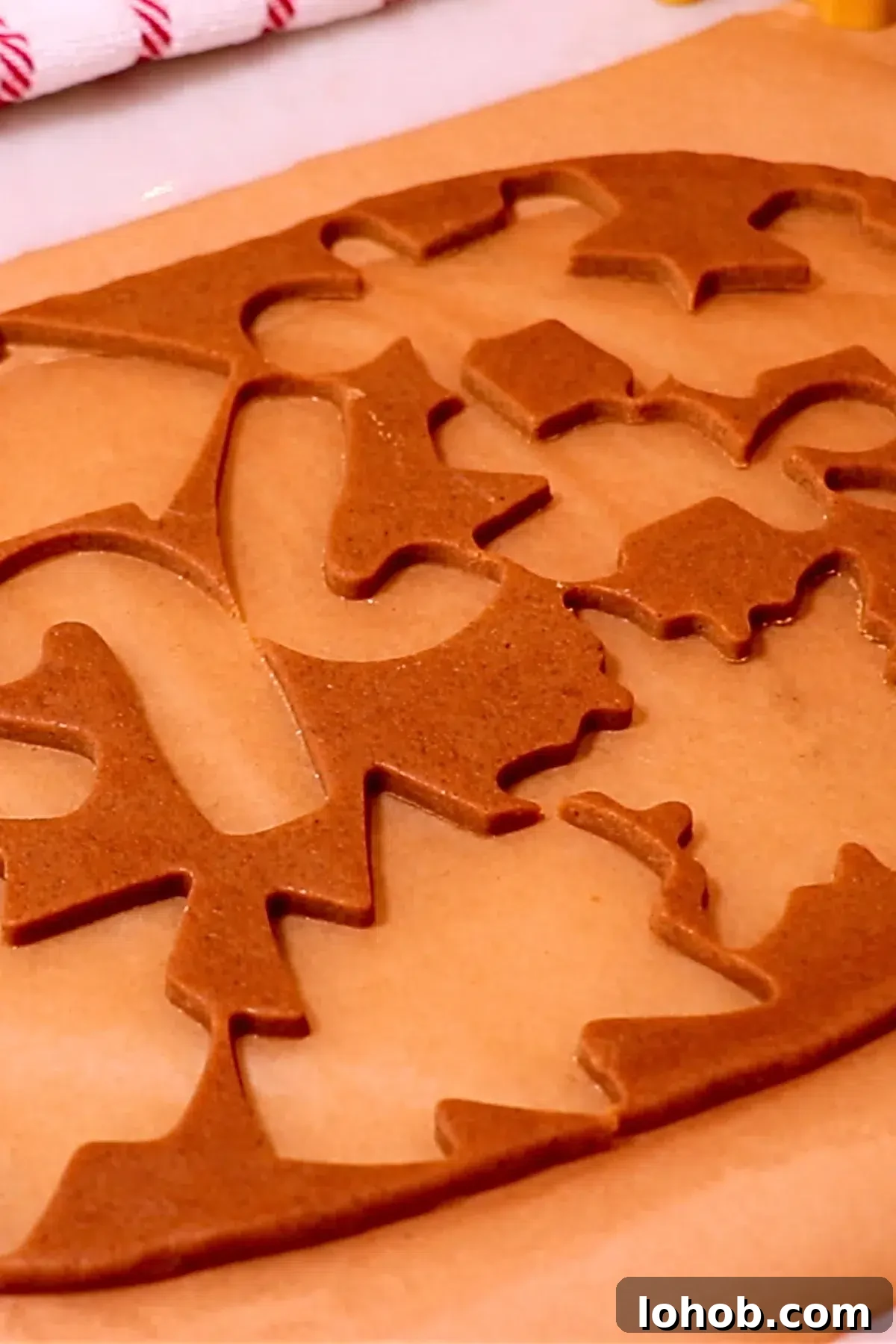
Thicker cookies spread more in the oven
Cookie thickness directly affects how much they spread during baking. Thicker cookie dough will spread wider and can become thinner and crisper at the edges when baked. For cut-out cookies, rolling the dough slightly thinner than 1/4 inch helps them bake without excessive spreading and keeps details sharp. For recipes where you want a wider, chewier cookie, follow the recipe’s recommended thickness.
Adjust thickness depending on the desired outcome: thinner for crisp shapes, slightly thicker for chewy interiors.
Preheat the oven (always!)
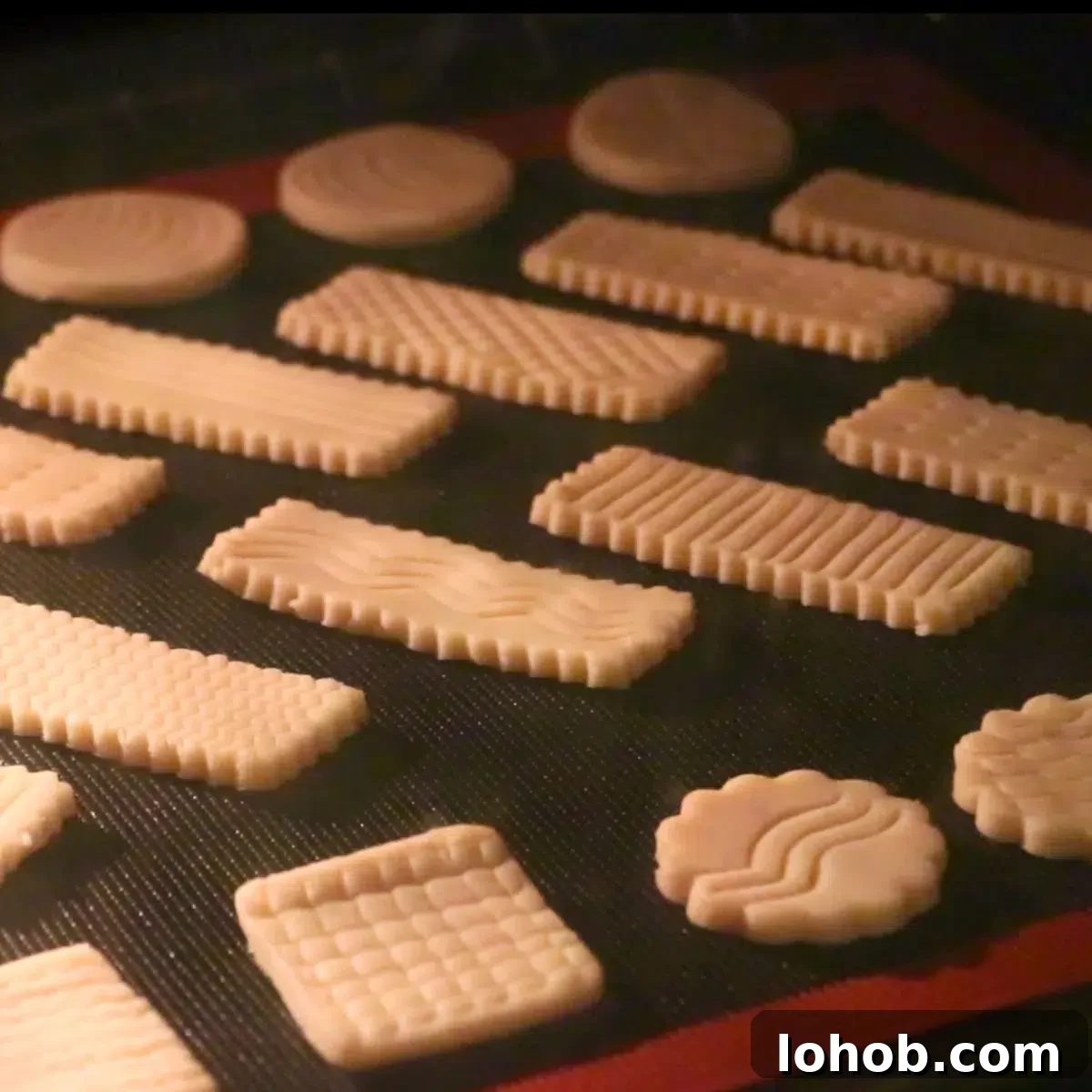
Always preheat your oven to the correct temperature before you start baking. An oven that isn’t fully heated can cause uneven spreading and longer bake times, and in some cases, the edges may brown while the center stays underbaked. Preheating ensures the dough gets the immediate burst of heat it needs to set properly and achieve the intended texture.
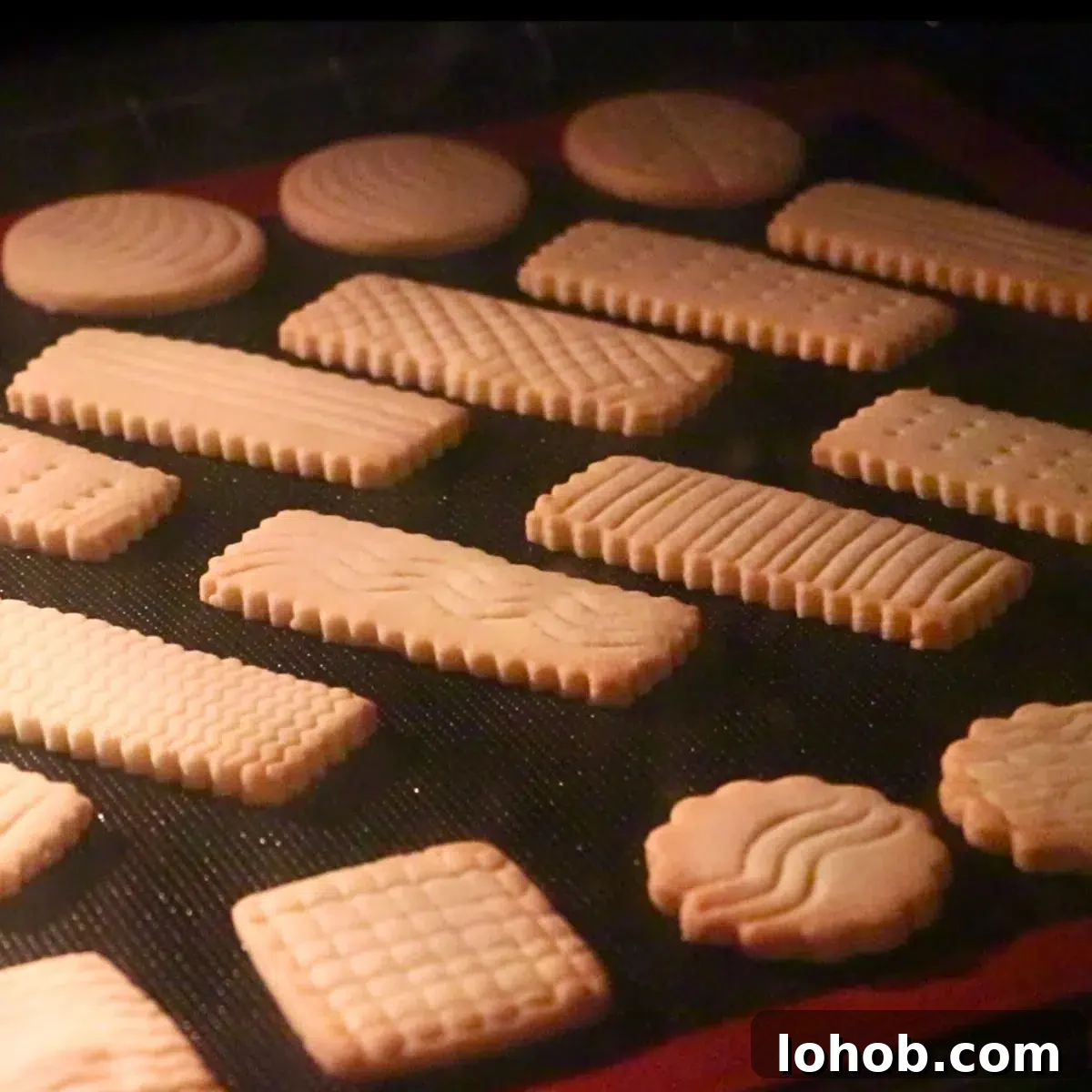
Cookies continue to brown slightly from residual heat
Cookies continue to firm up and brown for a short time after they are removed from the oven because of residual heat on the baking sheet and in the cookie itself. If you’re aiming to preserve bright colors on decorated cut-outs or keep cookies soft and tender, take them out a little before they reach the ideal color in the oven. They will finish cooking on the hot tray as they cool.
This is especially useful for delicate sugar cookies or any recipe where color and softness matter more than a deeply toasted finish.

Store dough in the freezer and bake later
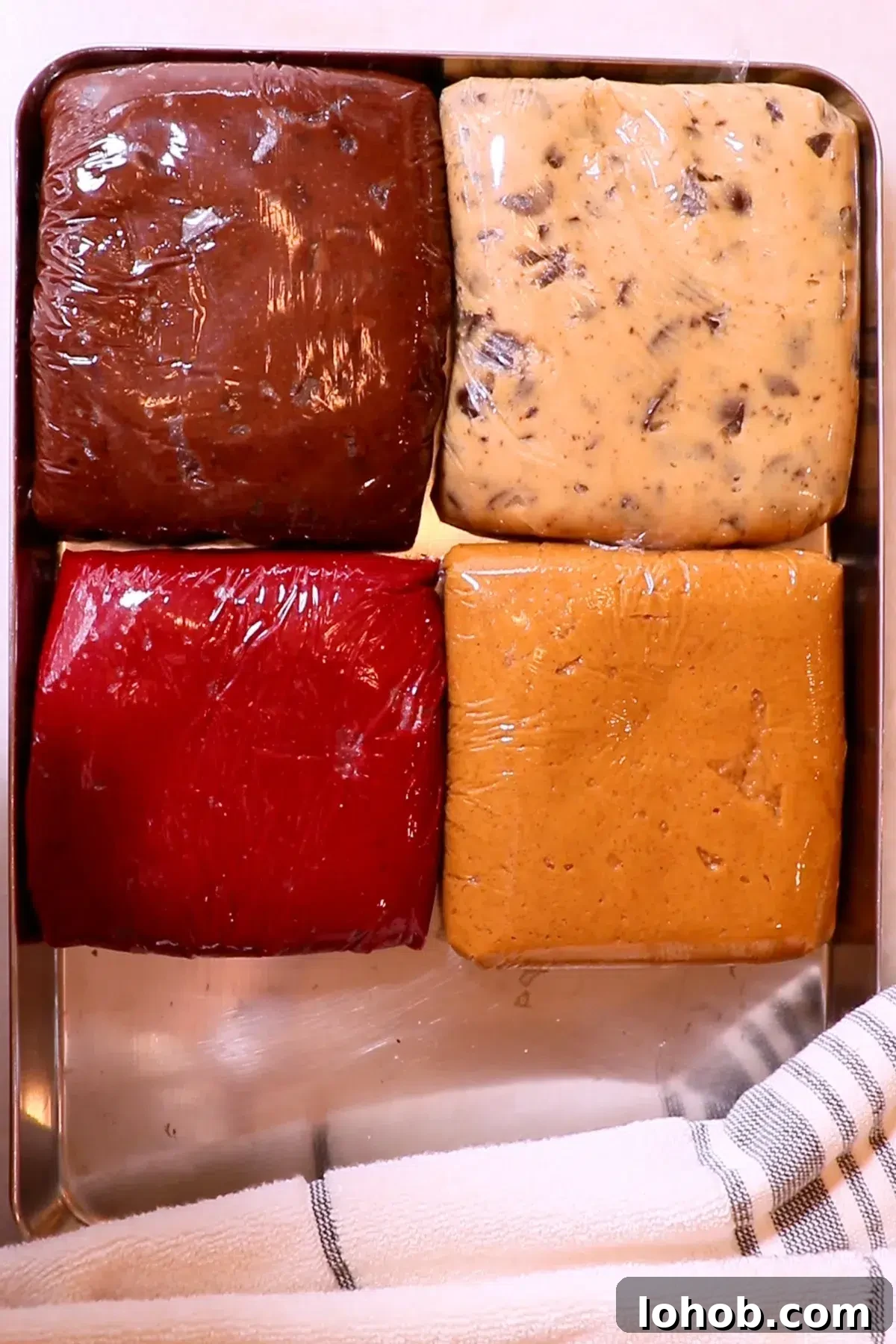
Baking for a crowd can be time-consuming. Prepare dough in advance and freeze it to save time on the day of baking. Portion the dough into logs, discs, or pre-cut shapes and freeze until firm. Thaw overnight in the refrigerator or leave on the counter for a short time if you forget to transfer to the fridge. For many recipes, you can bake cut-out cookies directly from frozen — just add a few extra minutes to the bake time.
Freezing dough also improves flavor and texture for some cookie styles, as the resting time allows flavors to mellow and butter to firm up.
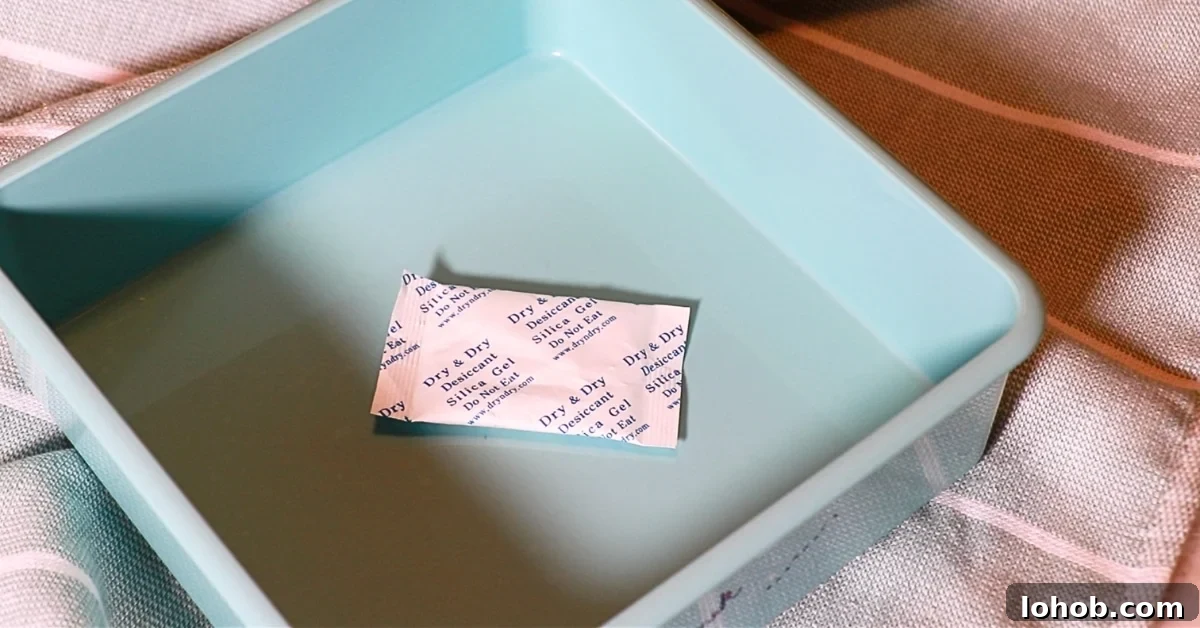
Store crispy cookies with moisture absorbers to keep them crisp
For cookies you want to stay crisp, store them in an airtight container with a moisture absorber to help control humidity. This is especially helpful in humid climates or when you need to keep cookies for several days. Avoid placing moisture absorbers directly on the cookies; instead, put them in a small pouch or on a separate piece of parchment inside the container.
This tip is intended for crisp cookies such as shortbread, biscotti, or meringues — not for soft, chewy cookies, which require sealed containers without desiccants to maintain their tenderness.

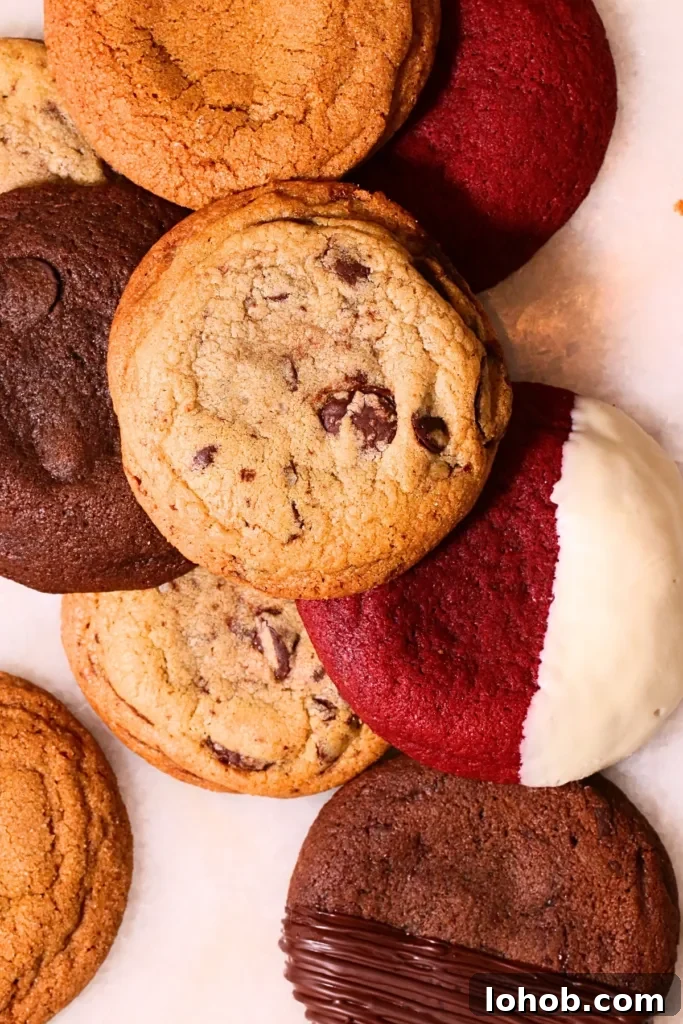
Those are the core tips I rely on whenever I bake cookies: soften butter correctly, consider parchment for rolling, mind dough thickness, preheat the oven, allow for carryover cooking, freeze dough for convenience, and control moisture when storing crispy cookies. Each small step contributes to a better finished cookie.
I hope these tips help you feel more confident in the kitchen. Wishing you success with your next batch — whether you prefer crisp, buttery shortbread or soft, chewy cookies packed with mix-ins.
Happy baking,
Aya xx
Cookie Recipes
Browse these recipe titles to find ideas and inspiration for your next baking session:
- Gingerbread cookies
- 10 Holiday cookies from 1 dough
- Shortbread cookies
- Lemon shortbread cookies
- 4 classic chewy cookies from one dough
- Tuile cookies
- Slice and bake Christmas cookies – Santa, Santa boots, and wreath
- Slice and bake Christmas cookies – Reindeer, Christmas tree, and present box


💬 If you have questions, drop them in the comment section at the end of this post. I would love to hear your feedback if you tried any of these techniques or recipes at home!