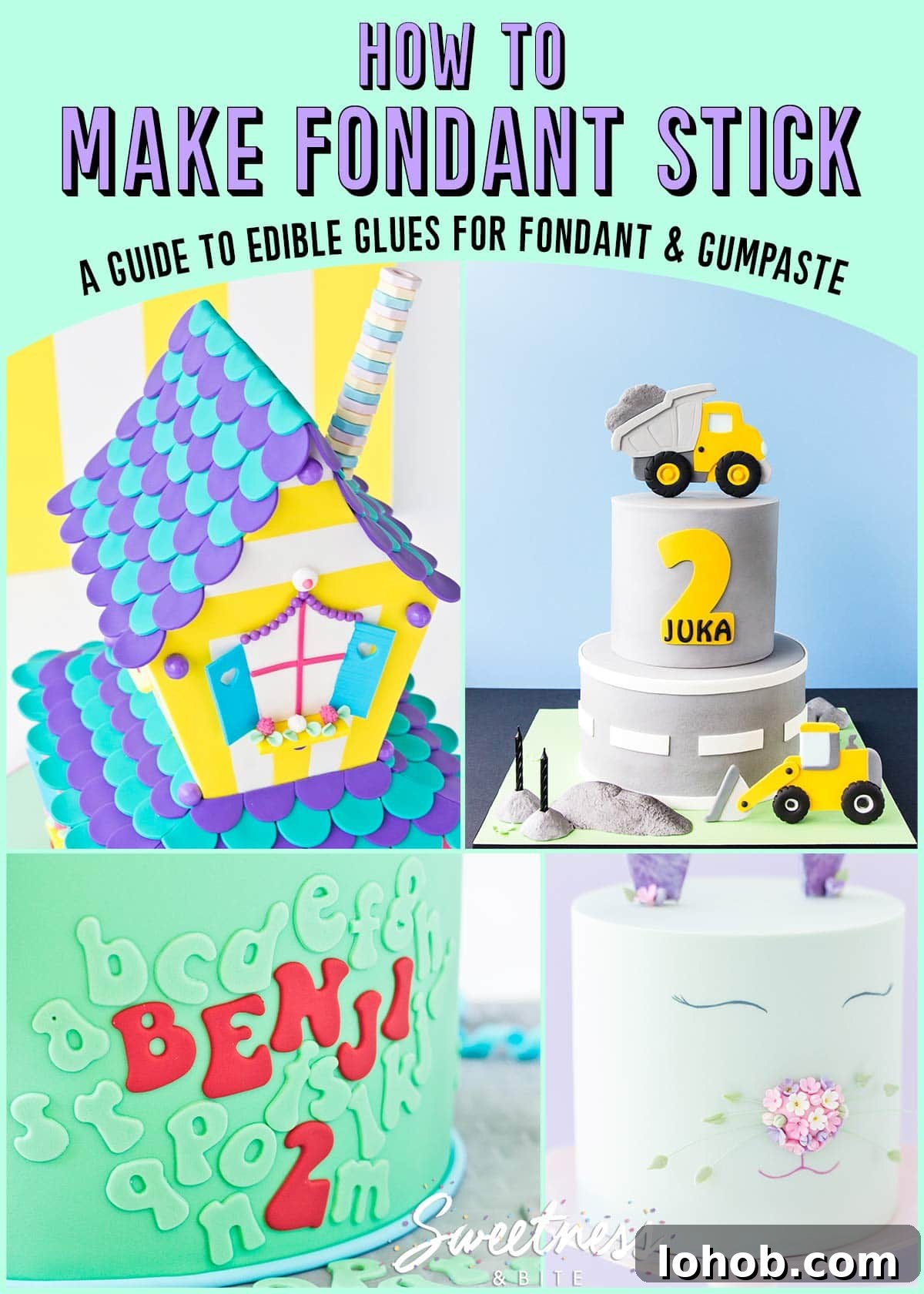
Ever wondered how to stick fondant to fondant or which edible glue works best? This guide explains the main edible adhesives, how to use them and when to choose each one for cake and cookie decorating.
Fondant is versatile for decorating cakes and cookies, and sooner or later you’ll need to attach decorations, build figurines or combine fondant and gumpaste elements. There are several effective edible “glues” and methods — each suited to different materials, weights and situations. Below I outline the most useful options, how to apply them safely and what to watch for.
How to Stick Fondant to Fondant (or anything else!)
Let’s start with simple, readily available options.
Water
Sticky Factor: 2/5
Water is an easy and convenient adhesive. It slightly dissolves the surface sugar of fondant, creating a tacky surface that helps pieces adhere.
Best for: Attaching flat, soft fondant decorations to other soft fondant surfaces.
Also good for: Applying soft decorations to drier fondant and decorating sugar cookies with fondant.
How to use it: Use a clean food-only paintbrush to apply a small amount of cooled boiled water to one surface. For side decorations, paint a thin line about 2–3mm in from the edge and add a small squiggle in the center so the water doesn’t squeeze out of the join.
What to watch out for: Water can leave marks where it dissolves sugar. Use it sparingly and blot any accidental wet spots immediately. If a shiny mark remains when dry, a light dusting of cornstarch can reduce shine.
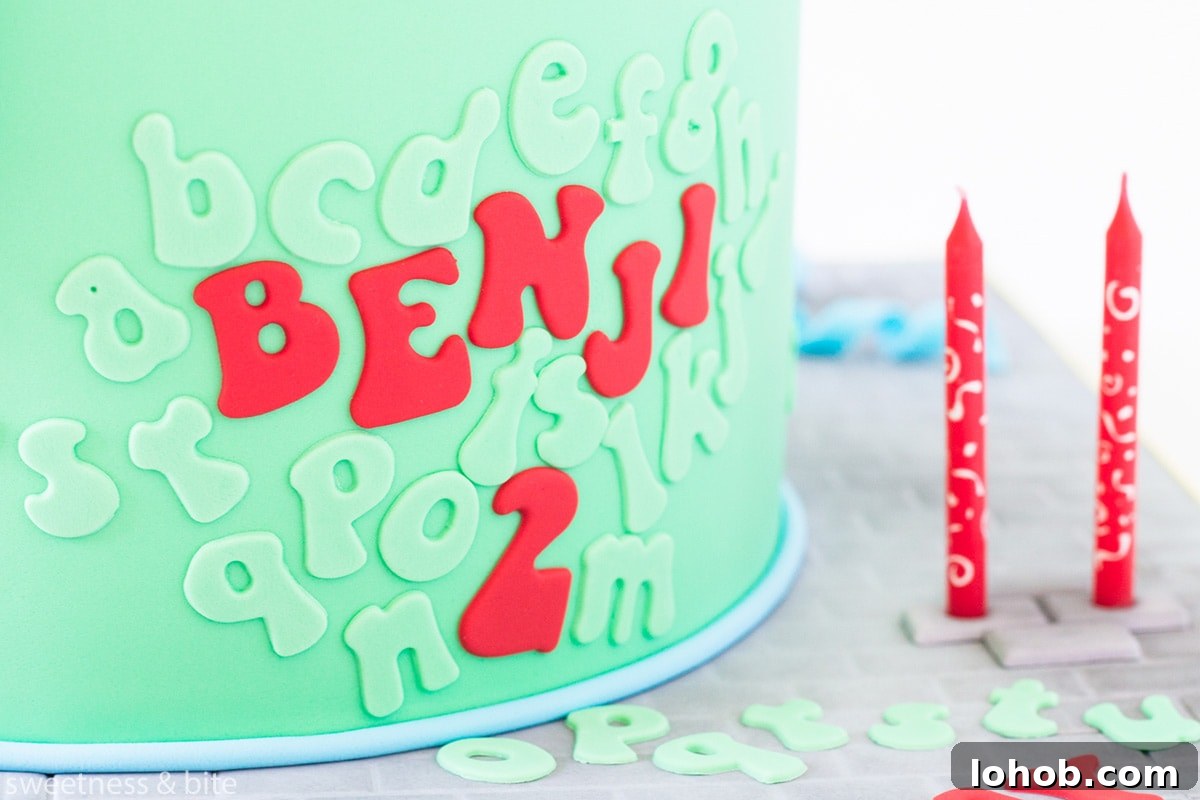
Vodka
Sticky Factor: 2/5
Vodka works much like water but evaporates faster and is less likely to leave visible marks because alcohol dissolves sugar differently. It’s useful where a quick, mostly invisible dry join is needed.
Best for: Joining soft fondant or gumpaste pieces, and smoothing fondant seams when wrapping a cake.
How to use it: Apply with a clean brush in the same way as water.
What to watch out for: Avoid using if alcohol is a concern for cultural or dietary reasons; trace amounts of alcohol may remain.
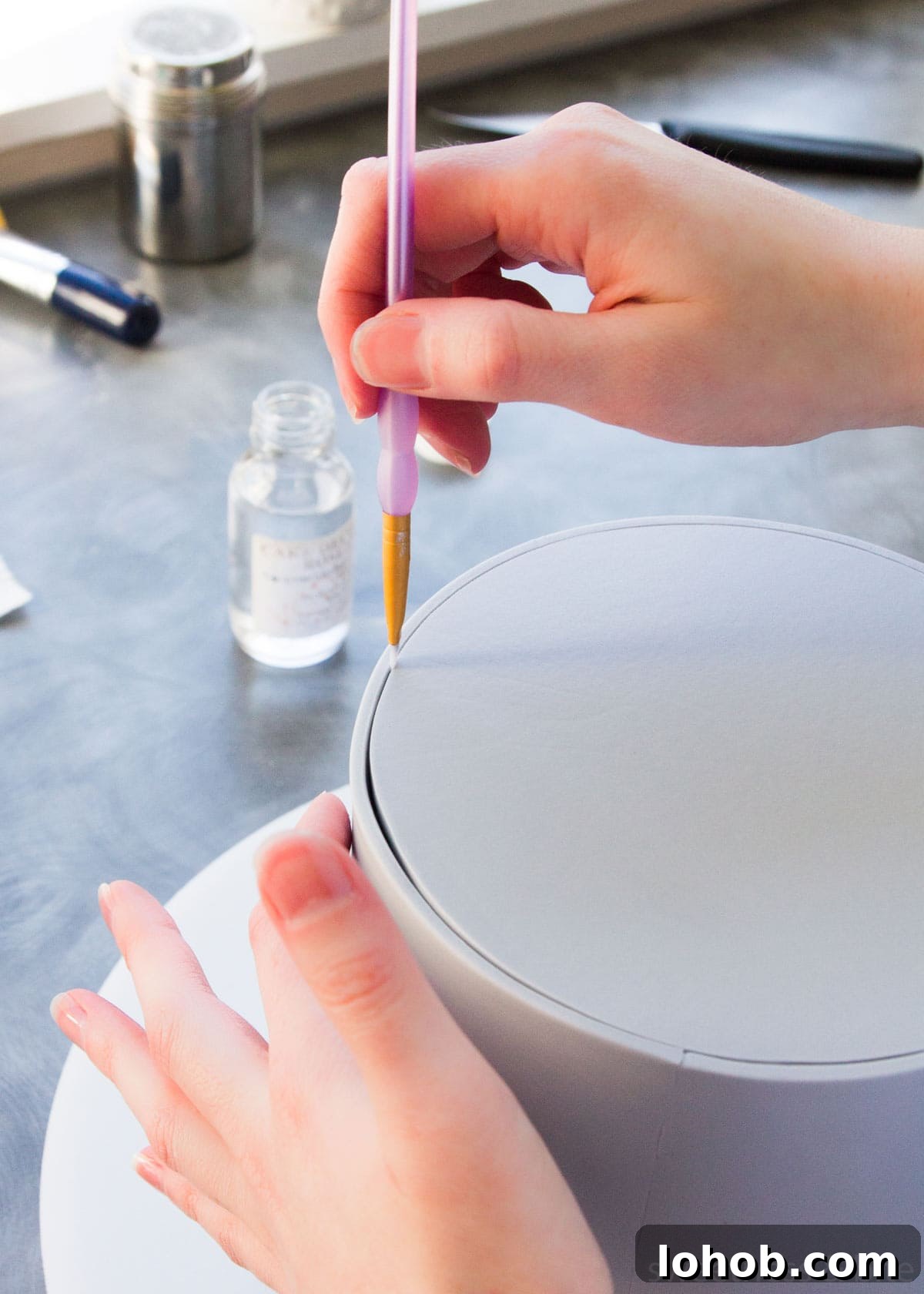
Sugar Glue (Tylose or Gum-Based Edible Glue)
Sticky Factor: 5/5
Sugar glues are made with tylose powder, gum arabic or commercial edible glue products. They are strong and ideal for structural joins or heavier pieces. Ready-made glues are usually runnier; homemade recipes can be thicker for extra hold.
Best for: Attaching dry fondant or gumpaste to dry surfaces, building figurines, assembling sugar flowers and fixing heavier decorations to cake sides.
How to use it: Brush a little glue onto one surface with a small, clean paintbrush. For heavier pieces, let the glue become tacky before joining. Keep water nearby to rinse your brush because glue dries quickly on bristles.
What to watch out for: Avoid using excess glue — it can be hard to clean and may leave marks. Store homemade glue in the fridge, as it can spoil if left at room temperature.
How To Make Edible Glue
Make edible glue using tylose powder or gum arabic and water; many bakers also use commercially prepared edible glues. Prepare homemade glue at least an hour before use so it thickens; it will keep for a couple of weeks refrigerated. Ready-made glue is convenient and ready to use straight from the bottle.
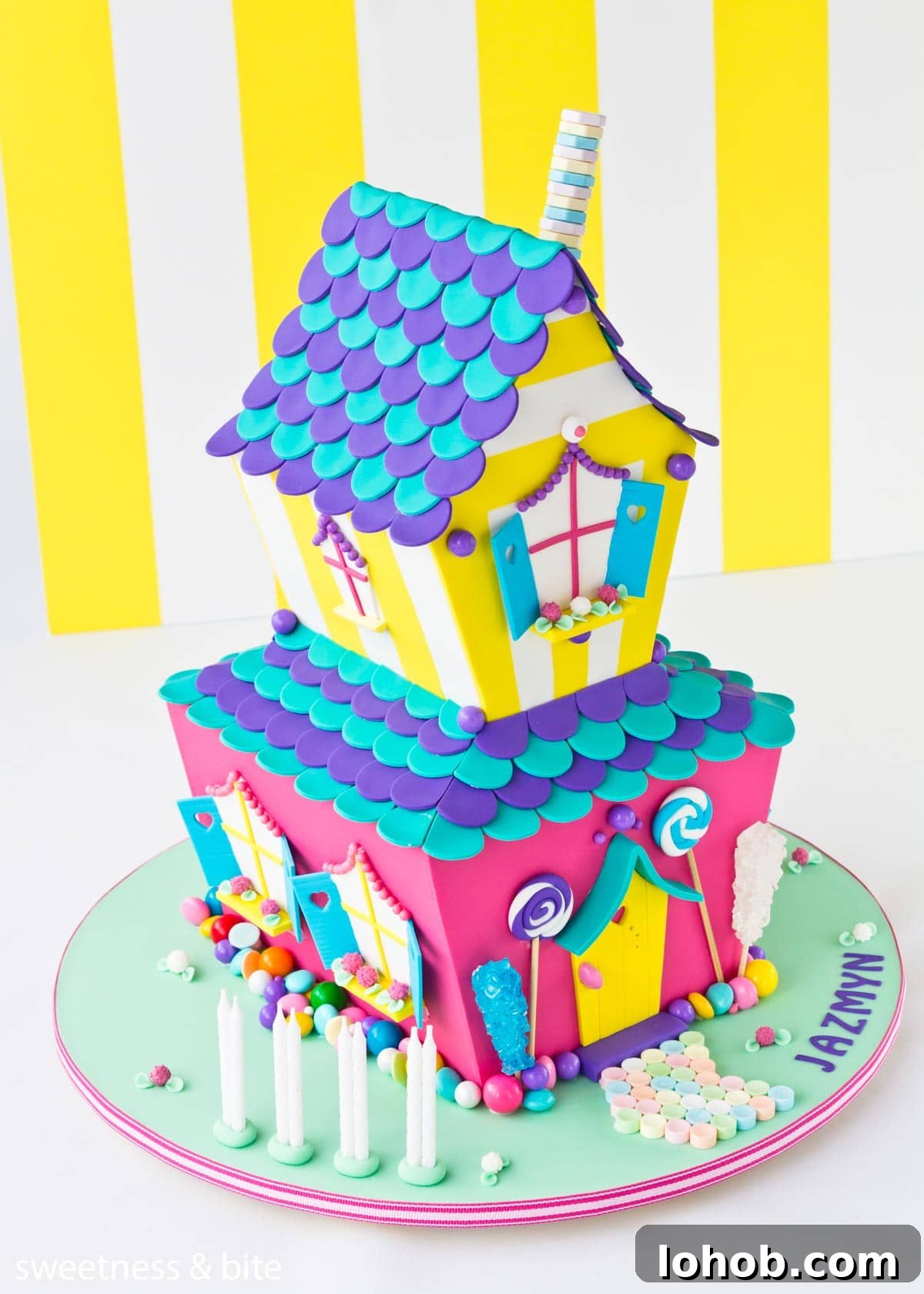
Melted Fondant
Sticky Factor: 5/5
Melted fondant is extremely sticky and sets quickly. It’s excellent for heavy or bulky elements and anywhere a strong, fast bond is required.
Best for: Attaching dry fondant or gumpaste pieces, securing rice Krispie treat elements and joining tiers to boards or each other.
How to use it: Soften small pieces of fondant in a microwave-safe container with a splash of water, heat in short bursts and stir until a paste forms. Cool slightly, then spread a small amount on one surface and press together quickly. The mixture sets in a minute or two.
What to watch out for: Melted sugar gets very hot — take care not to burn yourself and avoid getting it where you can’t remove it, as it sets fast.
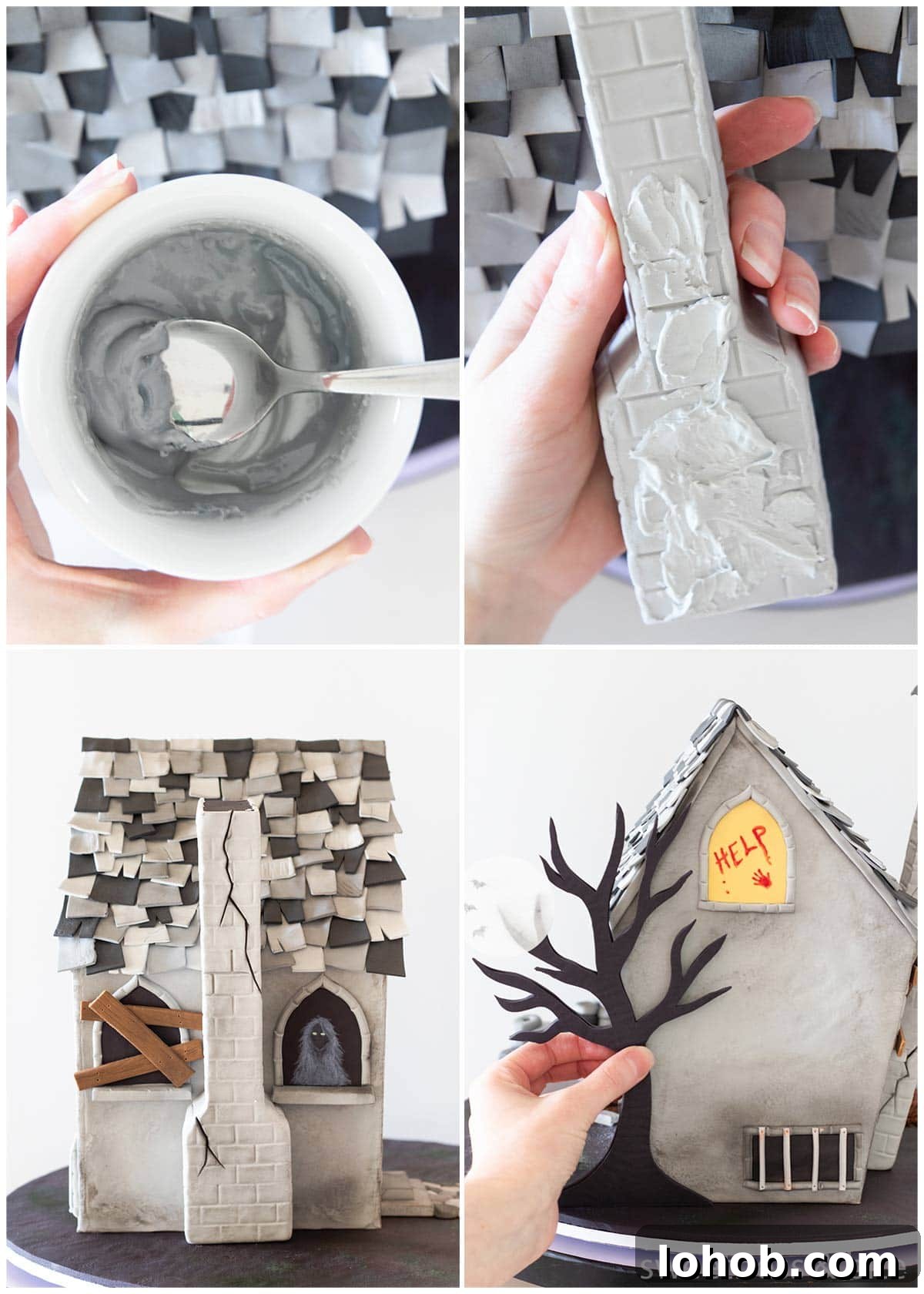
Melted Chocolate
Sticky Factor: 4/5
Compound chocolate or candy melts set firmly and make a strong glue for heavier pieces. Avoid real tempered chocolate unless you temper it correctly — compound chocolate and melts are more reliable for this use.
How to use it: Melt compound chocolate or candy melts and use them to attach pieces, holding or propping parts until the chocolate sets.
What to watch out for: If melted chocolate gets where you don’t want it and cannot be wiped away immediately, allow it to harden then very gently scrape it off.
Royal Icing
Sticky Factor: 4/5
Royal icing can be used as an edible adhesive, especially when taste matters or when pieces can be joined out of sight of the finished surface.
Best for: Attaching fully dried flowers or figurines where the join can be concealed, and securing sweets to a cake because it tastes pleasant.
How to use it: Prepare a thick royal icing and tint to match if needed. Pipe or paint a small amount onto one surface and hold the pieces until dry. Dry time ranges from an hour to overnight depending on humidity and thickness.
What to watch out for: Use pasteurised egg whites or meringue powder where raw egg is a concern. Royal icing must be fully dry before moving the assembly, otherwise it can break.
Shortening
Sticky Factor: 2/5
Shortening isn’t a strong adhesive, but it’s useful for temporary placement or for pieces you may need to adjust. It leaves minimal visible marks and is absorbed into fondant without becoming overly sticky.
How to use it: Apply a thin layer of soft shortening to the back of flat fondant pieces and press them into place. It’s helpful for stripes or trims you may reposition.
What to watch out for: If the pieces are heavy or need a firm bond, use a stronger adhesive instead.
Liquid Glucose or Corn Syrup
Sticky Factor: 3/5
Thick syrups like liquid glucose or corn syrup are extremely sticky and useful where a tacky bond is acceptable. They don’t fully harden, so are best for non-structural joins.
Best for: Sticking fondant to cake boards or attaching soft, flat decorations.
How to use it: Thin the syrup slightly with hot water to paintable consistency and brush onto the surface.
What to watch out for: These glues remain somewhat tacky and can fail if the piece is bumped or slides.
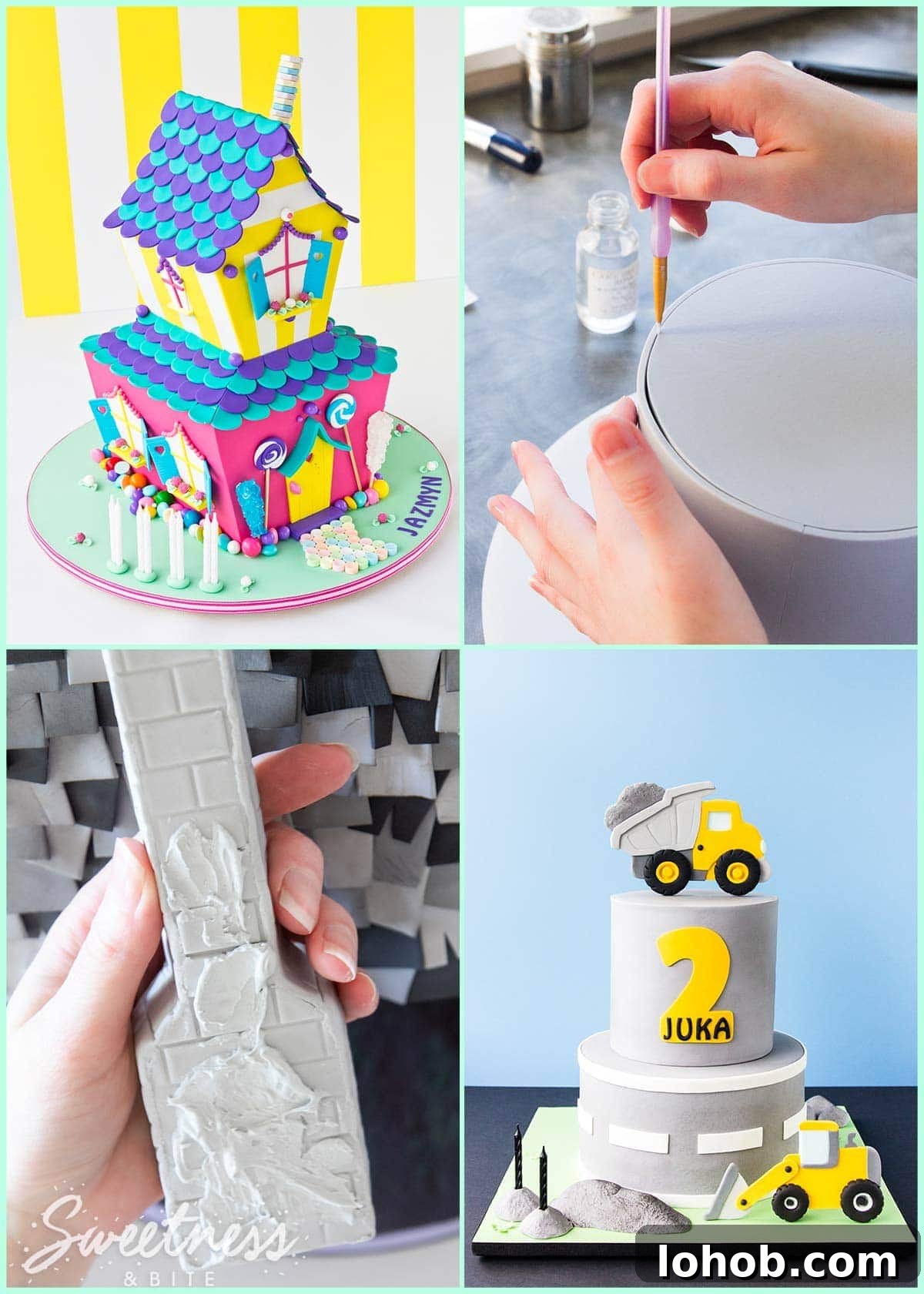
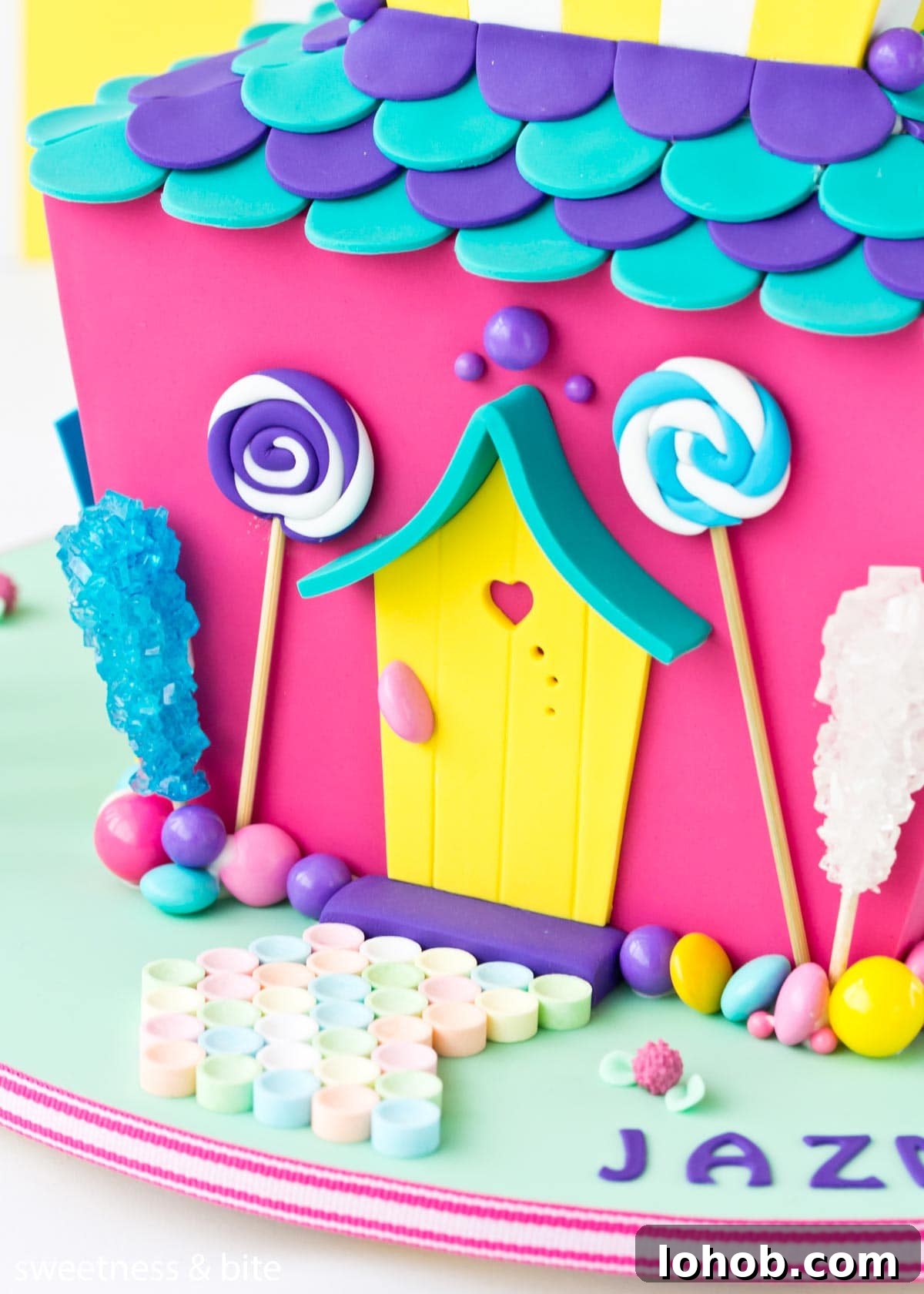
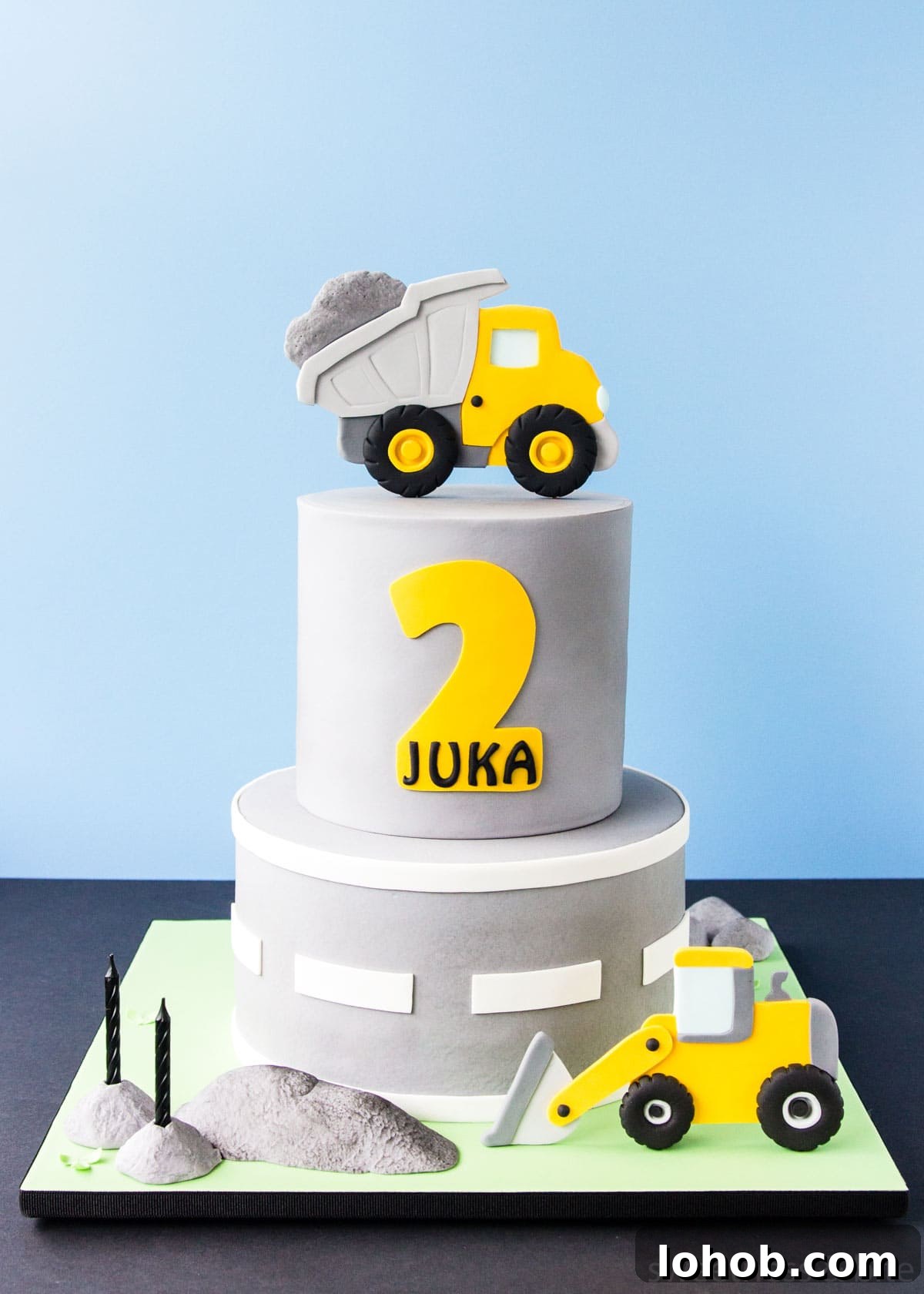
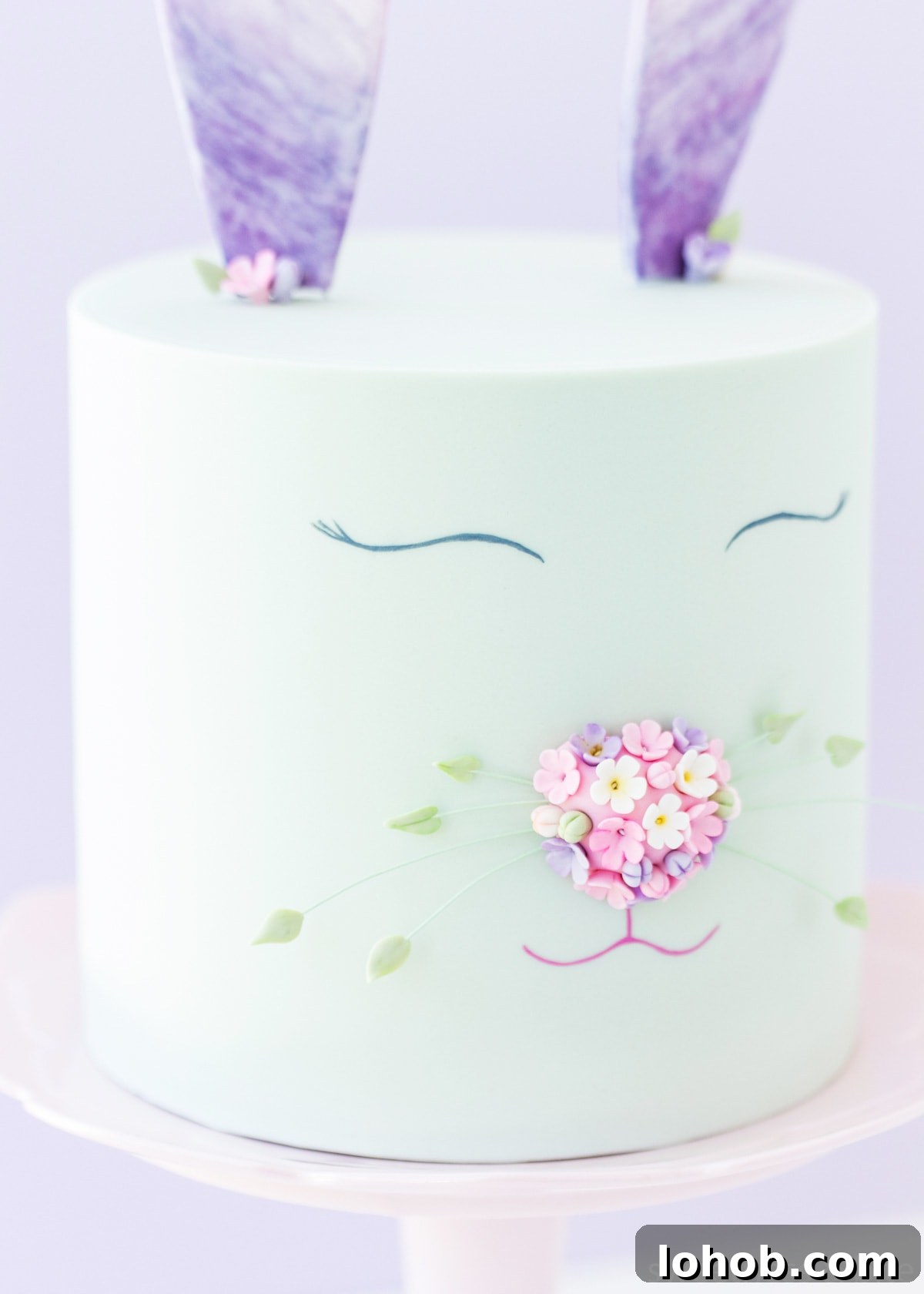
Examples: different cakes often use a combination of the above glues. Water is great for simple flat attachments, vodka for seam blending, sugar glue for heavier gumpaste pieces, melted fondant for bulky items and chocolate or syrup where appropriate. Always match the glue to the weight and finish of the pieces you’re joining.
With these options you should have a reliable method for almost any decorating challenge. Choose based on the materials, the weight of the piece and whether you need the join to be invisible, removable or edible-tasting.
Happy decorating!
xx Natalie
More Cake Decorating Tutorials You May Like…