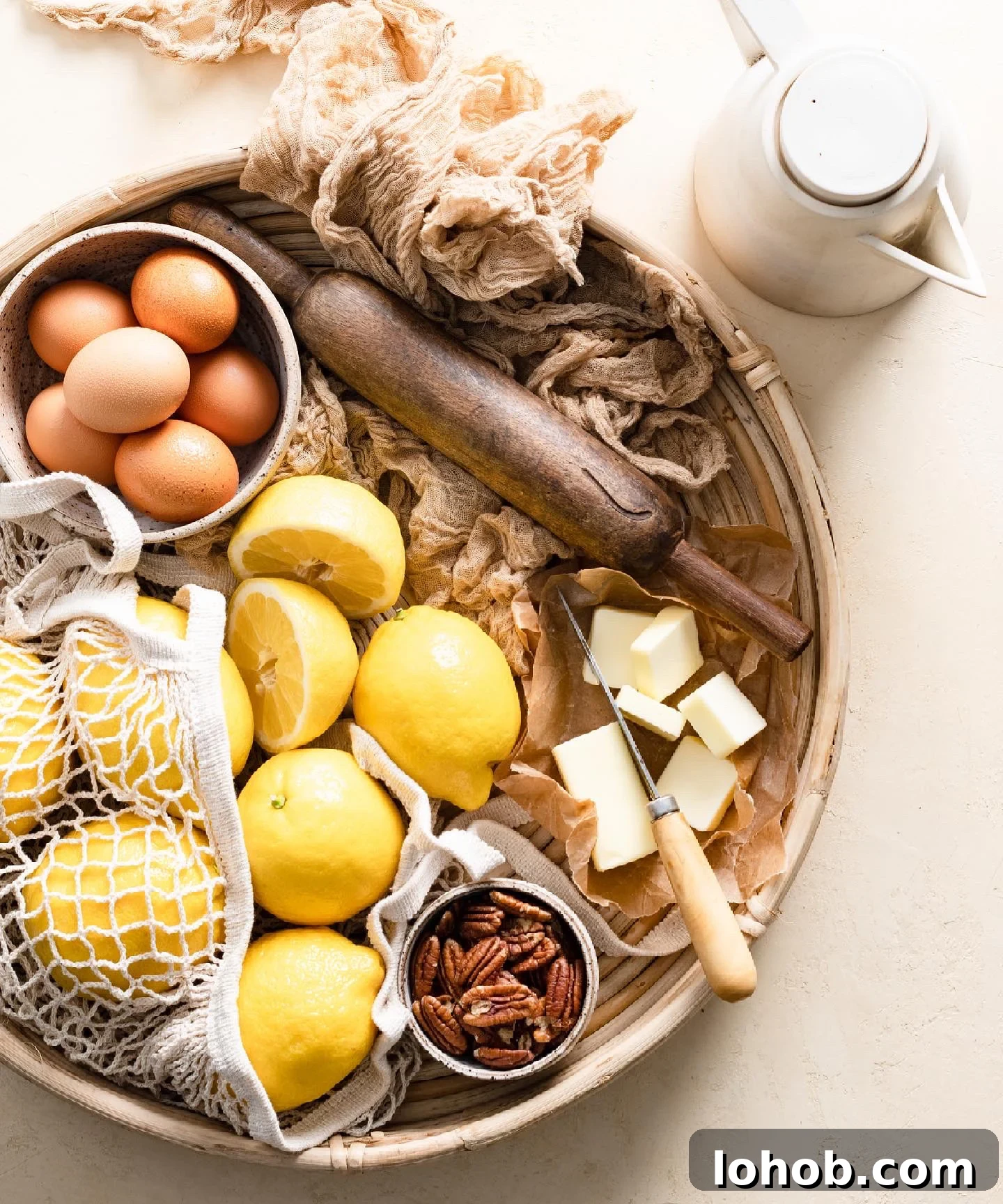
Below are the most common baking ingredients I use on Two Cups Flour, with clear notes on how they affect recipes and tips for best results.
US versus Metric baking measurements
To make recipes easy to replicate, I weigh each ingredient in grams for precision. Measuring by cups is not as reliable for baking—small differences in technique can change a recipe’s outcome significantly. Using an affordable kitchen scale to weigh ingredients in grams ensures you measure the same way I test each recipe.
If you prefer to use standard US measurements, take care not to overpack flour or underpack brown sugar. Each recipe includes a toggle for US and Metric amounts where applicable.
Flour
Each recipe specifies the type of flour required—cake flour, all-purpose, bread flour, rye, or whole wheat. When a recipe calls for more than one flour, I explain the reason in the ingredients or tips section. Every flour has a unique protein level (or ash percentage in France) that affects texture and structure. Substituting flours will change results from the tested recipe.
Flour measurements used in my recipes are based on the following:
- All Purpose Flour: 1 US cup = 125 grams
American versus French flour
| Protein Content | Flour Type | US Brand | French Flour |
|---|---|---|---|
| 8-9% | Cake | Swan’s Cake Flour (Soft Wheat) | Farine T45 |
| 9% | Lower Gluten Pastry Flour | White Lily (Soft Winter Wheat) | Farine T45 |
| 8-10% | Pastry Flour | King Arthur Pastry (8%) | Farine T45, T55 |
| 10-11% | All Purpose | Gold Medal Flour (10.5%) | Farine T55 |
| 11-12% | All Purpose | King Arthur AP (11.7%) | Farine T55, T65 |
| 12-13% | Bread Flour | King Arthur Bread (12.7%) | Farine T65 |
| – | Rye Flour | King Arthur Flour Light Rye | Farine de Seigle |
| – | Fine Almond Flour | Bob’s Red Mill | Amandes en poudre |
| Whole Wheat Flour | King Arthur Flour | Farine T110 |
Eggs
Room temperature eggs are important because they trap air more effectively when beaten into a batter, contributing to volume and structure. Fresh, high-quality eggs give the best results. If a recipe uses raw egg whites, choose pasteurized eggs.
Egg measurements used in my recipes:
- 1 large egg (in shell) ≈ 57 grams
- 1 large egg (no shell) ≈ 50 grams
- 1 large egg white ≈ 30 grams
- 1 large egg yolk ≈ 20 grams
Dairy
The type and amount of dairy influence flavor, structure, and moisture. Buttermilk, sour cream, and crème fraîche add tang and acidity, while milk and heavy cream are milder. Fat percentage matters and affects texture in batters, frostings, and ice creams.
Substituting milk with heavy cream, or switching to a lower-fat milk can change structure and final texture. The same caution applies to frostings and frozen desserts.
Dairy used in my recipes:
- whole milk – 3.25% fat
- heavy cream – 33–35% fat
- crème fraîche – 30–45% fat
- sour cream – 20% fat
- Greek yogurt – 8–10% fat
- buttermilk – 1% fat
- buttermilk replacement: 1 tablespoon lemon juice or vinegar + 1 cup milk
Butter
American and European-style butter
When a recipe lists “butter,” I mean American sweet cream butter. If I specify “European-style butter,” I mean cultured butter with about 82% butterfat. I do not use margarine, so I cannot speak to its effects on these recipes.
I strongly recommend using European-style butter when called for: it adds depth of flavor and yields a tender crumb. It’s my preference for pie dough for flaky layers and rich taste. Substituting American butter for unsalted European butter (82% vs 80% butterfat) can change texture, such as producing a slightly less tender crumb or altered cookie spread.
- My preferred unsalted European-style brand is Président at 82% butterfat.
- European salted butter is cultured and typically around 80% butterfat and can generally be swapped for American salted butter at similar fat content.
Oil
Oil creates a tender crumb and helps retain moisture. Neutral oils such as sunflower oil are my default unless a recipe calls for a flavor-forward choice. I do enjoy olive oil with chocolate or lemon-infused oils in certain cakes.
Sometimes I blend butter and oil to get the flavor benefit of butter and the extra moisture from oil.
Sugar
Sugar contributes sweetness and moisture. Reducing sugar can make bakes drier or crumblier, so weighing ingredients matters. Light and dark brown sugar are often interchangeable unless noted. Dark brown has more molasses, adding moisture, deeper caramel flavor, and darker color.
Sugar measurements used in my recipes:
- 1 cup granulated sugar = 200 grams
- 1 cup brown sugar (firmly packed) = 220 grams
- 1 cup brown sugar (lightly packed) = 200 grams
- 1 cup powdered (confectioners’) sugar = 120 grams
Liquid sweeteners
I use honey, maple syrup, and molasses. Do not swap granulated or brown sugar evenly for liquid sweeteners—honey and maple syrup are sweeter and molasses has an intense flavor and acidity that affect chemistry and texture. Different honeys and maple syrups have distinct flavor notes. For gingerbread, I prefer unsulphured molasses; blackstrap is usually too strong unless diluted.
Salt
Salt enhances flavor, aids browning and yeast activity, strengthens proteins, and balances sweetness. Granule size and processing matter for baking results.
- For baking: fine sea salt or coarsely ground sea salt is preferred because it dissolves evenly.
- Cooking: I sometimes use Diamond Crystal kosher salt more for cooking or savory bakes.
- Garnish: Maldon sea salt flakes are excellent as a finishing touch on sweets.
- Don’t swap: Table salt is not recommended for baking due to its different flavor profile.
Spices
Spices enhance and complement flavors. Quantities reflect my personal taste and can be adjusted. Omitting or swapping spices changes flavor but not structure, so adjust according to preference.
Vanilla
Vanilla bean paste combines extract and seeds and gives strong vanilla flavor plus visual flecks. It’s a cost-effective alternative to beans. Pure vanilla extract and vanilla bean paste can be used interchangeably.
- 1 vanilla bean pod (seeds scraped) = 1 tablespoon vanilla extract
- 1/2 vanilla bean pod (seeds scraped) = 1.5 teaspoons vanilla extract
- 1 teaspoon vanilla extract = 1 teaspoon vanilla bean paste
Nuts
Nuts are flexible add-ins. I use walnuts, pecans, hazelnuts, and pistachios in quick breads, cakes, and cookies for flavor and texture. You can mix or omit nuts as you like. Peanut butter can be swapped for other nut butters, but avoid highly oily varieties—creamy, stable-texture nut butters work best.
Chocolate
I prefer bittersweet dark chocolate (65–70% cocoa) for most cookies and quick breads and adjust sugar to balance bitterness. Replacing dark chocolate with semisweet may result in a sweeter bake.
Cocoa powder & conversions
I favor Dutch-processed cocoa for cookies, cakes, and frostings because it’s alkalized and less acidic, offering a deeper chocolate flavor. Cocoa powder conversions vary; below are the weights I use for accuracy when measuring cocoa by weight.
| Grams | US cups |
|---|---|
| 15 g | 1/8 cup |
| 25 g | 1/4 cup |
| 35 g | 1/3 cup |
| 50 g | 1/2 cup |
| 65 g | 2/3 cup |
| 75 g | 3/4 cup |
| 100 g | 1 cup |
Each ingredient in a recipe has a purpose, helping create the best final result. If you make swaps or adjustments, your results will differ from mine—but you might discover something delicious.
I test each recipe multiple times and adjust techniques and ingredients to achieve the right balance of texture and flavor so I can share reliably delicious results.
My personal preferences—like buttery notes, dark chocolate, citrus zest, and warm spices—may differ from yours, and that’s fine. Changing spices, nuts, or vanilla affects flavor but not structure; changing flours, fats, or sugars is more complicated and can alter the outcome.
I develop recipes with traditional ingredients. I’m glad to offer guidance, but for major dietary substitutions it’s best to use recipes already adapted to those needs.
For baking in France, see my article on expat baking for detailed notes on local ingredients.