Table of Contents
I want every beginner to have a great first experience with sous vide. It took me time to learn these common mistakes, and I’m sharing what I’ve learned so you can avoid them and get better results from the start.
Sous vide makes it possible to produce restaurant-quality dishes consistently and with minimal fuss. Seal your steak or fish, drop it in a water bath, and come back later to a perfectly cooked meal. But despite the simplicity, there are a few recurring errors that can hurt flavor and texture.
Below are six common sous vide mistakes beginners make and practical ways to avoid them, plus a handful of tips to enhance flavor and safety.
1. Not Submerging Your Bag Properly
A frequent frustration is bags that float. The root cause is trapped air—air is buoyant, so a partially sealed bag will rise to the surface and interfere with even cooking.
The best fix is a quality vacuum sealer. A mid-range sealer will reliably remove air and keep bags submerged. Avoid very cheap models that seal poorly or only across a tiny area.
If you don’t have a vacuum sealer, use the water displacement method. Place the seasoned food in a zip-top bag, close it almost entirely leaving an inch open, then slowly lower the bag into a tub of water. The water pressure forces most of the air out; seal the bag fully once the edge is just under the water. This reliably prevents floating for most foods.
2. Forgetting That Eggs Are Delicate
Sous vide is excellent for precise eggs, but whole eggs in the open bath can crack and spill, creating a mess and potentially damaging equipment. To reduce the risk, vacuum-seal eggs or place them in a sealed container before submerging. Handle them gently and avoid bumps against the pot. Even when sealed, monitor placement so eggs don’t roll and strike hard surfaces.
3. Not Using The Right Amount of Water
Using too much or too little water causes problems: overfilling leads to spills when food is added, while underfilling risks rapid evaporation and the bath dropping below the set temperature. A simple approach: fill to the minimum line, add your vacuum-sealed bag, then top up to the maximum line. This ensures enough water for proper circulation without overflow.
4. Overcooking Your Meats
While sous vide prevents many forms of overcooking, it’s still possible to negatively affect texture. Two common causes: very thin cuts and overly long searing afterward.
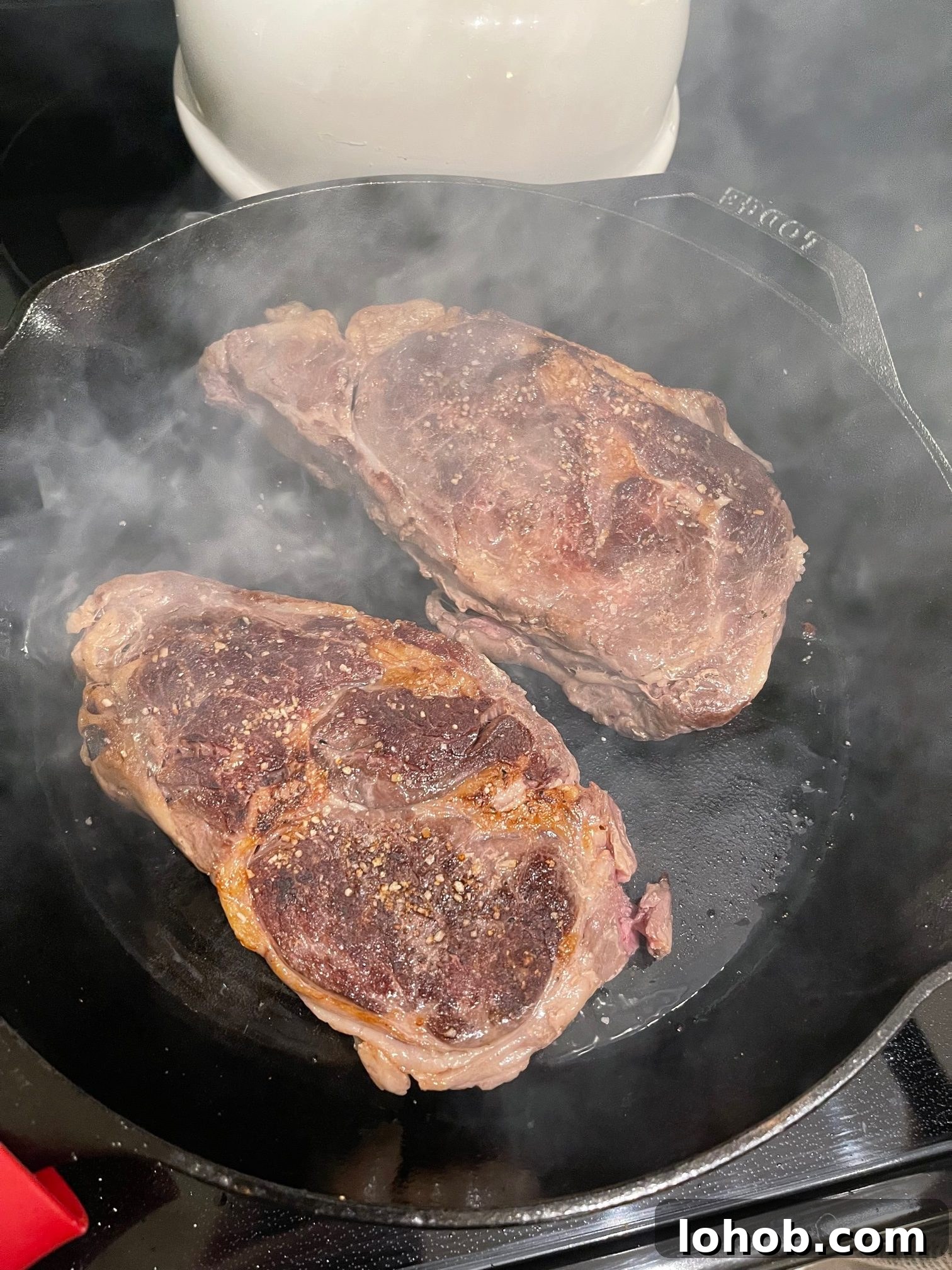
Thin pieces cook through faster; follow your machine’s guidance for temperatures and adjust time for thickness. When searing, be brief and very hot. For thicker steaks, a quick high-heat sear of about a minute per side is often enough; thinner cuts may need only 30 seconds. If you want a safe, no-impact sear, a culinary blowtorch can produce a crust without heating the interior further.
5. Incorrect Use of a Pouch
Leaks occur when bags aren’t sealed properly or when low-quality bags are used. Always seal bags fully—either with a reliable vacuum sealer or by using the water displacement method—and invest in sturdy sous vide bags designed for immersion. Avoid piercing bags with tongs; instead, lift bags by the top edge and support them with a towel if needed. Be cautious with foods that have sharp edges or stems (like asparagus) which can puncture plastic.
6. Not Drying Food Well Before Searing
Moisture on the surface of food steams when it hits a hot pan and prevents a good crust. Always pat meat or fish dry thoroughly with paper towels right before searing. When the surface is dry, you’ll achieve a better, more even Maillard reaction and a more appetizing crust.
Here are some tips that’ll help you avoid some common sous vide mistakes:
• Avoid overpowering seasoning — start simple with salt and pepper; add delicate aromatics like garlic, lemon, or herbs sparingly.
• Consider pre-searing — a quick sear before sous vide can jump-start fat rendering and deepen flavor.
• Prioritize food safety — don’t leave perishable food unrefrigerated for more than two hours. Vacuum-sealed raw food should be used within recommended storage times; extended storage can increase food-safety risks.
Conclusion
Sous vide is a reliable way to make consistent, high-quality meals with minimal fuss. Avoiding the common mistakes listed above — improper sealing, incorrect water level, over-searing, and poor handling — will improve your results dramatically. With a few simple habits and attention to safety, you’ll be cooking better sous vide meals in no time.