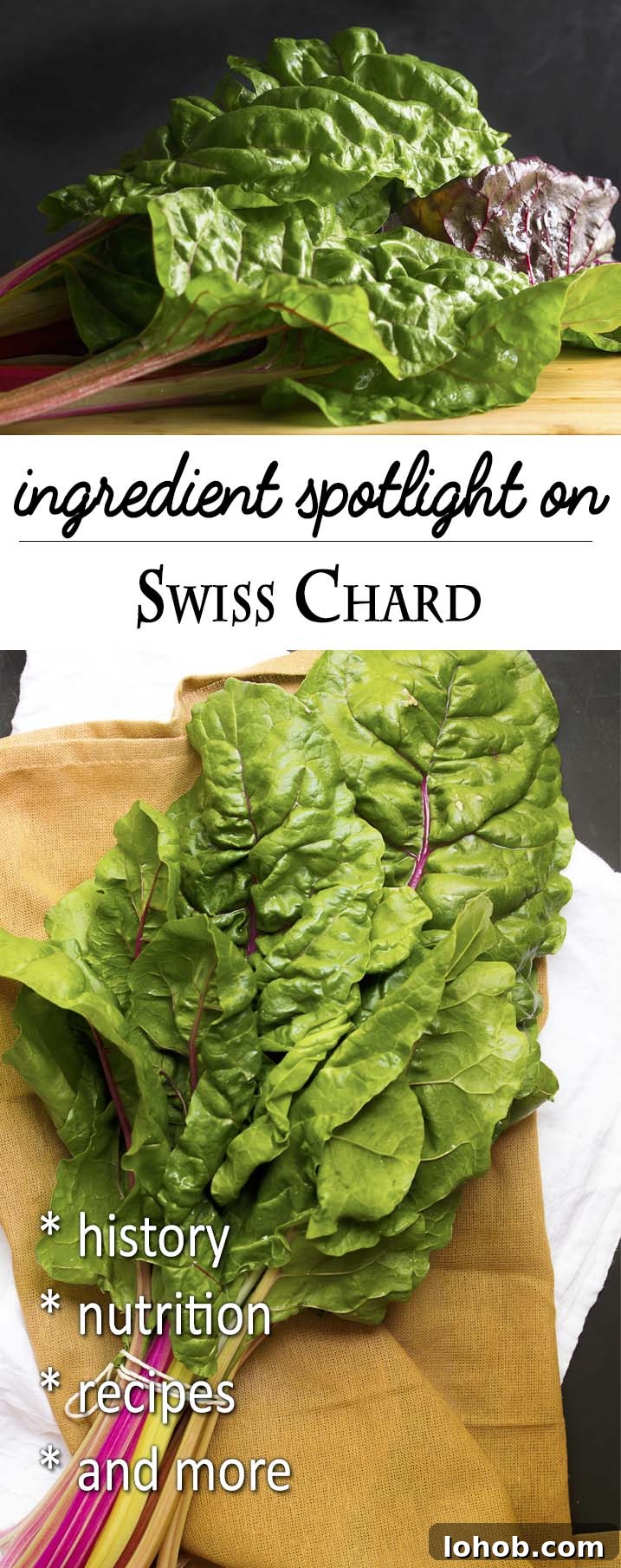
Kale may be the trendy green, but Swiss chard is a delicious, versatile, and nutritious leafy green worth adding to your diet. If you want to learn more about it and discover ways to use it beyond a basic sauté, this guide will help.
Like last month’s ingredient spotlight on rhubarb, this post covers key facts about Swiss chard—what it is, where it comes from, its flavor and nutrition—and offers recipe ideas to move beyond a simple sauté. Read on for a practical, user-friendly overview.
What is it?
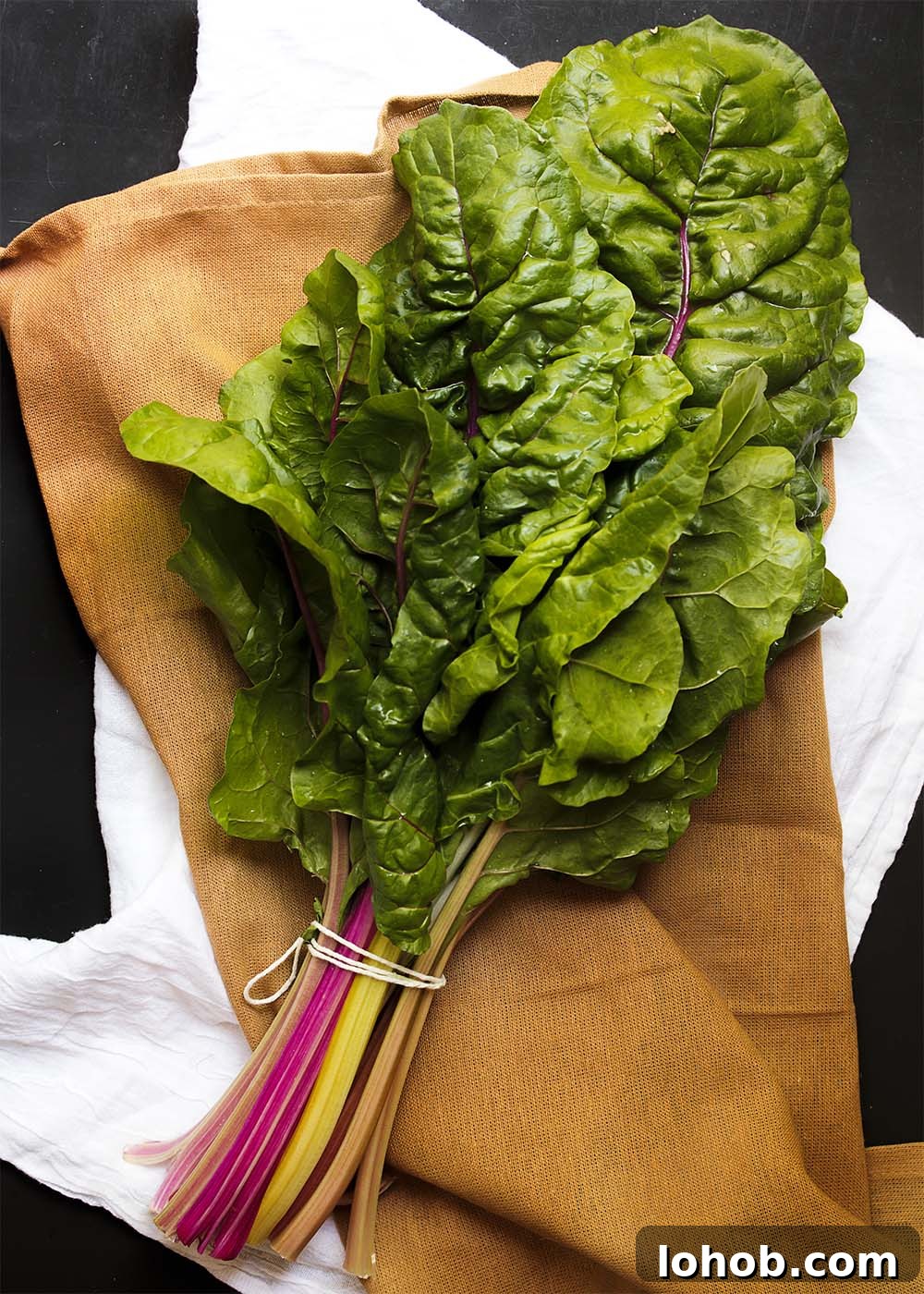
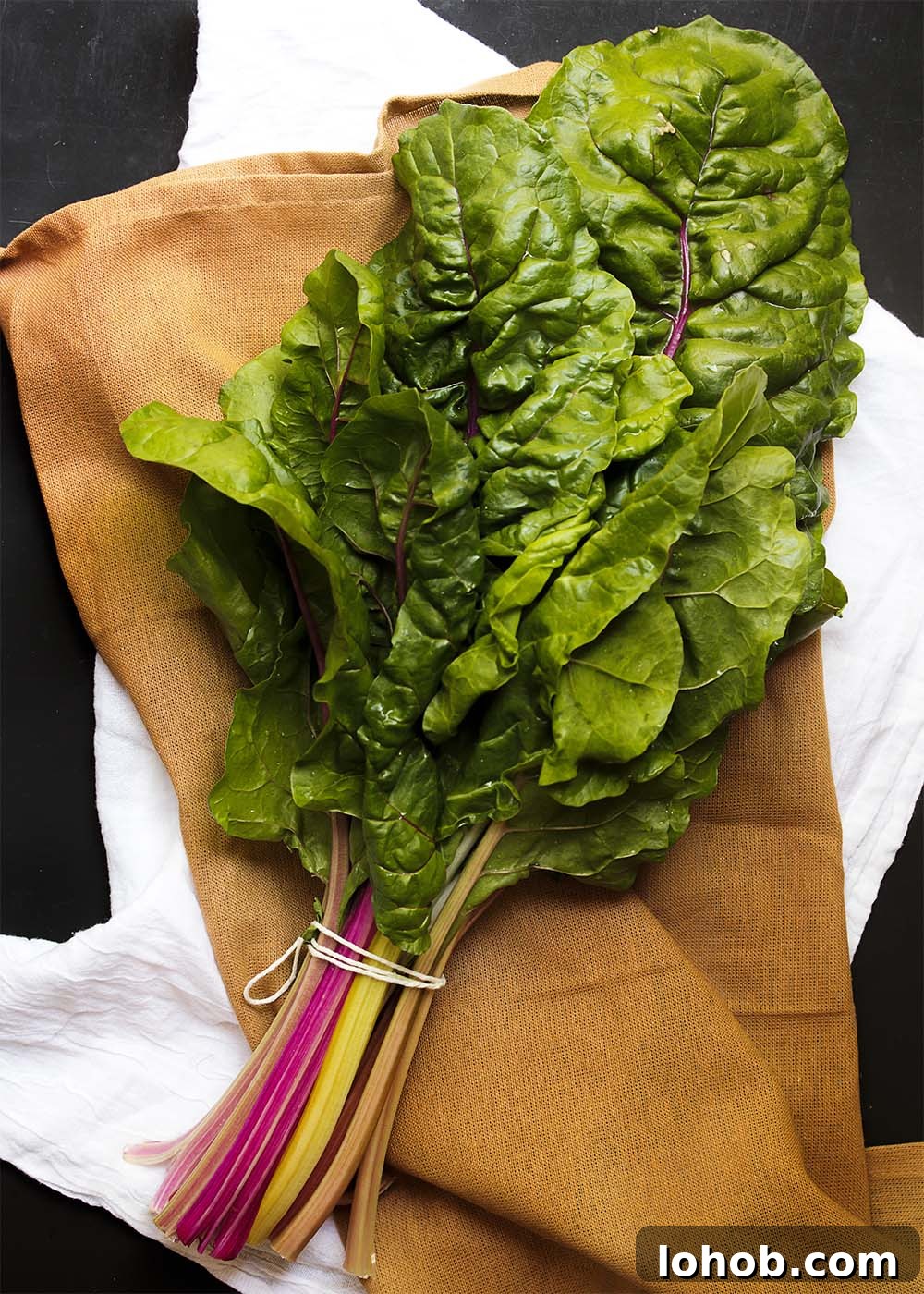
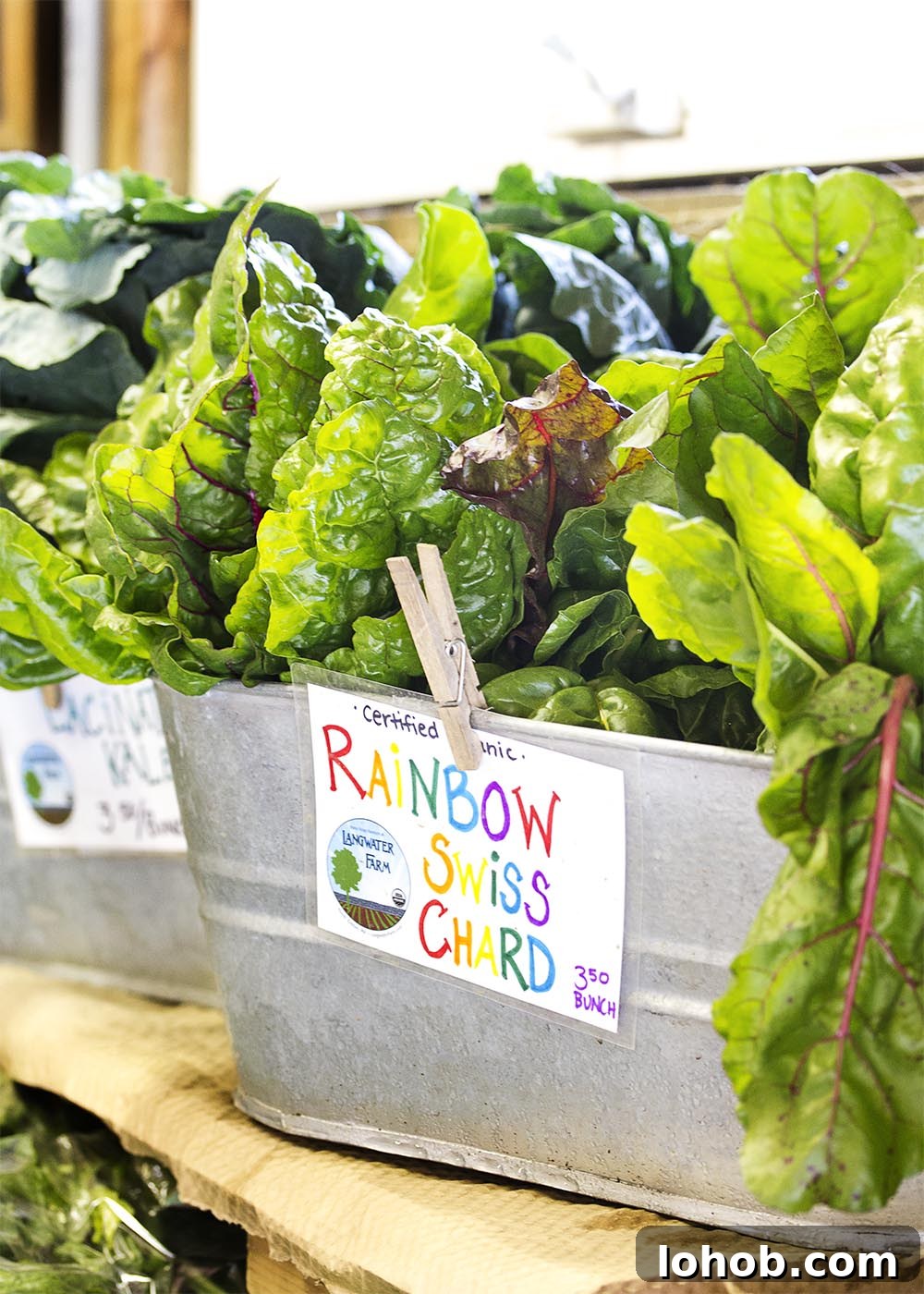
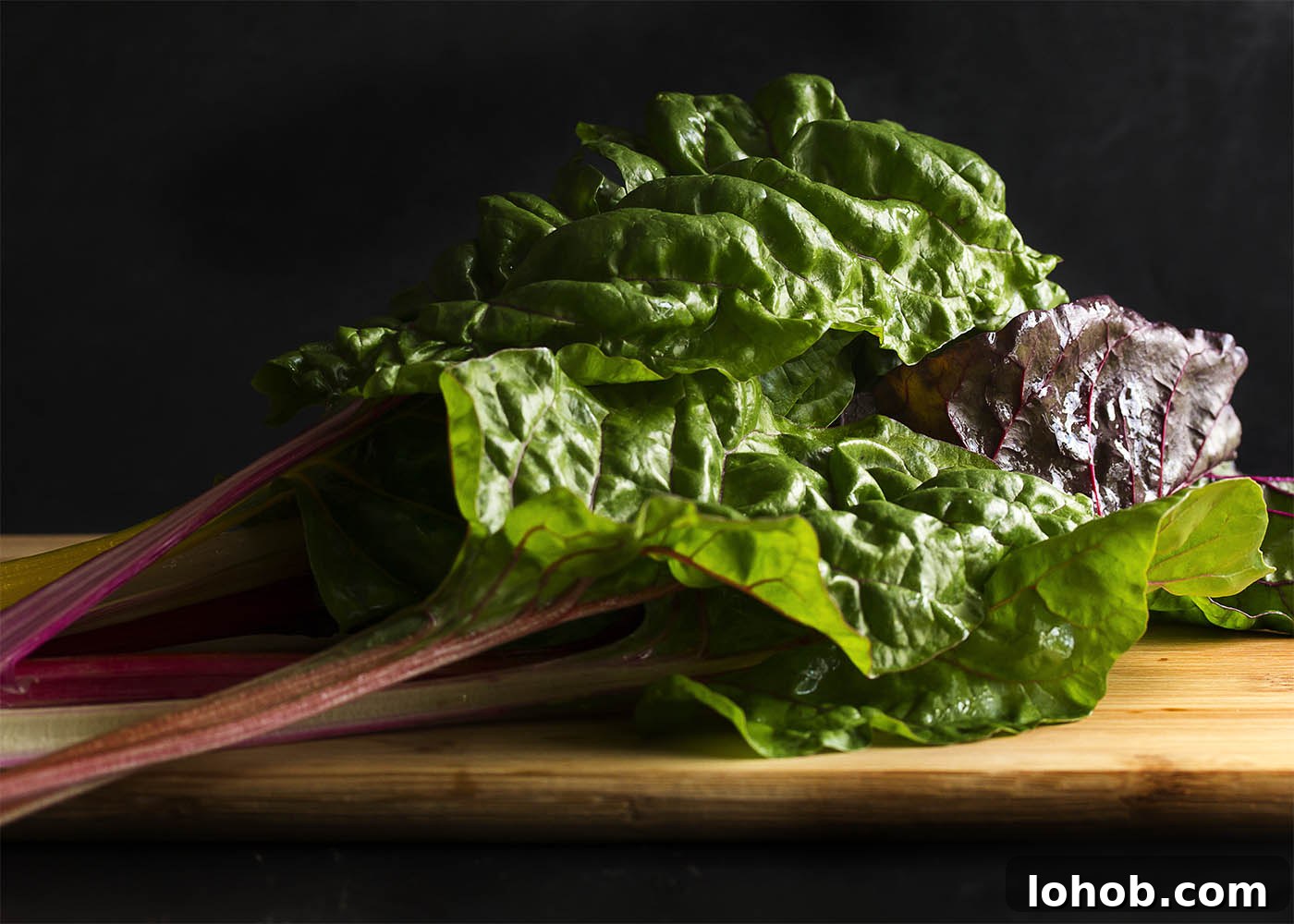
Swiss chard—also called silverbeet or spinach-chard—is a leafy green with a thick, colorful central rib. It is closely related to beets, sharing the same wild ancestor, but it is grown for its leaves instead of its root. Varieties range from white- and red-ribbed types to mixed “rainbow” stems. Young chard leaves are tender enough for salads, while mature leaves and stems are best cooked in sautés, soups, gratins, and braises. Chard prefers cool weather and is most flavorful in spring and fall, though it tolerates heat better than many other cool-season greens.
Where does it come from?
Swiss chard has a long Mediterranean history and descends from the sea beet that grows along European, North African, and parts of Asian coasts. Sea beet has been cultivated for thousands of years and is the ancestor of sugar beet, beetroot, and Swiss chard. Despite its name, Swiss chard is not especially associated with Switzerland; the origin of the name is unclear and may relate to a botanist’s classification or linguistic shifts from earlier names.
What does it taste like?
Swiss chard has a flavor similar to spinach: mildly salty with a touch of bitterness in older leaves and a subtle sweetness that hints at its beet relatives. The stems can carry a faint earthy, beet-like note. Use chard in any recipe that calls for cooked spinach or other hearty greens—turnip greens, beet greens, and kale can be swapped in many dishes.
What’s the nutritional info?
Swiss chard is a nutrient-dense leafy green. It provides a strong dose of vitamins A, C, and K, along with minerals such as magnesium, potassium, iron, and calcium, and a range of B vitamins. Chard contains flavonoids and phenolic compounds, including syringic acid, which have antioxidant and anti-inflammatory properties and may support blood sugar regulation and detoxification pathways.
How do you cook it?
Swiss chard is extremely versatile. While a simple sauté with olive oil and garlic is a classic, here are several other ways to enjoy it that show its range—from comforting mains to bright sides.
- Double-Dutch Mac and Cheese with Chard – Add chopped chard to mac and cheese for a comforting, balanced dish.
- Bietola e Patate (Swiss Chard and Potatoes) – A classic Italian combination of tender chard and potatoes, often braised with olive oil and garlic.
- Greek Swiss Chard Pie – Similar to spanakopita, this savory pie (hortopita) uses chard in a flaky, herb-filled pastry.
- Swiss Chard Pancakes – Savory pancakes made with chard offer a fritter-like option inspired by European preparations.
- Garlicky Lentil Soup with Swiss Chard and Lemon – A Lebanese-style lentil and chard soup brightened with lemon and garlic for a hearty, healthy meal.
- Orecchiette with Swiss Chard, Brown Butter & Walnuts – Quick pasta tossed with chard, nutty brown butter, and walnuts for a simple weeknight dinner.
Below are a couple of simple recipes from this site that make great starting points when you have chard on hand.
- 1. Swiss Chard Chips
- 2. Easy Swiss Chard Gratin
Swiss chard is an easy, healthful vegetable that works in a wide range of dishes. Try it raw when young, sautéed with garlic and lemon, added to soups and pastas, or baked into gratins and pies. Once you experiment with a few preparations, chard will likely become a regular in your cooking rotation.