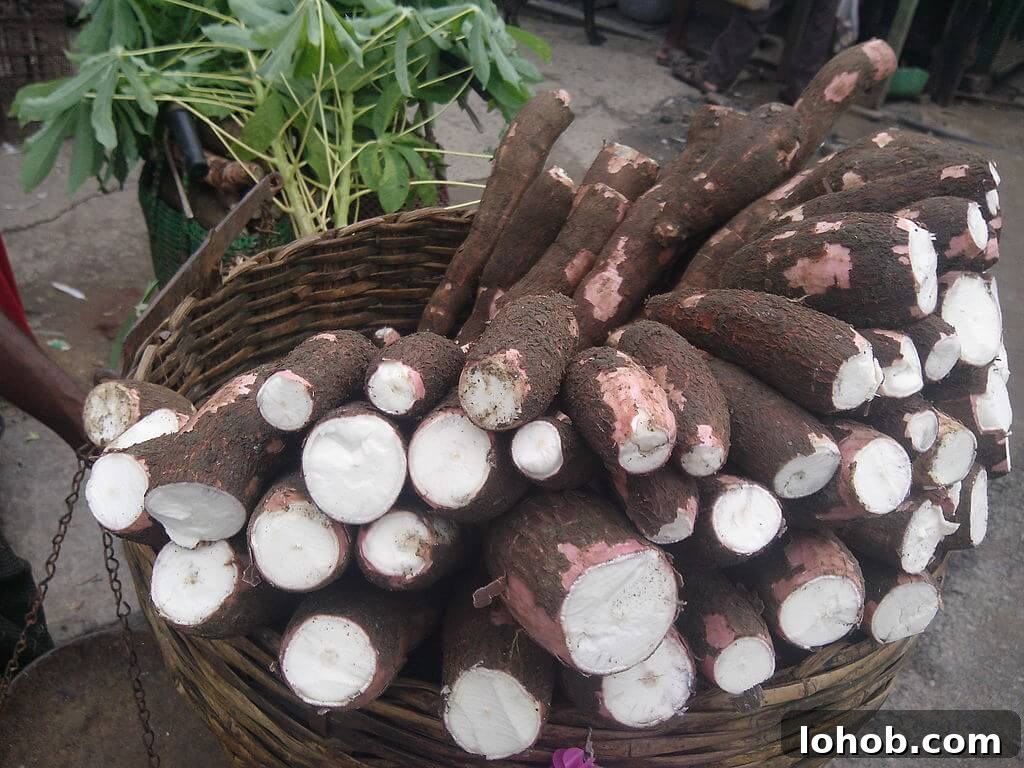
Is cassava flour the holy grail of gluten-free, grain-free cooking? It very well may be. But first, there are five things you should know about it.
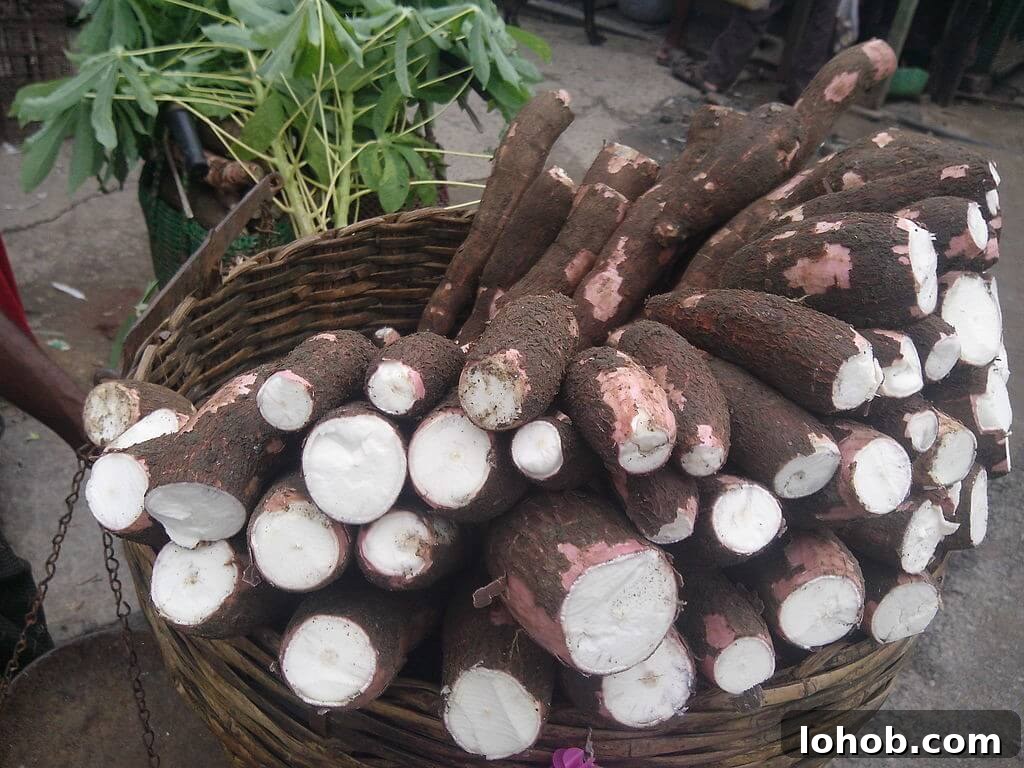
Cassava flour has gained popularity as a reliable gluten-free, grain-free alternative to wheat flour. For many people on restricted diets, replacing wheat often means combining several alternative flours to approximate the texture and performance of wheat—an imperfect solution. Cassava flour, however, often performs more like wheat on its own, which makes it appealing to home bakers and cooks.
After spending time in Bali and Southeast Asia sampling many cassava-based breads, cakes, and snacks, it became clear how versatile the flour can be. It behaves similarly to wheat in many recipes, offering a neutral flavor and a soft, powdery texture that blends well into baked goods and savory items alike.
Could it really be that good?
Yes — for many applications it can be. That said, there are important considerations. Before you start using cassava flour in everything, here are five key points to keep in mind:
1. Cassava flour is gluten-, grain- and nut-free
Cassava comes from the tuberous root of the cassava plant (also called yuca or manioc). As a root vegetable, it is naturally free of gluten, grains, and nuts, making it suitable for people with those specific allergies or dietary preferences. It also fits vegan, vegetarian, and many paleo approaches.
2. Cassava flour is not the same as tapioca flour
The terms cassava flour and tapioca flour are sometimes used interchangeably, but they are different products. Tapioca is the pure starch extracted from the cassava root through washing and pulping; once the water evaporates, pure tapioca starch remains. Cassava flour, by contrast, is made from the whole peeled root that has been dried and ground. Because it includes the whole root, cassava flour contains more fiber and a slightly different texture, which makes it more suitable for many baking applications where whole-flour behavior is needed.
3. Cassava flour is not poisonous
Raw cassava contains naturally occurring cyanogenic compounds, which can be toxic if consumed without proper processing. Traditional preparation methods—soaking, fermenting, and cooking—remove these compounds. Commercially processed cassava and tapioca flours are treated to eliminate harmful levels of cyanide, so products sold for cooking and baking are safe when used as intended.
4. Cassava flour is high in carbohydrates
As a starchy tuber, cassava is calorie- and carbohydrate-dense—higher per 100 grams than many other root vegetables like sweet potato. For people relying on cassava as a staple food, this energy density is beneficial. For those monitoring blood sugar, following a low-carb plan, or managing insulin response, it’s worth moderating intake. Cassava can raise blood sugar levels, so use it thoughtfully within a balanced diet.
5. Cassava flour is the most similar to wheat flour among gluten-free options
One of cassava flour’s strongest advantages is its mild, neutral flavor and fine, powdery texture. Unlike denser alternatives such as almond or coconut flour, cassava flour can often be substituted for wheat flour at a 1:1 ratio in many recipes, producing familiar textures in pancakes, tortillas, quick breads, and certain baked goods. It’s also a good nut-free option for those with tree nut allergies.
Quality varies between brands, and processing differences affect performance. If a recipe doesn’t turn out as expected, the brand or quality of cassava flour is a common factor. Many home cooks report consistent results with established, reputable brands.
Favorite cassava and yuca recipe ideas
Cassava Flour Tortillas
Baked Yuca Fries (Cassava Fries)
Steak Fajitas with Cassava Flour Tortillas
Molten Chocolate Cake with Coconut Whipped Cream and Pistachios
Herbed Cassava Tortilla Chips
Pulled Pork Street Tacos
Coconut Amaretto Crepe Cake
If you enjoyed this article, consider reading other posts about alternative flours and pantry organization to learn more about the ingredients and products commonly used in gluten-free and grain-free cooking.
Have you cooked with cassava flour yet? Share your experience and any tips you’ve learned along the way.
This post was originally published May 2015 and updated July 2017.