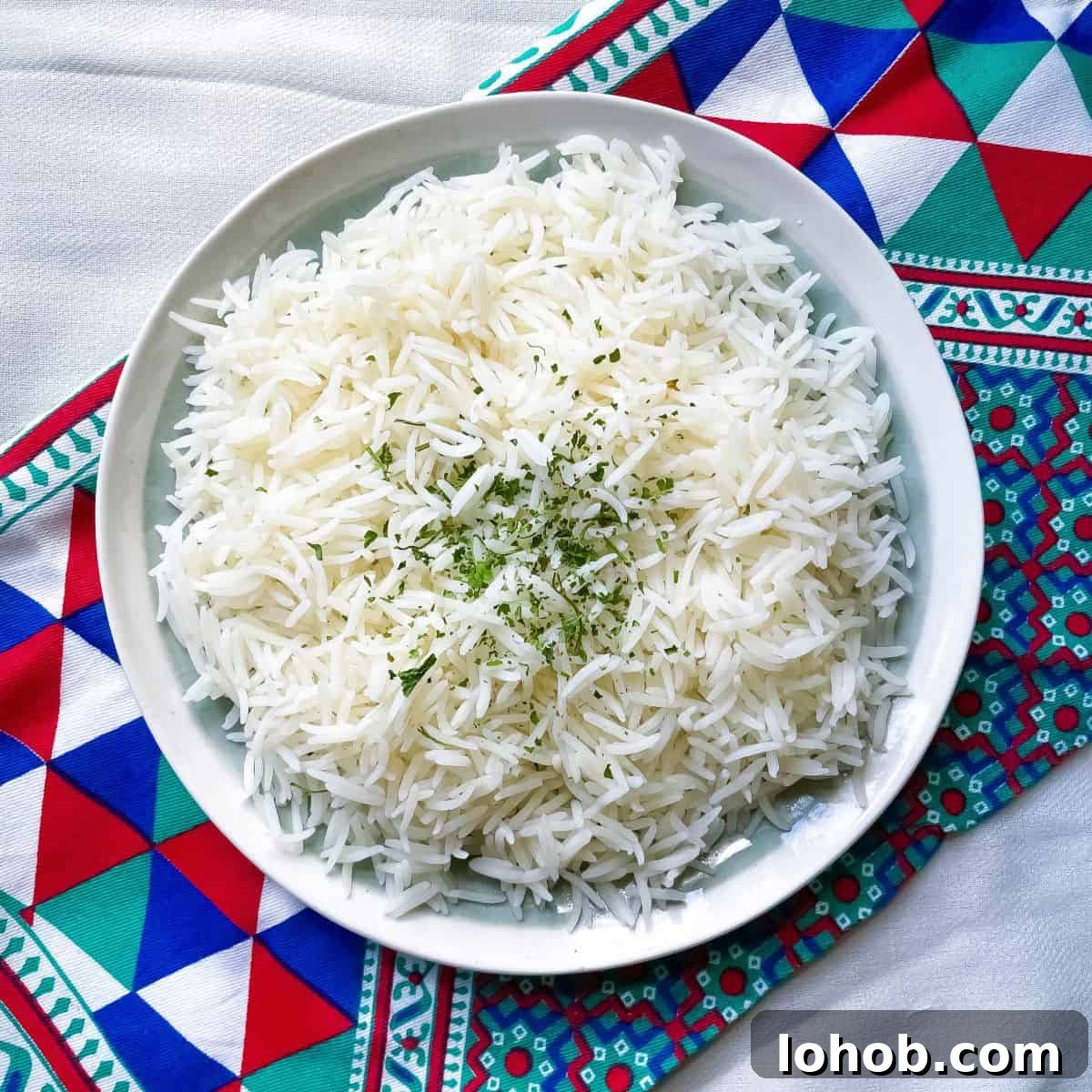
Here’s a clear example of something that looks simple but can trip people up: how to cook basmati rice properly.
You might assume it’s straightforward — boiling rice — but the truth is it’s a bit more nuanced. Great basmati rice is soft, fragrant and has separate, unbroken grains. Getting that texture takes a little technique.
This article covers everything you need to make perfect basmati rice: the exact stovetop method I use, the utensils that help, troubleshooting common problems, storage and tips for beginners.
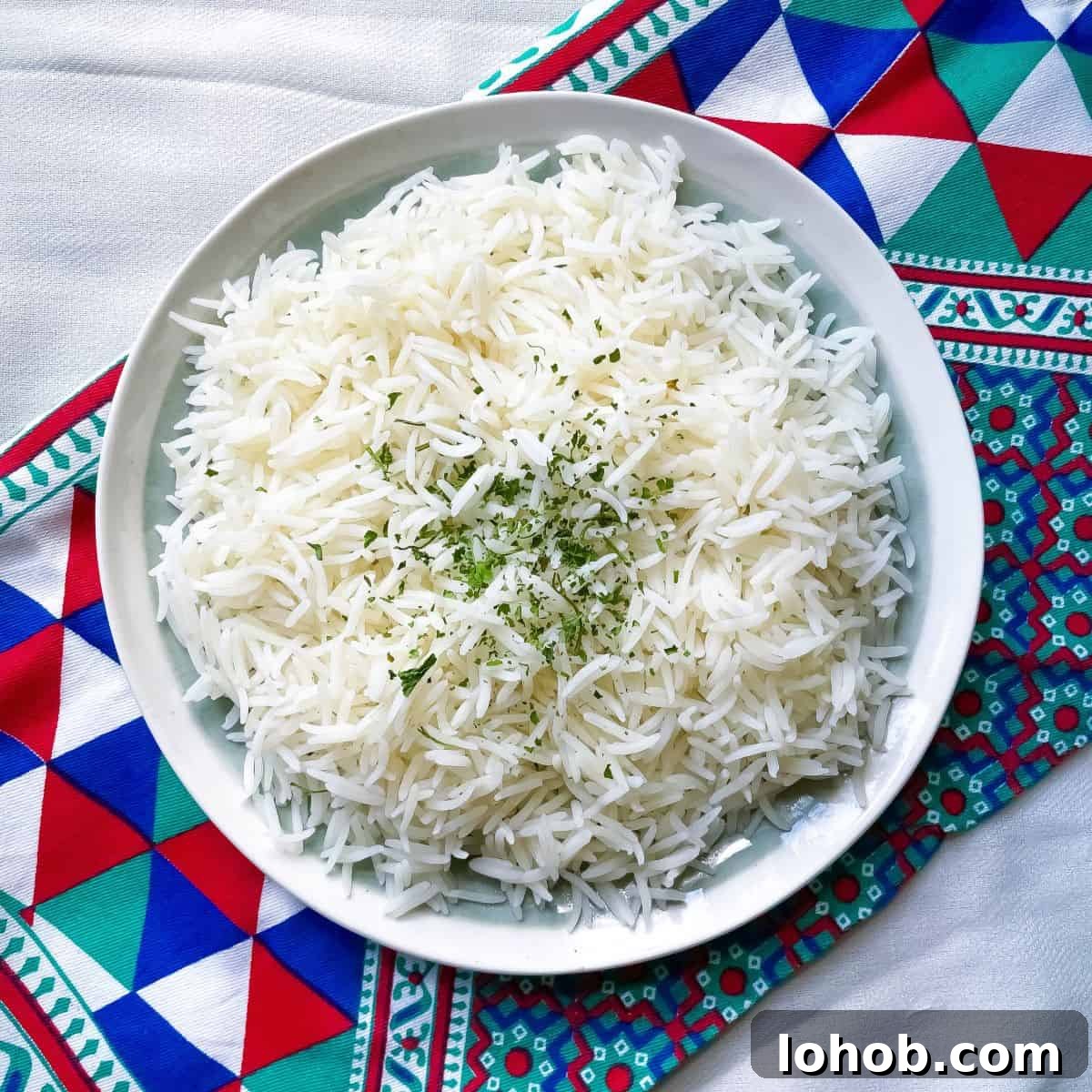
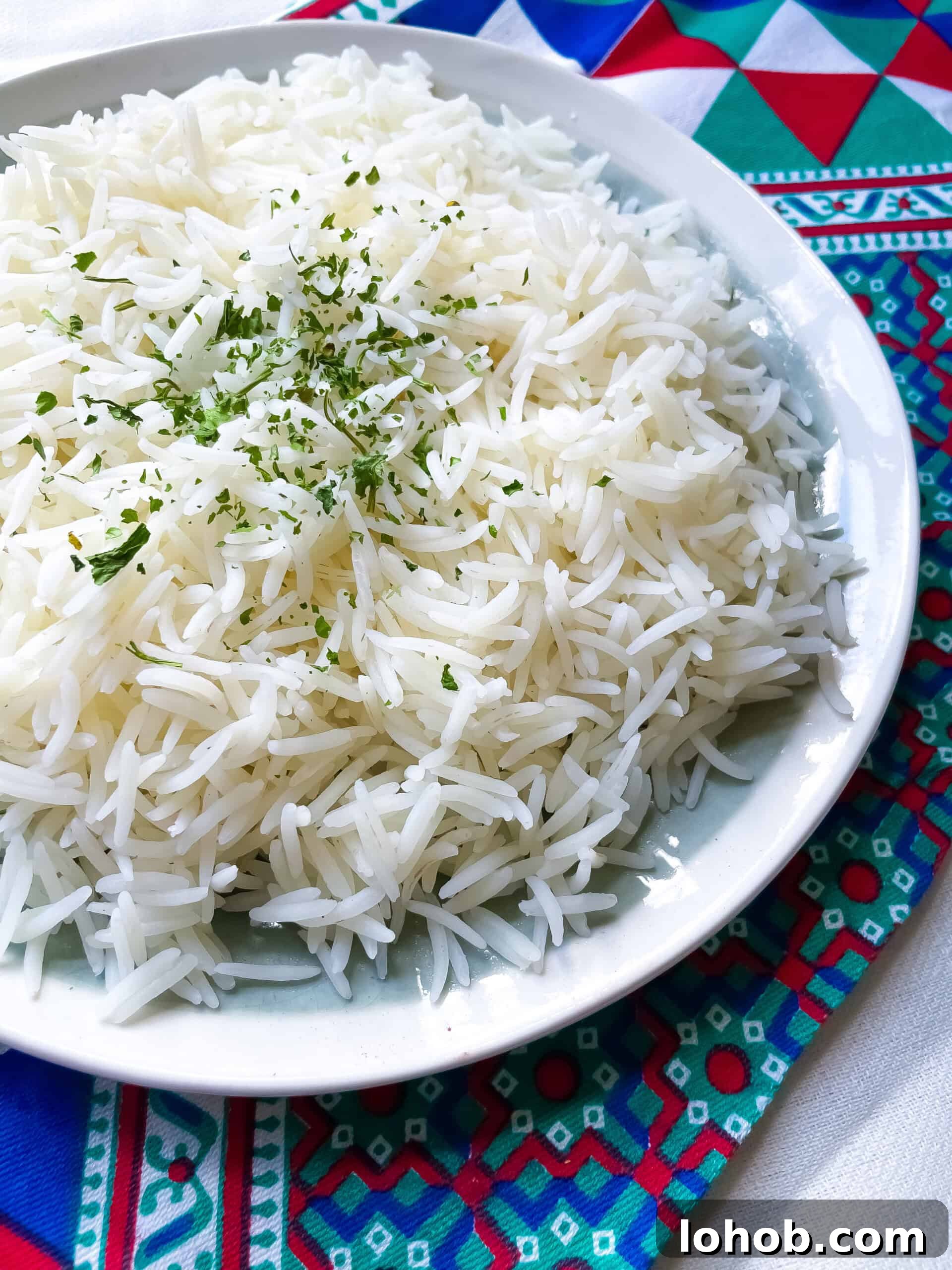
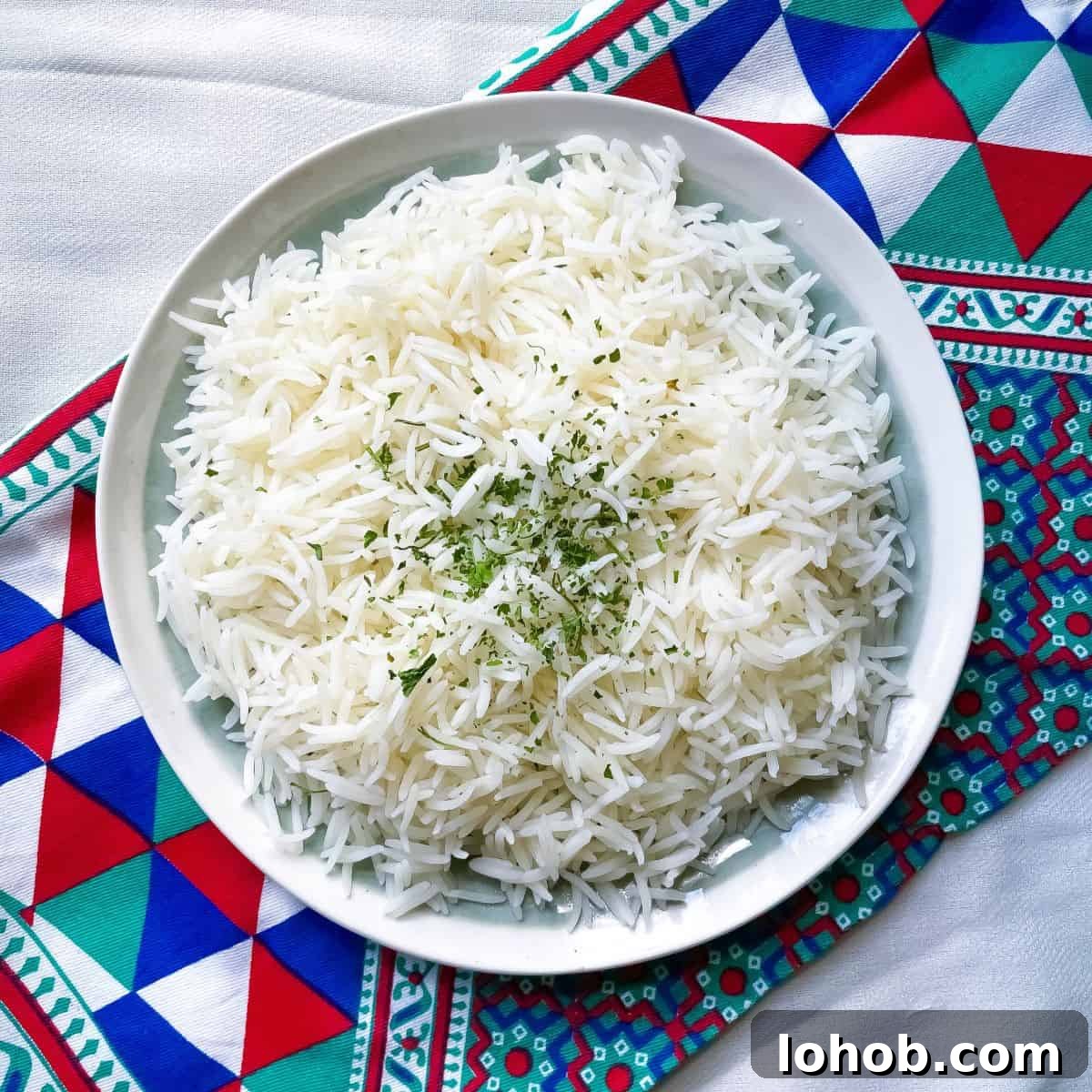
🤩 The ideal basmati rice is…
Before we cover the method, let’s agree on the goal. The perfect basmati rice should be:
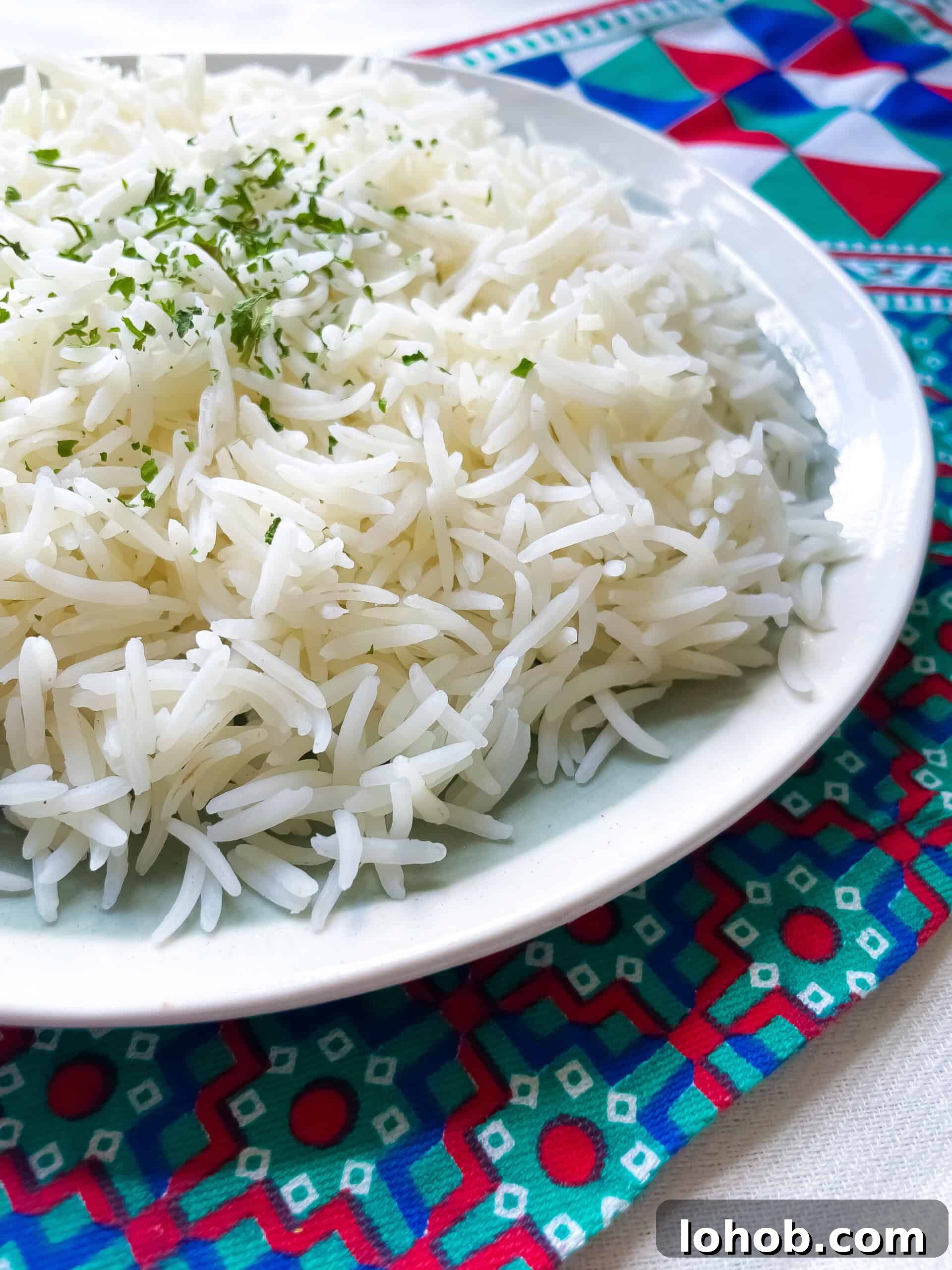
- Fluffy, soft and light — not clumpy or dense.
- Every grain separate, not sticky or starchy, and not broken.
- Long-grain rather than short-grain.
Like this:
🥣 Which method is best?
Two main approaches work: the absorption method (one pot, water absorbed by rice) and the boil-and-drain method (cook in lots of water, then drain). I prefer the boil-and-drain method because it removes excess starch, producing lighter, more separate grains. The absorption method is simpler, but usually gives a denser result.
Below I’ll walk you through the stovetop boil-and-drain method — in my experience the most reliable way to get ideal basmati rice.
🍚 Method
The process has three clear stages: 1) washing and soaking, 2) cooking (boil-and-drain) and 3) steaming (dum).
Part 1: Washing and soaking
This step matters. Washing removes surface starch that makes rice sticky. Soaking hydrates grains, helps them elongate, and shortens cook time.
- Rinse rice in a sieve or colander under cold water, swishing gently with your hands until the water runs clear.
- Or wash in a bowl: add cold water, swish, pour off, and repeat until clear.
- Then soak the washed rice in enough cold water to cover it completely for at least 30 minutes, ideally one hour. You can soak up to about 6 hours, but longer soaking makes grains more delicate and slightly shortens cooking time.
When ready, drain the soaking water completely and proceed to cook.
Part 2: Cooking
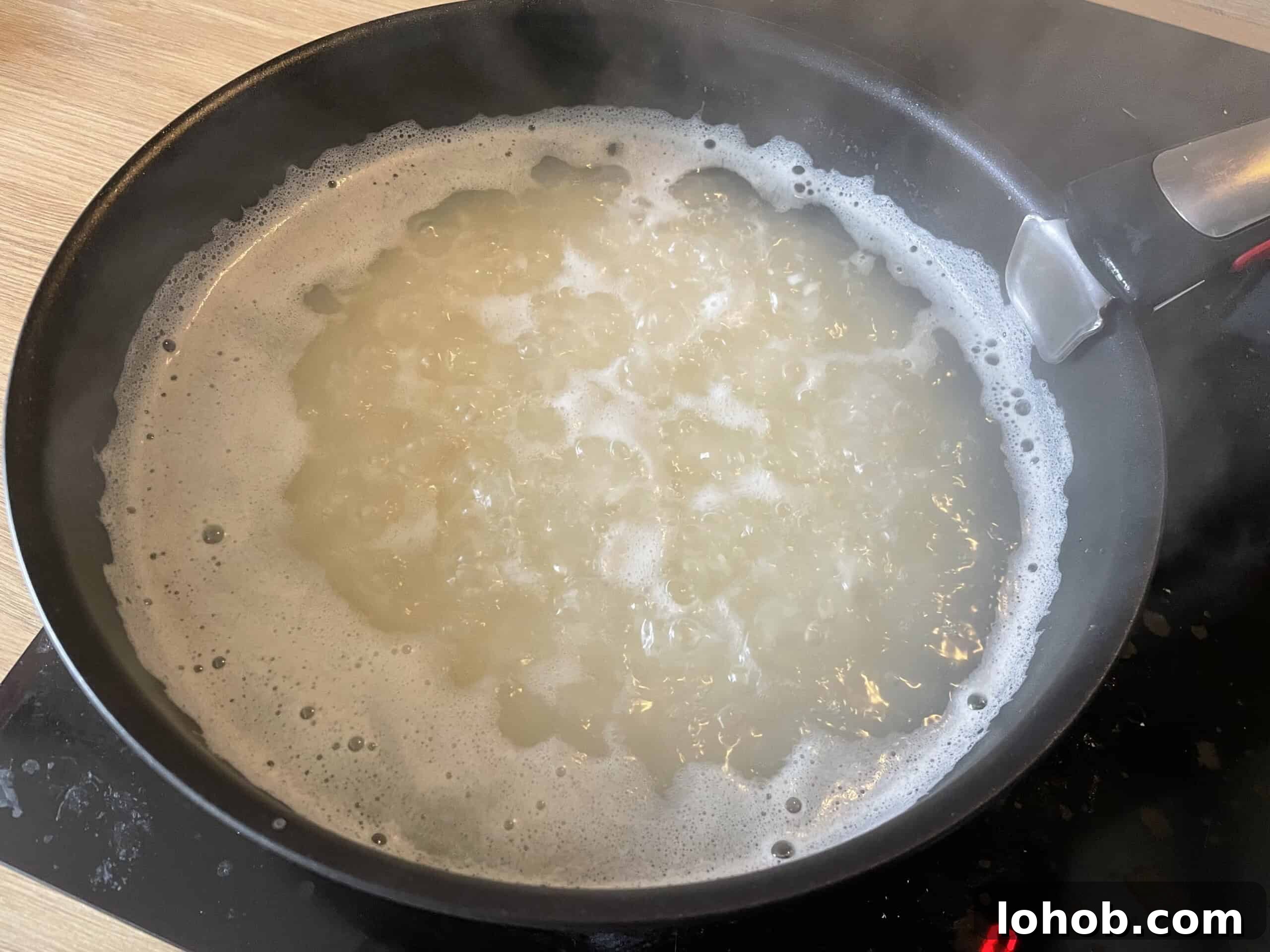
Use a wide, roomy pan. Fill it with plenty of water, salt it generously (about 1.5 tsp salt per 1 cup / 200g rice is a guideline), and bring to a vigorous rolling boil.
Add the drained rice and keep it at a fast boil. Stir gently once or twice with a flat slotted spoon or rice paddle — avoid vigorous stirring that can break grains.
Cook until the rice is al dente — roughly 80% done — so it still has a slight bite. This usually takes around 6–8 minutes but depends on rice brand, soak time and heat. Taste a few grains to check.
When al dente, drain the rice in a sieve or colander and discard the cooking water.
Part 3: Steaming (dum)
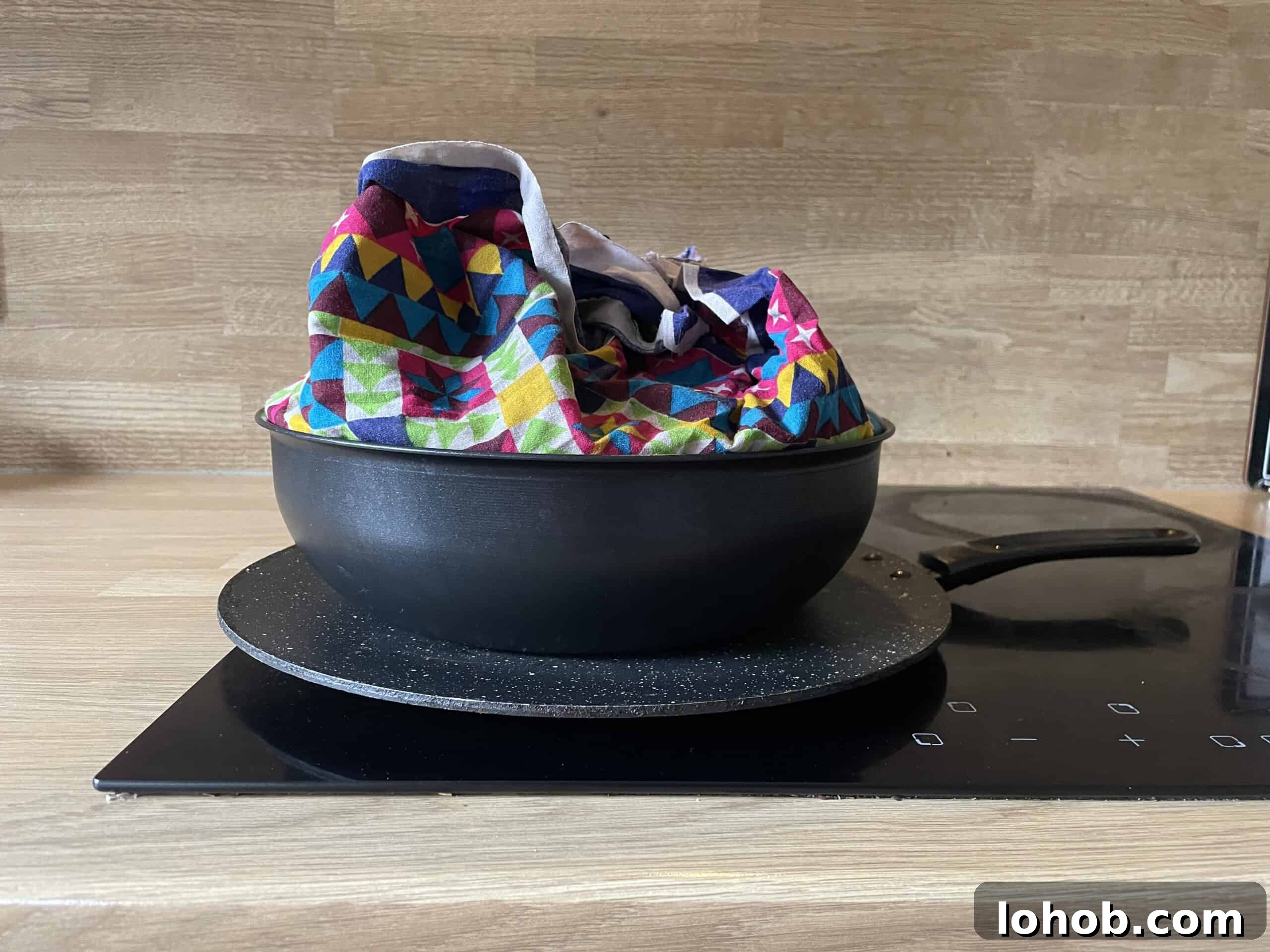
This final steaming step gives the rice its soft, pillowy texture. Optionally preheat a flat pan and place it under your rice pot to diffuse heat during steaming.
Turn the stove to the lowest heat you can. In the same pot, add about 1 teaspoon butter, oil or ghee per 1 cup (200g) rice and warm it briefly. Return the drained rice gently to the pot and fold the fat through the grains without smashing them.
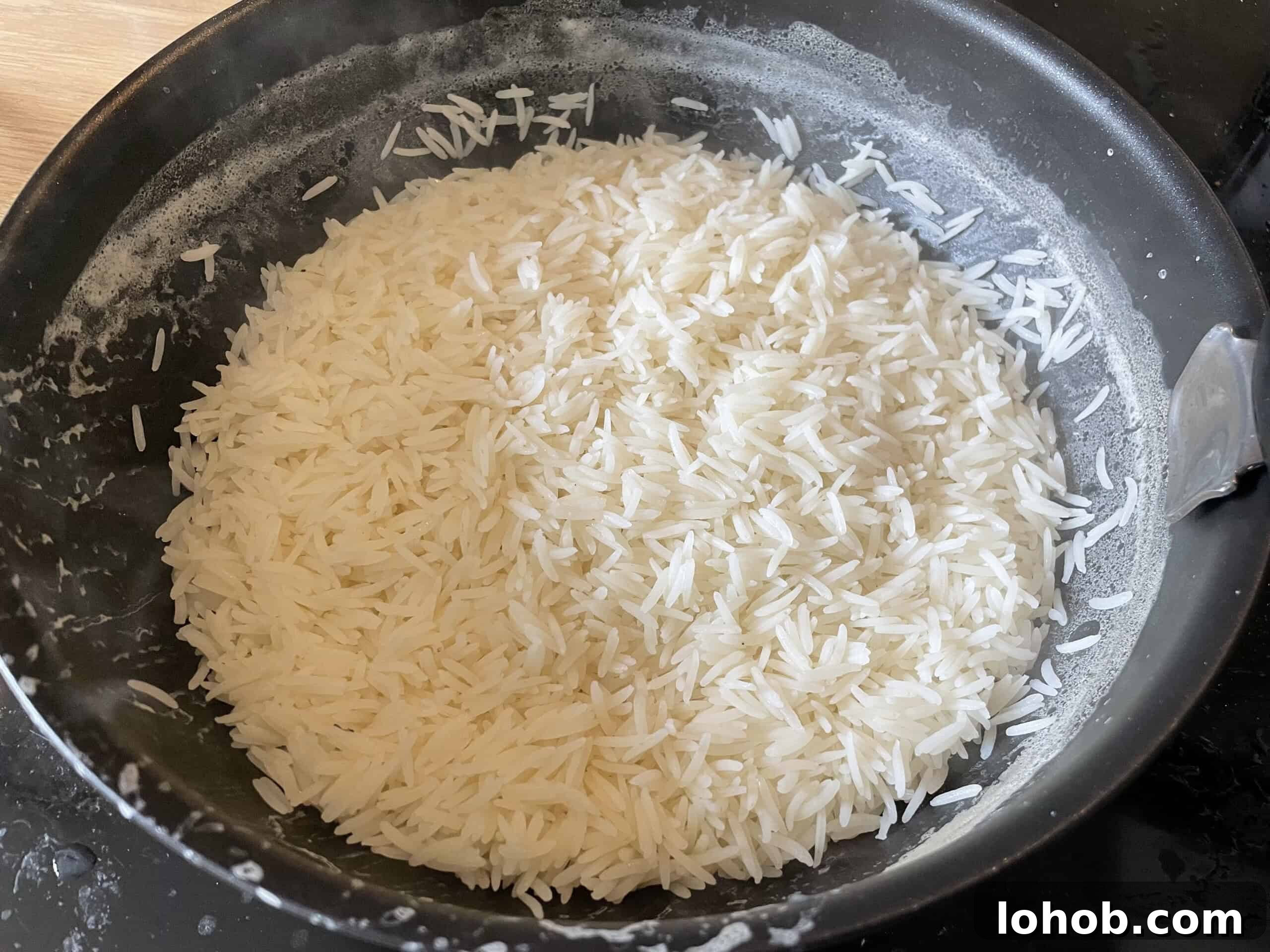
Cover tightly with a lid. Line the lid edge with a clean tea towel, or use foil/plastic wrap if needed, to trap steam. Steam undisturbed over very low heat for 15–20 minutes. Do not lift the lid during this time.
After steaming, remove the lid and gently fluff the rice with a flat slotted spoon or rice paddle. Your soft, fragrant basmati rice is ready.
✋🏼 Handling cooked basmati rice
Handle cooked basmati rice gently to avoid broken grains and clumps.
- Use a flat slotted spoon or rice paddle to stir, fluff and serve. Avoid bulky wooden spoons.
- Fluff the rice immediately after steaming, even if you’re not serving right away, to prevent clumping.
- If transferring rice for serving, use a wide, shallow platter so grains aren’t compressed in the center.

🌟 Best basmati rice brands
Quality matters. Good rice forgivingly gives better results even when small mistakes happen. Recommended brands I’ve used and liked include:
- Tilda Grand Extra Long Basmati Rice
- Daawat Extra Long Basmati Rice
- Laila Xtra Long Basmati Rice (black bag)
- East End Royal Basmati Rice
- Zebra Basmati Rice
- Shama Basmati Rice
These brands are commonly available in many countries.
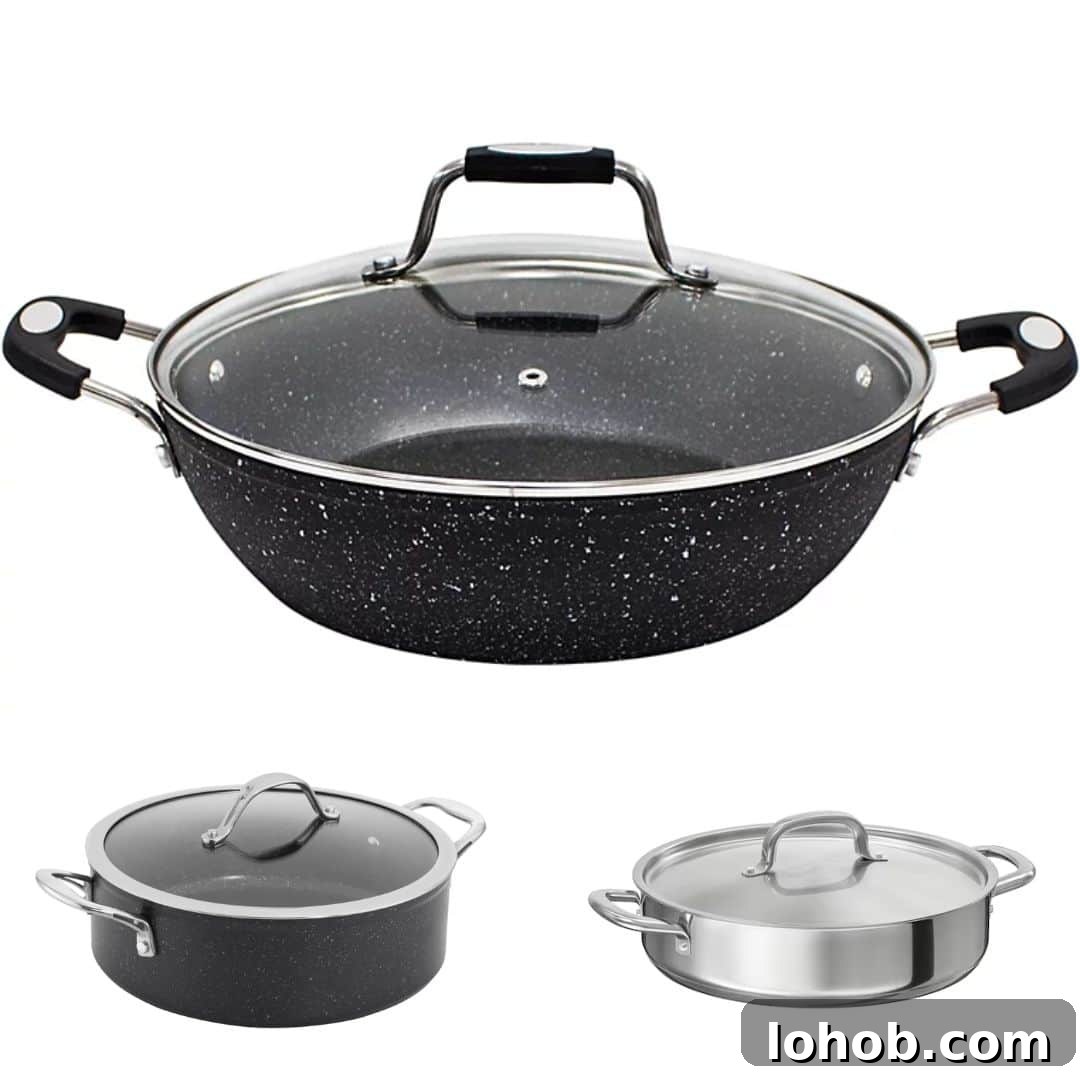
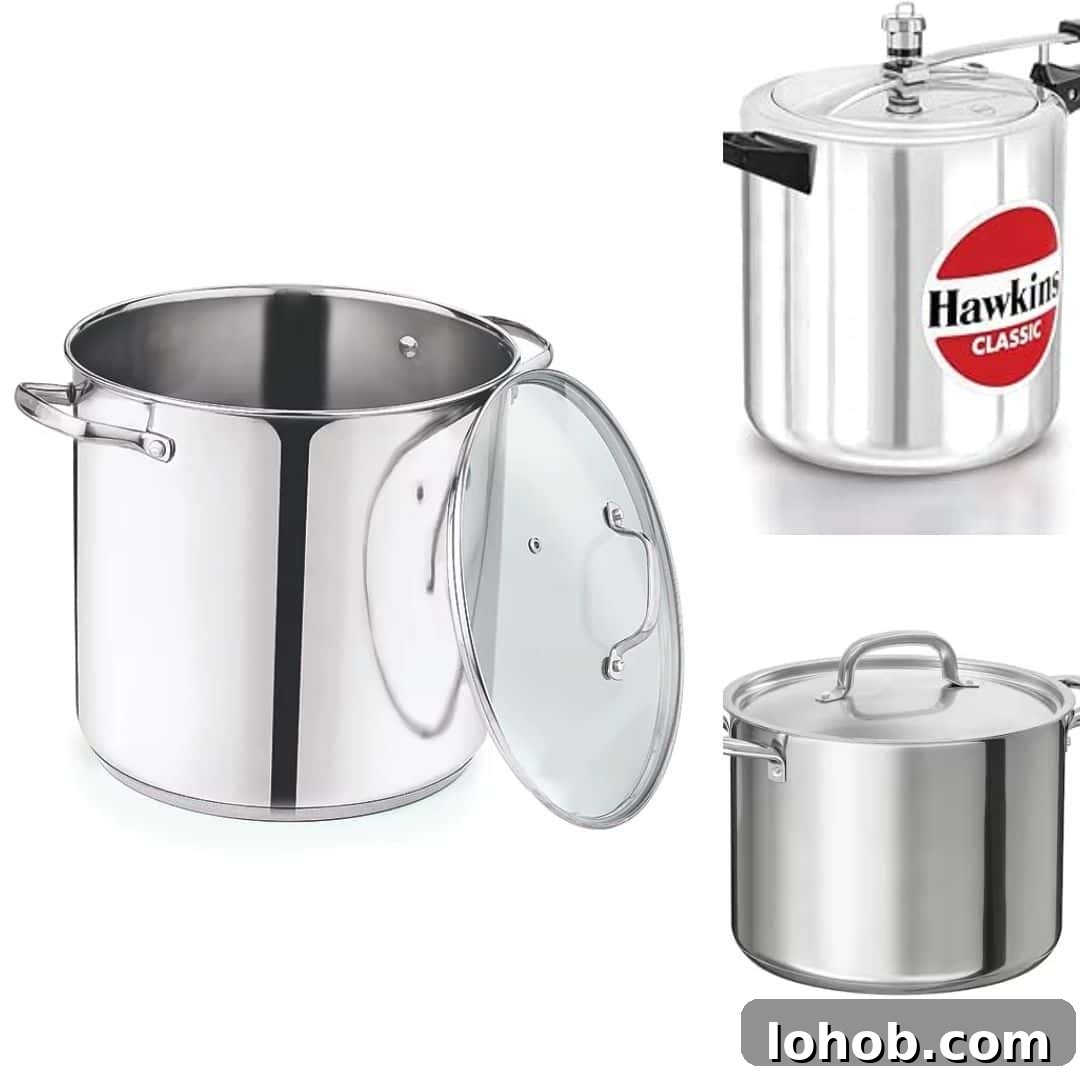
❓ Best pot/pan to cook basmati rice in
Use a wide, shallow pan so the rice spreads out. When rice is more spread, grains have less weight pressing down and cook more evenly with less breakage. Avoid tall, narrow pots that pack rice densely — they tend to produce mushy, uneven results.
🚩 Common problems
Rice burns or becomes hard at the bottom
This happens when the steaming heat is too high and dries or chars the bottom layer.
Solutions:
- Reduce the steaming heat to the lowest setting.
- Place a preheated flat pan under the pot to diffuse heat and protect the bottom layer.
Rice cooks unevenly
Possible causes and fixes:
- Make sure you washed and soaked the rice properly to remove excess starch.
- Use plenty of water when boiling — like cooking pasta — so grains hydrate evenly.
- Use a wide-rimmed pan rather than a tall, thin pot to avoid dense center layers.
- Use an appropriately sized pot; too small can cause uneven cooking.
- Consider switching to a higher-quality basmati if you repeatedly get uneven results.
Rice is sticky and clumpy
Usually this means the rice wasn’t washed or soaked enough, or it wasn’t fluffed after steaming. Wash until the rinse water runs clear, drain soaked rice well, and fluff immediately after steaming.
Rice grains break
- Use a flat slotted spoon or rice paddle and avoid bulky utensils.
- Handle the rice very gently. Stir with a folding motion rather than aggressive mixing.
❄️ Storing, freezing + reheating basmati rice
Allow rice to cool completely before refrigerating or freezing.
Refrigerating
Store cooked rice in an airtight container for up to 6 days to prevent drying out. Reheat in a wide dish covered with foil and a splash of water in the oven for 20 minutes, or in the microwave covered with a damp towel for 1–2 minutes.
Freezing
Freezing can affect texture. If you must freeze, store in thin, airtight layers rather than a large block to make defrosting quicker and reduce damage. Defrost in the fridge overnight and consume within 24 hours. Do not refreeze after defrosting.
💡 Tips for beginners
A few practical suggestions to help you succeed:
- Try Sella basmati rice — parboiled varieties hold their shape and stay separate more easily, making them great for beginners.
- Invest in quality rice — good rice is forgiving and performs better even with small technique errors.
- Cook small batches at first to build confidence before making larger quantities.
- For fragrance, add a small cinnamon stick and a few whole cloves while steaming.
I hope this guide helps you get beautiful basmati rice every time. If you try these tips, I’d love to hear about your results.
📋 Recipe
How To Make Perfect Basmati Rice
Ingredients
- 2 cups (400 g) basmati rice
- 2 teaspoons salt
- 2 teaspoons (10 g) butter, oil or ghee
- Water — enough to completely submerge the rice
Instructions
- Wash the basmati rice until the rinse water runs clear, using a colander or repeated bowl rinses.
- Soak the rice in enough cold water to cover it for at least 30 minutes.
- Bring a large pot of salted water to a vigorous boil, with plenty of water to cover the rice.
- Drain the soaked rice and add it to the boiling water. Cook at high heat, stirring gently once or twice, until the rice is al dente (about 6–8 minutes).
- Drain the rice in a colander and discard the cooking water.
- Return the pot to low heat, add the butter/oil/ghee, then gently fold in the drained rice without breaking grains.
- Cover tightly with a lid (line with a clean tea towel if available) and steam undisturbed on very low heat for 15–20 minutes. Optionally place a preheated flat pan under the pot to diffuse heat.
- Remove the lid and fluff gently with a flat spoon immediately after steaming.