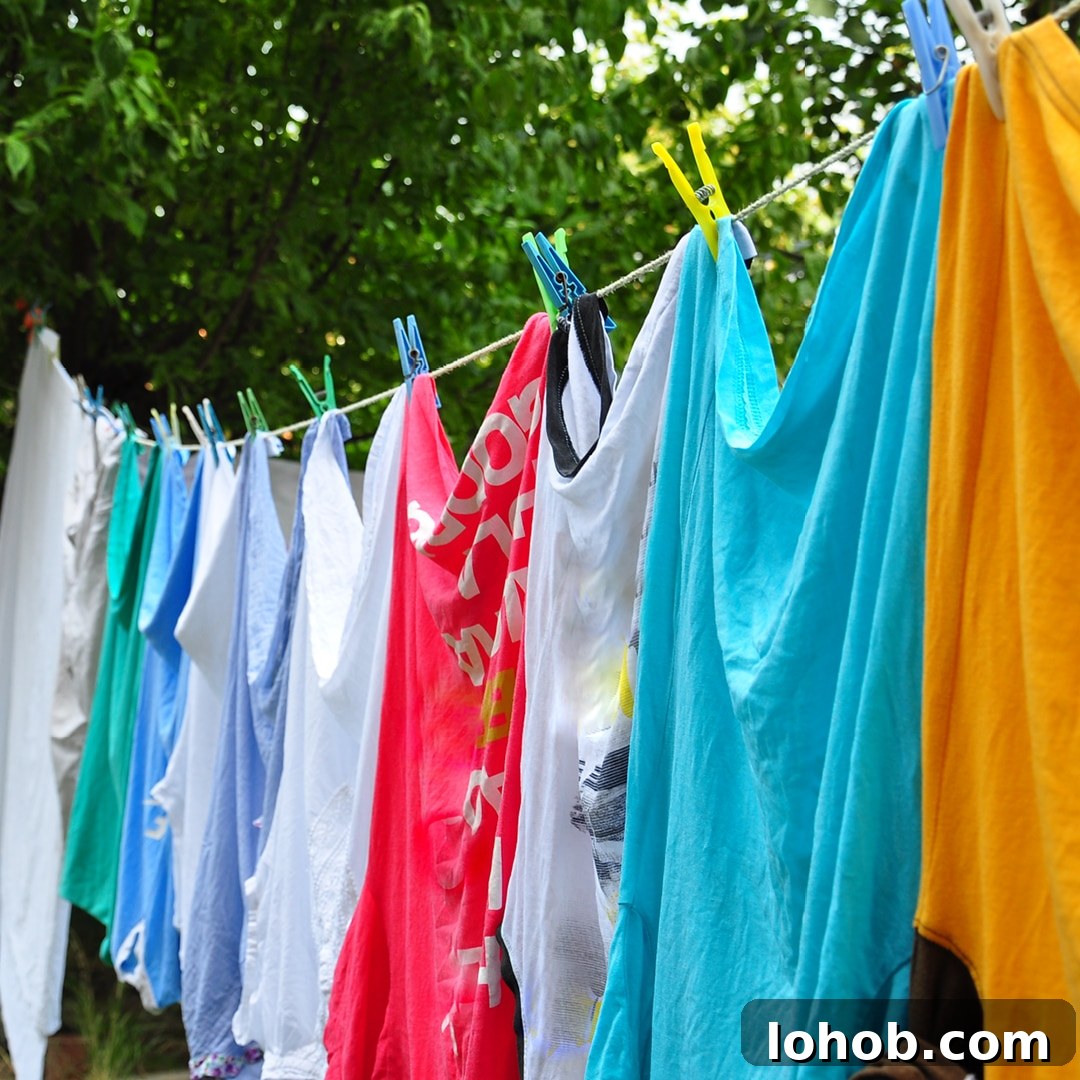
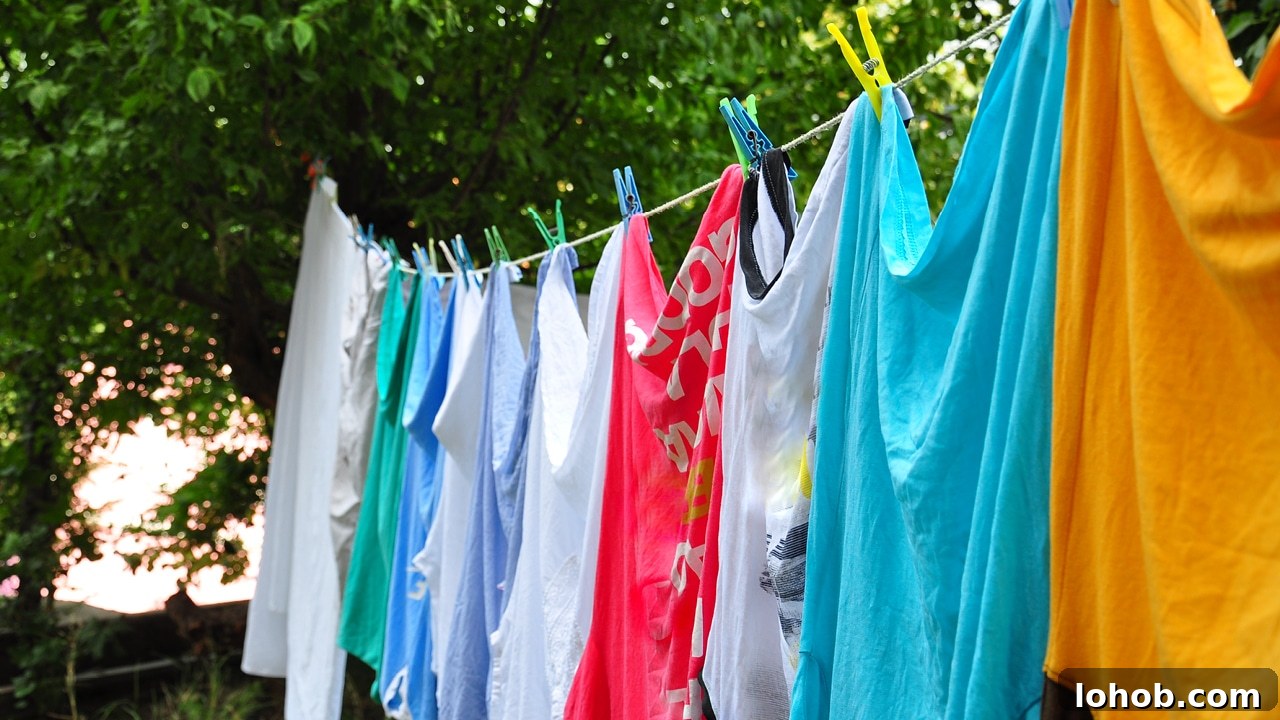
Machine drying is one of the toughest treatments clothing endures. That became clear to me when I saw a shirt I’d given my brother-in-law 14 years earlier still looking like new—the difference was that it had never been put in a dryer.
How you dry laundry affects its lifespan, cleanliness, cost to maintain, and even your health. The following practical tips will help you dry clothes more effectively while protecting fabrics, saving energy, and reducing unwanted chemicals and waste.
Dry promptly
The single most important habit is to start drying laundry as soon as the wash cycle finishes. Wet, laundered clothes left sitting will quickly develop musty odors and can require rewashing. If your washer has finished, move items to drying right away.
For whitening whites and fast, efficient drying
Sunlight is an excellent, free alternative to chemical whiteners. It naturally brightens whites and is especially effective for items like cloth diapers. To limit fading on brightly colored garments, turn them inside out before drying in the sun. Sun-drying also avoids the high energy use of electric dryers—one of the largest household energy consumers—and gives clothes a fresh scent that many people prefer.
For preserving bright or delicate fabrics
Air drying—on a clothesline, drying rack, hanger, or laid flat—greatly prolongs fabric life. Tumble drying causes abrasion that wears down fibers over time. Hanging clothes to dry reduces wear and tear and can save money by extending the life of your wardrobe.
For the dirtiest and germiest laundry
Use heat. For towels, sheets, and underwear, a hot dryer cycle is useful. High dryer heat—typically around 125–135° F on many machines—helps reduce germs, dust mites, and other microscopic organisms. Reserve high heat for sturdy items that tolerate it.
For scenting clothes
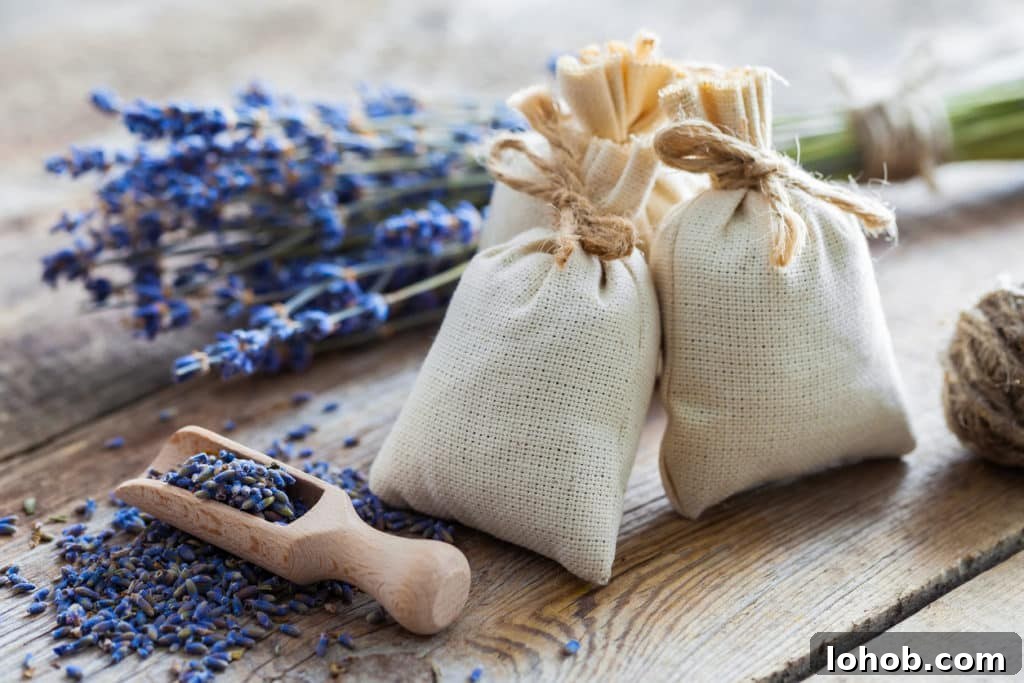
If you like scented laundry, choose herbal sachets or skip added fragrances in the dryer. Commercial dryer scent products often contain synthetic fragrances; many people associate their smell with “clean,” but these products can have downsides. Instead, consider small fabric sachets filled with dried herbs or a few drops of essential oil sealed inside a drawstring bag. Sewing the sachet closed prevents loose material from spilling in the dryer.
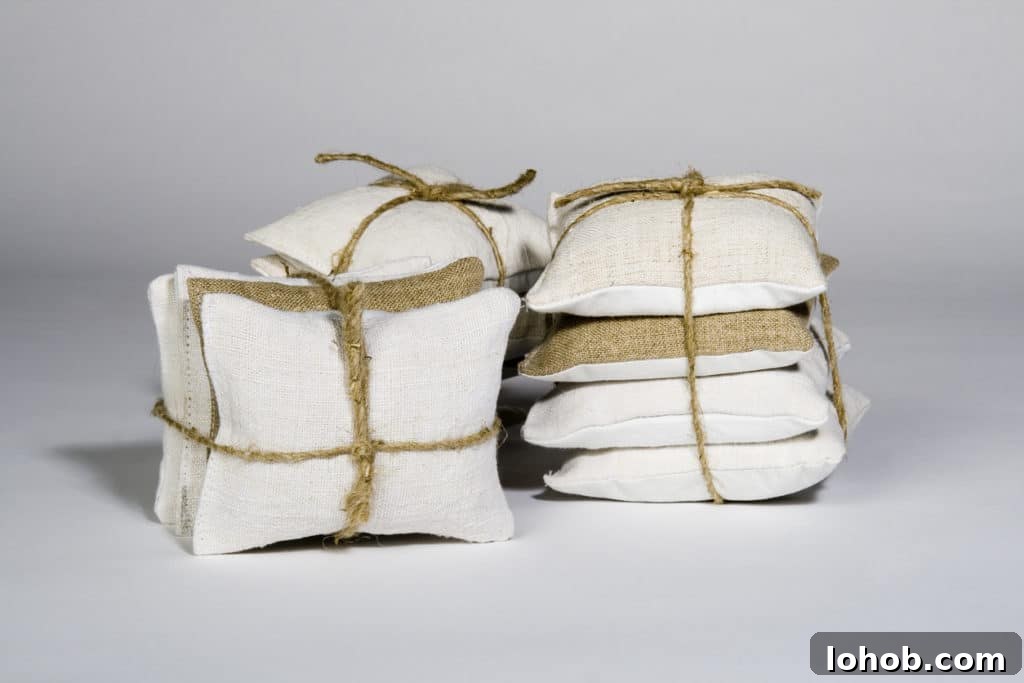
Rather than putting oils directly on clothing in the dryer, tuck sachets or fabric squares lightly scented with essential oil into drawers and closets to keep linens and garments pleasantly scented. Scents like cedar can also deter pests. Be cautious with essential oils near fabrics to avoid oil stains.
Why avoid dryer sheets
Dryer sheets are popular because they impart a familiar scent and soften fabrics, but they have environmental and health drawbacks. Their fragrances can be irritating to sensitive individuals, and their disposable, often synthetic composition contributes to non-biodegradable waste.
Alternative: Add 1 cup (240 mL) of white vinegar to the rinse cycle to soften fabrics naturally, or use 4–6 wool dryer balls in the dryer. Wool balls help soften clothes, reduce drying time by keeping items separated, and are reusable.
Why not put essential oils directly in the dryer
Some essential oils have low flash points—the temperature at which vapors can ignite—making them unsafe for use in a hot dryer. Oils like citrus and certain spice or fir oils can have flash points below typical dryer temperatures. Lint buildup or older machines can run hotter than expected, and static electricity in the dryer could present an ignition risk. Oils can also leave stains on fabrics.
Alternative: Use sachets or scent drawers as described above rather than applying oils directly during tumbling.
For static reduction
Static builds from friction in tumble dryers, especially with synthetic fabrics. Instead of chemical fabric softeners or dryer sheets, air drying eliminates the agitation that causes static. Other simple remedies include tossing wool dryer balls into the dryer or lightly spraying a washcloth with white vinegar and adding it to the dryer—the vinegar smell dissipates as items dry.
With a busy household, laundry is a constant task, but these small changes—using sunlight, air drying, reserving heat for heavily soiled items, and choosing reusable scent or softening options—can extend garment life, reduce energy use and waste, and minimize exposure to unnecessary chemicals. Keep experimenting to find the routine that fits your home and fabrics best.
Further reading
- Why (& How) to Ditch Fabric Softener & Dryer Sheets
- Green Laundry Care With Dr. Bronner’s
- Pre-treating Laundry Stains
- Bar Soap Dilutions Cheat Sheet