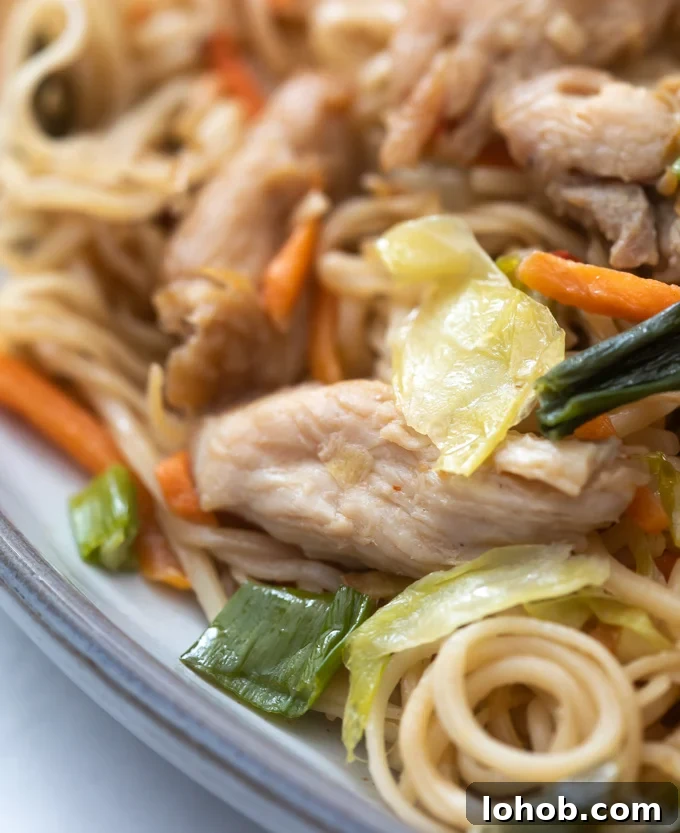
This chicken chow mein takeout recipe uses professional Chinese restaurant techniques to achieve the ideal balance of flavors and textures.
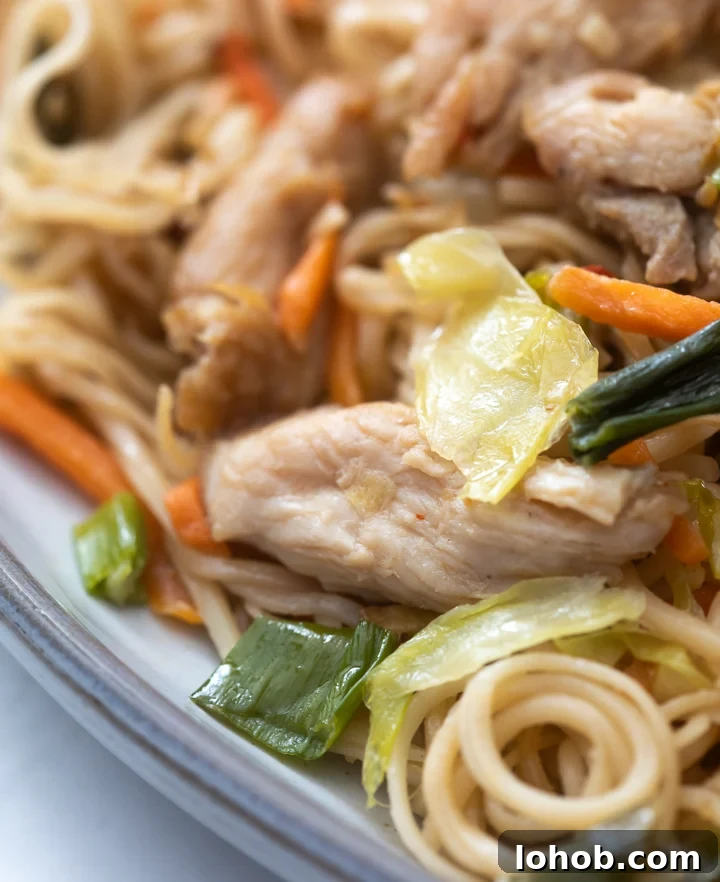
Better Than Takeout: Restaurant Secrets for Perfect Chicken Chow Mein
Ever wondered why restaurant chicken chow mein tastes so good? These time-tested techniques—proper noodle handling, high heat, and a few chef tricks—give you that same result at home.
This version is lighter and fresher than greasy takeout, yet delivers the same deep flavor and satisfying texture. It’s easy to make, economical, and fully customizable.
What Is Chicken Chow Mein?
Chicken chow mein is a stir-fried noodle dish with tender chicken, noodles, and crisp vegetables such as cabbage, carrots, bean sprouts, and green onions. “Chow mein” refers to the method of frying the noodles, so recipes and textures vary between regions and restaurants.
Restaurant Techniques That Make the Difference
Before the recipe, here are a few pro tips to lift your chow mein to restaurant quality:
- Velveting for Tender Chicken: Add 1/4 teaspoon baking soda to the chicken marinade and let it sit 20 minutes, then rinse before finishing the marinade. This softens the meat and creates the silky texture restaurants achieve.
- Wok Hei Hack: If you don’t have a wok, preheat your pan for 3–4 minutes until very hot. That extra heat helps develop the smoky, slightly charred flavor often called “wok hei.”
- Noodle Prep Trick: Rinse cooked noodles with cold water, then toss with 1 teaspoon oil to prevent sticking and help them absorb sauce evenly.
Choosing the Right Ingredients
The Noodles
Use yellow wheat “steamed” noodles from the refrigerated section for the authentic chew. Avoid rice noodles, wonton noodles, or thick lo mein noodles if you want classic chow mein texture. Yakisoba-style fresh noodles work well, too.
The Vegetables
Crisp, thinly sliced green cabbage or napa cabbage is ideal. Bean sprouts, green onions, and carrots are common; you can add water chestnuts, bell peppers, celery, snap peas, or mushrooms for variety—just keep cuts uniform so everything cooks evenly.
The Protein
This recipe uses chicken breast, but shrimp, pork, or beef are great substitutes. For a house-special feel, combine chicken and shrimp.
Make-Ahead Sauce Tip
You can mix the chow mein sauce up to three days ahead—chilling it allows the flavors to meld. If you don’t have oyster sauce, hoisin or vegetarian oyster (mushroom-based) sauces are acceptable substitutes. Adjust seasoning to taste before adding to the pan.
Troubleshooting Common Problems
If something goes wrong, these fixes will help:
- Sticky Noodles: Add 1–2 tablespoons of hot water while stir-frying. The steam separates strands without adding oiliness.
- Too-Thick Sauce: Thin gradually with hot water, one tablespoon at a time. Avoid cold water, which can make noodles clump.
- Vegetables Releasing Water: Stir-fry them separately and drain before combining to keep the noodles from getting soggy.
Storage and Reheating
For best texture, store noodles separately from vegetables and sauce. When reheating in a pan, add 1–2 tablespoons of water and toss over medium heat; avoid microwaving when possible to prevent chewy or gummy noodles.
With these techniques, you may never order chow mein again—this homemade version is healthier, economical, and, with the right steps, better than many restaurant plates.
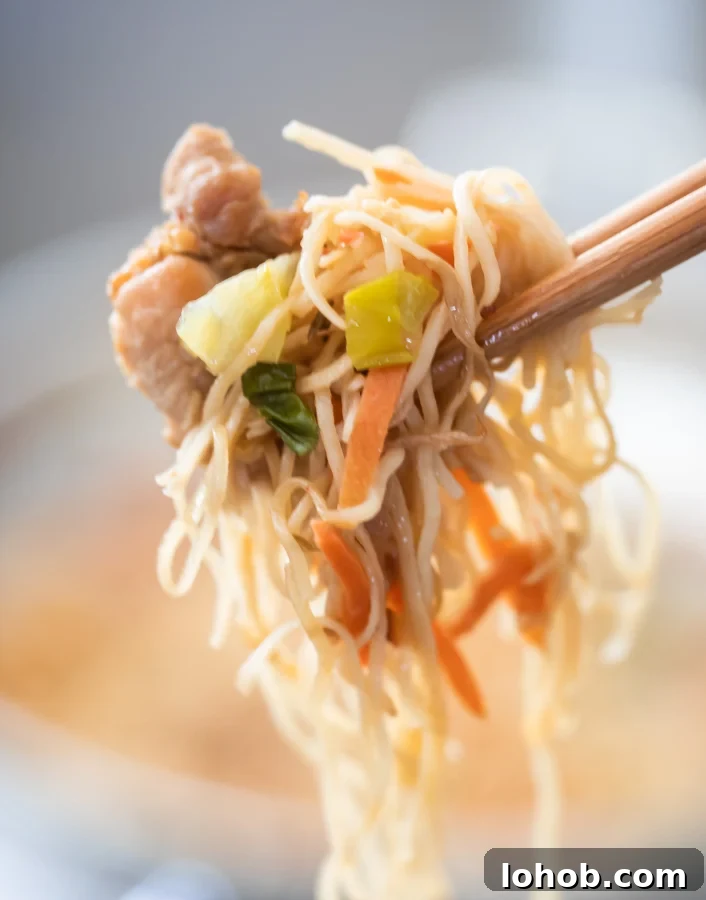
Frequently Asked Questions About Chicken Chow Mein
What’s the difference between chicken chow mein and chicken lo mein?
Chow mein typically features thinner noodles that are stir-fried until slightly crisp in places. Lo mein uses thicker noodles that are tossed and kept soft. Both share similar ingredients but differ in noodle type and final texture.
Why does restaurant chicken chow mein taste so tender?
Restaurants often use velveting—briefly treating meat with baking soda—plus high heat and quick cooking. Velveting alters the meat’s texture, keeping it moist and tender even with fast, high-heat cooking.
Can I prepare this dish ahead?
Yes. You can marinate the chicken, mix the sauce, and cut vegetables up to three days ahead. Keep components refrigerated separately and cook the noodles and finish the stir-fry when ready to serve.
Substitutes for oyster sauce?
Good alternatives include hoisin sauce, vegetarian oyster sauce (mushroom-based), or a mixture of soy sauce with a touch of sugar and cornstarch to mimic the texture and umami.
How do I keep chow mein noodles from getting soggy?
Key steps: rinse cooked noodles with cold water, toss them with a small amount of oil, and use very high heat while stir-frying without overcrowding the pan.
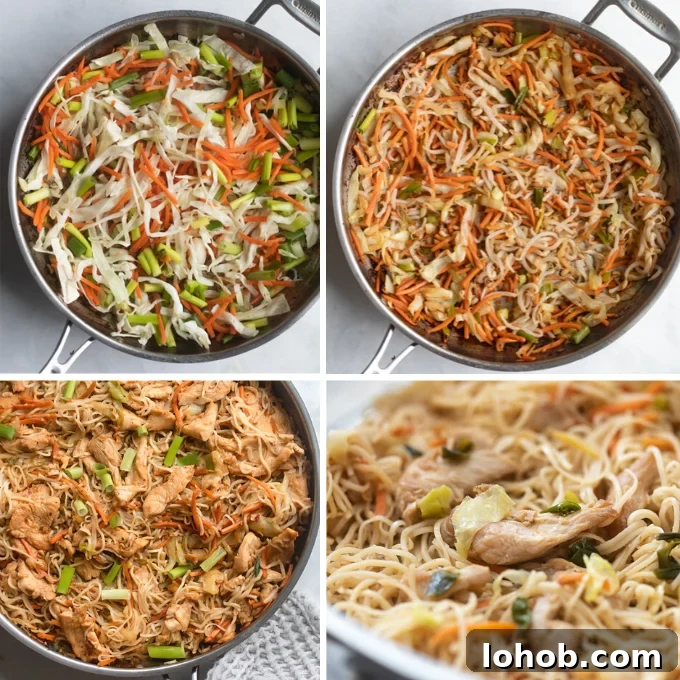
How to Make Chicken Chow Mein Like Takeout
- Prepare the Chicken
- Slice chicken breast thinly against the grain.
- Mix the marinade: garlic, fresh ginger, soy sauce, sesame oil, cornstarch, salt, and pepper. For velveting, add 1/4 tsp baking soda and let sit 20 minutes, then rinse and continue with the marinade.
- Marinate chicken 20–60 minutes (up to 1 hour for best flavor).
- Cook the Noodles
- Cook noodles according to package directions.
- Rinse with cold water, toss with 1 tsp oil, and set aside.
- Make the Sauce
- Whisk together oyster sauce, soy sauce, water, bouillon (or substitute), and sugar. Taste and adjust.
- Cook the Dish
- Heat wok or large pan for 3–4 minutes until very hot. Add oil.
- Cook marinated chicken quickly until golden and nearly cooked through (about 3–4 minutes), then remove and set aside.
- In the same pan, stir-fry garlic, ginger, and optional crushed red pepper briefly. Add carrots and cabbage and cook until just tender, then add bean sprouts and half the green onions.
- Add noodles and the prepared sauce. Return chicken to the pan and toss everything until hot and well combined. Top with remaining green onions and serve immediately.
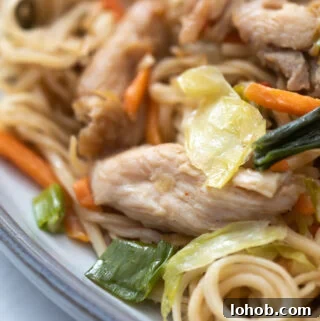
Takeout Chicken Chow Mein
April Boller Wright
Pin Recipe
15
20
Ingredients
- 8 oz chow mein noodles (cooked per package)
- 16 oz chicken breast
- 2 tsp garlic, minced
- 1 1/2 tsp ginger
- 2 tbsp soy sauce
- 2 tsp cornstarch
- 2 tsp sesame oil
- 1 tbsp vegetable oil, plus more as needed
- 1/4 tsp ground ginger
- 1/2 tsp crushed red pepper (optional)
- 1 1/2 cup shredded cabbage
- 1 1/2 cup shredded carrots
- 7 oz bean sprouts, drained
- 1/4 tsp salt
- 1/2 tsp pepper (white or black)
Chow Mein Sauce
- 3 tbsp oyster sauce
- 1 tbsp soy sauce
- 1/4 cup water
- 1/2 tsp concentrated bouillon (optional)
- 2 tsp sugar
Instructions
Prep Work
- Cook noodles according to package directions, then rinse with cold water, toss with 1 tsp oil, and set aside.
- Slice chicken into thin strips and have vegetables chopped and ready.
- Mix the sauce ingredients and set aside.
Marinate the Chicken
- In a bowl combine minced garlic, fresh ginger, soy sauce, sesame oil, salt, pepper, and cornstarch. Add chicken and mix well. Cover and marinate 20–60 minutes.
Cook the Dish
- Heat vegetable oil in a large wok or pan over high heat. Cook marinated chicken 3–4 minutes until golden, then remove and set aside.
Cook Vegetables
- In the same pan, add more oil if needed. Sauté garlic, ginger, and crushed red pepper 30 seconds. Add carrots and cabbage and cook until just tender, then add bean sprouts and half the green onions.
Combine Everything
- Add noodles and sauce to the pan, return the chicken, and toss until hot and combined. Top with remaining green onions and serve immediately.
Notes
Pro Tips for Success & Notes
- Heat Management: Work in batches if necessary; overcrowding causes steaming instead of searing.
- Noodle Selection: Fresh “steamed” noodles in the refrigerated section give the best texture.
- Sauce Consistency: Thin with hot water only, adding gradually until you reach the desired texture.
- Vegetable Prep: Cut vegetables to similar sizes so they cook evenly.
Troubleshooting
- If noodles stick: Add 1–2 tablespoons of hot water while stir-frying to create steam that separates strands.
- If sauce is too thick: Add hot water a tablespoon at a time.
- If vegetables release water: Cook them separately and drain before combining.
Storage & Reheating
- Store: Keep noodles separate from vegetables and sauce when possible.
- Reheat: Warm in a pan with 1–2 tablespoons of water for best texture; avoid the microwave when possible.
Ingredient Notes
- Make it saucier: Mix extra oyster sauce with equal parts water before adding so it doesn’t get too salty.
- Marinating: Marinating improves flavor and tenderness but can be skipped if short on time.
- Vegetable swaps: Celery, snap peas, or bell peppers work well—keep total vegetable volume similar to maintain sauce balance.
- Sauce prep: Sauce can be made up to three days ahead and refrigerated to deepen flavor.
Like this? Leave a comment below!
Let us know how it turned out!
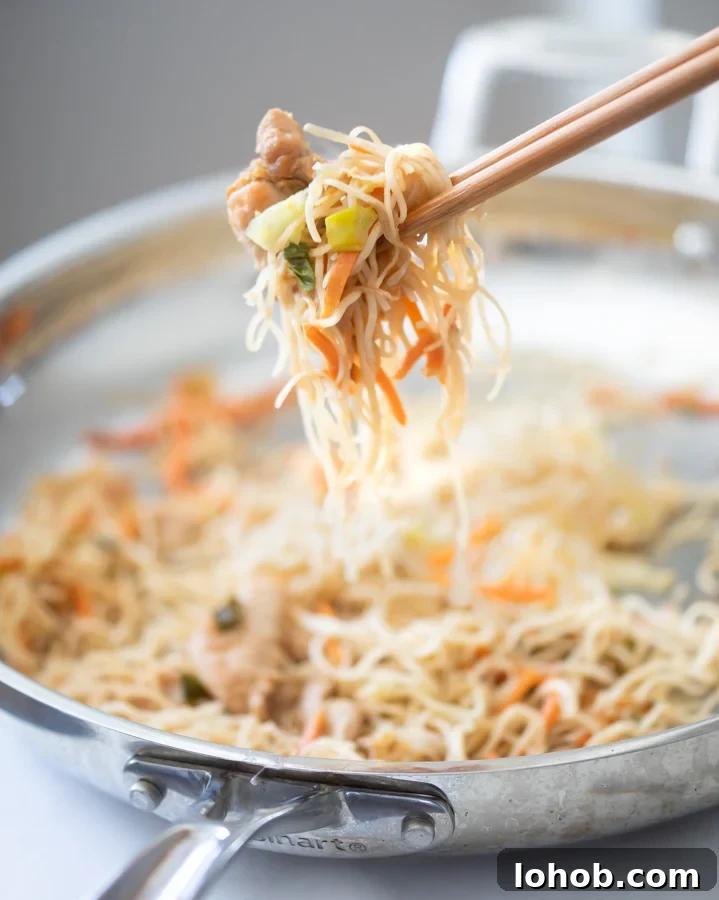
You may also like:
Chicken Green Bean Stir Fry with Sweet Chili Sauce (popular recipe)
Sweet and Sour Chicken — another easy favorite
Easy Sweet Thai Chili Sauce — a versatile condiment
Easy Teriyaki Baked Chicken Legs — simple and crispy