
My favorite gingerbread cookies for celebrating the holidays! These are easy to make and full of flavor: crisp at the edges, tender inside, and richly spiced.

[feast_advanced_jump_to]
Why You’ll Love These Gingerbread Cookies
- Lightly crispy outside, soft inside – These cookies strike a great balance between crunch and tenderness. Bake a little longer for more crispness or a minute less for softer centers.
- Balanced molasses and spices – The recipe delivers warm spice notes without overpowering the cookie, making them great for sharing.
- Dough holds its shape – The dough keeps clean edges while baking, so it’s perfect for cut-out cookies and decorating.

VIDEO: Watch How To Make the Gingerbread Cookies!
Follow the step-by-step video tutorial to see each technique and timing. It makes the process easy to follow and helps you master the dough and decorating tips.
Don’t forget to subscribe on the channel for more baking videos.
What’s In Gingerbread Cookies?
The Dough
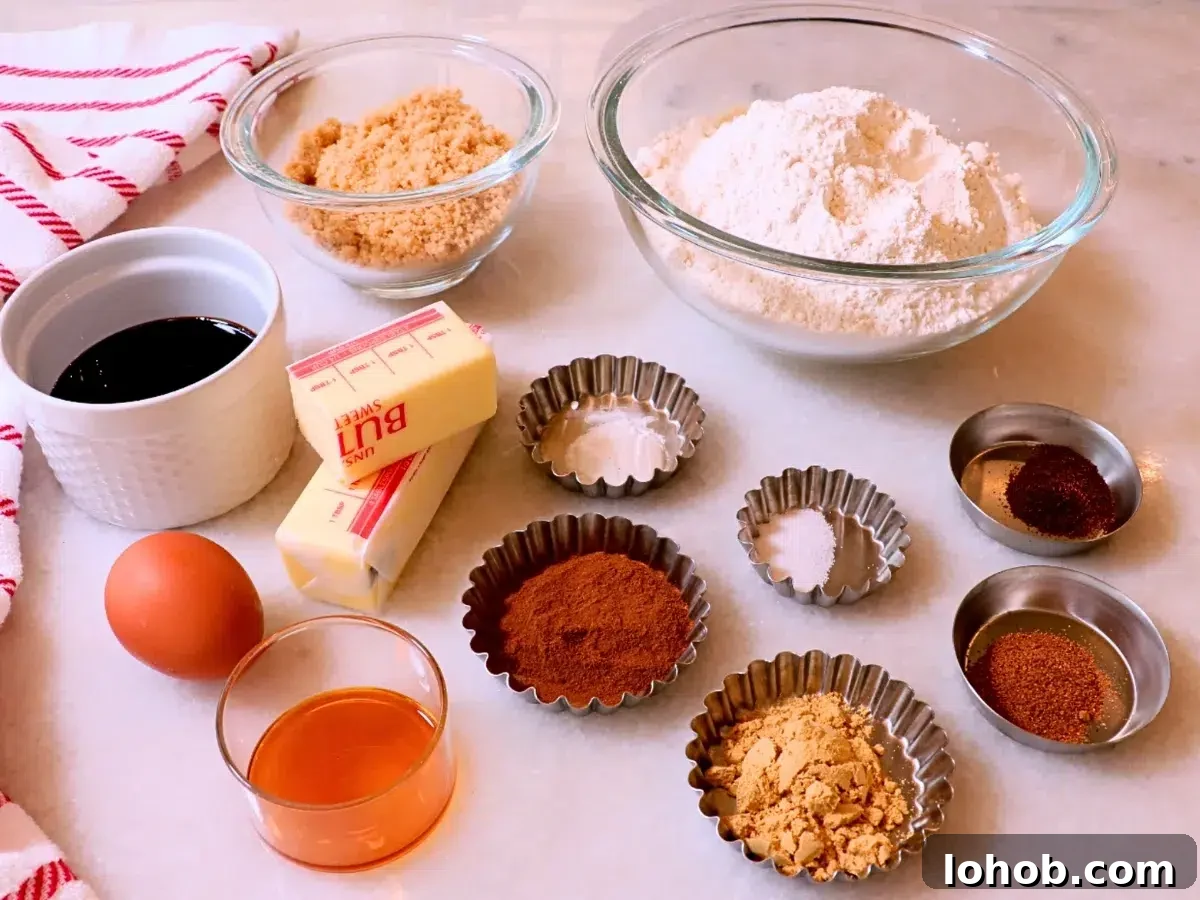
- Unsalted butter – Use room-temperature butter so it blends smoothly with the sugar.
- Light brown sugar – Adds moisture and a subtle caramel flavor; regular brown sugar will also work.
- Egg
- Molasses – Gives the cookies their classic deep flavor and color.
- Vanilla extract – A touch of vanilla complements the molasses.
- All-purpose flour
- Baking soda – Helps with spread and creates a chewy texture.
- Salt – Enhances the overall flavor.
- Ginger
- Cinnamon
- Nutmeg
- Clove
The Icing
- Powdered sugar
- Whole milk
How To Make Gingerbread Cookies
Helpful tips for success: Follow each step and the tips included to get consistent results and neat, flavorful cookies.
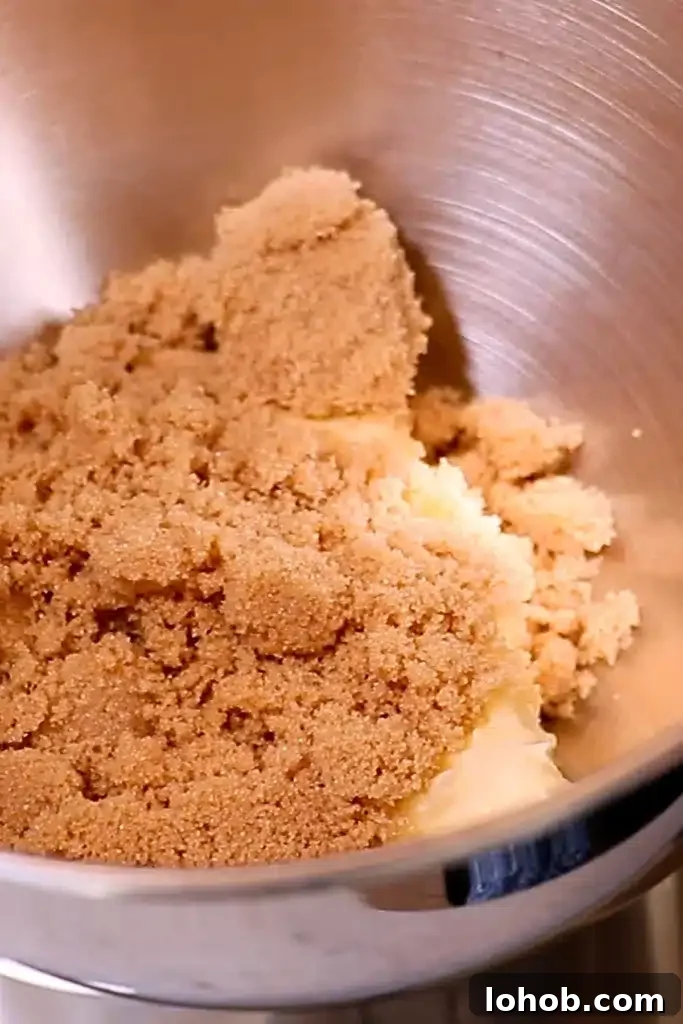
Mix butter and light brown sugar.
Add softened butter and brown sugar to a mixing bowl and beat until pale and fluffy.
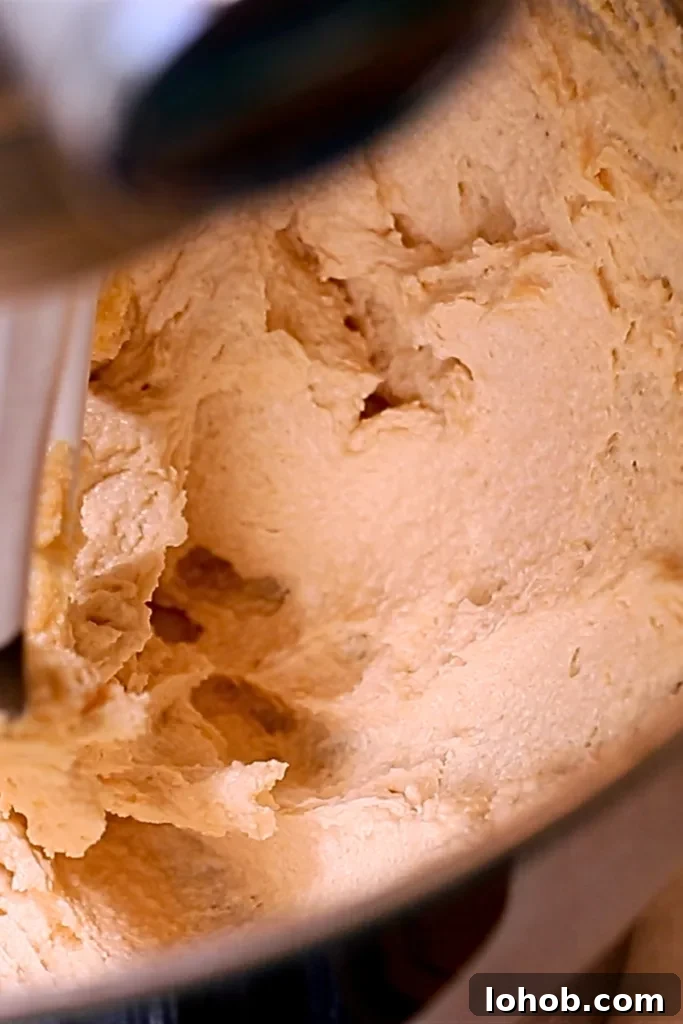
Tip: Allow the butter to soften at room temperature ahead of time. It should be soft enough to cream easily but not melted.
Mix in eggs, molasses, and vanilla.
Add the egg, molasses, and vanilla, then beat until the mixture becomes smooth and fluffy again.
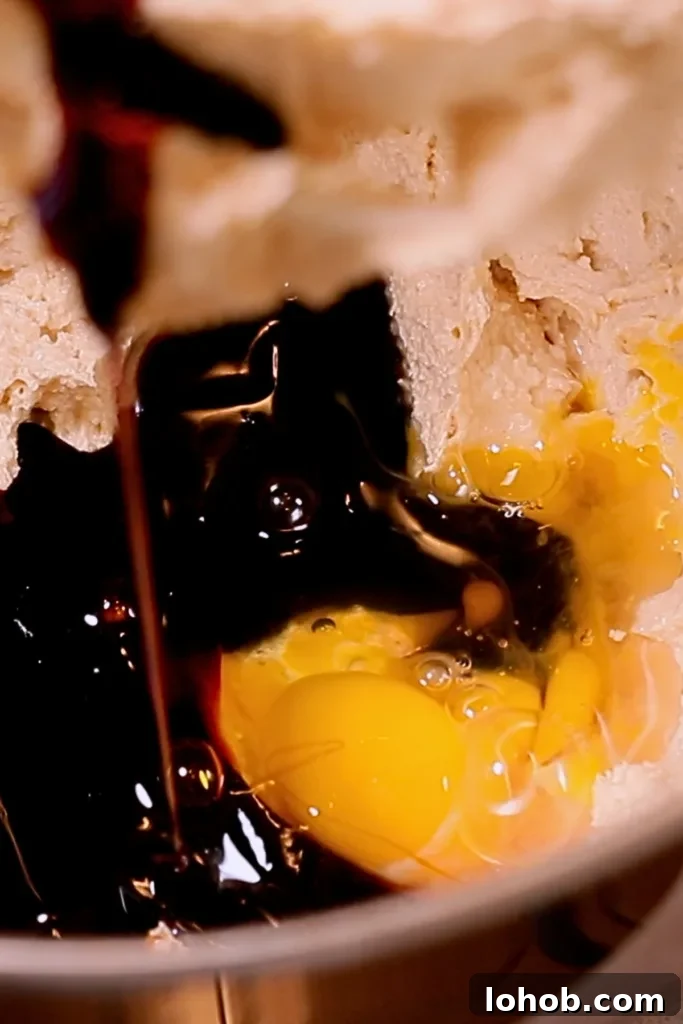
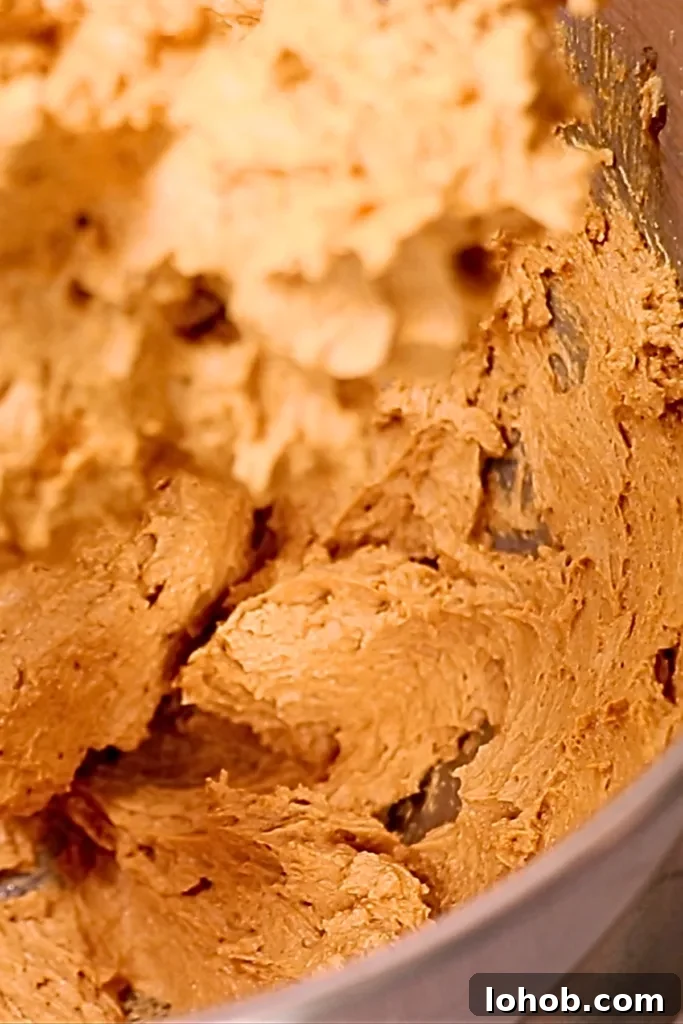
- You can add liquids all at once or in two additions if you prefer.
- The mixture may look separated at first; continue beating and it will come together after a minute or two. Scrape the bowl as needed.
Mix in the dried ingredients.
Sift or whisk together flour, baking soda, salt, ginger, cinnamon, nutmeg, and clove, then add them to the wet mixture and mix until evenly combined.
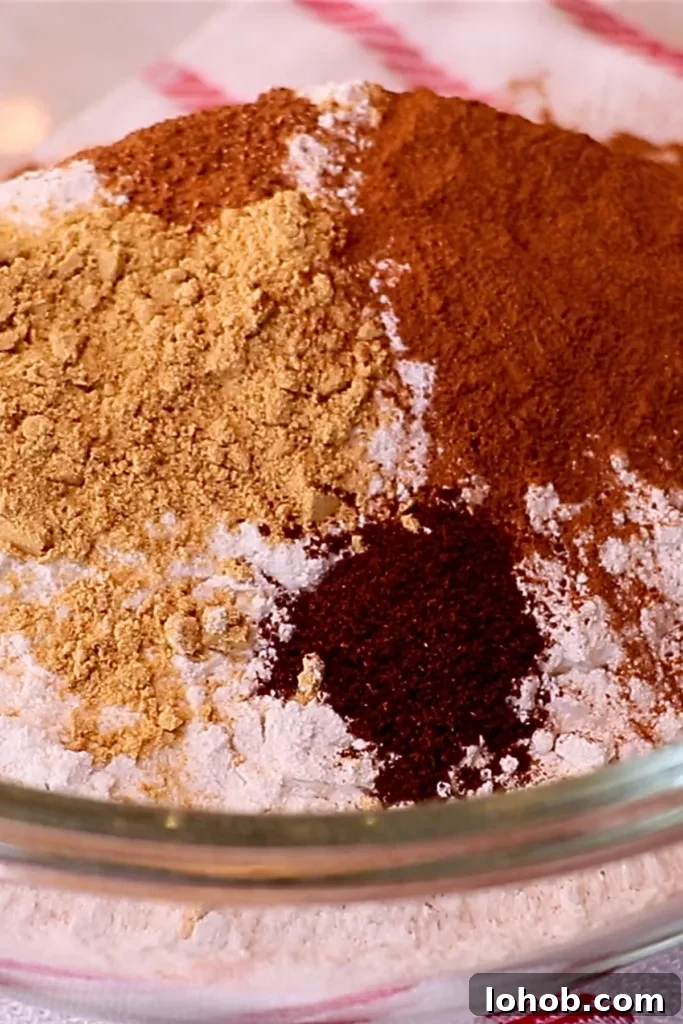
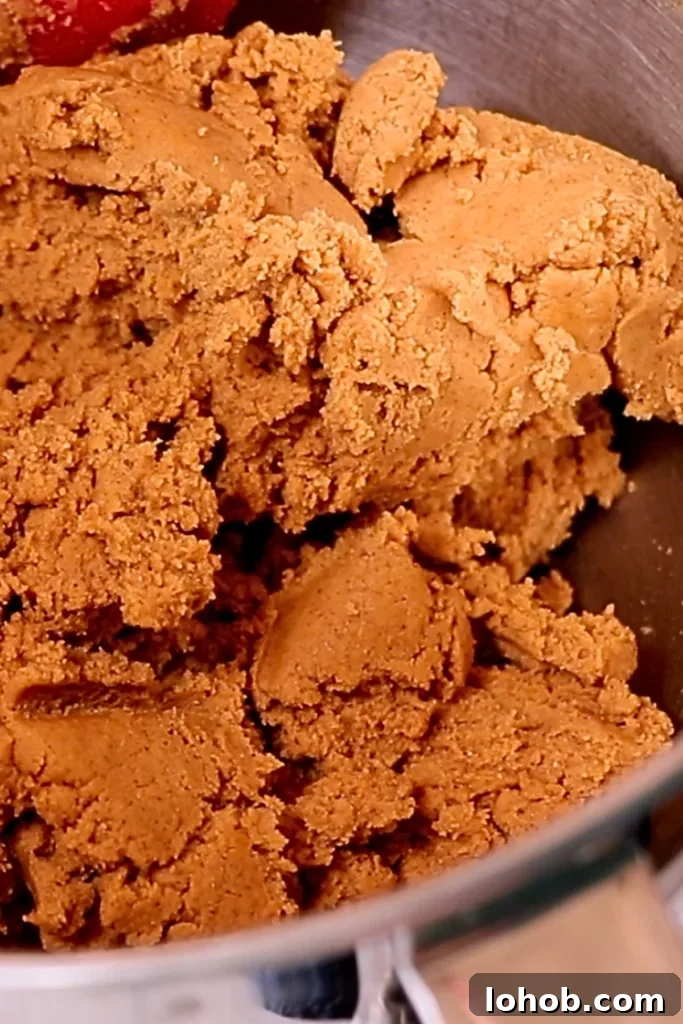
Tip: Clean the bowl and paddle as you go so the dough mixes evenly. Give the dough a final check for uniform texture.
Roll the dough.
Follow these steps to roll:
- Divide the dough in half for easier handling.
- Form each portion into a ball on parchment paper.
- Place another sheet of parchment on top and press to flatten, then roll.
- Roll to about 1/4-inch thickness.
- Repeat with the remaining dough.
Chill the dough after rolling.
Chill the rolled dough for about 1 hour so it firms up for clean cut-outs. Resting the gluten also helps the cookies keep sharp edges and a flat surface while baking.
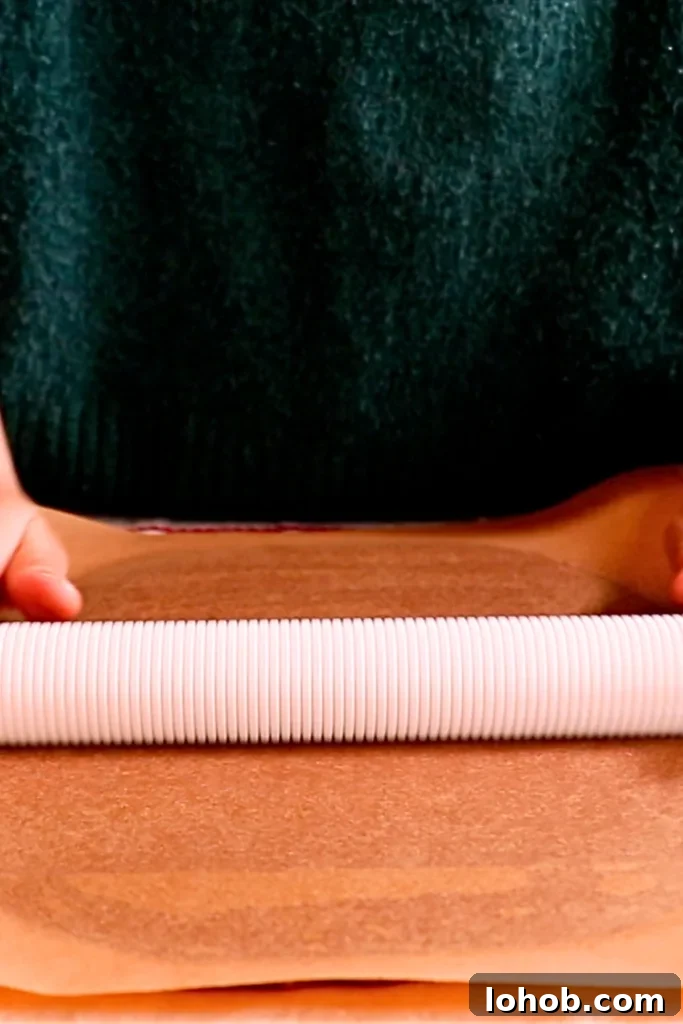
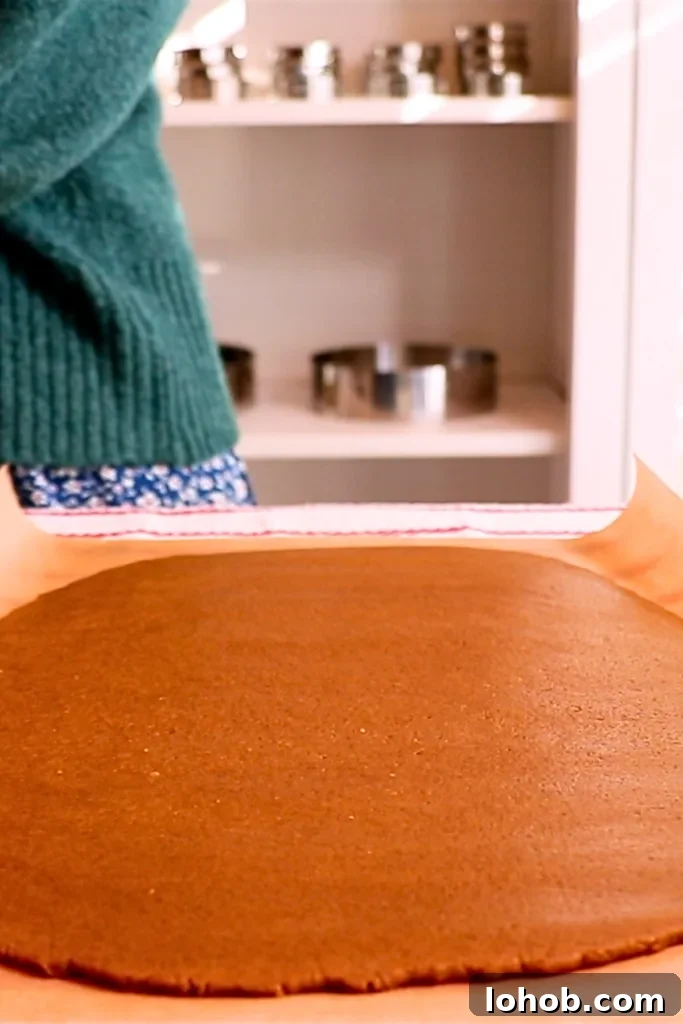
- Lay a thick towel under the parchment to prevent sliding while rolling.
- Peel back the top sheet occasionally to check thickness.
- Avoid rolling much thicker than 1/4 inch; thicker dough spreads more in the oven.
- I recommend parchment over dusting flour so the surface stays neat and the cookie texture remains tender.
Cut the dough with cookie cutters.
Remove both parchment layers and cut shapes with cookie cutters. Gather scraps, re-roll, and repeat.
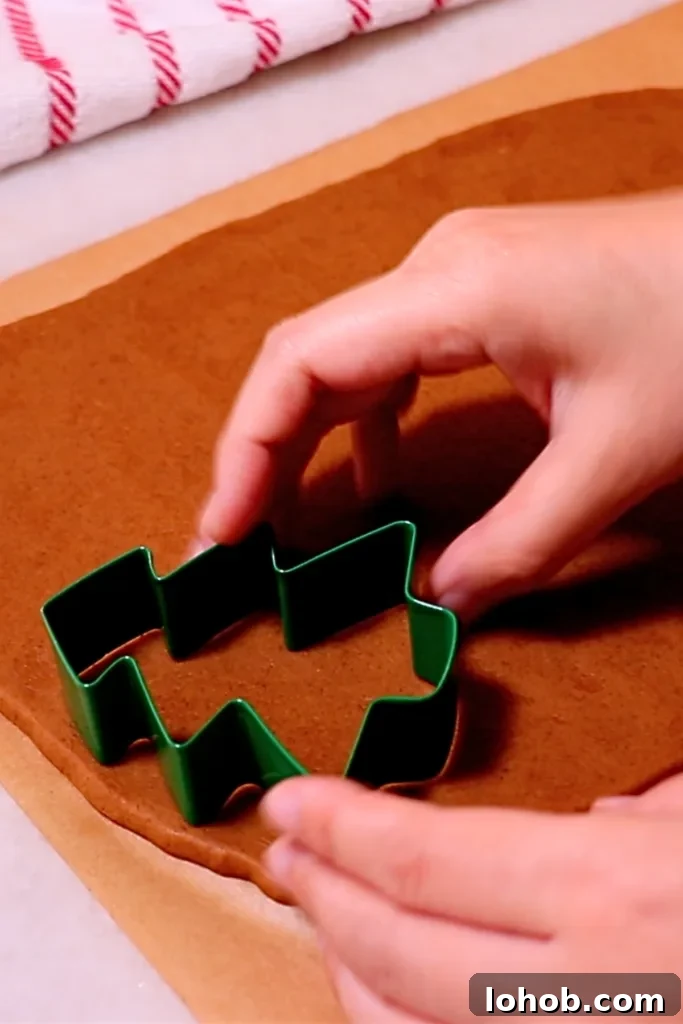
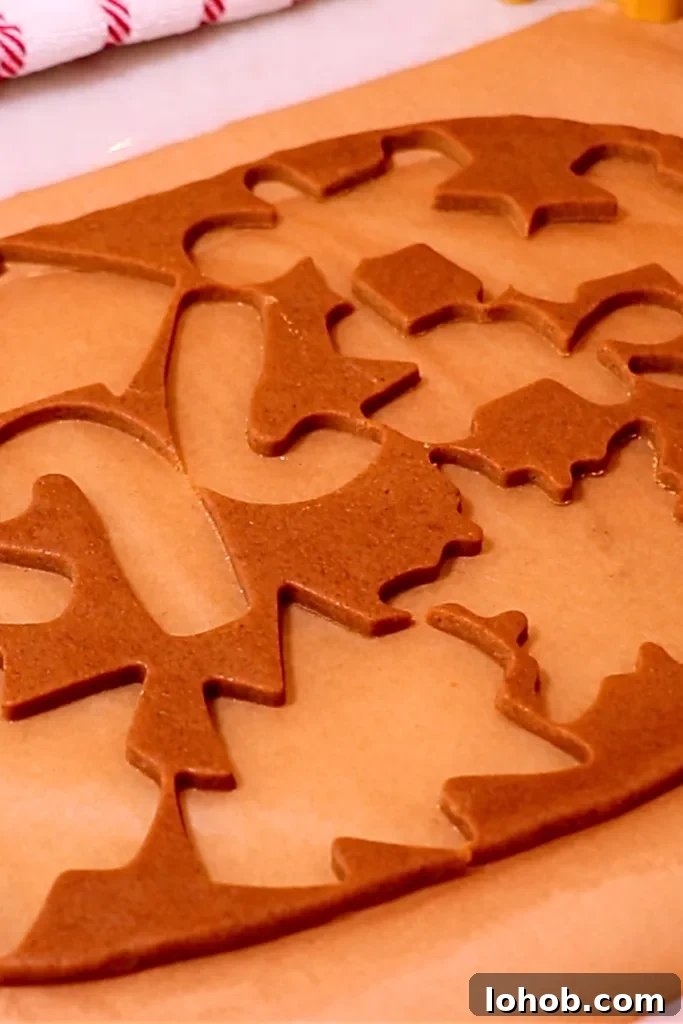
- Work while the dough is still firm; if it softens, return it to the fridge to chill.
- Peel the bottom parchment away before lifting shapes to avoid tearing.
Bake them!
Preheat the oven and bake at 350°F (176°C) for about 7–10 minutes, depending on cookie size, thickness, dough temperature, and desired crunch. Chilling the cut-outs before baking helps preserve shape but is optional if you’re short on time.
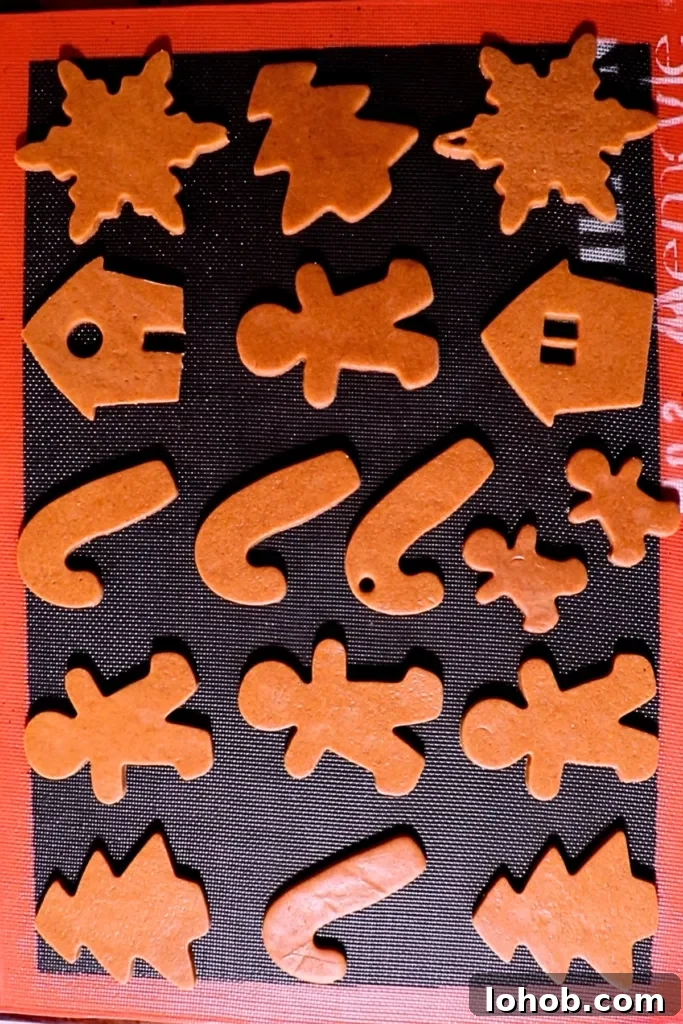
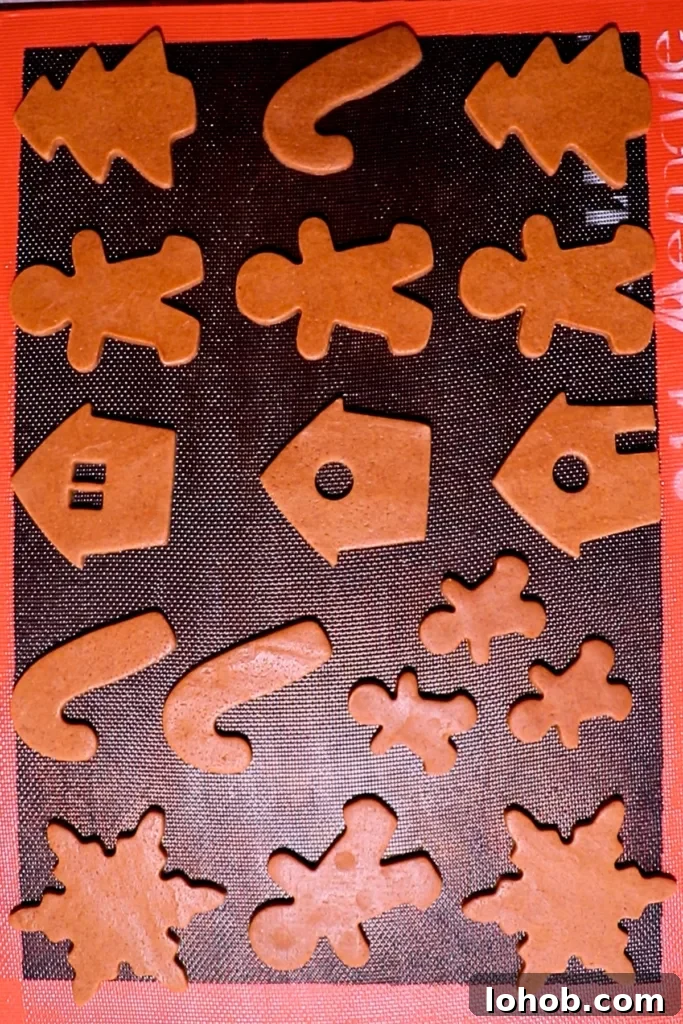
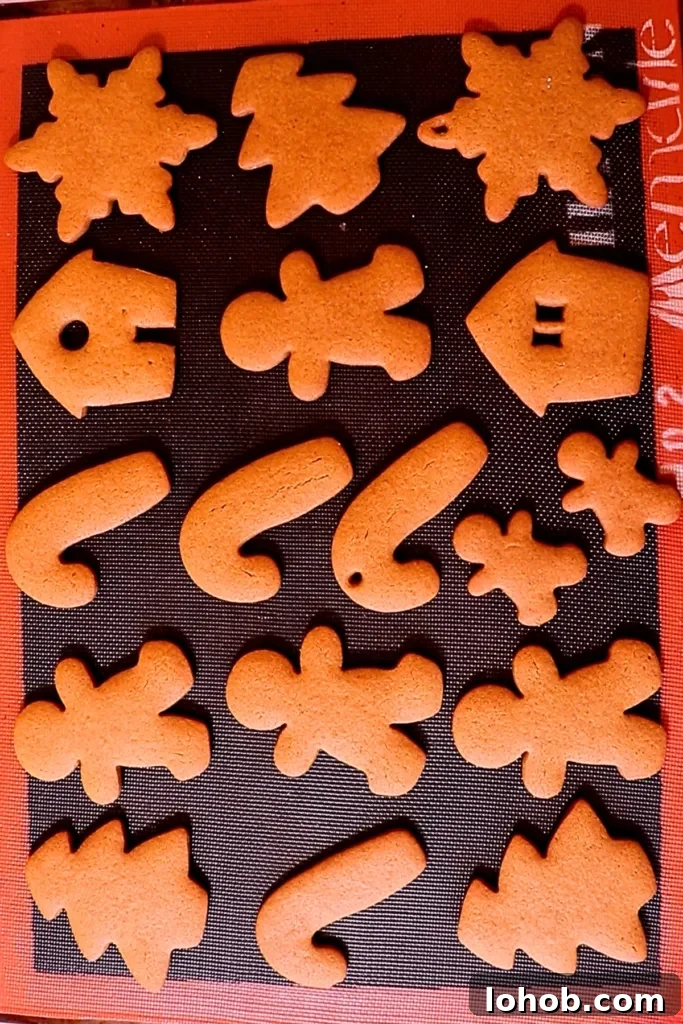
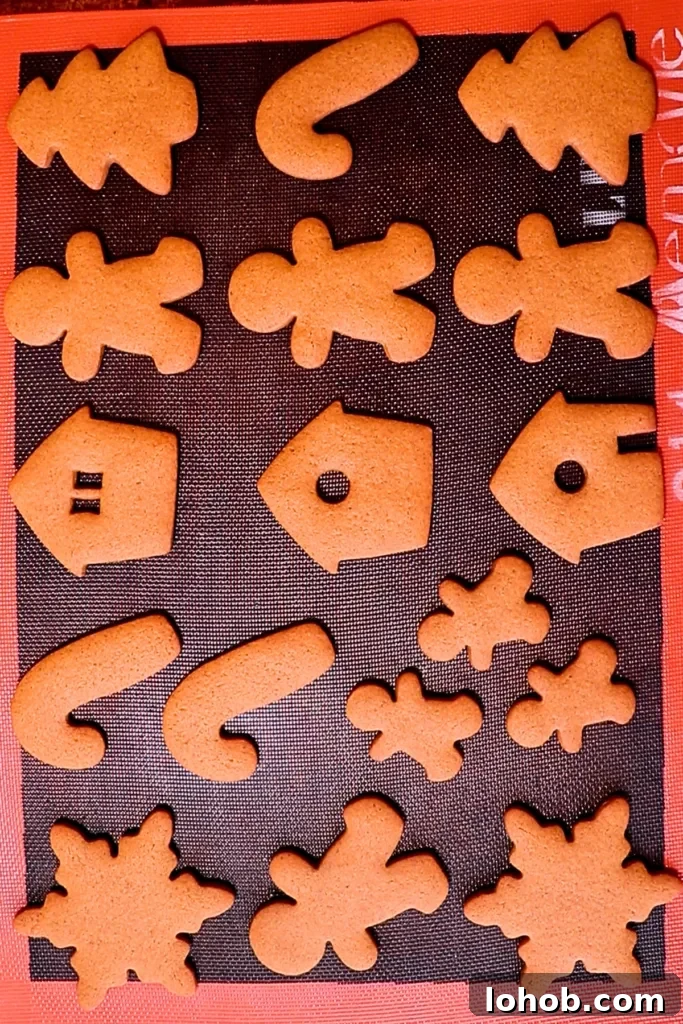
On my oven, 8 minutes gives crisp edges and a soft center. Reduce to 7 minutes for extra tenderness or increase to 10 for crunchier cookies. Adjust for your oven and preferences.
Decorate with icing (optional)
Sift powdered sugar to remove lumps, then add milk a little at a time and mix until smooth. Use less milk for piping lines and more for flooding areas. Transfer to a pastry bag while still fresh.
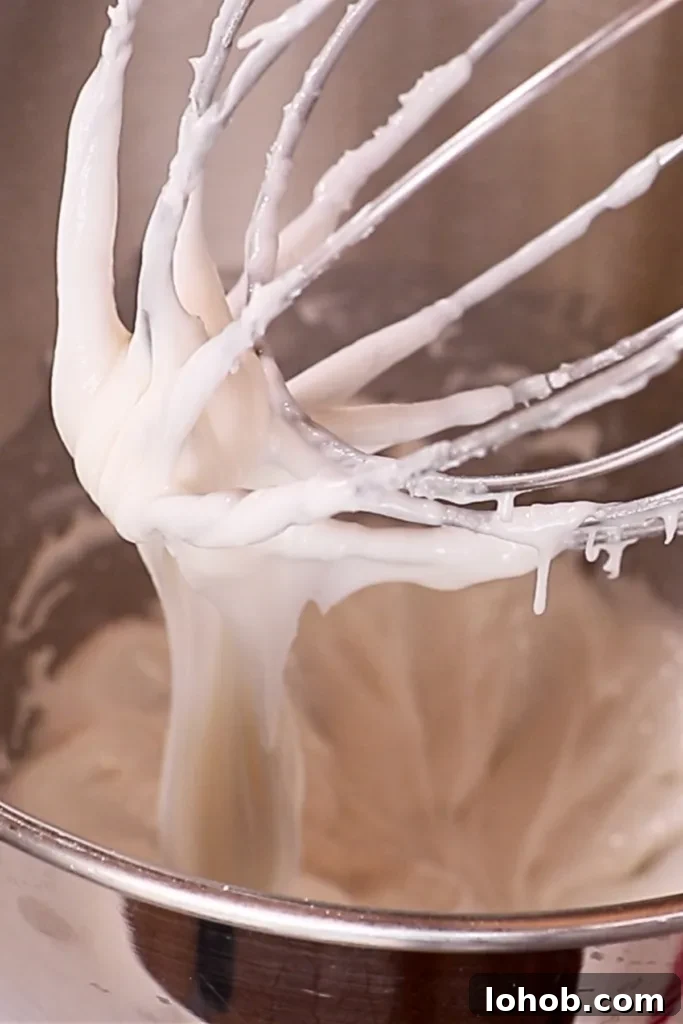

Decorate simply for a quick treat, or get creative with colors and details when you have more time.


- Move the icing to a pastry bag immediately to prevent skin forming on the surface.
- Use gel or paste food coloring to avoid thinning the icing.
- The cookies are delicious without icing — skip it if you prefer simpler treats.
Uses For Gingerbread Cookies
Enjoy these cookies in many ways:
- Holiday treats for family and friends
- Ornaments for the Christmas tree (pierce dough before baking)
- Event decorations or edible place settings
- Cookie boxes for gifting
- A fun baking activity with kids
Frequently Asked Questions
Store baked cookies tightly sealed at room temperature for 4–5 days to preserve a softer texture, or refrigerate for longer storage. Avoid freezing iced cookies, which can cause the icing to weep. For gifting, wrap individually or place in a sealed container.
Dough can be refrigerated up to 4 days or frozen for a few months. Thaw and bring to room temperature before rolling if frozen.
Chilling helps preserve shapes and is recommended, but you can bake immediately if short on time; the difference is minor for this recipe.
Yes. Baking soda yields a slightly chewier, moister texture and enhances molasses flavor. Baking powder produces a lighter, more cake-like cookie. Both work; baking soda is preferred for this texture.
More Holiday Cookies
If you enjoyed these gingerbread cookies, try other holiday cookie recipes in your collection for variety and festive baking ideas.
Did you try the recipe?
Share your honest feedback in the comment section below—I’d love to hear how you enjoyed these cookies with family and friends.
Thank you! – Aya


Gingerbread Cookies
Pin Recipe