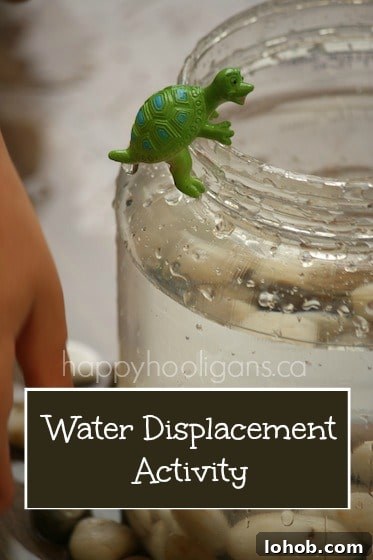
This easy water displacement experiment is a simple, hands-on way to introduce toddlers and preschoolers to the concept of water displacement. Using stones and a clear container of water, children can watch how the water level rises when objects are submerged. This activity pairs perfectly with the fable The Crow and the Pitcher.
For science experiments with young children, I prefer activities that are straightforward, affordable, and use materials we already have at home. This water displacement activity is an ideal example: a playful water exercise that demonstrates a real scientific idea in a way preschoolers can understand.
What is water displacement?
Water displacement occurs when an object is placed into a liquid and pushes the liquid out of the way to make room for itself. The amount the water level rises corresponds to the volume of the object submerged in the liquid.
How to demonstrate water displacement to children
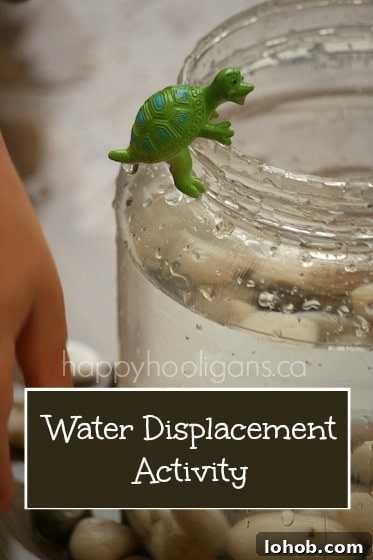
A simple demonstration is to give children a clear container filled with water and let them add objects so they can observe the water level rising. The activity below uses stones and a small plastic toy to recreate the idea from the classic fable.
If you remember the fable The Crow and the Pitcher, the story describes a thirsty crow who couldn’t reach the water at the bottom of a pitcher. The clever crow dropped stones into the pitcher until the water rose high enough for him to drink — a perfect illustration of water displacement in action.
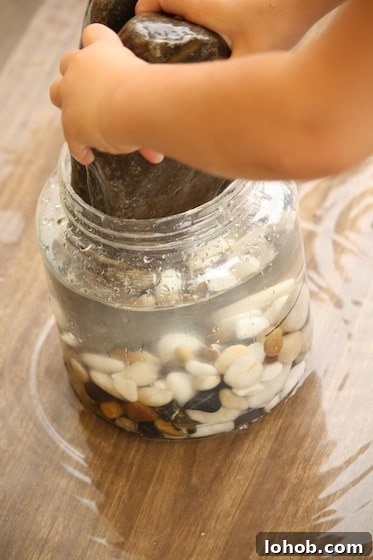
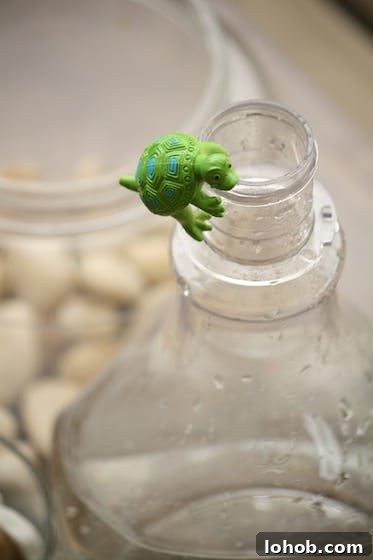
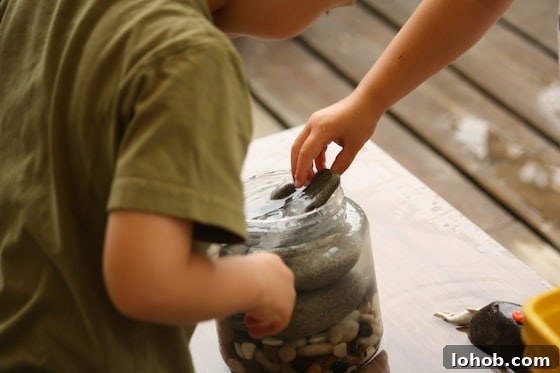
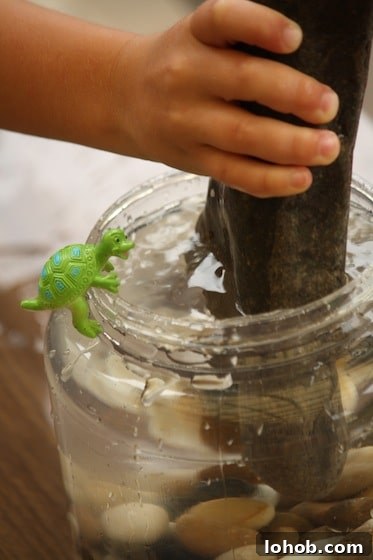
To demonstrate the concept to my daycare children, we recreated that scene using a few stones, a clear plastic container, and a small toy turtle. The children loved taking turns and watching the water rise.
Items needed for your water displacement activity:
- One clear plastic container or jar
- A collection of stones or small rocks
- A small plastic toy or figurine
- A permanent marker to mark the water level
Conducting our water displacement experiment:
We tried a few containers and found one with a wide opening worked best for easy access. Fill the container with water and use the permanent marker to draw the initial waterline so you can track changes.
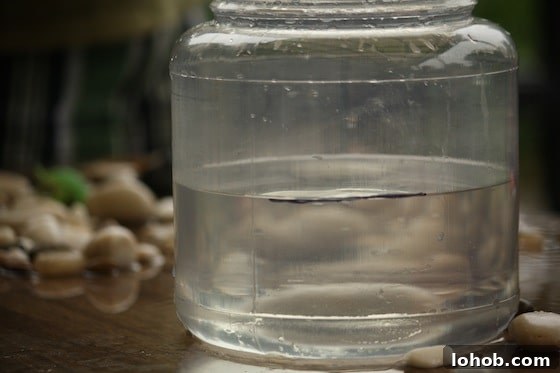
Attach a small toy to the container rim or place it nearby as a fun goal for the children — for example, the toy can represent the thirsty crow or turtle waiting for the water to rise.
The children took turns dropping stones into the water and watched the level climb. They were surprised by how quickly the water rose, and it gave a great opportunity to explain that each stone pushed the water out of the way, and because the container confined the water, it had to rise upward.
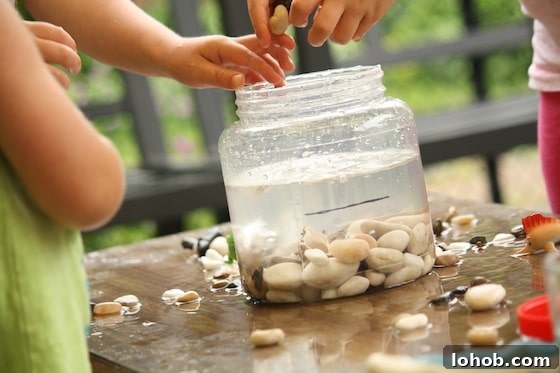
The children experimented with different sizes of stones. They started with small pebbles, then moved on to medium and finally larger beach stones when the water hadn’t reached the top yet. Trying different stones encouraged problem-solving and cooperation as they arranged and rearranged rocks to fit.
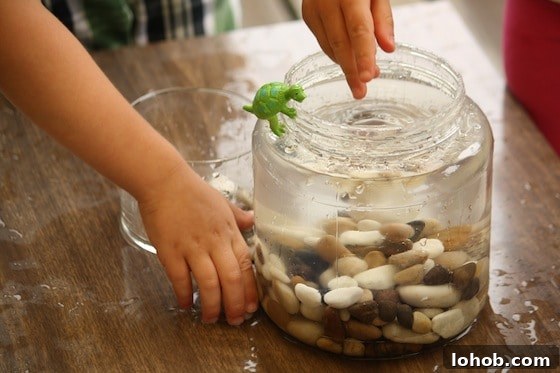
Each addition produced a visible change, and the children became more excited as the water rose higher. They learned through observation that the total volume of the submerged objects determines how much the water level increases.
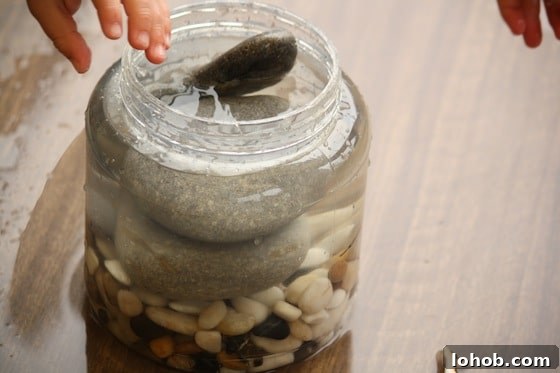
When smaller stones didn’t finish the job, larger stones did the trick. The children practiced fitting the stones in, cooperating and thinking through placement until they finally raised the water to the desired level — a satisfying group success.
Through this activity children practiced fine motor skills, observation, and basic measurement concepts while having fun. It’s an excellent, low-prep experiment that brings a scientific principle to life.
You may also like:
- Expanding Ivory Soap (Microwave) Experiment
- Dino Dig – Melting Ice with Salt and Water
- Glue, Salt and Watercolour Art
- Wax Resist Painting