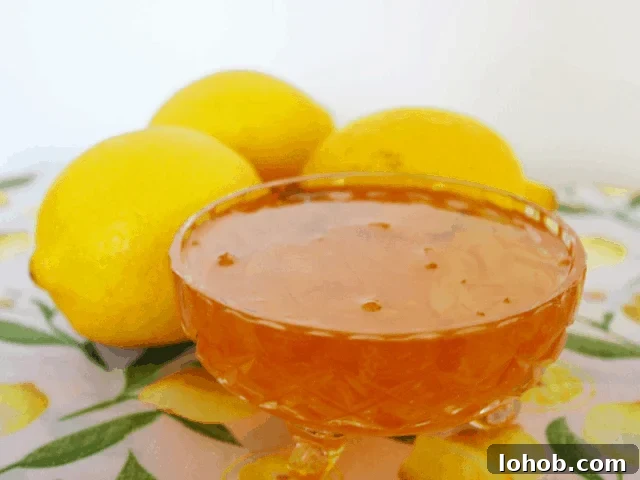
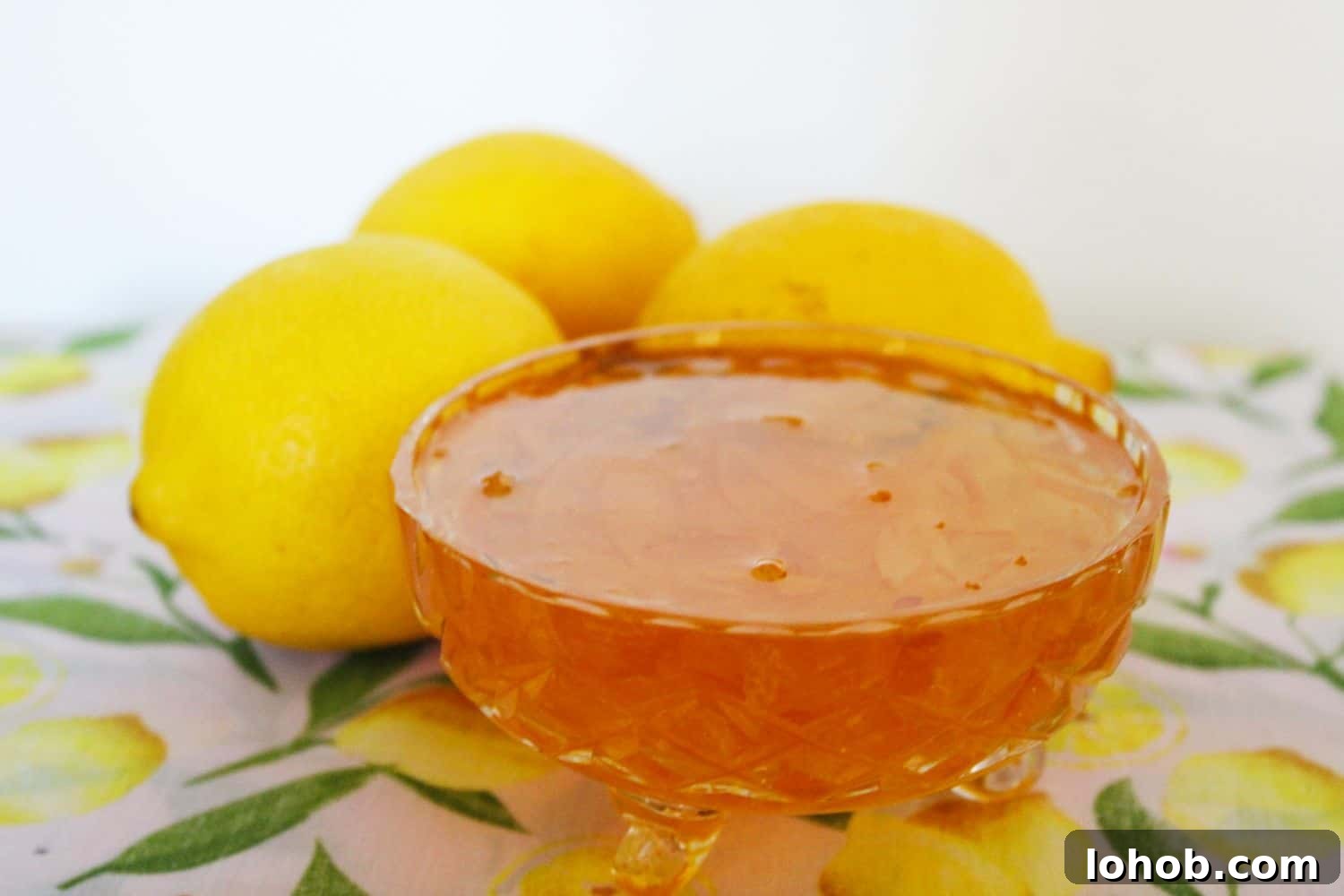
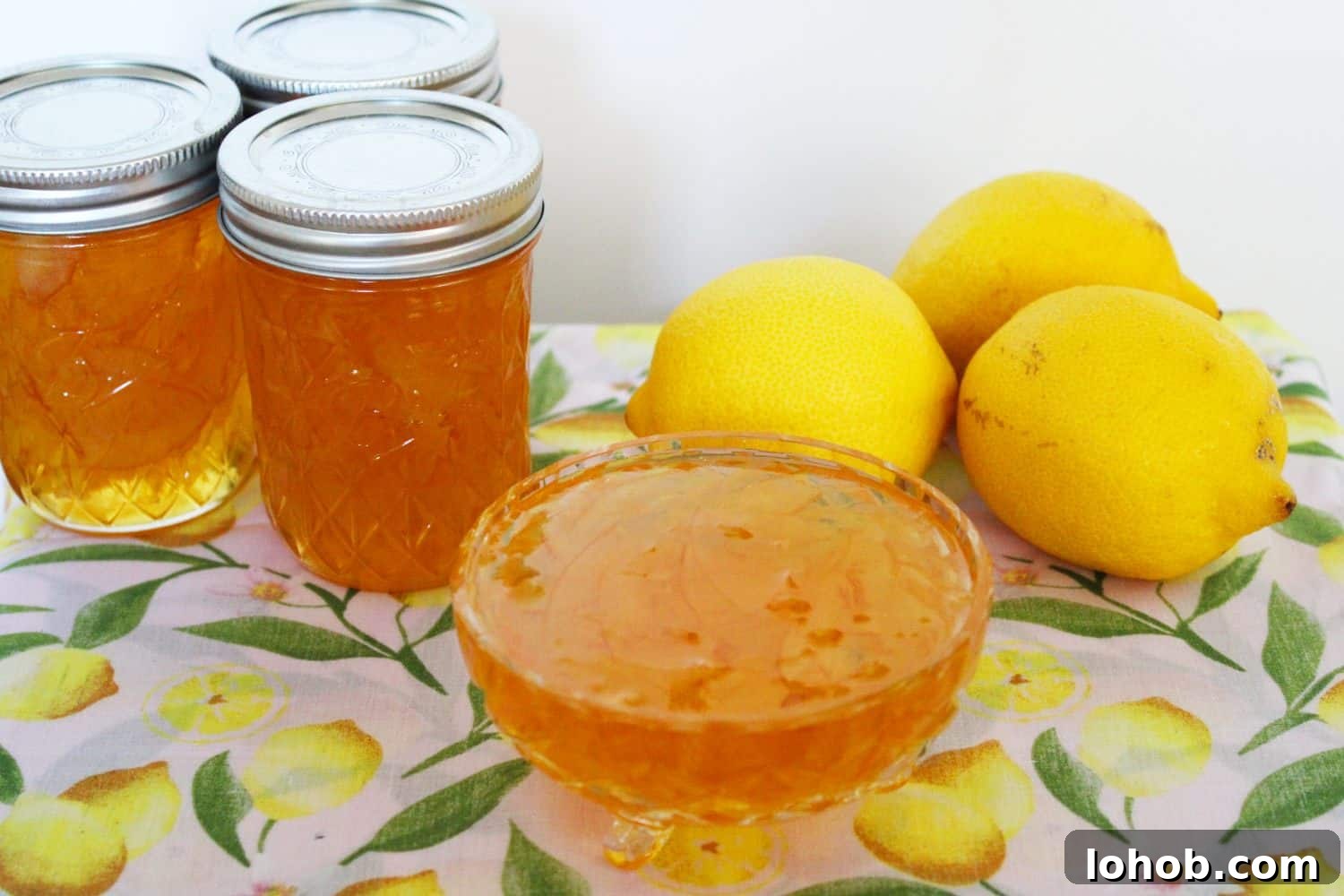
Lemon marmalade has long been a favourite in my family, especially with my father. After several weeks without his usual homemade jar, he made it clear store-bought marmalade wouldn’t do. Fortunately, a friend gave me a batch of lovely homegrown lemons and I set to work. This is a classic, simple marmalade made with only three ingredients—lemons, sugar and water. That’s all you need to create a bright, fresh spread.
If making marmalade seems daunting, don’t worry. While there is some kitchen science involved, the method is straightforward if you follow a few clear steps. The result is a vibrant preserve with nothing artificial—just citrus, sugar and water.
A little about marmalade
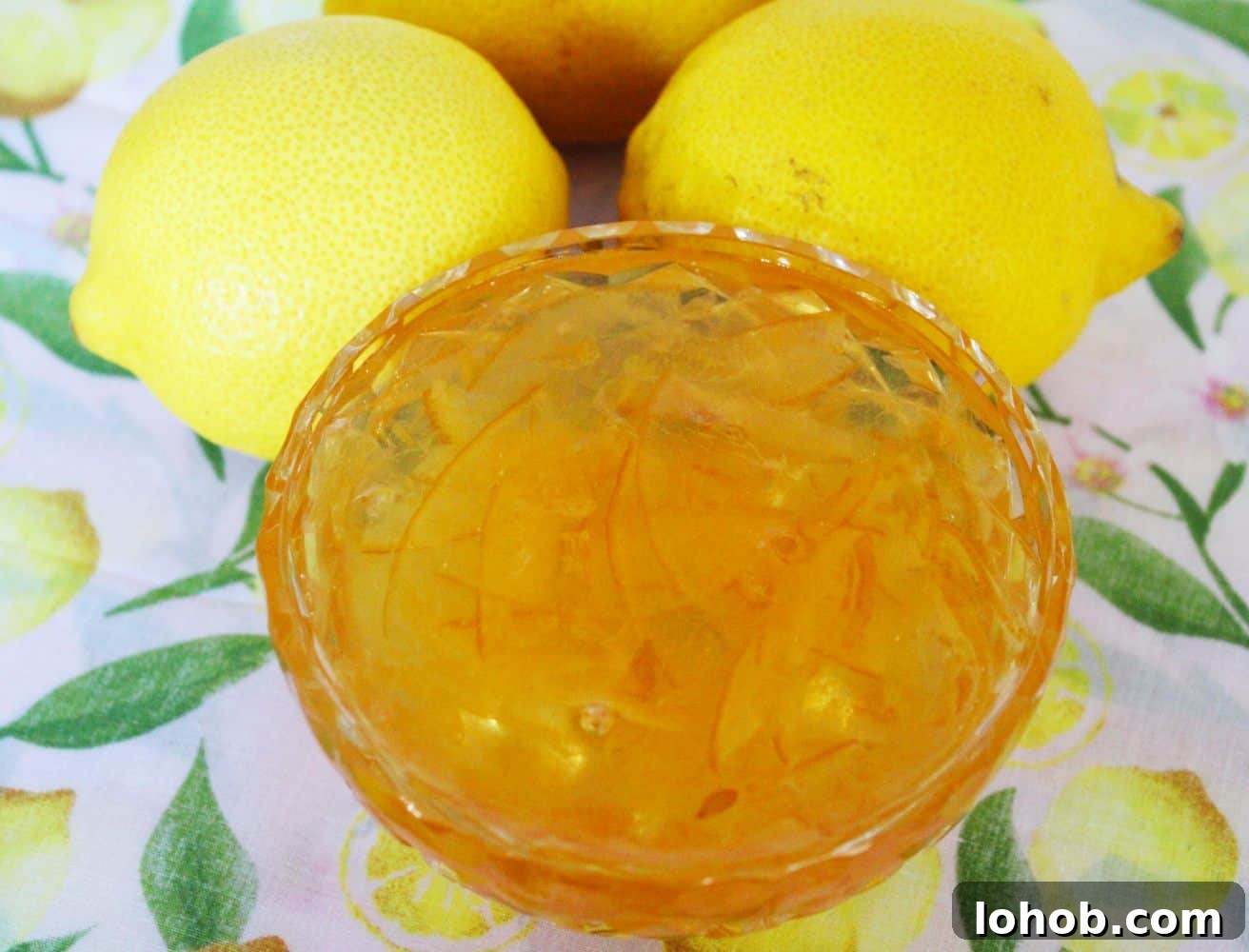
Marmalade is a citrus-only preserve, distinct from jam, which can be made from many fruits. Citrus fruits naturally contain high levels of pectin and acid, which help the marmalade set without the need for special jam-setting sugars. That natural pectin makes marmalade an ideal candidate for preserving.
Homemade preserves feel like a small luxury. They don’t need to be expensive—especially when fruit is gifted—but they do require time and attention. The flavour of homemade marmalade is clean and bright, and with only three ingredients you avoid the long lists of additives often found in commercial jars.
Ingredients
Lemons
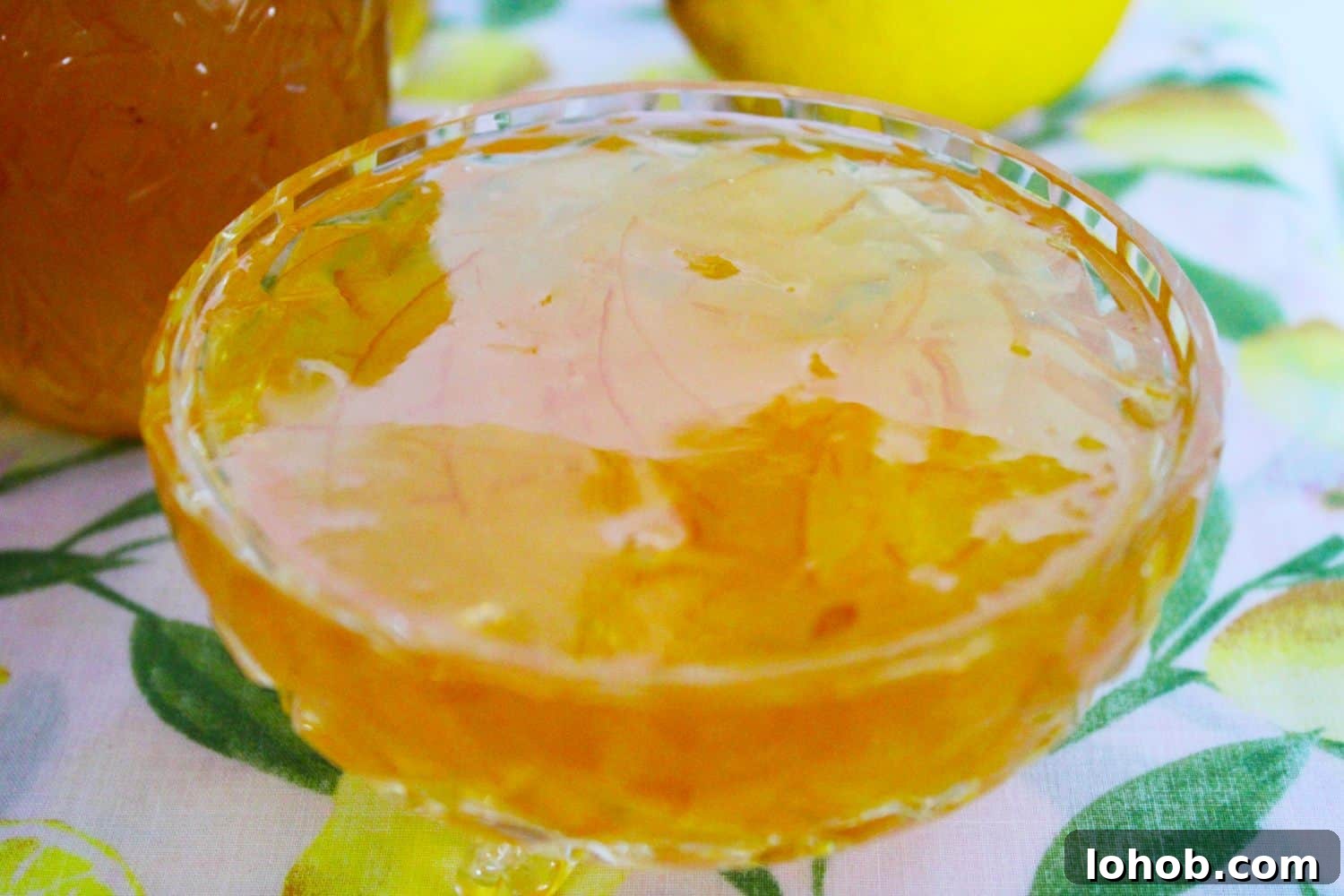
Because you use the whole fruit, choose homegrown or organic lemons when possible. Commercial lemons are often waxed and may have been sprayed; if those are your only option, be sure to clean them thoroughly.
Sugar
Use regular granulated sugar. The quantity is large, but sugar does more than sweeten: it combines with pectin and fruit acids to form a gel and acts as a preservative to inhibit mould. I don’t recommend reducing the sugar, as that can prevent proper setting and preservation.
Water
Filtered water is fine, but regular tap water works too.
How to make the marmalade (overview)
This marmalade is made over two days. Day one: slice the lemons very thinly and soak them in water overnight. Soaking softens the peel and helps release pectin. Day two: cook the fruit in the water until the peel is tender, add the sugar, and continue cooking until the mixture reaches setting point.
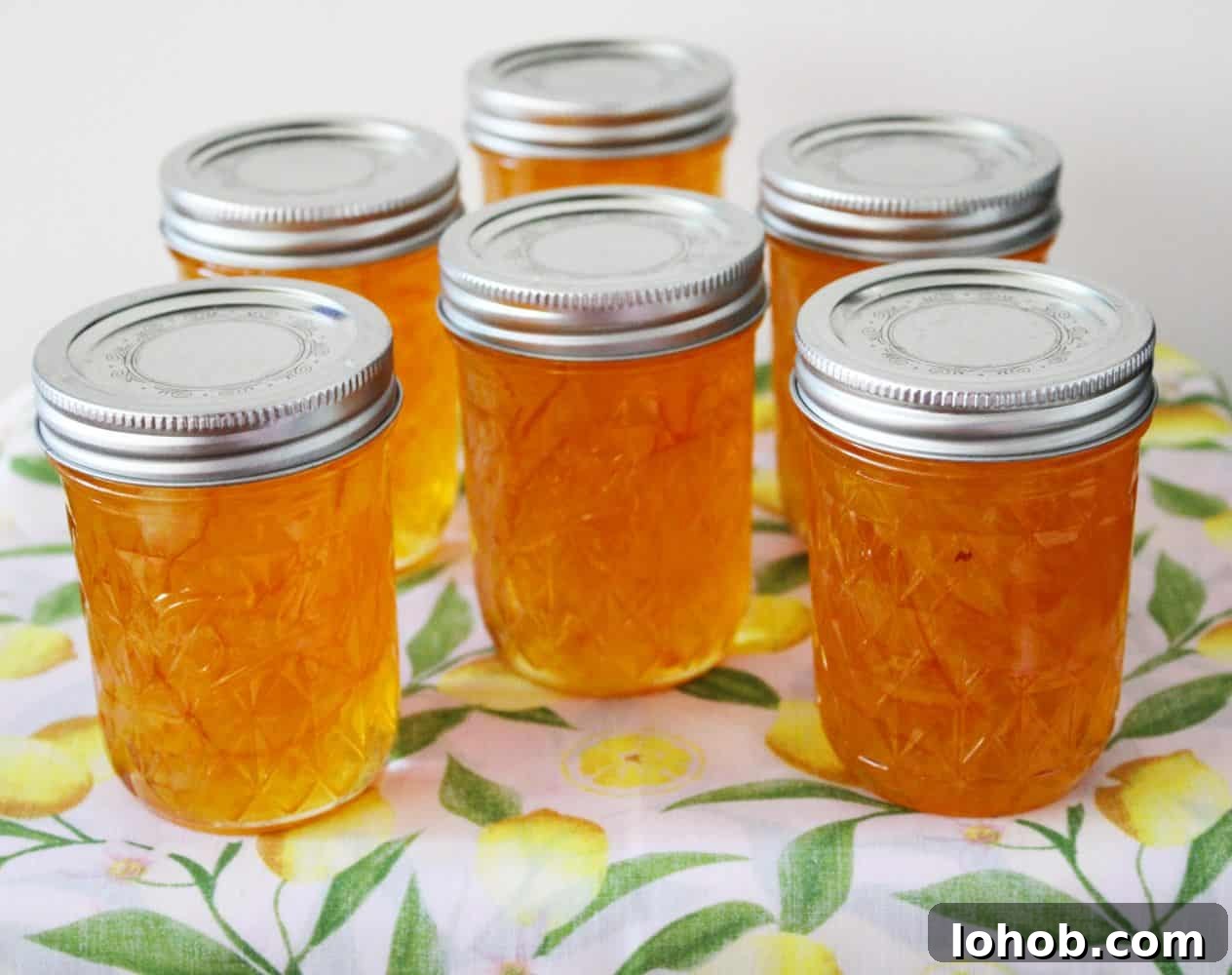
When the marmalade reaches setting point, remove it from the heat and let it rest for about 10 minutes. This pause helps the fruit distribute evenly when you pour into jars so the peel doesn’t float to the top. Finally, ladle into hot sterilised jars, seal, and enjoy the satisfaction of your own preserves.
Tips for success
No special equipment is required, but you do need a very large saucepan. Once sugar is added the mixture foams and can boil over if the pan is too small. Sterilise jars and lids before bottling—heating them in the oven is an easy method.
Because the peel is an important component, organic or home-grown fruit is preferred. If using commercially grown lemons, wash them well and consider pouring boiling water over them and scrubbing with a brush under running water.
Only use fruit in good condition. Slightly underripe lemons often contain more pectin. Damaged or bruised fruit can spoil the marmalade more quickly.
Cook the peel until tender before adding sugar; after sugar is incorporated the peel won’t soften further. Dissolve the sugar completely before returning the mixture to a boil. Check setting point using the chilled saucer “wrinkle” test: spoon a small amount onto a cold plate, let it cool for a minute, then push with your finger—if it wrinkles, it’s ready. Alternatively use a jam thermometer: setting point is about 104.5°C (220°F).
Always ladle the hot marmalade into hot jars to avoid thermal shock to the glass. Handle very carefully to avoid burns.
Other uses for lemons
We love lemons and use them in many ways beyond marmalade. A few favourites include lemon curd, lemon madeleines, lemon cakes and lemon ice cream. The bright acidity of lemon works well in both sweet and savoury dishes.
More condiments and gift ideas
- Apricot jam
- Fresh peach chutney
- Easy plum jam
- Classic lemon curd
- Dill pickled cucumbers
- Sweet chilli sauce
- Balsamic glaze
- Preserved chillies in oil
How to use lemon marmalade
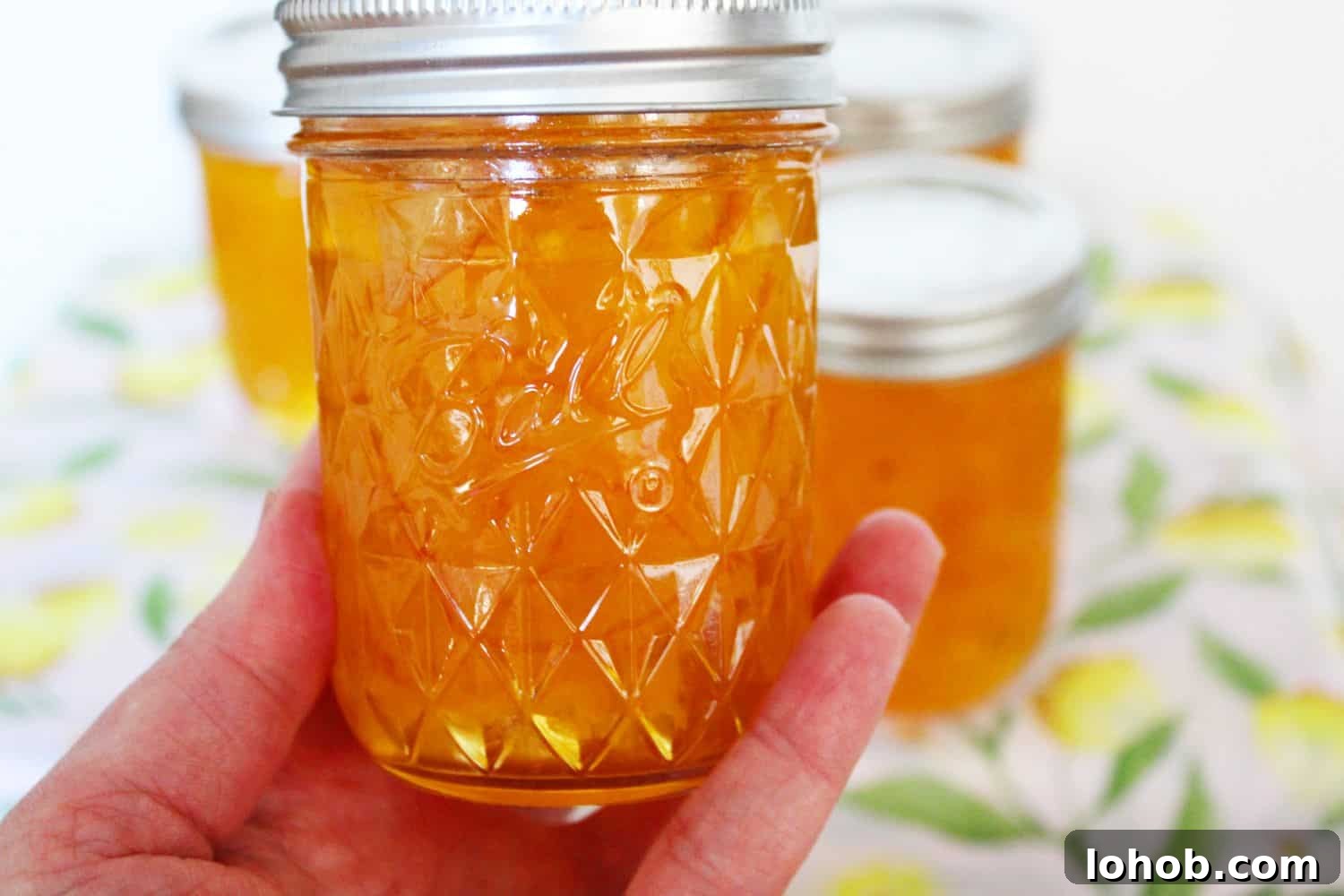
This zesty spread is perfect on morning toast, but it also works beautifully as a glaze or sauce: brush on chicken drumsticks, glaze a Christmas ham, make a sauce for pork tenderloin, top crostini with goat cheese and prosciutto, or use as a cake glaze. The marmalade’s bright citrus notes lift both sweet and savoury dishes.
Homemade marmalade has a clarity of flavour that is hard to match with commercial jars. Allow 24–48 hours after bottling for the marmalade to set fully. If it remains runny after that time, you can re-boil the contents with a little fresh lemon juice and retest for setting point.
When you try this recipe, you’ll see why homemade marmalade is so rewarding. Please let me know how yours turns out—enjoy! Alex xx
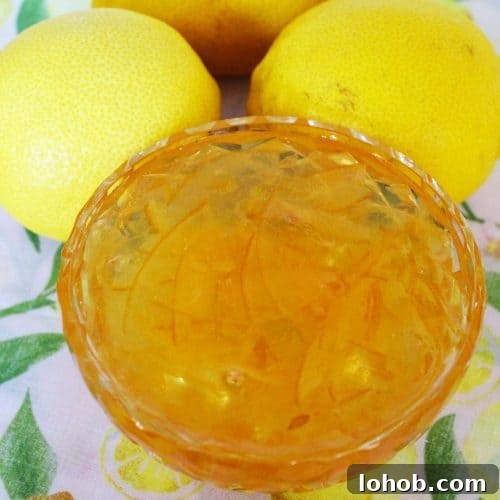
Three Ingredient Lemon Marmalade
Equipment
-
9 x 250ml jars
Please note:
For best results, weigh ingredients when weights are provided. Oven temperatures are for fan-forced ovens.
Ingredients
- 500 g (17.5 oz) lemons
- 6 cups (1.5 litres) water
- 8 cups (1.8 kg) granulated sugar
Instructions
Please read first
- Weigh ingredients for accuracy and do not double the recipe. The sugar and water quantities are important: sugar contributes to gelling and preservation. Use a very large saucepan as the mixture foams when boiling. Ensure the marmalade reaches setting point but avoid overcooking. Allow 24–48 hours after bottling for the pectin to activate.
To sterilise the jars
- Preheat the oven to 130°C (270°F). Use glass jars with airtight metal lids. Wash jars and lids in hot soapy water and rinse well. Remove rubber seals from Kilner-style lids before heating; boil seals separately if needed.
- Place upright jars and lids on a baking tray and heat in the oven for at least 20 minutes. Remove and fill immediately with hot marmalade.
For the lemon marmalade
- Place two saucers or small plates in the freezer to test setting point later.
- Wash lemons thoroughly, trim the ends and cut into quarters lengthways. Holding two quarters together, slice as thinly as possible and remove any seeds.
- Place the slices in a non-reactive bowl, add 6 cups (1.5 litres) water, cover and leave overnight to soak. This softens the peel and releases pectin.
- The next day, transfer the lemons and water to a large, non-reactive saucepan. Bring to the boil over medium-high heat and simmer for about 15 minutes or until the peel is tender, stirring occasionally. Time may vary with lemon variety and slice thickness.
- Add the sugar and stir until completely dissolved. Return to a rapid boil, stirring and skimming foam as needed. Continue cooking until the marmalade reaches setting point, about 20 minutes—times vary. If unsure, test and continue boiling a minute at a time if needed.
- Test for setting point using the chilled-saucer “wrinkle” test: spoon a small amount onto a frozen plate, cool briefly, then press—if the surface wrinkles, it’s ready. Or use a jam thermometer: 104.5°C / 220°F indicates setting point.
- Remove from heat and let stand about 10 minutes to allow fruit to settle evenly through the marmalade.
- Carefully ladle the hot marmalade into the heated sterilised jars, seal immediately and handle with oven gloves or jar tongs. Take care to avoid burns.
Notes
- Weight example: the lemons used weighed about 530 g before trimming. Eureka or Lisbon lemons work well.
- If using commercially grown lemons, clean them by pouring over freshly boiled water and scrubbing under running water.
- Use non-reactive cookware (stainless steel, glass, ceramic, or enamel). Avoid aluminium, copper or iron, which can react with acid.
- A very large saucepan is essential to prevent boil-overs when sugar is added.
- Use a long-handled wooden spoon for stirring; metal handles can become dangerously hot.
- Boiling times vary with pan size and heat level.
- Properly prepared marmalade will be shelf stable for about 12 months.
- The marmalade will be quite liquid when hot but will thicken as it cools. If still runny after 24–48 hours, re-boil the contents with the juice of half a lemon and retest for setting. Overcooking initially can damage pectin and also prevent setting.
- Sterilise jars by heating in the oven at 130°C (270°F) for at least 20 minutes. Do not reuse damaged lids; boil rubber seals separately if present.
- Nutritional information is an estimate per 250 ml jar and should be used as a guideline only.
Nutrition Estimate:
Carbohydrates: 205 g |
Protein: 1 g