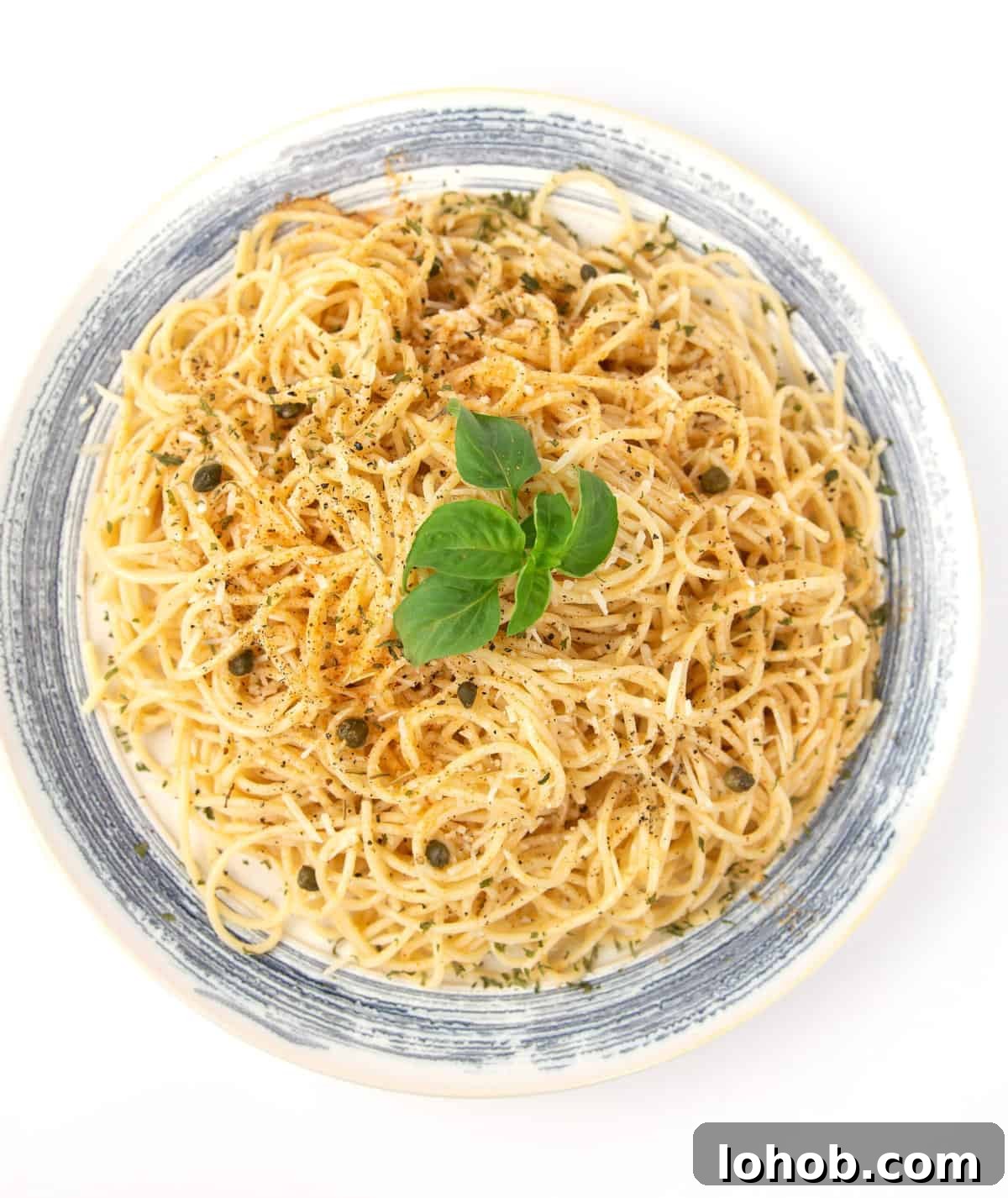
This ultimate guide to cooking perfect pasta offers clear, practical advice to help you make delicious pasta every time. It covers choosing the right pot, seasoning the water, cooking to the proper doneness, and finishing the pasta with sauce for best results.
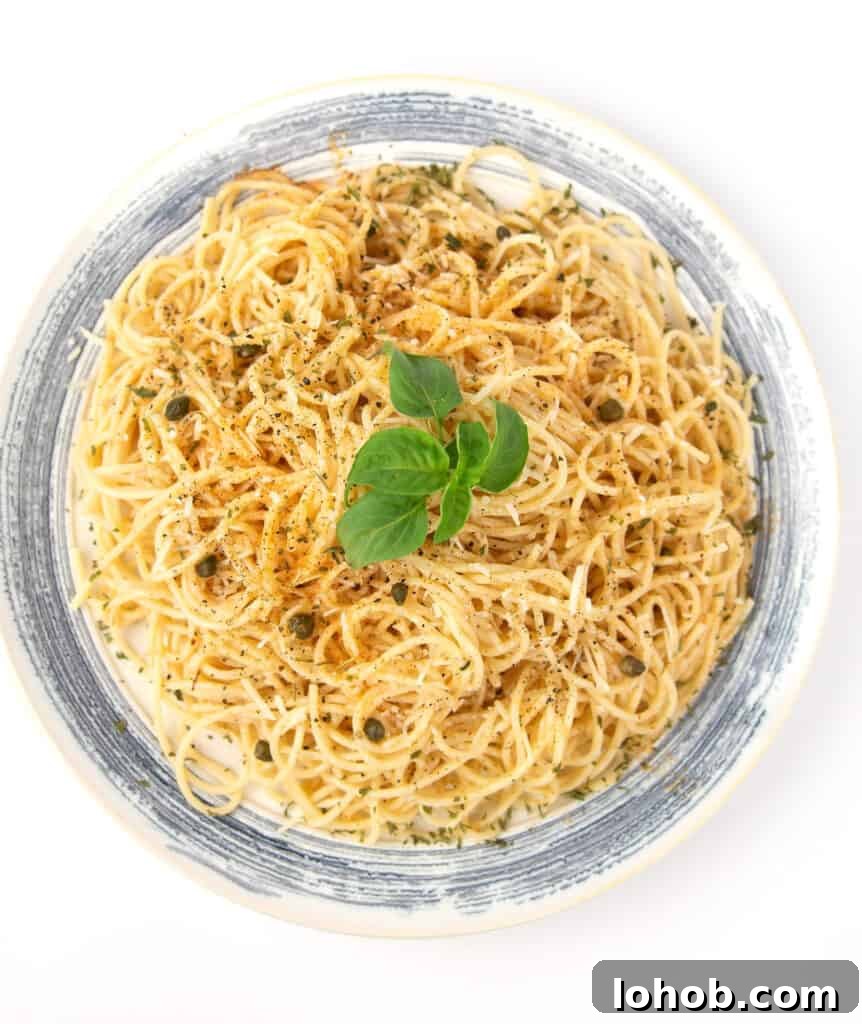
Cooking pasta appears simple, but small details make a big difference. Overcooked pasta becomes mushy; undercooked pasta stays tough. Follow these tips and techniques to achieve consistently great texture and flavor.
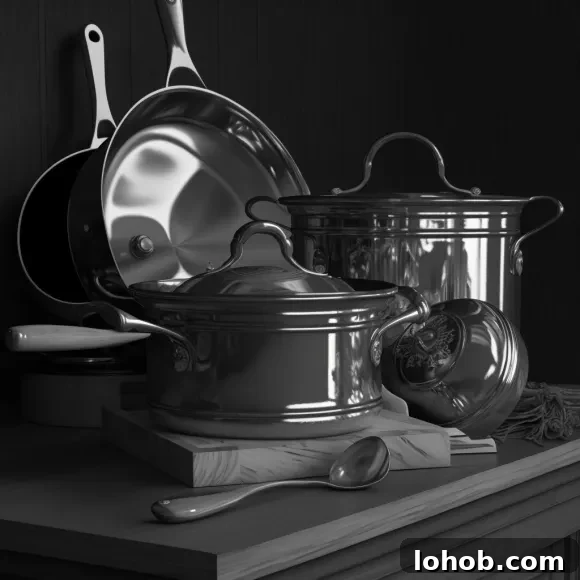
Choose the Right Pot
- Size matters: Use a pot large enough for the amount of pasta you plan to cook. A general guideline is about four quarts (or liters) of water per pound (or 450 g) of pasta so strands or shapes have room to move.
- Material: Stainless steel, aluminum, or enameled cast iron heat evenly and are durable choices that bring water to a boil efficiently.
- Shape: A tall, narrow pot helps water boil faster and reduces splashing or boil-overs compared with a wide, shallow pan.
- Handles and lid: Sturdy heat-resistant handles and a tight-fitting lid speed up boiling and make handling easier.
- Built-in strainer: If you prefer convenience, a pot with a built-in strainer or a clip-on colander simplifies draining.
Add Salt to the Water: Generously salt the cooking water before adding the pasta. Salt enhances flavor and helps the pasta cook more evenly. Aim for roughly 1–2 tablespoons of salt per 6 quarts (about 5.5 liters) of water, adjusting to taste.
Don’t Add Oil: Adding oil to the pot is unnecessary and can prevent sauce from clinging to the pasta. Oil also forms a surface film that can affect cooking. Rely on plenty of water, a vigorous boil, and occasional stirring to prevent sticking.
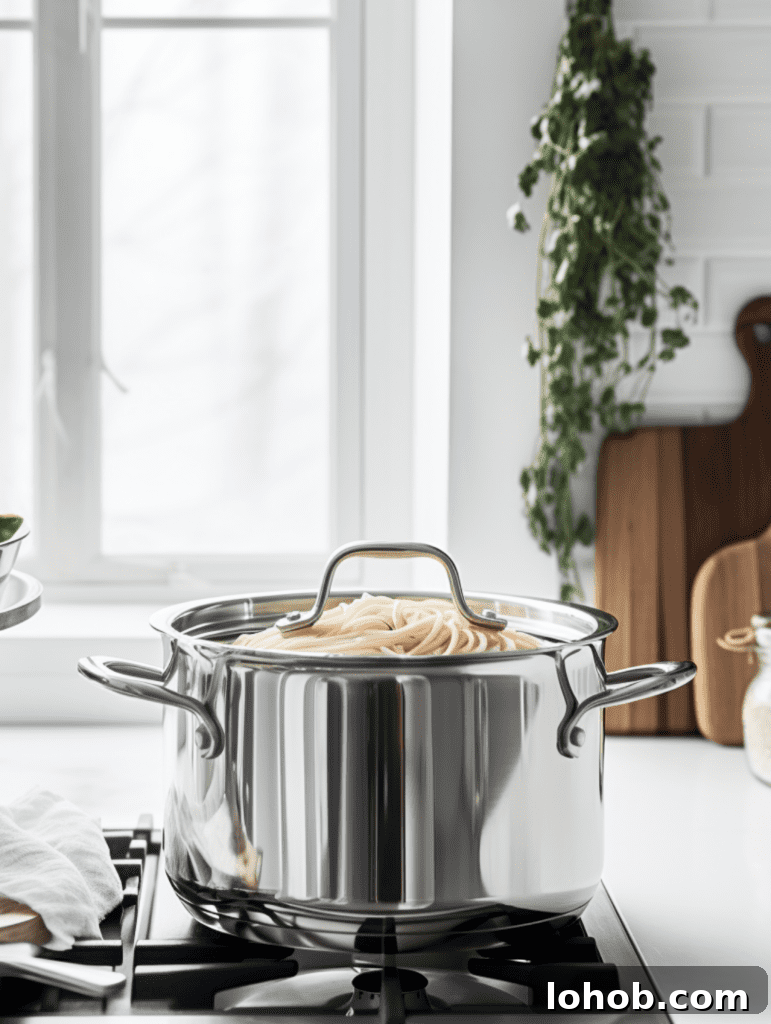
Cook Pasta Al Dente: “Al dente” means the pasta should be tender yet still offer slight resistance when bitten. Follow the package’s suggested time but start checking 1–2 minutes before the end. Bite a piece to confirm the texture—firm but not chalky.
Reserve Pasta Water: Before draining, reserve about a cup of the starchy cooking water. This liquid is valuable for adjusting sauce consistency and helping sauces cling to the pasta, thanks to the natural starches.

To combine pasta and sauce successfully, heat the sauce while the pasta cooks so it’s ready when the pasta finishes. Drain the pasta but do not rinse it, and add the hot pasta directly into the warmed sauce. Toss with tongs or a pasta fork so the sauce coats the pasta evenly.
If the sauce seems too thick or doesn’t adhere well, add a few tablespoons of the reserved pasta water and toss again; the starch will help create a glossy, emulsified sauce. Work quickly and serve immediately—letting pasta sit too long in sauce can make it absorb liquid and become soft.
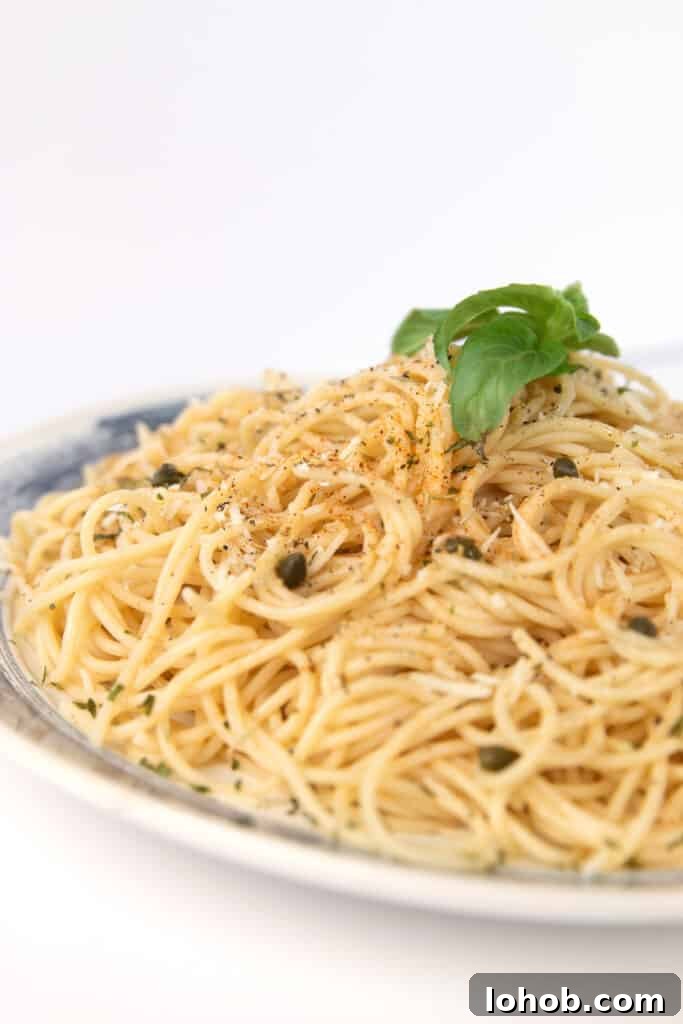
With these straightforward techniques—choosing the right pot, salting the water, avoiding oil, cooking al dente, reserving pasta water, and finishing the dish by tossing pasta with warmed sauce—you can improve your results and enjoy better pasta at home. Try them and taste the difference!
Want Some Pasta Recipes?
Caprese Pasta Salad
Chicken Parmesan Spaghetti Cups