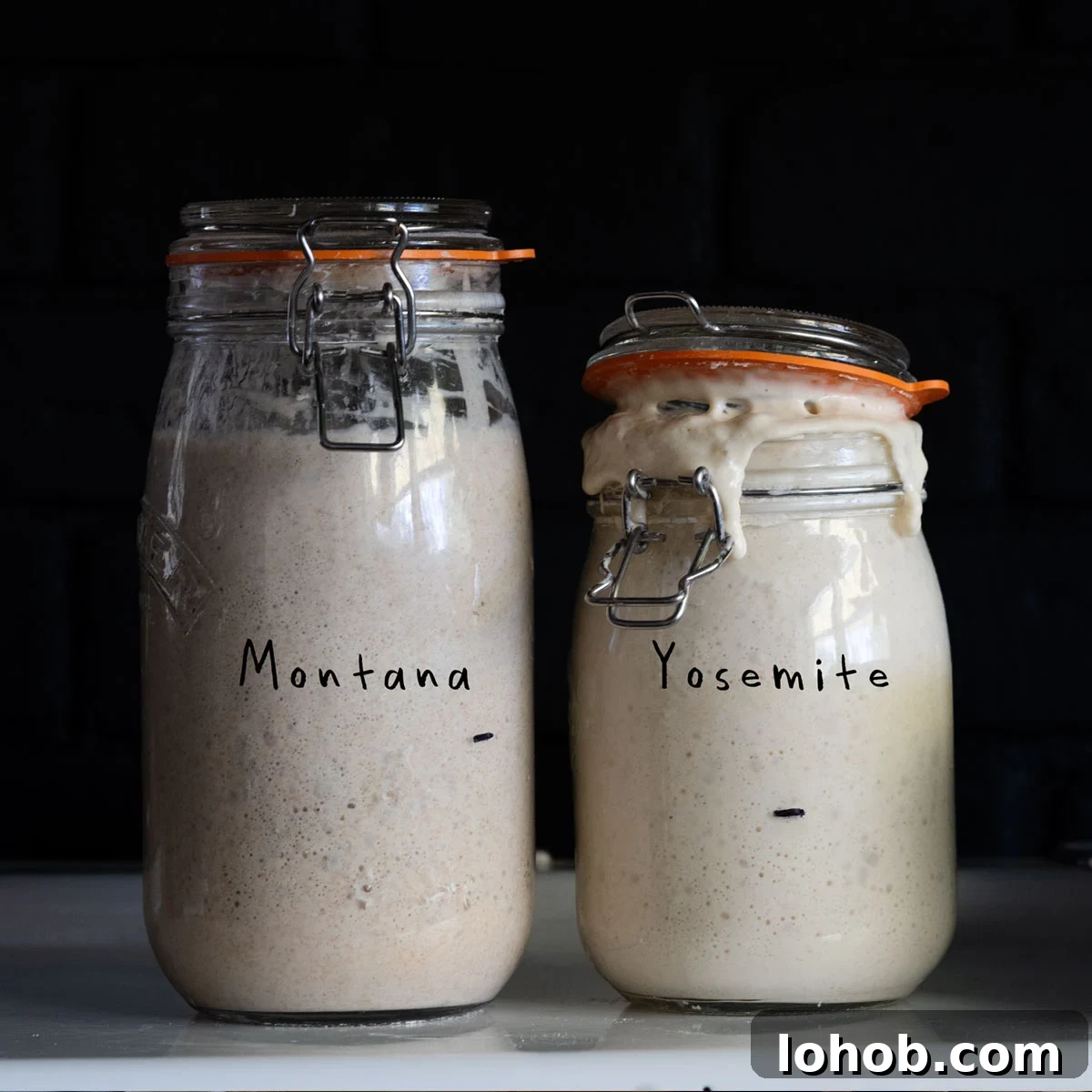
Making an ultra-vibrant sourdough starter is surprisingly simple. With just spring water and unbleached bread flour, you can cultivate a lively starter that will fuel delicious loaves.
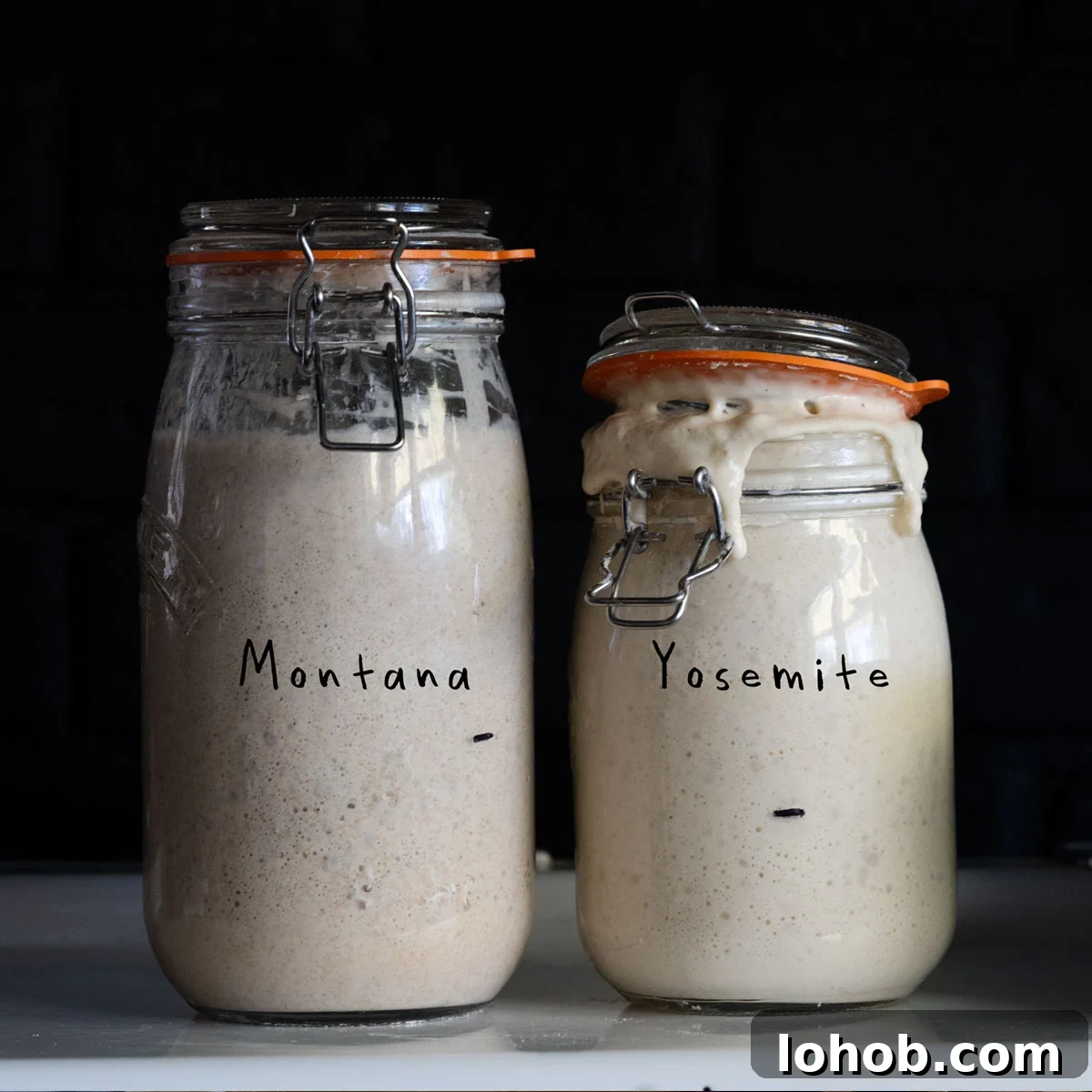
How to make a sourdough starter
in just a week
If you’re new to sourdough, the process can feel mysterious. The reality is straightforward: combine spring water and strong unbleached bread flour in a warm spot, and feed the mixture daily. Within about a week you should see consistent doubling after feedings — a reliable sign your starter is ready to bake with.
Your starter will be unique to your home. It develops from the wild yeasts and bacteria in your environment, the flour you use, and even traces from your own microbiome. That individuality is part of what makes sourdough so rewarding.
Important details
There aren’t many strict rules, but two things matter a lot: use unbleached strong bread flour and use spring water. Avoid tap water if it’s chlorinated, since chlorine can inhibit the microbes you want to cultivate.
King Arthur’s bread flour is a reliable, widely available option for consistent results. If you want more complex flavor, try blending in small amounts of rye, barley, or heirloom grains as you establish the culture.
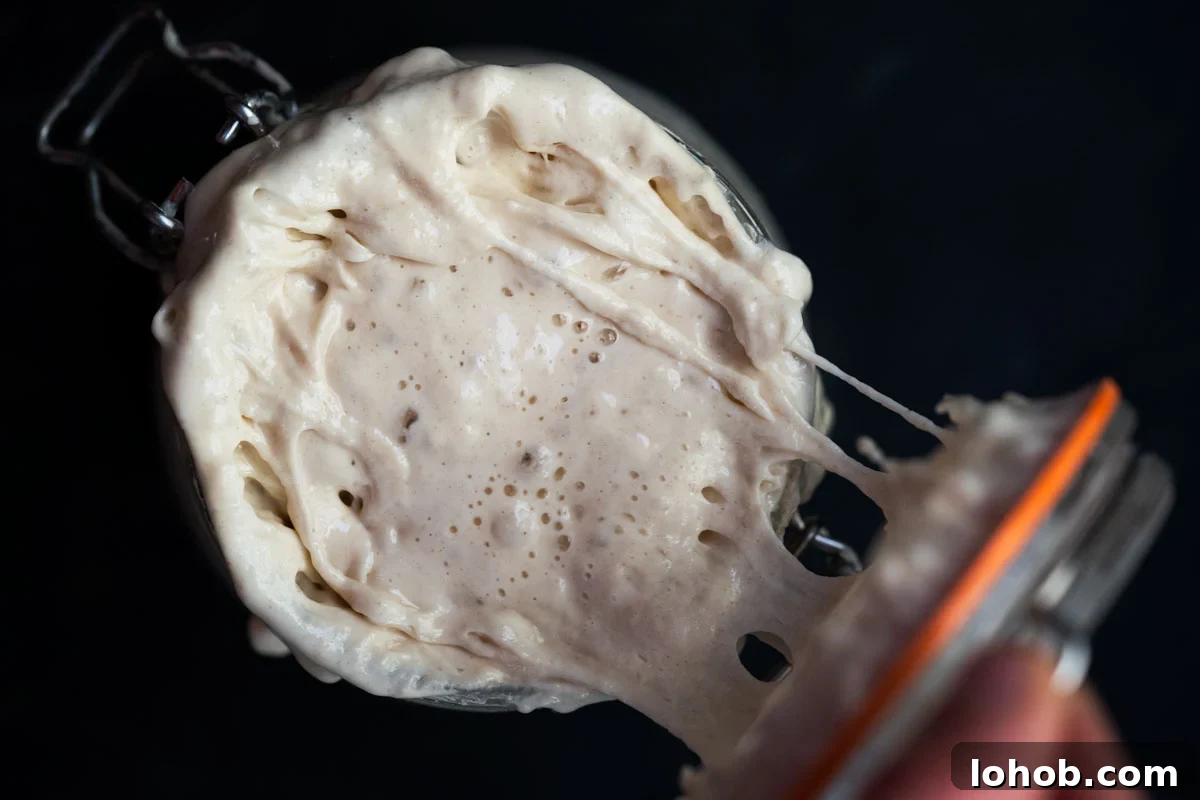
Don’t worry — you’ll be baking beautiful bread before long.
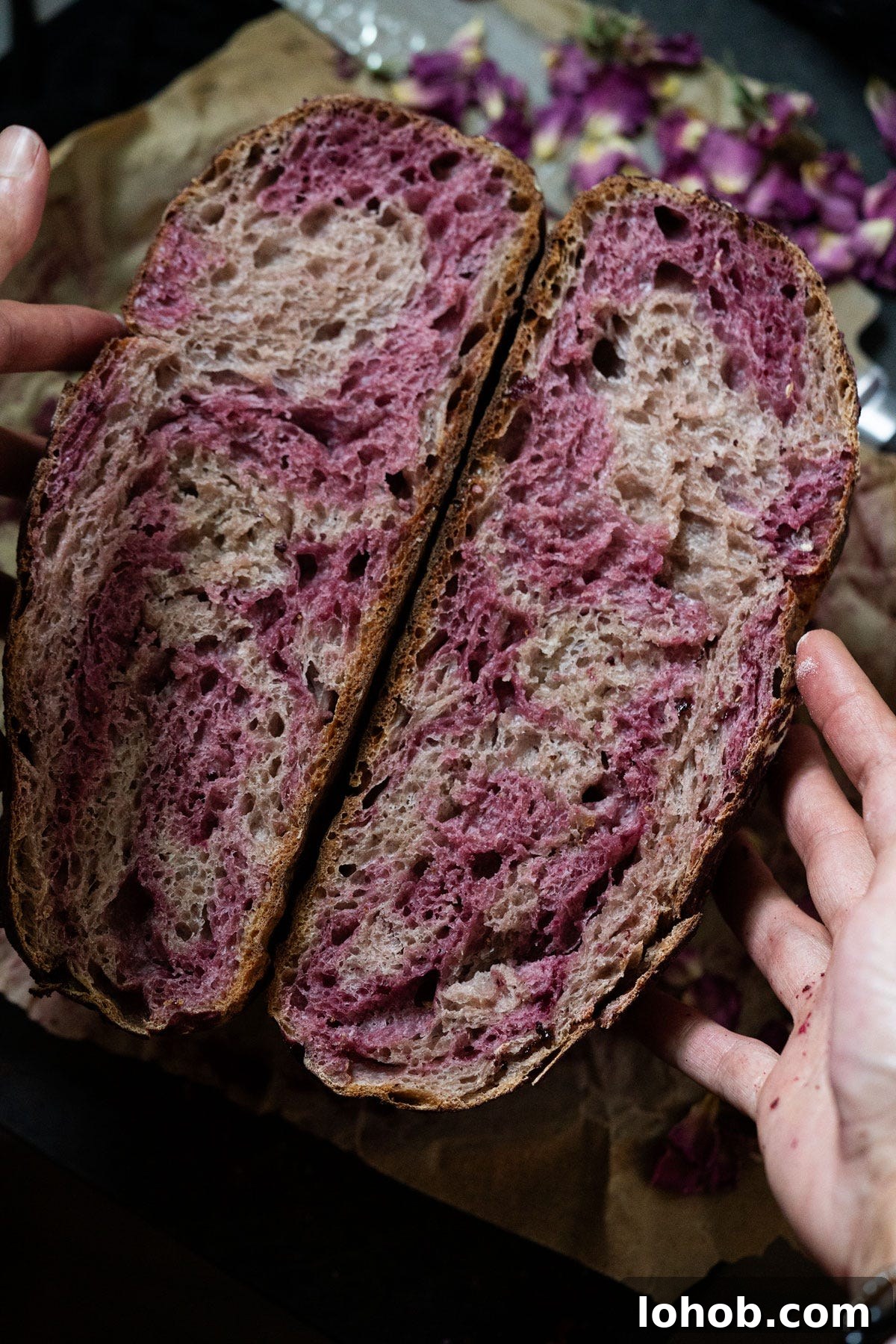
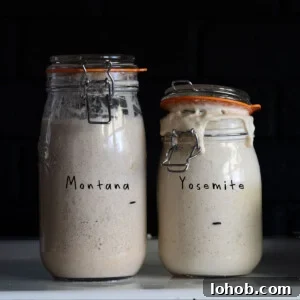
How to make a sourdough starter
30
1
7
1 sourdough starter
Equipment
-
1 weck jar preferred for visibility and seal
Ingredients
- 50 g spring water
- 50 g (unbleached) strong bread flour
Instructions
Start your starter
-
Add unbleached flour to a clean jar. A weck or mason jar works well so you can watch activity.
-
Add spring water until the mixture reaches the consistency of thick pancake batter. Aim for roughly a 1:1 ratio by weight (50 g flour to 50 g water) with most strong bread flours; some flours, especially heritage or gluten-free varieties, may need slightly more water.
Avoid overly stiff dough and avoid a runny mixture — thick pancake batter is the goal for an easy start.
-
Rest 24 hours in a warm spot (top of the stove, or the oven with the light on are common choices) to let microbes begin to grow.
Discard and feed your starter
-
Discard half of the starter (just eyeball it) and feed with 50 g flour and 50 g spring water, mixing to the thick batter consistency.
-
Repeat daily for at least 7 days. Many starters strengthen over 10–14 days, but you can usually bake a good loaf after a week once the starter consistently doubles in size after feeding.
-
Optional burn test: when your starter reliably doubles, tap it to break the surface and carefully test whether a small flame is momentarily affected — some bakers use this as an indicator the starter is actively consuming oxygen and is ready. Use caution if trying this.
Video
Notes
Whip up this recipe?
Comment below or tag your creations on Instagram @paola.vanderhulst and use #gnomgnomyum to share your results.