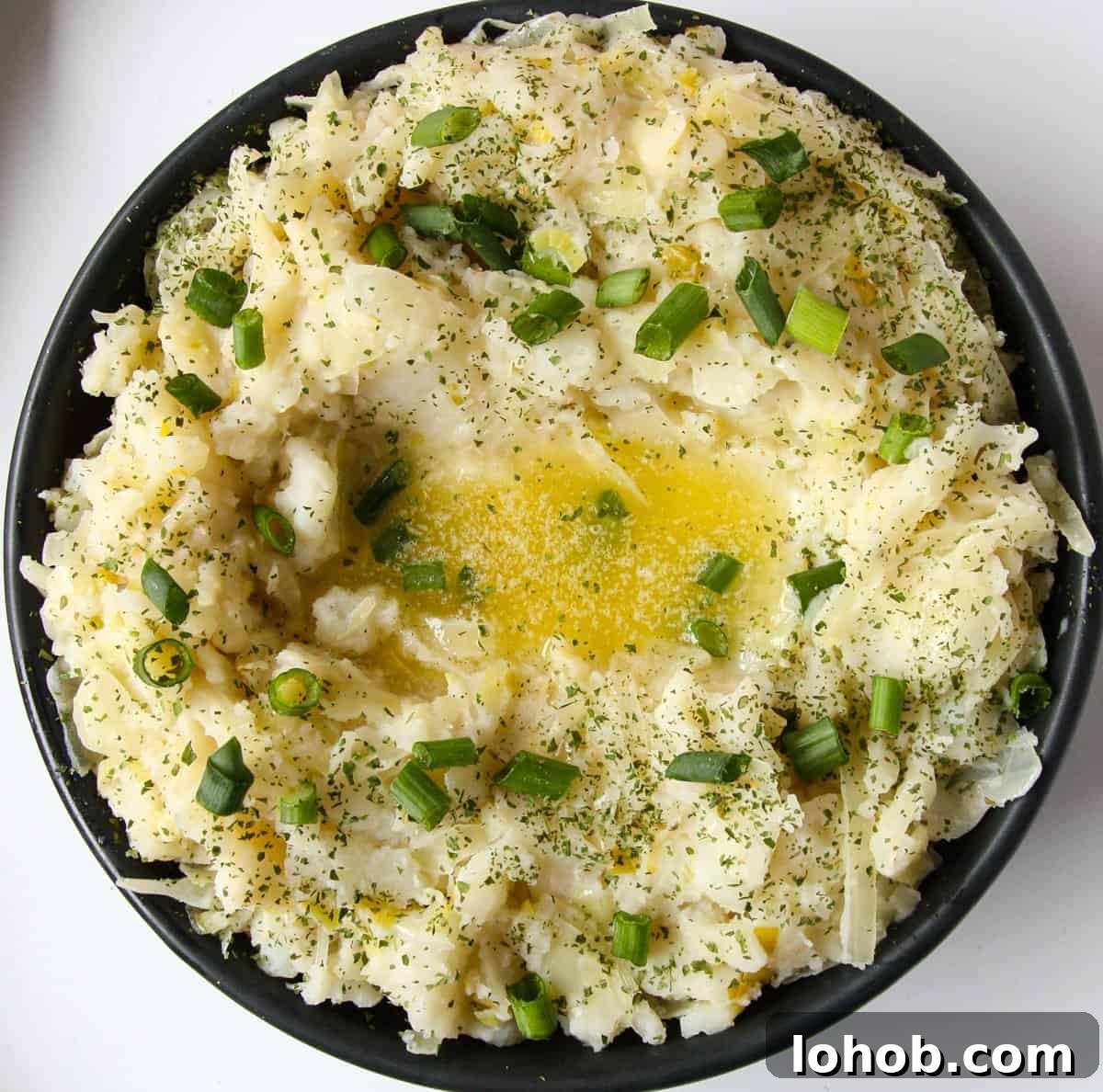
Irish Mashed Potatoes, also known as Colcannon, are a creamy, fluffy mash blended with sweet shredded cabbage, tender leeks, plenty of butter, and warm milk or cream. This comforting Irish side dish is easy to make and perfect for family dinners or St. Patrick’s Day celebrations.
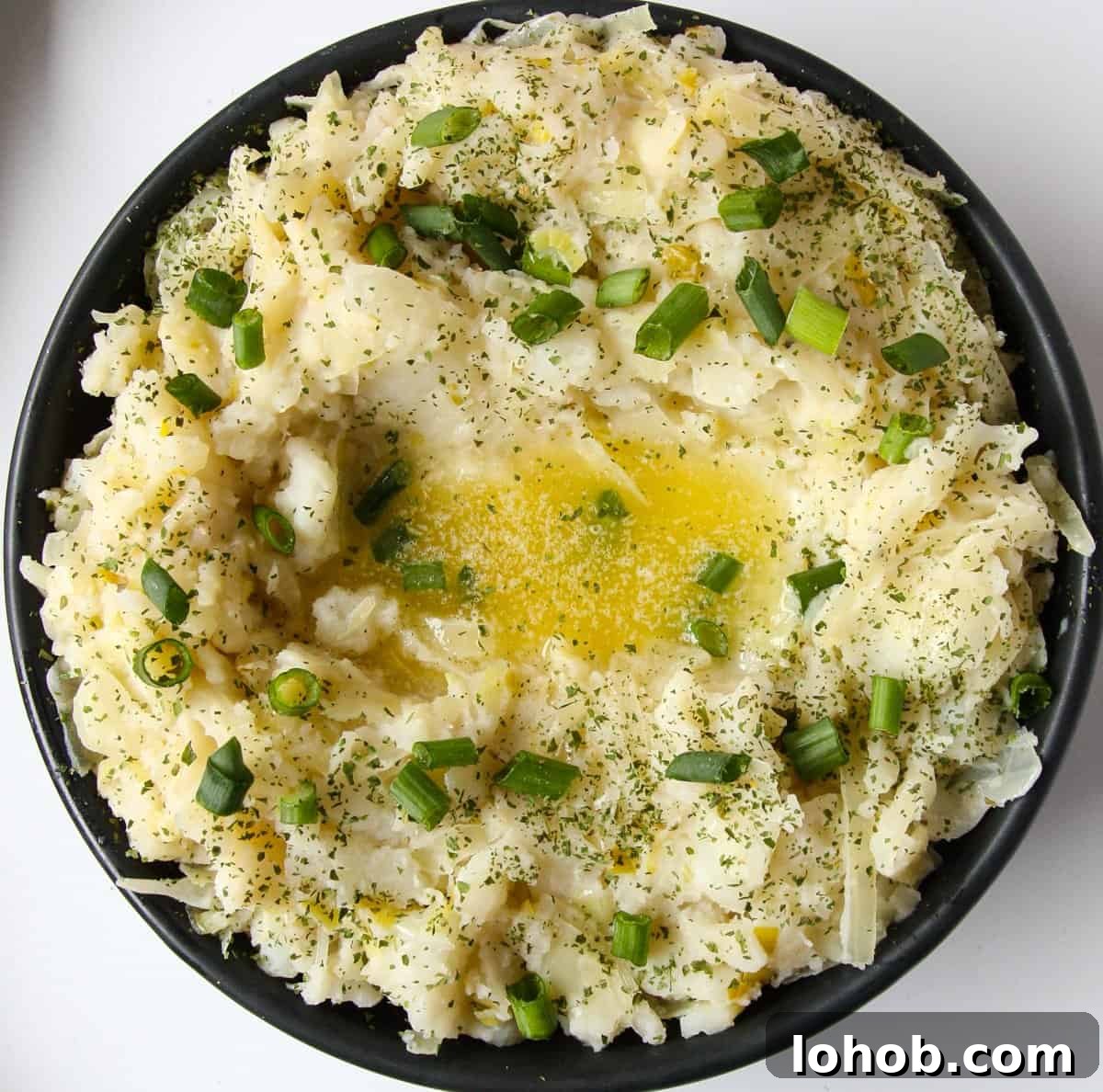
Colcannon is traditional in Ireland and features mashed potatoes mixed with cooked cabbage (or sometimes kale), butter, and milk or cream. It differs from champ, another Irish potato dish that uses spring onions instead of cabbage.
< h2 class=”wp-block-heading” id=”h-what-is-colcannon”>What is Colcannon?
Colcannon is a classic Irish mashed potato dish combining soft, buttery potatoes with shredded cabbage (or kale), and often leeks. The cabbage adds a gentle sweetness and subtle texture that elevates ordinary mashed potatoes into something special.
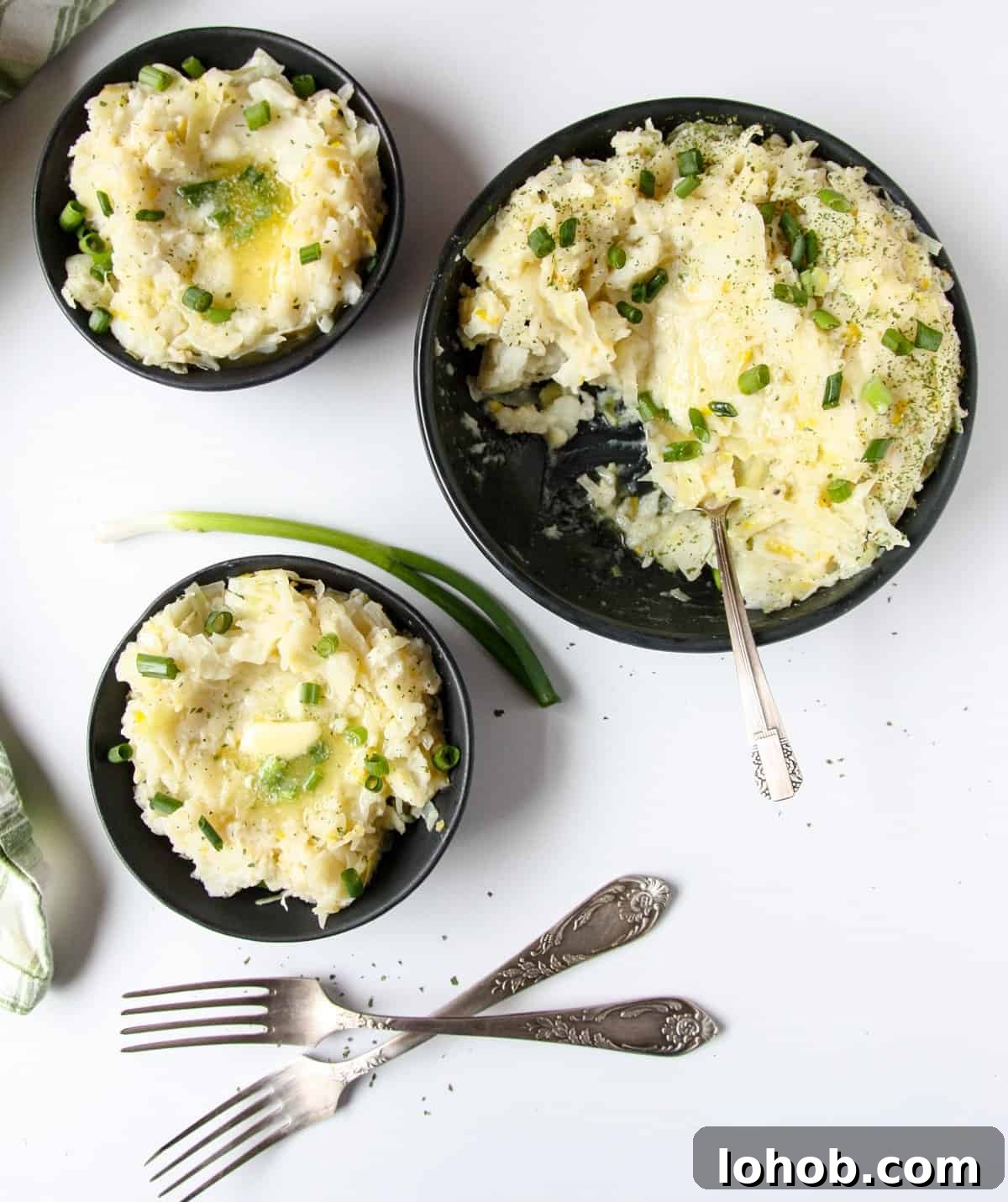
Why You’ll Love This Recipe
- Creamy, fluffy, and buttery—this mash is rich and comforting.
- The sautéed cabbage and leeks add a sweet, savory depth and a pleasant texture contrast.
- Simple to prepare with a few everyday ingredients.
- Economical and hearty—keeps well as a make-ahead side and pairs beautifully with beef, pork, or chicken.
- Great for celebrations like St. Patrick’s Day or as an everyday favorite.
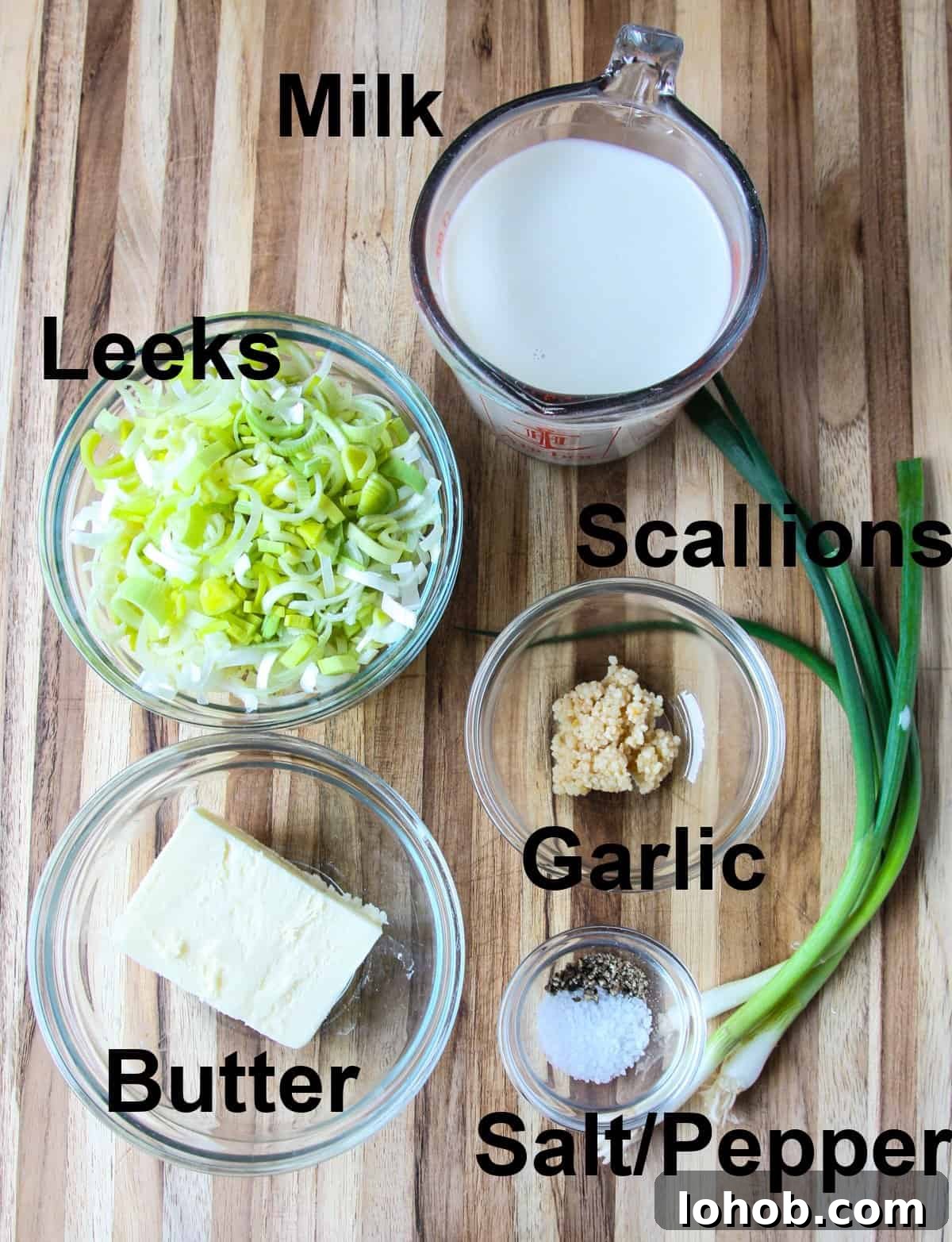
Here’s What You Need
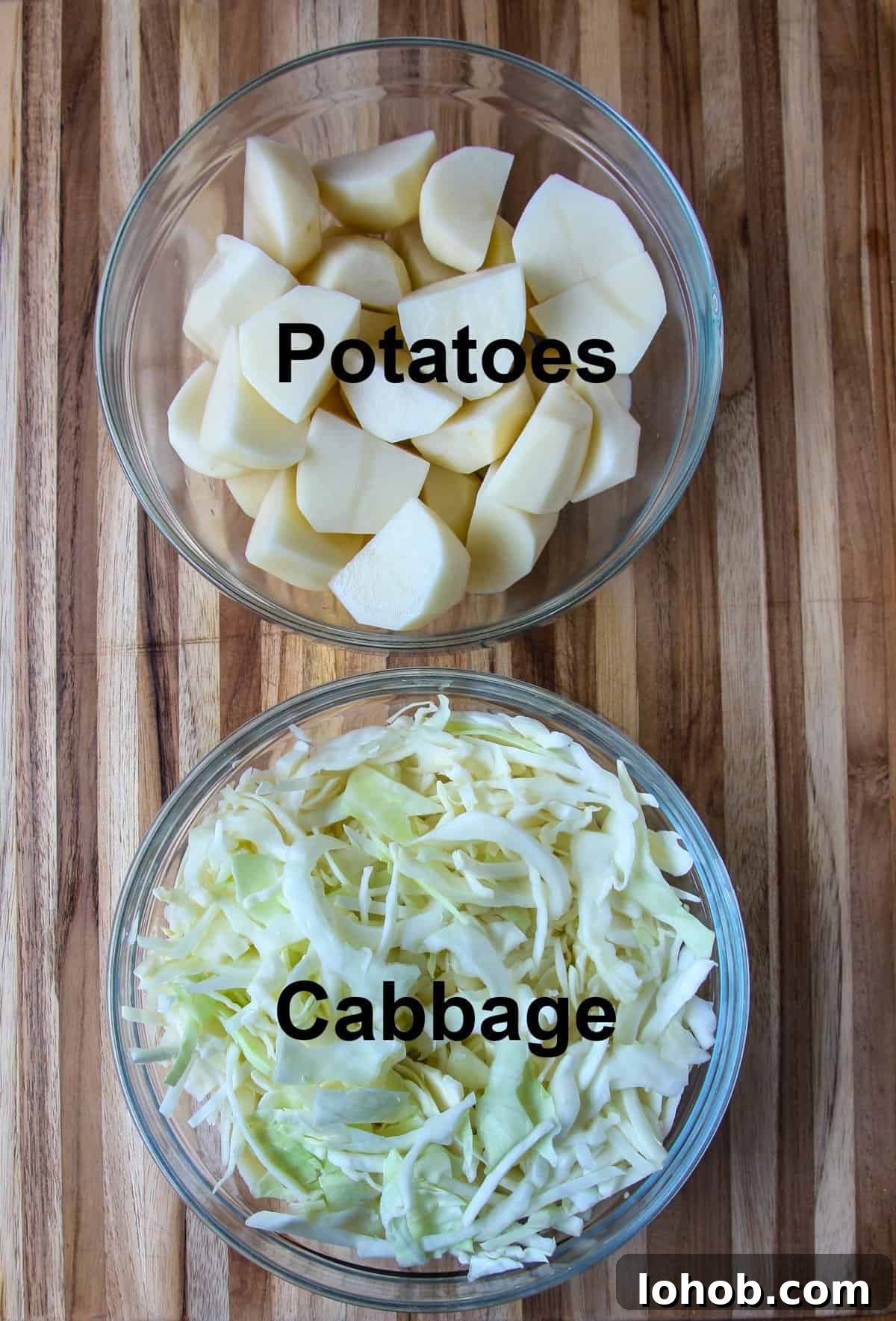
Potatoes: Choose floury potatoes for the best texture—Yukon Gold, russet, or red potatoes work well.
Cabbage: Green cabbage is ideal for this recipe; shred it thin so it softens quickly when sautéed.
Leeks: Use the white and light green parts, sliced thin. They bring a mild, sweet onion flavor without overpowering the dish.
Milk: Whole milk or a non-dairy alternative (oat milk works nicely). Replace half the milk with cream for a richer result, or use buttermilk for a tangy twist.
Butter: Unsalted is preferred so you can control seasoning. If using salted butter, reduce added salt.
Scallions (green onions): Thinly sliced for garnish; parsley or chives are good alternatives.
How To Make It
- Place peeled, quartered potatoes in a large pot and cover with cold water by about 1 inch. Add 2 teaspoons salt. Bring to a boil, then reduce to a simmer and cook until fork-tender, about 12–15 minutes.
- Drain the potatoes in a colander and immediately return them to the still-warm pot. Set over very low heat for a few minutes, shaking the pot occasionally to help steam off excess moisture—this keeps the mash fluffy.
- While the potatoes cook, melt 2 tablespoons butter in a large skillet over medium-high heat. Add minced garlic, sliced leeks, and shredded cabbage. Sauté, stirring, until the cabbage is softened, about 5 minutes.
- Warm the milk and 1/4 cup butter together until the butter melts and the milk is hot but not boiling.
- Add the drained potatoes, warmed milk, and butter to the skillet with the cabbage mixture. Mash until smooth and well combined. Season with salt and black pepper to taste.
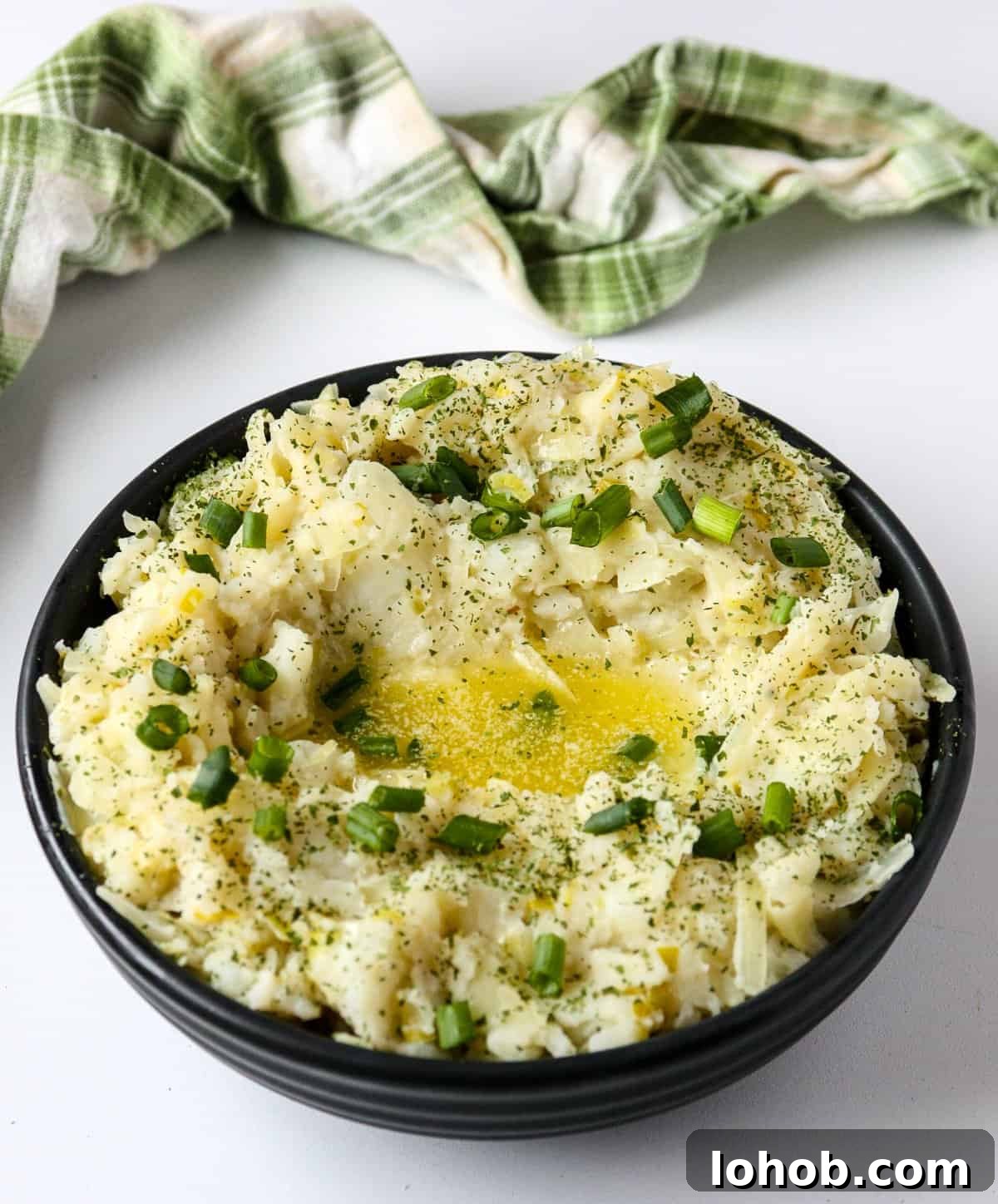
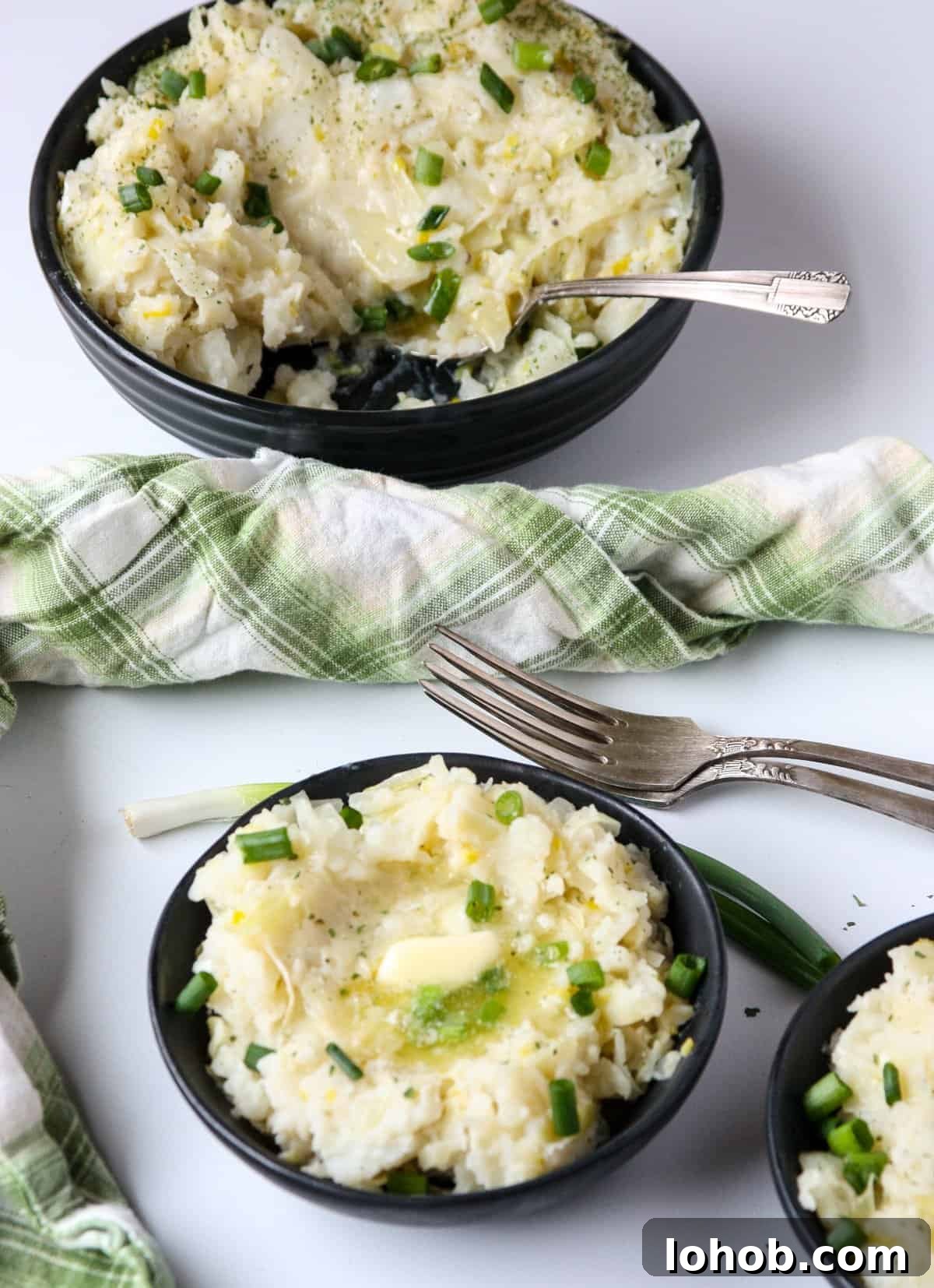
- To serve, make a shallow well in the mash, add a knob of melted butter if desired, and garnish with sliced scallions. Serve hot.
Pro Tips for Delicious Results
- Cut potatoes into even-sized chunks (quartering works well) so they cook uniformly without becoming waterlogged.
- Shred cabbage finely so it softens quickly; thicker pieces need longer sautéing.
- Dry the potatoes briefly over low heat after draining to remove excess moisture—this yields lighter, fluffier mash.
- Warm milk and butter before adding to the potatoes so they absorb quickly without cooling the mash.
- Use a potato masher, ricer, or food mill for smooth potatoes. Avoid electric mixers, which can make them gluey.
FAQs
Colcannon is best served immediately, but you can prepare it ahead, refrigerate covered with foil, and reheat gently in a low oven.
Yes—traditional Colcannon contains no gluten when made with potatoes, cabbage, milk, and butter.
Yes. Substitute a non-dairy milk (oat milk is a good choice) and replace butter with extra-virgin olive oil or a vegan butter alternative.
A potato masher, ricer, or food mill gives the best texture. Avoid electric mixers to prevent gluey potatoes.
Leftovers can be formed into patties and fried, or mixed with fish like salmon to make flavorful cakes.
More Delicious Cabbage or Potato Recipes
- Slow Cooker Cabbage Rolls
- Slow Cooker Red Cabbage Apple Braise
- Cabbage Stir-Fry Recipe
- Classic Potato Salad Recipe
- Potatoes Au Gratin
Recipe
Irish Mashed Potatoes
Ingredients
- 2 lb Yukon Gold potatoes, peeled and quartered
- 2 tablespoons butter (for sautéing)
- 1/2 green cabbage, shredded (about 5–6 cups)
- 2 leeks, white and pale green parts, thinly sliced
- 1/4 cup butter (additional)
- 2 garlic cloves, minced
- 1/2 cup milk (or non-dairy alternative)
- Salt and black pepper, to taste
- 2 scallions, sliced, for garnish
Instructions
- Put the quartered potatoes in a large pot and cover with cold water by about 1 inch. Add 2 teaspoons salt. Bring to a boil, then reduce to a simmer and cook until the potatoes are fork-tender, 12–15 minutes.
- Drain potatoes in a colander. Return them to the still-warm pot, set over very low heat, and shake until the potatoes dry out slightly. Remove from heat.
- While the potatoes cook, heat 2 tablespoons butter in a large skillet over medium-high. Add the garlic, leeks, and cabbage and cook, stirring, until the cabbage is softened (about 5 minutes).
- Warm the milk and 1/4 cup butter together until the butter melts and the milk is hot but not boiling.
- Add the potatoes, warmed milk, and butter to the cabbage mixture and mash until smooth. Season with salt and pepper to taste and stir until combined.
- To serve, make a shallow well in the top, add more melted butter if desired, and garnish with sliced scallions. Serve steaming hot.
Notes
- To prep ahead: peel and quarter potatoes and keep them covered with water in the fridge. Shred cabbage and slice leeks ahead of time.
- If using a ricer or food mill, rice the potatoes before combining with the cabbage mixture.
- For a richer version, replace half the milk with cream or use buttermilk for a tangy flavor.
- If using salted butter, adjust added salt accordingly.
Nutrition
Per serving: Calories 334 kcal | Carbohydrates 37 g | Protein 5 g | Fat 20 g | Saturated Fat 12 g | Sodium 206 mg | Fiber 6 g | Vitamin C 62 mg