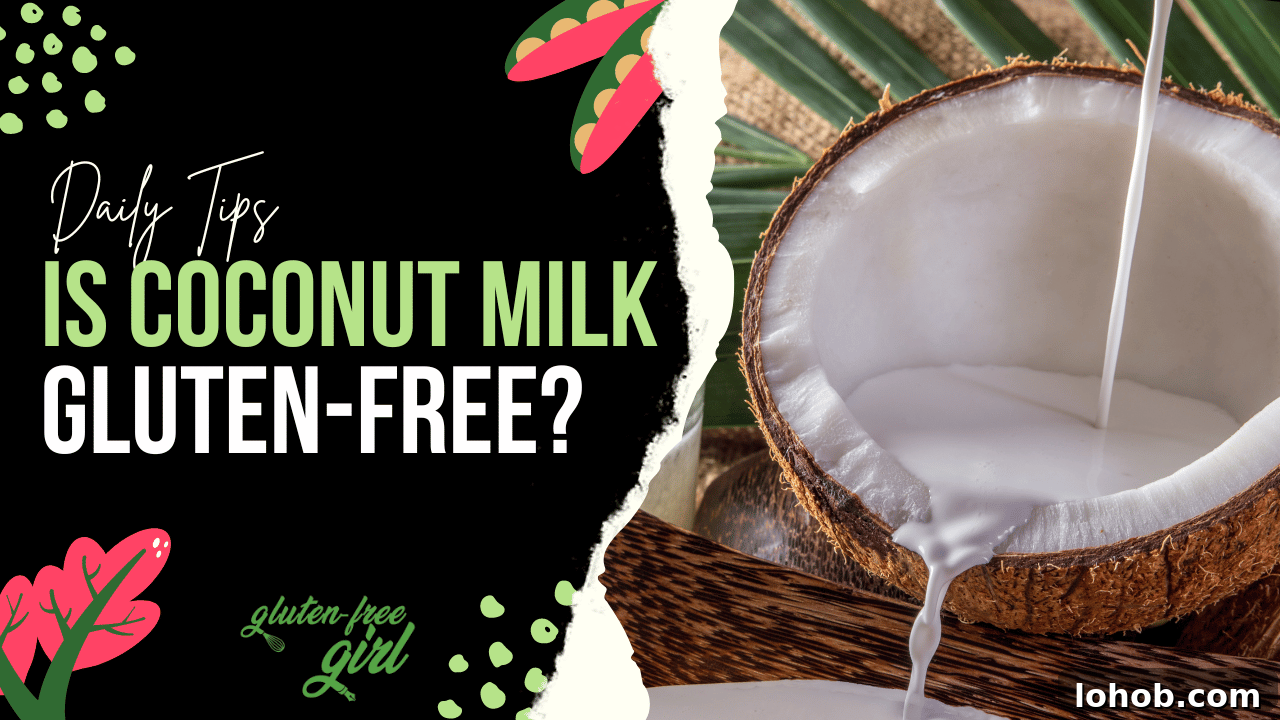
Yes, coconut milk is gluten-free. Coconut milk is produced from the flesh of mature coconuts and is naturally free of gluten. As a fruit-derived product rather than a grain, it contains none of the proteins found in wheat, barley, or rye that trigger reactions in people with celiac disease or gluten sensitivity. For those avoiding gluten, coconut milk offers a reliable, dairy-free alternative to cow’s milk.
People with celiac disease or non-celiac gluten sensitivity can generally use coconut milk safely, provided the product has not been contaminated during processing or mixed with gluten-containing ingredients. Celiac disease is an autoimmune disorder triggered by gluten; avoiding gluten entirely is essential for preventing symptoms and intestinal damage. Plain, uncontaminated coconut milk is a useful ingredient that helps expand gluten-free meal options while delivering a creamy texture and mild tropical flavor.
The paleo diet, which excludes grains and emphasizes whole, unprocessed foods, often includes coconut products. Coconut milk is a common ingredient in paleo recipes because it adds richness without dairy or grains. Its versatility makes it suitable for both sweet and savory dishes, so people following gluten-free or paleo eating patterns often rely on it for sauces, soups, desserts, and beverages.
Can a Person with Celiac Disease Eat a Meal That Contains Coconut Milk?
Yes. Pure coconut milk does not contain gluten and therefore is safe for people with celiac disease, provided it is free from cross-contamination and added gluten-containing ingredients. Coconut milk comes from a fruit, not from gluten-containing grains, so it does not contain the immune-triggering proteins implicated in celiac disease. As with any ingredient, it’s important to confirm the product’s label and ensure kitchen practices prevent cross-contact with gluten.
How often a person with celiac disease chooses to include coconut milk depends on personal taste and dietary needs. Many find it valuable for cooking and baking as a dairy-free, gluten-free option that works well in puddings, curries, smoothies, and baked goods.
Gluten-Free Recipes You Can Make with Coconut Milk
Here are several gluten-free recipes and uses for coconut milk:
- Coconut Milk Chia Pudding: A smooth, dairy-free breakfast or dessert that relies on coconut milk for creaminess and flavor.
- Coconut Milk Curry: Coconut milk forms the rich base of many curries, balancing spices and adding a silky texture.
- Coconut Milk Curry Noodles: A fragrant sauce made with coconut milk pairs well with gluten-free noodles and vegetables.
- Coconut Milk Ice Cream: A dairy-free frozen dessert using coconut milk as the creamy foundation.
- Coconut Milk Oatmeal: Substituting coconut milk for dairy makes oatmeal creamier and imparts a subtle tropical note; use certified gluten-free oats.
- Coconut Milk Pancakes: Gluten-free pancake batters benefit from coconut milk’s light, tender results.
- Coconut Milk Rice Pudding: Coconut milk lends a creamy texture and gentle coconut flavor to rice-based desserts.
- Coconut Milk Smoothie: A smooth, dairy-free base for fruit or green smoothies.
- Thai Coconut Soup (Tom Kha Gai): Coconut milk is essential for the soup’s signature creamy, slightly sweet profile that complements savory and spicy elements.
- Coconut Milk Tofu Stir-Fry: Coconut milk can create a silky sauce for tofu, vegetables, and gluten-free grains or noodles.
How Is Coconut Milk Gluten-Free?
Coconut milk is gluten-free by nature because it is made from coconut flesh and water, not from grains that contain gluten. Commercial production involves mixing shredded coconut with water and straining to produce a smooth liquid. Because coconuts are fruits, coconut milk does not contain the gluten proteins found in wheat, barley, or rye.
Its creamy consistency and neutral flavor make coconut milk a popular dairy substitute in cooking, baking, and beverages. It is widely used in gluten-free and vegan diets as a substitute for cow’s milk and other grain-based milk alternatives.
Is a Coconut Milkshake Gluten-Free?
A coconut milkshake made from plain coconut milk is gluten-free. However, additional mix-ins, flavorings, or toppings may introduce gluten, so check ingredient labels and use gluten-free additions. Coconut milkshakes are also dairy-free, making them suitable for people with lactose intolerance or milk allergies when made with safe, gluten-free ingredients.
Are Milk and Coconut Milk the Same in Terms of Gluten?
Both cow’s milk and pure coconut milk are naturally gluten-free, but they are different products. Cow’s milk is an animal product that contains lactose, while coconut milk comes from fruit and is dairy-free. Both can be included in a gluten-free diet, but processed or flavored versions may contain additives that introduce gluten, so read labels carefully and watch for cross-contamination.
How to Keep Coconut Milk Dishes Gluten-Free
To ensure coconut milk dishes remain gluten-free, follow these guidelines:
- Check labels: Choose products labeled gluten-free or certified when available.
- Select pure coconut milk: Prefer unsweetened, unflavored varieties without unnecessary thickeners or additives that might contain gluten.
- Use gluten-free ingredients: Confirm that all other recipe components—spices, sauces, and condiments—are gluten-free.
- Avoid cross-contamination: Clean utensils, cookware, and surfaces thoroughly and, when possible, dedicate tools to gluten-free cooking.
- Make it at home: Preparing coconut milk from fresh coconut eliminates processing risks and gives full control over ingredients.
- Follow gluten-free recipes: Use recipes designed for gluten-free diets to reduce the chance of accidental gluten inclusion.
Are Coconut Milk Cocktails Gluten-Free?
Coconut milk cocktails made with plain coconut milk are typically gluten-free. However, some spirits, liqueurs, or mixers may contain gluten or be at risk of cross-contamination. Always check the labels of alcoholic ingredients and mixers to confirm they are gluten-free when preparing drinks for someone with celiac disease or gluten sensitivity.
Why Is Coconut Milk Suitable for Latent Celiac Disease?
Coconut milk is a suitable option for people with latent celiac disease because it naturally lacks gluten and is unlikely to trigger gluten-related immune responses. Those with latent or asymptomatic celiac disease can still experience intestinal damage from gluten exposure, so using naturally gluten-free ingredients like pure coconut milk helps minimize risk. Choosing certified gluten-free products and avoiding shared processing facilities further reduces the chance of cross-contamination.
How Can Coconut Milk Become Contaminated with Gluten?
- Processing or packaging in facilities that also handle gluten-containing products can introduce contamination.
- Some commercial thickeners, flavorings, or fillers added to coconut milk may contain gluten.
- Cross-contact in home kitchens can occur if utensils, cutting boards, or cookware are used for both gluten-containing and gluten-free foods without proper cleaning.
- Flavored or blended coconut milk products may include ingredients derived from gluten-containing sources.
- Products from manufacturers with limited quality controls or inconsistent testing may carry a higher risk of contamination.
How to Prevent Gluten Cross-Contamination from Coconut Milk
Prevent cross-contamination by maintaining strict kitchen practices: store gluten-free ingredients separately, use dedicated or thoroughly cleaned utensils and cookware, and prepare gluten-free meals on clean surfaces. Choose reputable brands with clear gluten-free labeling and avoid flavored or processed coconut milk products unless their ingredients are verified gluten-free. These steps help preserve the gluten-free integrity of coconut milk and the dishes made with it.
Are Coconut Milk Beverages and Candies Gluten-Free?
Plain coconut milk beverages are naturally gluten-free, but always verify that no gluten-containing flavorings or additives were used. Coconut milk candies can be gluten-free as well, but their gluten-free status depends on added ingredients and manufacturing practices. For both beverages and confections, check labels for gluten-free certification and consider potential cross-contact during production.
Are Canned Coconut Milk Products Gluten-Free?
Canned coconut milk is generally gluten-free, but this depends on the brand and the specific product formulation. Many reputable brands offer plain canned coconut milk that is safe for gluten-free diets. Always read ingredient lists and look for gluten-free labeling, and contact the manufacturer if you need clarification about processing and cross-contamination risks.